
5 Reasons Gen Z Marketing Is So Successful
Jul 24, 2026
Gen Z is one of today's largest groups of digital marketing consumers.
Thus, brands should spend a great deal of time creating digital content that connects and markets to Gen Z customers. This generation expects content that is fast, authentic, and entertaining. And they'll just scroll past if it isn't.
The traditional strategies that worked for previous generations won't always work today. Explore the 5 reasons why Gen Z Marketing has found so much success and why it continues to outperform many traditional strategies.
1. Gen Z Marketing Values Realness
Most Gen Z consumers are quick to spot content on social media containing artificial intelligence (AI), and many social media users say it's a turn-off to see it so often in advertising. It can be done in tasteful amounts; however, what Gen Z really desires is openness, authenticity, and original ideas.
Having grown up surrounded by the digital world, Gen Z is quick to notice when a story feels made up. Rather than drawing buyers in, fake storylines can weaken the trust of their Gen Z consumers, making them less likely to interact in the future.
Now let's talk about some realeness seen in the Gen Z marketing strategies of Alix Earle's Reale Actives. This launch received a lotttt of feedback. While this typically creates great brand awareness, not all of this publicity was positive.
A good bit of the discussion centered around the defective packaging that some consumers received with the Dew More Moisturizer.
Rather than ignoring or sweeping the issue under the rug, Alix and her team addressed it head-on. They acknowledged the problem on several platforms, posting to Instagram that they "learned that Dew More needed a little attitude (aka packaging) adjustment." They also offered refunds and replacement products to unhappy customers.
Their response was on brand and transparent, which led to customer satisfaction and brand loyalty. No one expects brands to be perfect; that isn't real. What Gen Z does expect is honesty and authenticity when they express feedback.
2. Social Media Platforms Are the New Google
One of the biggest shifts in marketing is the rise of "social search". Unlike previous generations who often began their searches on Google, many Gen Zers first search social platforms like TikTok, Instagram, or YouTube for suggestions, reviews, or ideas.
Generation Z marketing uses social search to their advantage. Every social media post is now searchable content that can help brands reach Gen Z consumers. Much like search engine optimization (SEO), brands can use relevant keywords in captions and on-screen text to help their videos appear higher when users search for topics related to their products.
For example, if someone were to search "best hair salons in Indianapolis," they would get two very different results on Google vs TikTok.
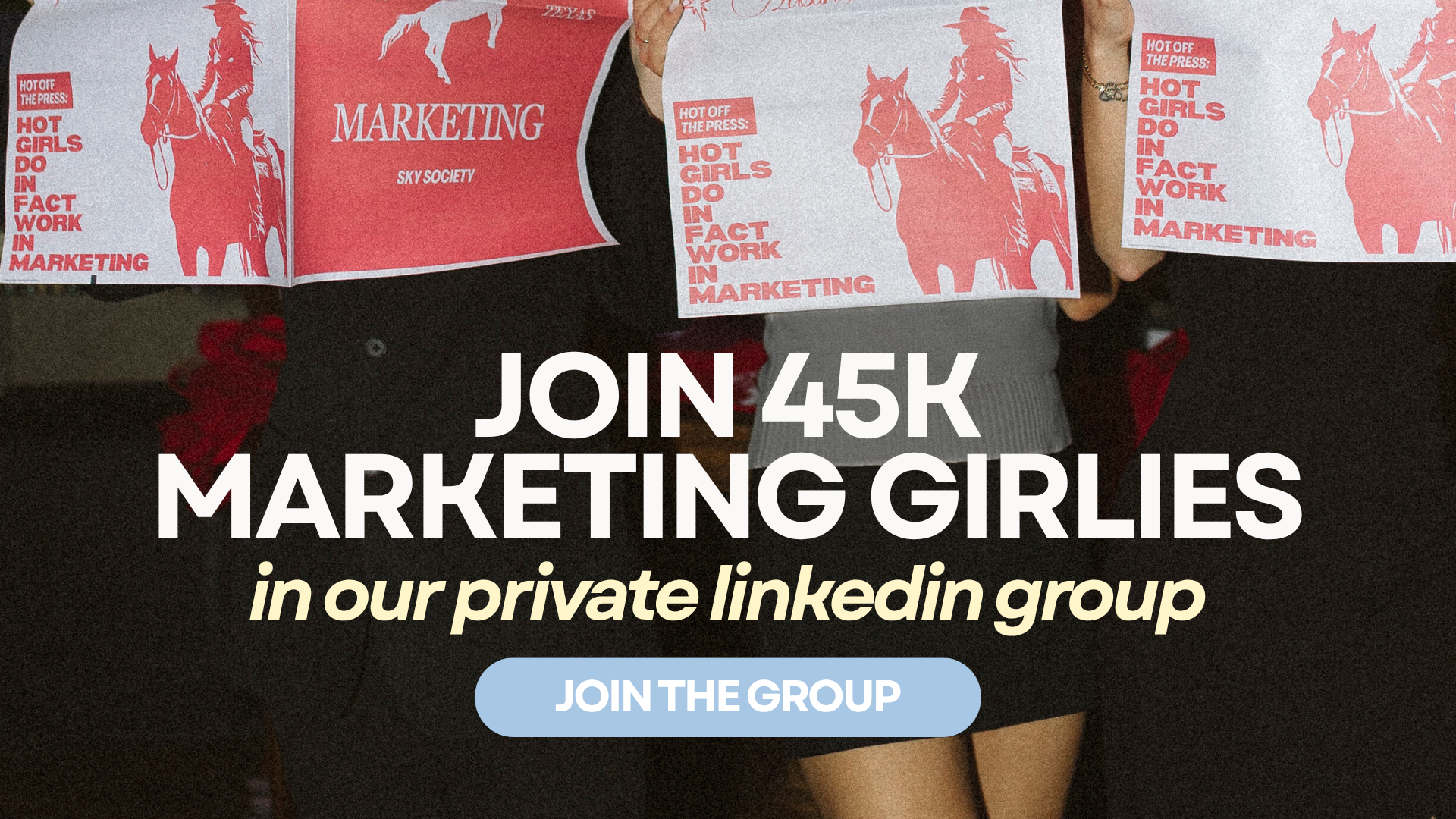
Google search results provide ratings, images, and even reviews from real people. However, the few steps alone to get to the full page of reviews are already slower than the path to results on TikTok. The TikTok search result instantly displays videos full of expression, eye-catching for its users, and much easier to digest in a short amount of time.
In the TikTok videos resulting from the hair salon search, the viewers can picture themselves in the salon, getting whatever style they imagine, and even hear the conversation between the hairstylist and the client.
3. Gen Z Marketing Strategies Use Trends With Purpose

Not every trend automatically means it's a good marketing strategy for a brand to take on. Generation Z marketing isn't about hopping on every culturally relevant movement they see on social media platforms; sometimes it's knowing when not to use them.
If brands are going to use a trend in their marketing strategy, it has to make sense. Adolescent Content said it best: "If you’re forcing words like “rizz” or “no cap” into your tweet, it’s already too late."
A great viral example of poor trend use was in the July 2026 Empire State Building stunt that hit headlines. A couple climbed to the top of the Empire State Building to reveal a flag sharing the message "When the power of love beats the love of power, the world knows peace." It seemed as though every brand wanted to join in because of its popularity.
Not only did this marketing approach lack originality, but it completely blew past the message of the viral moment itself. Many Gen Z consumers felt it was inappropriate to use a moment meant to spread peace and love for their own gain.
The takeaway isn't that brands should avoid trends, but that Generation Z marketing uses trends only when they align with the brand's identity or add something meaningful to the conversation.
4. Influencer Partnerships Build Trust
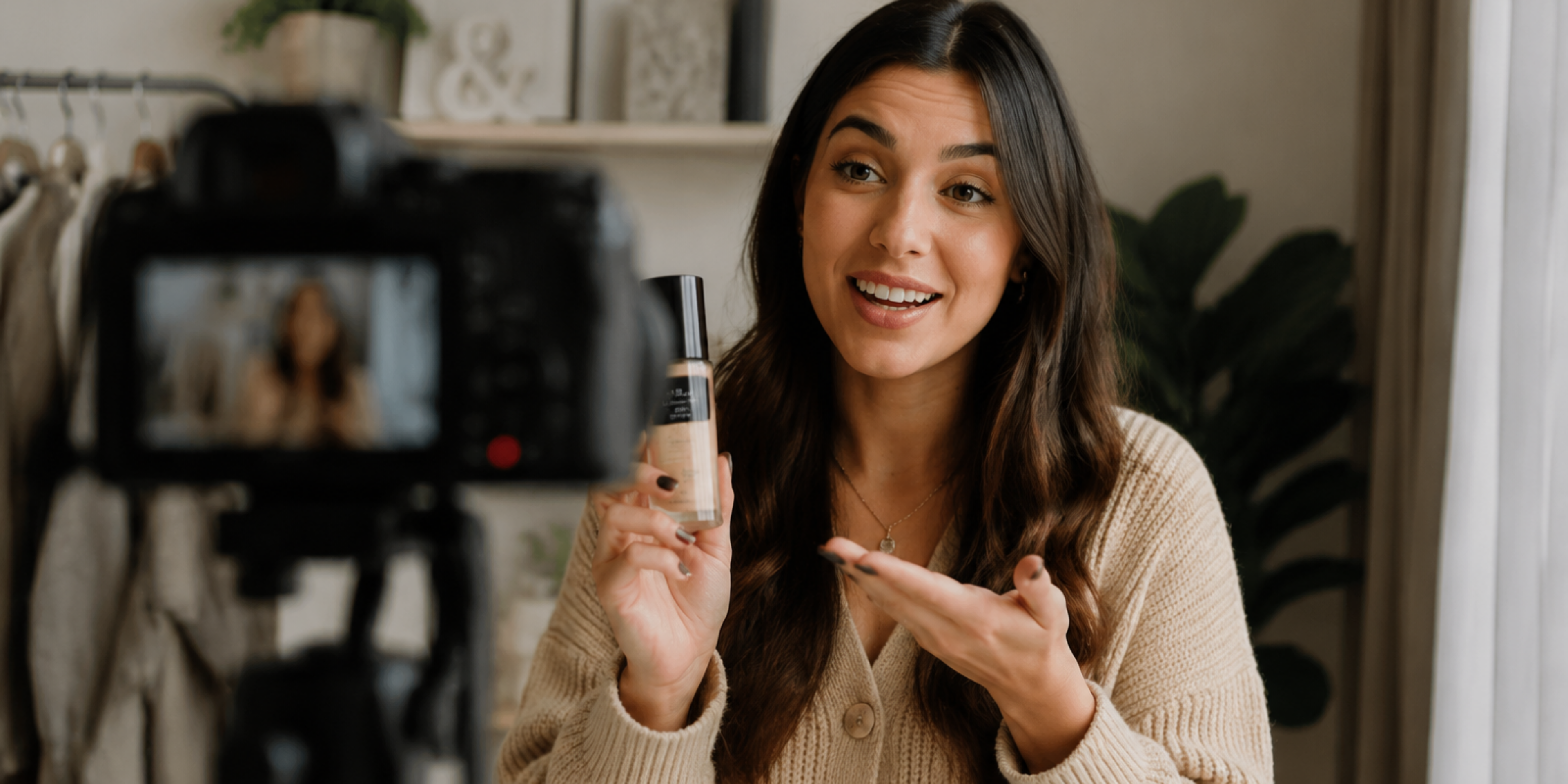
Generation Z loves their influencers because they aren't just seen as entertainment, but as people their audiences feel connected to. Because their followers watch their content every day, influencer recommended products feel more like a suggestion from a trusted friend than generic advertising.
Instead of the brand speaking directly to consumers, marketing campaigns that partner with influential Gen Z creators grab the attention of an already responsive audience.
A popular recent example of brand partnership is Dunkin's collaboration with Kylie Jenner, the King Kylie Collection. "King Kylie" is one of the most iconic eras of Kylie Jenner's online life, known for her colorful wigs and bold style. In the last couple of years, her fans have repeatedly asked her to bring back that era, and she has even teased the idea a time or two.
Partnering with Dunkin', Jenner invites her followers to engage in the nostalgia they had been asking for by creating a drink collection that represents the bold characteristics of King Kylie.
Because of the trust built between Jenner and her followers, combined with tapping into an era fans were already excited about, this marketing campaign feels like a genuine experience consumers can be a part of rather than a traditional advertisement. One comment on Dunkin's promotional posts summed up the campaign's success perfectly: "Is this going to make me go to Dunkin for the first time in 2 decades? Yes, yes it is. 💖"
The response shows how influencer partnerships can motivate consumers to support brands that they may not have considered otherwise.
5. Gen Z Audiences Want to be Involved

Compared to traditional marketing strategies that simply talk to buyers, Generation Z marketing strategies invite their consumers to participate. Many users of Gen Z's favorite platforms, such as TikTok or Instagram, desire to be involved in their favorite brands.
They enjoy participating in engaging polls, creating their own content, coming to campaign pop-ups, and sharing their opinions in the comments under videos. User-generated content (UGC) is another effective way that brands can interact with their targeted audiences without feeling inorganic.
A great example of a brand inviting participation is Hawaiian Tropic's partnership with Alix Earle and other popular influencers. This collaboration featured a creative choreographed dance to "I Touch Myself" by Divinyls and inspired thousands of TikTok users to recreate the video ads themselves and join in the trend.
Rather than simply watching an advertisement, Gen Z TikTok users became active participants in the campaign by creating and sharing their own content. This type of participation invited by a brand campaign makes audiences feel like they're contributing to the brand's story instead of just being marketed to.
The 5 strategies above demonstrate why today's marketing resonates with the Gen Z audience and continues to be so successful. While many traditional strategies are still valuable, brands that want to connect with Generation Z must be willing to adapt their marketing strategies and identify the best ways to speak to their customers.
Brands can build meaningful relationships with their Gen Z audience by focusing on authenticity, making content easy to discover, using trends with purpose, building trust through creators, and encouraging audience participation.
In the digital world, where attention is earned rather than given, the brands that listen and remain authentic will be the ones Gen Z keeps coming back to. Brands that want to remain competitive should continuously adapt their marketing strategies to meet the evolving needs and expectations of Gen Z.
🪽 Written by Audrey Kelly
join 45k marketing girlies
Private Marketing Girly LinkedIn Group
A private community where young women in marketing network, collaborate, and support each other.