
Why User-Generated Content Wins and How to Become a UGC Creator
Jul 21, 2026
Consumers are no longer relying only on advertisements to decide what to buy.
In 2026, 55% of consumers say they are unlikely to buy a product without user-generated content like social media channels, reviews, and creator content to support it. An additional 77% reported they are more likely to buy a product they discovered through UGC.
This shift has transformed the way brands interact with their audiences.
Today, the UGC marketing strategy has become one of the most powerful tools in digital marketing. It has left thousands of users wondering how to become a UGC creator themselves.
Brands use user-generated content to build brand authenticity and encourage sales. As more businesses develop their own UGC strategy, it is important to understand why it works and how brands and creators can use it.
User-Generated Content (UGC) Meaning: Marketing
User-generated content (UGC) or consumer generated content in marketing means content created by customers instead of a brand. Types of user-generated content include product reviews, testimonials, or social media posts. Unlike traditional advertising, this content comes from real people sharing their own experiences. As a result, it often feels more authentic and trustworthy.
Today, user-generated content plays a major role in digital marketing campaigns. Brands use it across social media platforms to build trust and boost engagement. A customer posting a skincare routine on TikTok or sharing photos on Instagram are both user-generated content examples. These casual, everyday posts help other people learn more about products while giving brands credible marketing assets.
Many people confuse UGC marketing with influencer marketing. It is important to note that they are not the same. Influencer marketing efforts involve a paid partnership between a brand and a creator.
In this case, the brand is paying to reach a certain audience using a creator they already know and trust as a gateway. User-generated content is created by everyday consumers who enjoy a brand or product. Brands may later ask for permission or pay these social media users to share their content.
A successful UGC strategy focuses on encouraging the creation of authentic content. Brands may invite organic user-generated content through a branded hashtag or contest. When social media users interact with real customers, it creates social proof and helps build brand authenticity. This type of content also supports engagement and can strengthen loyalty over time.
Consumers are spending more time turning to social media channels, reviews, and creator content. As a result, user-generated content has become such an important part of content marketing. According to Hootsuite, brands that encourage customers to share build stronger relationships. They are also able to do so while earning valuable organic social media content.
Industry research has shared that 25% of search results for the world's leading brands lead to UGC and the average consumer is now spending 5.4 hours daily with this user content.
If you are a brand, marketer, or simply someone trying to understand how UGC works, this article breaks down the meaning of UGC in marketing. It also touches upon why it works, examples of strong campaigns, how to build a UGC strategy, and how to become a UGC creator.
Why UGC Works as a Marketing Strategy

Why is user-generated content important?
User-generated content works because people trust other people. In fact, 84% of consumers trust campaigns featuring UGC. This is especially the case for younger consumers.
Seeing authentic user-generated content helps people feel more confident when buying, and it can even increase conversion rates by 3x. People value real experience over a sales pitch. Not everyone likes feeling as if they are being begged to buy something.
Brands limit themselves in what they can achieve when all their communication is one-way. Unlike traditional marketing or paid advertising, UGC feels honest and relatable. Potential customers can see how a product fits into someone's everyday life.
This creates social proof, the idea that people are more likely to trust a product when they see others enjoy it. As a result, brands can build brand authenticity and strengthen their identity.
User-generated content also helps brands create stronger relationships with their target audience. When brands share or encourage users to create content, they build an online community where people feel valued. These interactions turn customers into brand advocates who will continue to support over time.

Another reason UGC is so effective is that it encourages customer engagement across social media platforms.
People are more likely to interact with content created by other users because it feels genuine. Such engaging content can increase brand awareness and reach prospective customers. This social media strategy keeps marketing content fresh and shows real customers' experiences.
For many brands, UGC also delivers a strong marketing ROI in many forms. It can be categorized into text, images, and videos, which gives teams more ways to test content performance.
Instead of spending money on new content, brands can share user contributions from existing customers. They can request permission to share customer photos or content across marketing channels. Examples include email campaigns and social media profiles.
Some brands may also pay dedicated UGC creators to produce content for them, meaning they are able to avoid studio production costs. This saves time, money, and proves that real customers enjoy the brand's products.
Examples of User-Generated Content (UGC):

Sephora
Brands that are a part of specific communities do especially well with a UGC strategy. Take the beauty industry, for example. A brand that does a great job with user-generated content is Sephora.
Across its social media channels, Sephora shares videos from creators and everyday customers. These social posts include makeup tutorials, product reviews, and shopping experiences. This type of visual content helps people see how products look and work in real life.
Sephora's marketing strategy is successful because it features real customers. They do not rely on traditional ads to tell their story. By sharing authentic customer-generated content, the brand helps shoppers feel included.
Sharing customer content also helps to strengthen Sephora's brand identity. Their social presence shows the art of letting consumers shape how a brand is seen. They do not feel like a company that only wants to sell products.
Instead, they have created an online community where beauty lovers can learn. Many become brand loyalists because they feel like they are part of the community. That kind of space turns shoppers into active participants in the brand experience.
GoPro
User-generated content is important as it encourages people to join the conversation. When customers post reviews, features, or product recommendations, they create content that inspires others. This type of word-of-mouth marketing can reach new customers.
GoPro's Million Dollar Challenge drew over 42,000 clips from 170 countries, showing how big a UGC campaign can spread. GoPro users from around the world recorded their individual perspectives while outside on their own adventures or doing activities they love using the camera.
The result was a compilation of 350 hours of authentic, user-generated footage. It became more than free advertising for GoPro; it represented a community of people who felt motivated to share their spark. This was the brand's entire purpose.
These individuals were able to resonate with and inspire one another internationally. GoPro was just what made it possible.
How Brands Can Build a Successful UGC Marketing Strategy
A successful UGC strategy starts with creating a community that wants to share.
Instead of asking customers to buy a product, brands should encourage users to share their experiences. When users see brands uploading UGC content, they may feel more compelled to create their own. The goal is to make sharing feel fun, easy, and rewarding.
One of the best ways to collect user-generated content is by creating a branded hashtag or starting trends. Brands can also ask customers to tag them in their social media posts or leave online reviews.
In fact, 50% of consumers will create content if brands provide them guidance. These simple actions help create a steady stream of authentic content to share.
Before reposting a customer's content, brands should always request permission and credit the original creator.
Brands should also make UGC part of their overall social media strategy. Sharing authentic customer content across social media platforms helps reach a wider audience. This type of UGC content marketing builds positive brand sentiment over time as each piece displays earned trust.
Another way to encourage content creation is by giving customers a reason to take part. Brands can feature customer posts on their pages or offer rewards for sharing. In the long-term, this can help build brand loyalty.
Brands should remember that user-generated content is crucial for building trust. Reading online reviews and seeing real customer experiences can influence purchasing decisions. When brands include UGC in their marketing efforts, they create stronger connections with both potential and existing customers.
How to Become a UGC Creator
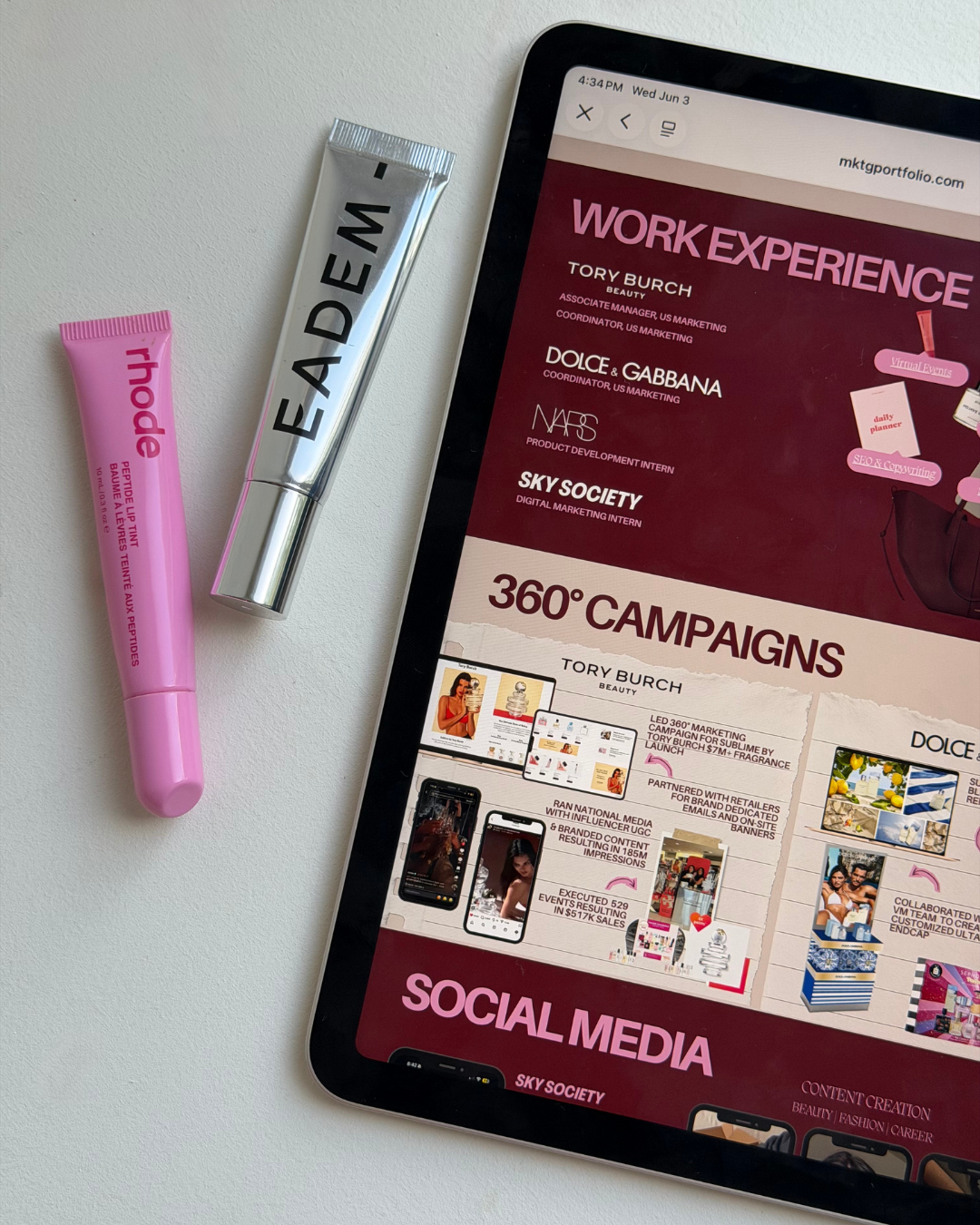
Learning how to become a UGC creator is becoming more popular as brands continue looking for authentic content. A UGC creator is someone who creates user-generated content for brands to use. Oftentimes, follower count does not matter as brands prioritize quality and authenticity.
The first step in how to become a UGC creator is building a portfolio with sample videos. Those looking to get into UGC should create content that showcases their skills. Expensive equipment is not required as brands largely aim for a natural appeal.
Product reviews and lifestyle content are examples of topics social media users already enjoy. Such content, when certain products are used, has the power to become paid UGC.
Some companies offer paid UGC opportunities where creators are paid to make content for the brand. Often, the brand owns the content after it is delivered, even if it is not posted to the creator's own audience. Full-time UGC freelancers can make anywhere from $50,000-$100,000 per year.
Successful creators also pay attention to customer feedback and current trends. Watching what performs well on TikTok, Instagram, a Facebook page, and other social media platforms can help inspire new ideas.
Many brands also reward their creators with exclusive access to new products, early launches, or special events. These opportunities help creators build relationships with companies while creating fresh content.
UGC is Reshaping Digital Marketing
Whether a brand or someone learning how to become a UGC creator, authentic content will continue to shape the future of digital marketing. People want to hear from real customers and see real experiences before making a purchase. That is why user-generated content has become one of the most effective ways to build trust, strengthen communities, and grow a brand.
As social media continues to evolve, UGC will become even more important. Brands that encourage authentic conversations instead of relying only on traditional advertising will be better positioned to connect with their audience. At the same time, creators have more opportunities than ever to turn their creativity into a career.
As brands continue to prioritize authenticity, those who build genuine connections will be the ones who stand out. The future of marketing belongs to real people sharing real stories.
🪽 Written by Megan Griffin
join 50k marketing girlies
Private Marketing Girly LinkedIn Group
A private community where young women in marketing network, collaborate, and support each other.