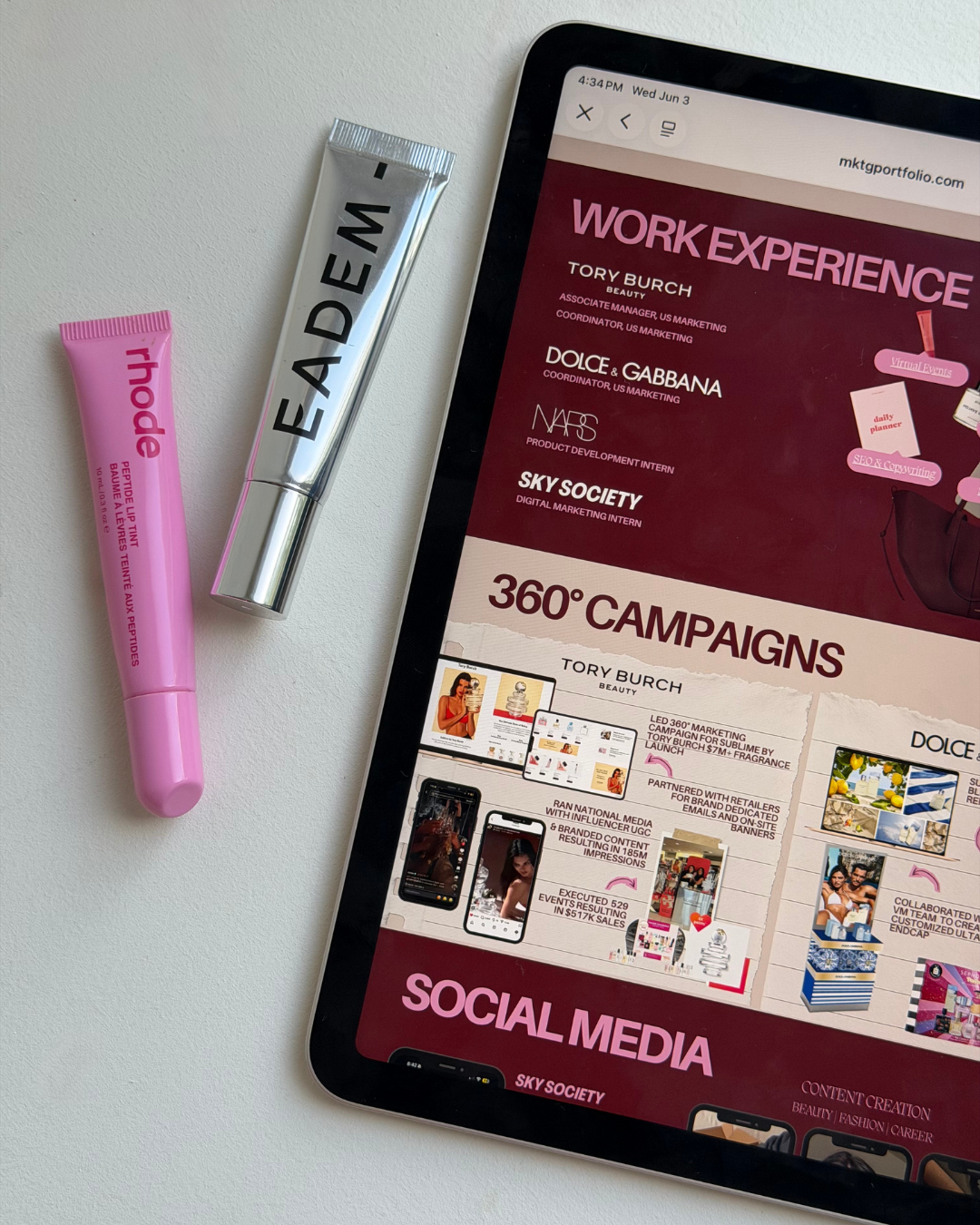

We're Approaching a New Shift in Marketing Generations
Oct 06, 2026
The marketing industry has been evolving over the past few decades with the introduction of the internet and social media.
As marketing girlies, everyone has seen this shift in marketing generations firsthand.
It no longer about how brands focus on Millennials, Baby Boomers, Generation Z, or Generation Alpha anymore. It's about how they adapt their strategies to fit the ever-evolving industry.
From classic campaigns on traditional media to major brands with interactive content and unhinged comments, marketing is breaking traditions and stepping into a new generation.
Generational Differences in the Comment Section
The change in marketing is noticeable with short-form content platforms like TikTok and Instagram taking over marketing channels. Brand communication styles are adapting to fit these platforms and change how they engage with their audiences.
User generated content and influencer marketing are emerging strategies brands use to boost loyalty, impressions, and awareness. It also isn't uncommon to find a well-known brand in the comment section of a viral video.
This engagement style and approach to marketing is gaining popularity with younger audiences. It feels like brands are trying to build meaningful connections with their target audience.
TikTok users, like Chad Frick, pointed out this strategy in a recent post. He says major brands are putting interns in charge of their social media platforms.
Many of the comments on this post are social media managers from different age groups, backgrounds, and job levels. There's this idea that different generations stick to their own platforms. In reality, your favorite comment could be from someone in a totally different age range.

The Shift in Marketing Generations Isn't Just About Age Groups
Almost everyone (not just gen z) scroll through social media platforms and come across many campaigns that use age-based and interest-based strategies. Some of these are eye-catching and in your face, while others are subtle but impactful.
While we enter this new generation in marketing, we need to look at some of the campaigns that set standards and developed the values we see in marketing today.
Notable campaigns that target specific audiences from different generations over the years include Dove's Real Beauty Campaign, The Starbucks Unicorn Frappuccino (which made a comeback in 2026), collaborations for The Devil Wears Prada 2, Rare Beginnings by Rare Beauty, and many more.
All of these campaigns had remarkable recognition while developing new strategies that are becoming relevant to today's marketing generations.
Dove's Real Beauty Campaign and Its Effective Marketing

Dove's Real Beauty campaign has been ongoing since 2004. The campaign centers around body image issues across generations of women, using different age demographics. When women described themselves to a sketch artist, they talked about themselves differently than what their appearance showed.
Their sketch campaign has reached over hundreds of millions of views and affected countless women. The projects in this campaign show how different generations find imperfections with their body image. Dove shows the unattainable beauty standards women hold themselves to thanks to the toxic beauty industry.
Focusing on parts of beauty women struggle with allows Dove to take an empathetic approach to their strategic marketing.
The company still does this, centering each of its projects around uplifting women and breaking the toxic standards in the beauty industry.
Dove's target market surrounds women. They rely heavily on the influence beauty trends have. They know women pay attention to trends and are more likely to engage with content that is relatable.
Dove knows its audience, and that's why their marketing strategies work.
The Most Influential Frappuccino in 2016 for Gen Z and Millennials

Now, everyone who was on Instagram in 2016 knows about the Unicorn Frappe from Starbucks. There was no scrolling past an LA-based YouTuber, influencer, or any millennial consumer without seeing at least one photo of the beverage. Sometimes with the iconic pink wall on Melrose Avenue.
The drink's visibility influenced many people, and really anyone with internet access, to go to their local Starbucks and partake in the trend.
Recently, Starbucks decided to try an emerging type of campaign in this shift of marketing generations known as nostalgic marketing. Now, nostalgic marketing has major appeal towards the members of Gen Z who yearn to have been in their early 20s during peak 2016 influencer days. It also appeals to the millennials who want to reminisce on what was trending during their youth.
This desire was the perfect way for Starbucks to bring back their iconic 2016 Unicorn Frappe. This throwback did better than the brand expected, making it one of Starbucks' highest days in sales.
The Unicorn Frappuccino making a limited comeback was a way to let different generational groups bond over a piece of iconic marketing history.
Was the bonding mostly done through online reviews? Maybe, but it was definitely talked about.
The Devil Wears Prada But Make It for Different Generational Groups
Nostalgia also played a role in the promotions for the 20th anniversary sequel of The Devil Wears Prada. As a film that influenced purchasing decisions across fashion and magazines, it's no surprise there were many collaborations leading up to the highly anticipated release.
The official partnerships were with L'Oréal Paris, Diet Coke, Lancôme, Grey Goose, Google, Mercedes Benz, Tiffany & Co., TRESemmé, Havaianas, Dior, Smartwater, Starbucks, Samsung Galaxy, and Valentino fragrance.
Notice anything about these brands? They're all chic. They fit into the aesthetic that The Devil Wears Prada built over 20 years.
These promotions are part of the change in marketing generations. Large collaborations between brands and major motion pictures were unheard of. After successful collaborations with films like Barbie, it made sense to do the same with The Devil Wears Prada 2 .
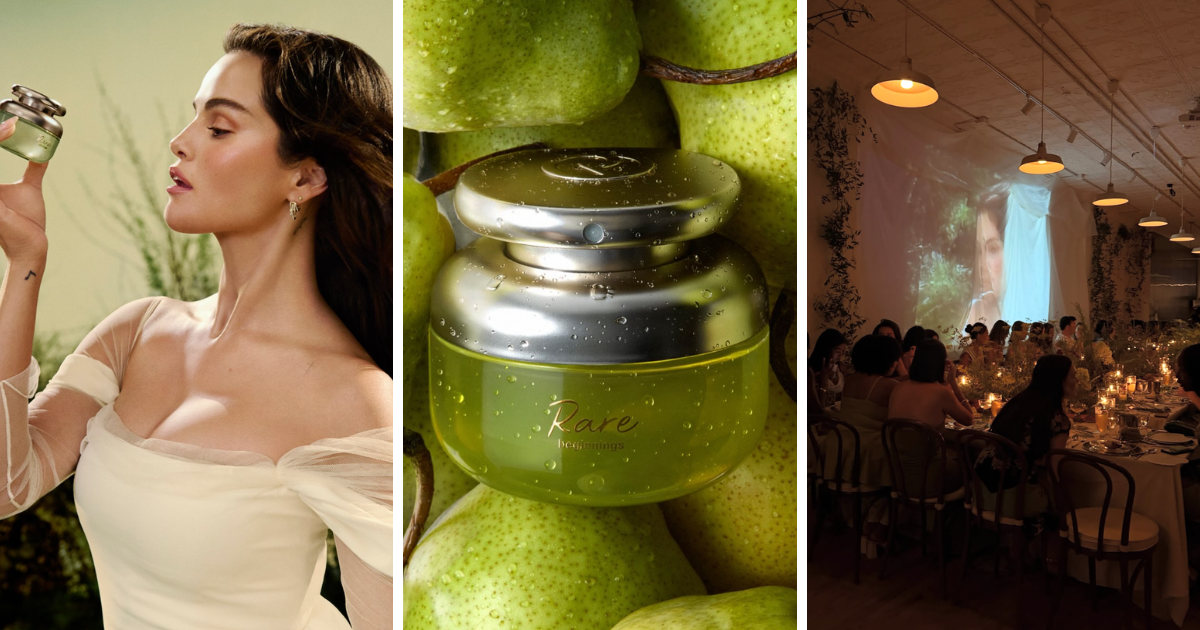
From Rare Beauty on Instagram
"Who Says" you can't be seen for who you are?
Selena Gomez's beauty brand, Rare Beauty, launched the Rare Beginnings eau de parfum campaign. This global campaign pulls inspiration from Greek mythology.
Rare Beginnings is about the feeling of being seen for who you are. It's values authenticity, which is one of the most important trends across new marketing generations.
Consumers are tired of brands not upholding their values. They want to see brands support them and in-turn, they will support the brand. Brand loyalty is important, and Rare Beauty knows this.
It also doesn't hurt to have Gen Z's favorite childhood actor as the founder. Selena Gomez is unapologetically herself. That's what stands out.
How Brand Adaptability Speaks to Different Generations
All of these campaigns are examples of the willingness to adapt to new strategies. Traditional forms of marketing isn't making the cut anymore. Brands are aware that each generation's values change.
The unique characteristics that brands have can stick out to consumers across multiple generations.
Younger generations want to see them uphold their core values, be socially conscious, and take social responsibility. Older generations don't want to read misinformation and are less likely to be chronically online.
Gen Z wants inclusivity, authenticity, and to care about what the brand values. We don't want assumptions about what we like. We want real content that quickly grabs our attention and can be trusted.
Millennials are looking for user-generated content they can trust. They are influenced by both normal people and celebrities who market products they genuinely use. They're the first to hop on what's trending.
Older generations, like Generation X and Baby Boomers, may value traditional advertising and marketing over social. That means they are looking for straightforward information in digital and traditional platforms.
The brands that are aware of their target market must pay attention to the rapid evolution of marketing strategies. If they do this, they are more likely to stay relevant.
There's strategic marketing in the comment sections out there!
Since everyone is now online all the time, brands need effective and adaptable marketing strategies during this shift in marketing generations.
The new marketing generation is evolving with every post, comment, and strategic campaign. From decade long initiatives to nostalgic comebacks and user-generated content, take the examples mentioned above as some of the companies that just get it.
Is there a beloved brand you've seen lurking in the comment section? Who do you think brings their adapted brand values and strategies to this evolution in marketing generations? We'd love to know, even if it's a hot take!
🪽 Written by Laura Komar
join 45k marketing girlies
Private Marketing Girly LinkedIn Group
A private community where young women in marketing network, collaborate, and support each other.