
Stop Making Your Life a To-Do List: Hobby Stress Relief
Oct 05, 2026
What is something that is on your to-do list or something you have been putting off for some time now? I bet taking care of your mental health isn’t one of them. What happened to playing that sport you were once passionate about? Or what about that beauty service that you wanted to take up to save some money?
Let me guess, you didn't have the time for it. That’s the problem. Life has become a giant to-do list. Hobby stress relief means making space for enjoyable activities that give your mind a break, lower stress, and help you feel like yourself again.
If your schedule is packed with work, school, family responsibilities, or other obligations, this is for you. Whether you feel overwhelmed, disconnected from your own interests, or stuck in a routine that leaves no room for fun, hobbies can support your well-being without needing to become productive, profitable, or “worth it” on paper.
Summer is over, everyone is back to school or work, and due dates are starting to pile up. It is interesting how much people tend to thrive when they have more exposure to the sun and have the freedom to spend time with whoever, whenever. Once the back-to-school ads start popping up everywhere, everyone’s light starts to dim because it feels like a never-ending cycle of work.
Life starts to feel like people never get any time to themselves due to busy schedules. Individuals prioritize obligations and others, often sidelining their own personal time. That is exactly why this matters: when every day revolves around output, stress builds, and personal happiness gets pushed aside.
Something has to be done about it. In this article, we’ll look at why hobbies help with stress relief, why they do not need to make money, different kinds of hobbies to try, how hobbies support mental health, and realistic ways to make time for them again.
Here is an exercise you can try: Close your eyes and visualize a time when you did something you loved and were happy. How old were you? Where were you?
What were you doing? It doesn’t matter if you were 5, playing with Barbies at your childhood home, or 20 in Aruba at the beach; you were happy. Now think about the reason why you stopped. Is it because you grew up? Finances? Schedule? Whatever the reason is, you should get back to that version of you.
When Did Life Become All Work?
As life goes on and people get older, productivity starts to become more of a priority than enjoyment. It starts from middle school into high school. Students are pressured into thinking about which high school is right.
Then, from high school, having to think about activities to get into a really good college or post-high school paths. Then, from college, having to think about how to solidify a successful career. Then, in careers, having to think about how to continue to keep a job.
It’s a never-ending cycle, and suddenly it feels as if free time is supposed to be spent accomplishing something. In this day and age, Social media can transform leisure time into an opportunity for comparison, leading individuals to feel like others are achieving more. Social media tends to rob time that could be spent doing something that makes us happy.
Psychology Today discusses that many problems can arise from too much energy going into one area of life, whether it is work/school, relationships, or responsibilities. It is very important to find that balance to prevent life from becoming overwhelming.
Hobbies Don’t Have to Make Money
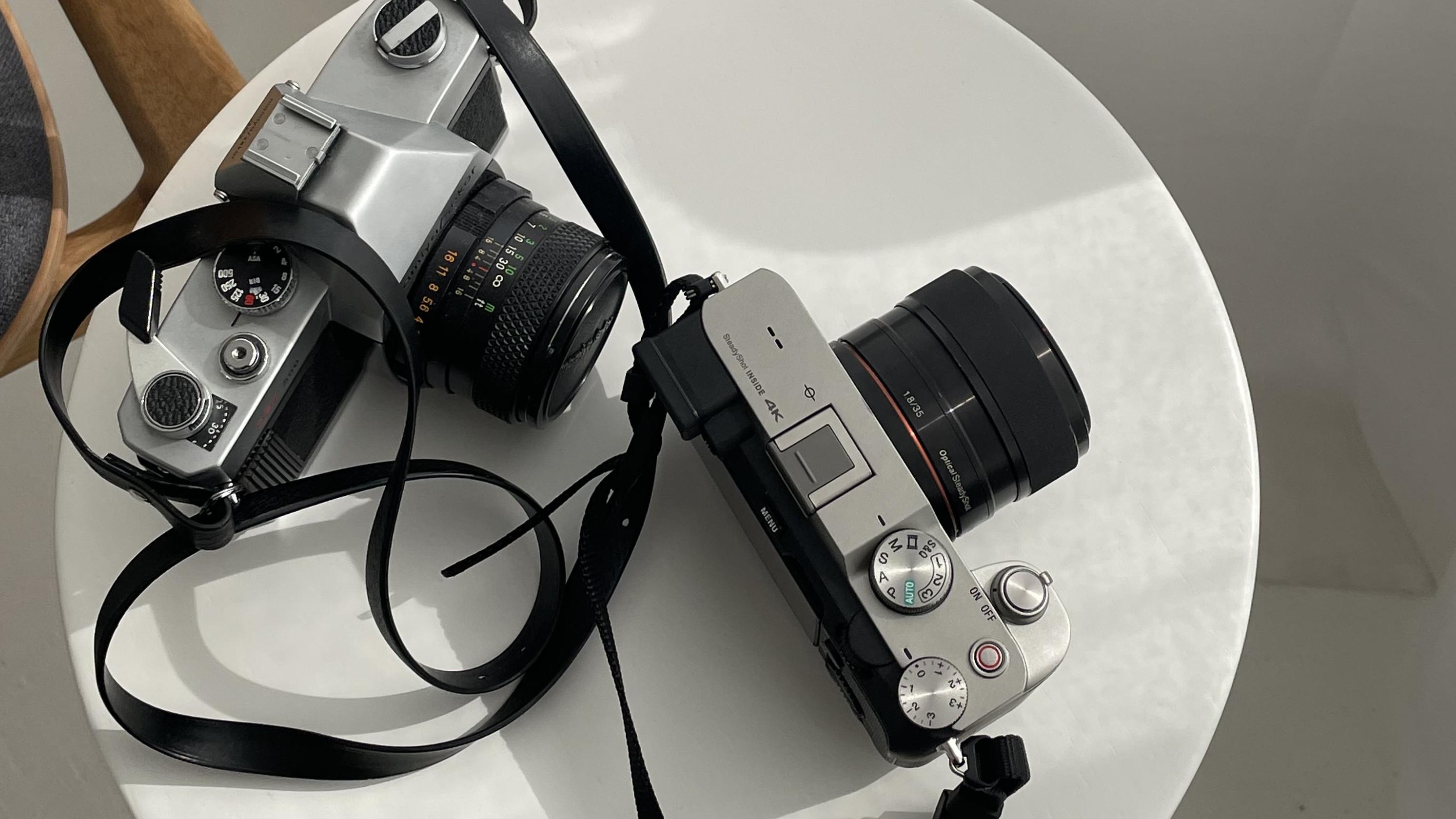
There are people who prioritize activities like bike riding, baking, swimming, or reading. Most of the time, they aren't doing this because it looks good. They are doing it because it feels good. They enjoy doing it. Now that is what we call a hobby.
When someone finds something they are passionate about, they may feel pressured to monetize that passion. Baking doesn’t need to become a bakery. Working out doesn’t need to become fitness content. Photography doesn’t have to become a paid service.
A hobby is allowed to simply exist because it makes someone happy. Some things can have value even if they aren’t making money.
How Hobbies Help Relieve Stress and Support Mental Health
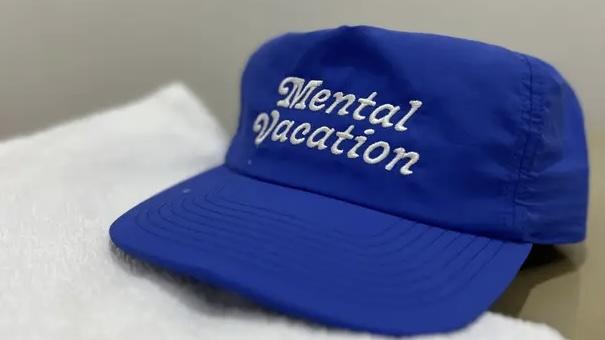
Hobbies are part of practical stress management, not just something people do when they have extra time. According to research on hobby stress relief, engaging in pleasurable pastimes may help reduce stress, reduce anxiety, and support overall well-being.
Verywell Mind reports that activities that are found enjoyable and leisurely were associated with lower blood pressure, lower cortisol levels, and more positive psychological states. That matters because chronic stress can build over time and is linked to broader health risks, including heart disease, which is why disease control guidance often points to healthy lifestyle habits as part of managing stress.
After multiple days of stress and deadlines, even short breaks for activities you enjoy can help because hobbies reduce stress and shift pressure into more positive stress instead of pure overwhelm. Meditation can help in just a few minutes, and it may lower stress levels while supporting mental clarity and emotional balance. Exercise releases endorphins that boost mood.
Deep breathing can also slow heart rate, calm the nervous system, and reduce stress. Harvard Health reported a large study involving more than 93,000 adults aged 65+ across 16 countries.
Having a hobby was associated with fewer depressive symptoms, greater happiness, and better self-reported health. Since the study was observational, it found an association rather than demonstrating that hobbies were the source of the results.
Research on hobby stress relief demonstrates why leisure time shouldn't always be written off as unproductive. Work and school responsibilities will remain, but making room for enjoyment matters because hobbies are essential tools for stress management in daily life.
Finding Creative Hobbies That Feel Good
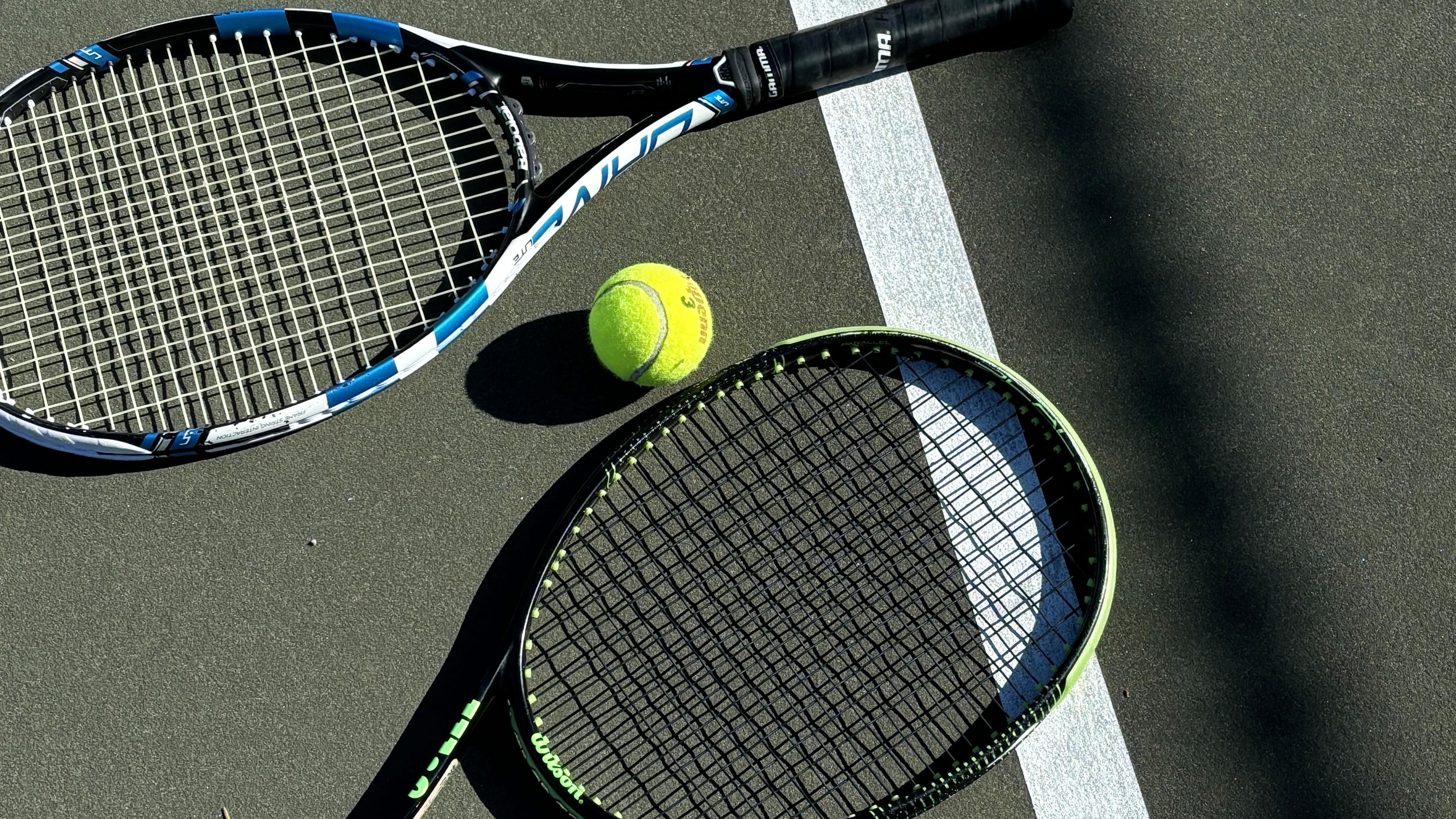
When it comes to finding a hobby, it doesn’t have to be something demanding. Hobbies can be categorized into four groups: creative, active, relaxing, and social. A creative hobby is an activity that allows free thinking and self-expression through creative activities and outlets that can foster creativity. This could be something like photography, makeup, crocheting, painting, or creative writing, and journaling can offer emotional release as people process emotions and reduce stress.
Playing a musical instrument can also lower heart rate and boost mood. For some people, painting or drawing can also be viewed through the lens of art therapy for added mental clarity.
An active hobby is something that gets the heart pumping and involves physical activity or physical exercise, with real health benefits and mental health benefits tied to movement. This could be dancing, working out at the gym, team sports, or outdoor activities, especially for people who benefit from movement plus connection and from spending time outside. Dancing releases natural endorphins and helps manage stress.
Yoga also improves flexibility and can reduce anxiety symptoms. Tai chi is one of the mindfulness practices that can promote relaxation and calm. A relaxing hobby calms a person down and gives them a reset.
This could look something like coloring, puzzles, puzzle games, gardening for fresh air, or reading, and gardening may lower cortisol levels while increasing feelings of happiness. Knitting is another option because it can create a meditative state that lowers anxiety.
Lastly, a social hobby is an activity that includes others. That can be joining a book club, cooking with friends for mindfulness and a sense of accomplishment, playing recreational sports, or trying board games, which support communication, teamwork, mental stimulation, and puzzle solving. Volunteering can fit here too, whether that means helping at an animal shelter or another cause that builds self-esteem and social connection.
According to Kaiser Permanente, hobbies can promote well-being in a variety of ways, from artistic endeavors that foster self-expression to social and physical pursuits that offer movement and social interactions.
Since individuals unwind in various ways, there isn't one specific activity that is most effective for hobby stress relief. Different people find that hobbies reduce stress in different ways, including solo hobbies and group hobbies built around shared interests. Hobbies can change at any time.
It doesn't have to be something that has been done from a young age or throughout life. Different hobbies can also fit new interests, and enjoyable activities are often the best stress-relieving hobbies because they promote relaxation. The best hobby is something that makes a person lose track of time because they are genuinely enjoying themselves.
Making Time for Hobbies
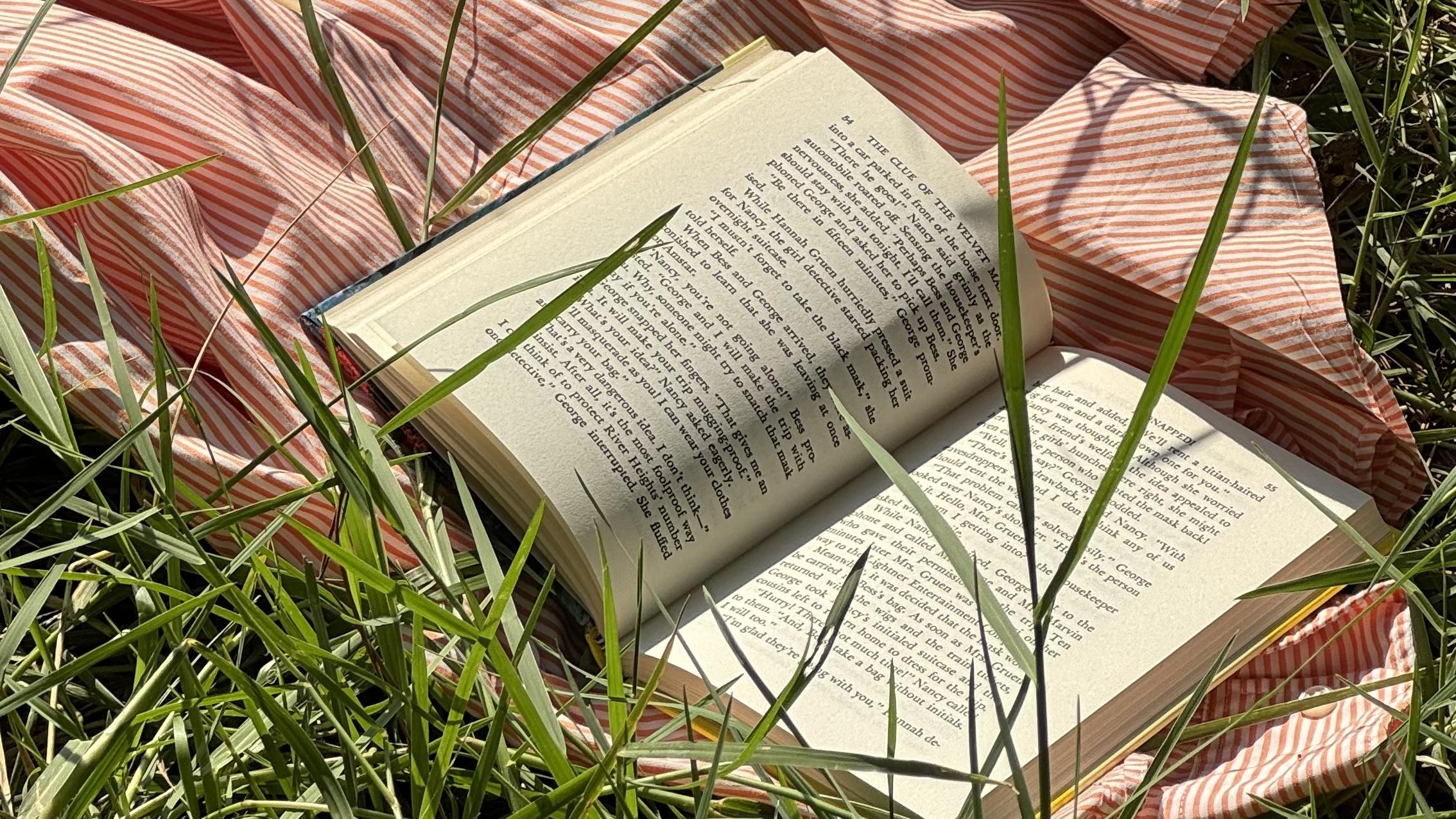
The real issue with having a hobby as an adult is figuring out how to incorporate it into such a busy schedule. The great thing about hobbies is that they can be part of self-care, not just something optional, and they fit more easily into a healthy daily routine and daily life than people often expect.
There is no strict schedule when it comes to having fun, but scheduling hobby time can be one of the essential tools for keeping stress levels manageable. It all comes down to fitting in as much time as is available for what makes a person happy.
There is nothing wrong with reading for just a few minutes before bed or playing basketball twice a month, and a few tips can make that feel more doable. Kaiser Permanente advises beginning with baby steps when exploring new interests through a new hobby, even recommending dedicating about 15 minutes to an enjoyed activity. This indicates that a hobby doesn’t need to consume hours of a person’s day to hold significance in their life.
Hobby stress relief should align with a person's schedule without adding an extra source of stress. That still counts. All that matters is that the hobby is relieving stress and bringing happiness.
River North Counseling recognizes accessible activities like reading, writing, gardening, and creative hobbies as methods for individuals to escape daily stress. Of course, it is important to meet strict deadlines and tackle to-do lists, but happiness should not always be put on the back burner. Treated like regular self-care instead of an extra task, hobbies can reduce anxiety and support overall well-being.
Life Is More Than a To-Do List
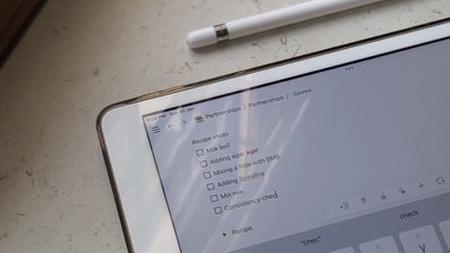
Responsibilities are part of life, but when stress feels overwhelming, they should not be someone’s entire life. School will always have another assignment. Work will always have another task. There is always something that could be done.
The bigger idea is that if someone waits until everything is done to start enjoying life, they might be waiting forever. Productivity doesn't automatically equal a fulfilling life. There could be someone who accomplishes everything they wanted but at the same time feels like they never got to enjoy the most out of their days. It is time to reconnect with that happy version of you that found enjoyment in the activities that now seem small.
Hobbies don't have to be a huge commitment; just something you find your way back to to decompress. Yes, responsibilities are important, but happiness deserves intentional time too.
🪽 Written by Nellysha Hibbert (LinkedIn)
join 45k marketing girlies
Private Marketing Girly LinkedIn Group
A private community where young women in marketing network, collaborate, and support each other.