
Nostalgia Marketing: The Colorful Comeback of 2027
Oct 07, 2026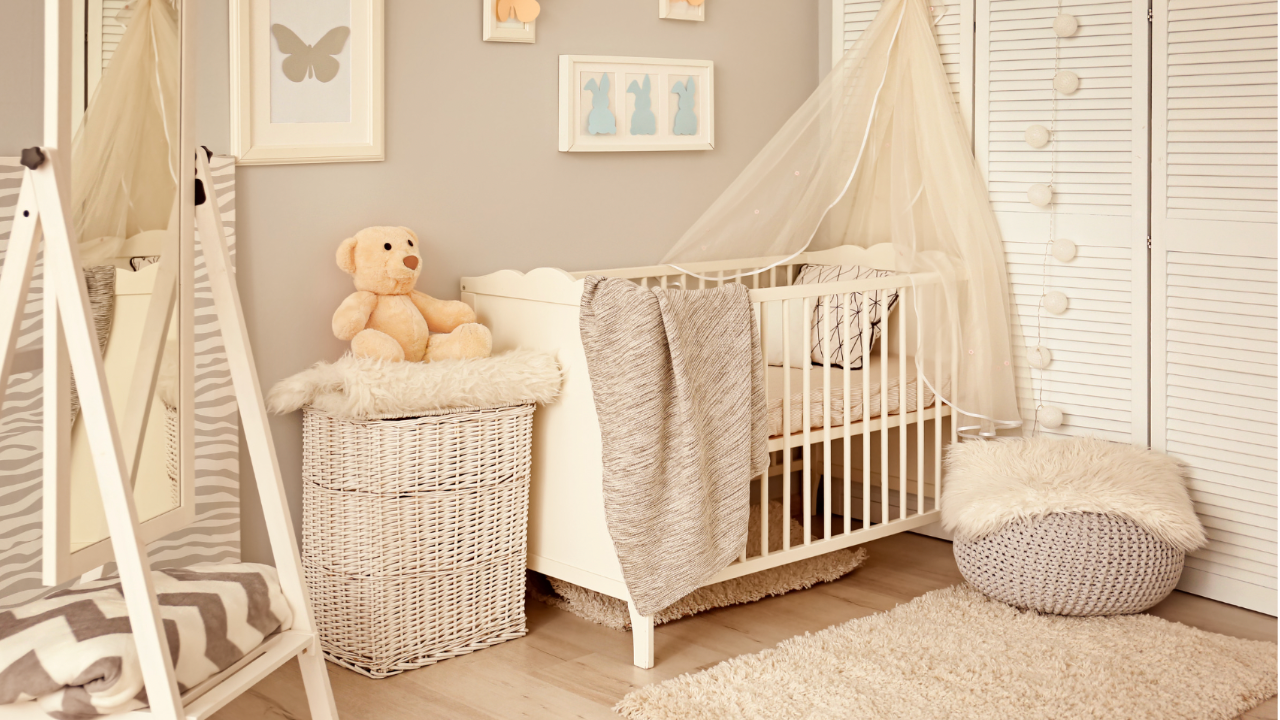
Beige may finally be losing its grip on branding.
After years of neutral color palettes, perfectly curated feeds and minimalist everything, consumers seem to be craving branding with a bit more color and personality. Nostalgia marketing strategies give brands a way to meet that desire and connect with consumers by bringing back fond memories and styles from the early 2000s and mid 2010s.
What will this shift look like for brands in 2027, and how will they adapt to meet consumer expectations?
The Sad Beige Baby Era May Be Ending
The sad beige baby era had a good run, but color seems to be re-entering the chat.
The term "sad beige baby" refers to the minimalist and colorless approach to home decor, more specifically nursery designs, even down to the last binky. For years, brands have also been trading in their bright, eye catching logos for something a little more simplistic.
Recently, however, color seems to be making a comeback. People are reminiscing about a time when life had more color and everything wasn't so polished and perfect, a style commonly associated with the early 2000s and mid-2010s.
The renewed interest in color may be more than a passing aesthetic trend. It could signal a broader shift in what consumers want from brands, especially after years of neutrals and minimalist designs. To understand why this shift feels so significant, it helps to look at how much color has disappeared from everyday life.
Where Did All the Color Go?
Why has color been traded in for minimalist neutrals? A typical parking lot today is often filled with black, silver, white, gray, and other muted-colored cars.
Interestingly, the debate over color is nothing new. Even philosophers held strong opinions about color's place in society. Plato considered color to be a distraction that could cause sensory overload and interfere with logic and reasoning. He felt that the world's appearance was misleading, calling it a "prison house". He believed people needed to look beyond their senses.

German philosopher Immanuel Kant also believed that while color could make art alluring, it was less important to its overall aesthetic value.
Ideas like these show that color has long been treated as something extra rather than essential. In more recent years, this same thinking has shown up in design trends and branding, more specifically blanding. Over the past 20 years, society has experienced not just the dilution of color, but its removal entirely. Colorful and vibrant branding has become less dominant as brands embrace cleaner, more neutral aesthetics.
For a while, color simply wasn't trendy anymore.
This shift toward neutral design has not gone unnoticed by consumers. Some brands are already starting to respond by revisiting the warmth and personality that once defined their spaces.
Starbucks Then and Now: Nostalgia in Brand Design
Starbucks is one brand that has become a common example in conversations about consumers craving nostalgic design. Many social media posts have been made comparing the store's design in the 1990s and early 2000s with the more neutral stores seen today.
Earlier stores featured deep, warm colors, such as burgundy and terracotta, along with soft, comfortable seating that encouraged customers to sit for hours and enjoy the cozy atmosphere. Over time, these design choices became part of the company’s brand heritage and an important part of the brand story consumers still remember today. For some patrons, those familiar colors, furniture, and coffeehouse details can act as nostalgic triggers, bringing back happy memories. Today's stores have a more clinical feel, with white walls, light wood tables, and neutral, muted accents.
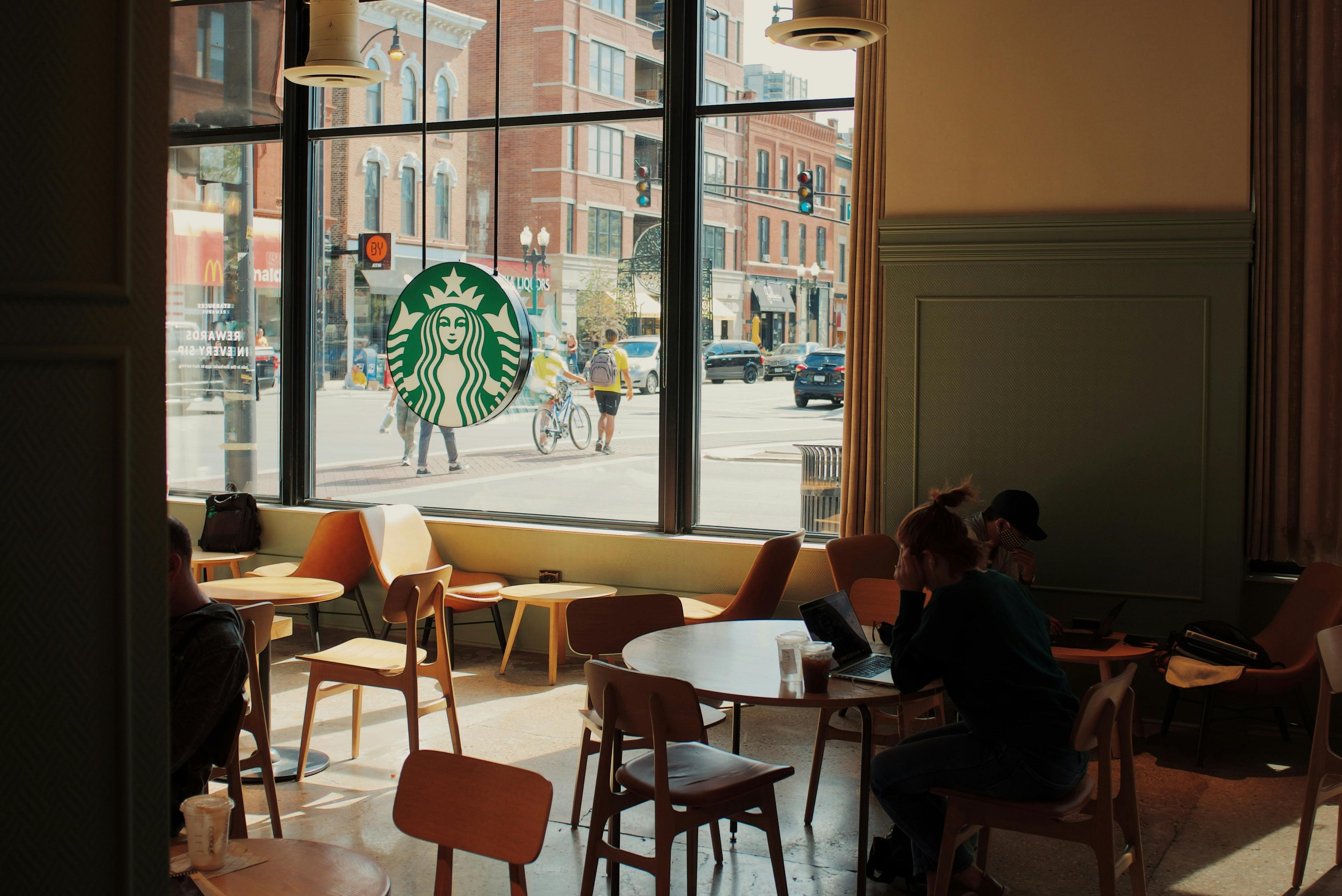
These comments haven't gone unnoticed. Starbucks announced plans in September 2025 to return to its traditional coffeehouse roots. Recognizing the power of nostalgia, some of the changes include ceramic cups for customers choosing to stay awhile, the return of condiment bars, and a warmer, slightly more colorful store design. Rather than recreating the past, it have chosen to preserve the cultural memory by incorporating nostalgic elements.
This approach demonstrates how nostalgia marketing can build an emotional connection without requiring a brand to completely revert to an older identity. As Starbucks continues to implement these changes, it will be interesting to see how customers respond and whether the brand can revive some of the warmth and personality that many people associate with its earlier stores. By revisiting cultural touchpoints from its own brand history, Starbucks can remind longtime customers of what they once enjoyed while creating an experience that feels current.
However, Starbucks is not the only example of consumers looking to the past for inspiration. The same desire for warmth, personality, and familiarity is also showing up across social media. 
The Internet is Already Romanticizing 2016
This year marks a decade since 2016, and for many members of Gen Z, the year has become a source of shared cultural memories. Flower crowns, skinny jeans, warm filters, Sharpie brows, and slightly cringey selfies are all making their way back into conversations online.
2016 is often remembered as a more carefree period of social media. Content felt less polished, and social trends of the time embraced heavy makeup and posting unedited photos because it was seen as being authentic. As people began to lean into minimalism and neutral tones, the desire for clean, picture-perfect, well-curated posts emerged. However, that level of curation may explain why less polished styles are becoming popular again.
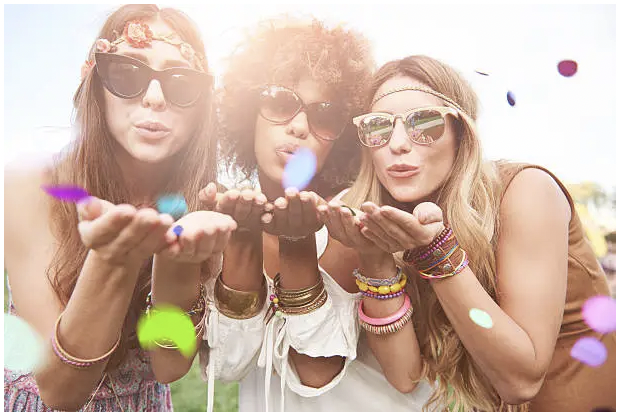
During this year's sorority recruitment season, many sororities have been posting TikToks to help build awareness. A lot of these videos have featured warm filters, choker necklaces, cutoff jean shorts, and funky sunglasses. Rather than simply remembering past trends, these videos recreate the look and feeling of the era for a new moment.
The romanticizing of 2016 suggests this is more than simply reflecting on past trends. It is becoming something people actively want to recreate and relive. For brands, that creates an opportunity to reach their target audiences through nostalgia marketing, using warmer visuals, playful styling, and less polished content. These familiar cultural touchpoints can act as nostalgic triggers for people who associate them with positive memories.
The return of 2016 inspired trends shows that nostalgia can do more than bring back an old aesthetic. It can recreate feelings and shared memories people associate with a certain time.
Why Nostalgia Marketing Works
Memories evoke emotion, and people typically remember the past more positively as details fade, only leaving behind the feelings tied to a memory.
This may be why trends from the early 2000s and 2010s are resurfacing. People are chasing the positive feelings connected to the memories they have of this time. Warm filters, old logos, vintage packaging, and retro designs can remind people of a time they remember as simpler and more fun.
For brands, nostalgia marketing allows them to create an emotional connection, taking consumers down memory lane without completely returning to the past. They create new experiences while drawing on positive feelings from the past and creating a sense of familiarity. When nostalgia marketing works, that emotional connection can also help strengthen brand affinity and brand loyalty.
Consumers aren't necessarily asking brands to take everything back to the way it was. They simply crave the nostalgic elements they hold dear, things that give the brand personality and bring back feelings associated with nostalgic memories.
What Nostalgia Marketing Could Look Like in 2027
With 2026 coming to a close, how can brands pivot in 2027 to meet this desire among consumers?
For starters, marketing could become a lot less polished and more playful. Brands may begin incorporating brighter color palettes, retro-inspired packaging, warm filters, and playful fonts that feel familiar to the early 2000s and mid-2010s.
This does not mean every brand will suddenly recreate a 2016 Instagram feed or resurrect an old logo. Instead, they may borrow bits and pieces from past trends and reinvent them for a more modern look. Social media content could feel less curated, while store designs may become warmer and more inviting.
The shift could also be a great opportunity for brands to experiment. After years of chasing a clean and neutral design, consumers might be open to marketing that feels more expressive and fun. Nostalgia marketing could give brands room to bring back familiar ideas without losing their current identity.
Ultimately, successful nostalgia marketing will require brands to pay attention to what people actually miss about earlier years. Consumers may not be asking for a copy-paste return of the past. However, brands that accurately identify the elements their audience is looking for can foster stronger emotional connections with consumers in 2027.
🪽 Written by Kennedy Ross
join 50k marketing girlies
Private Marketing Girly LinkedIn Group
A private community where young women in marketing network, collaborate, and support each other.