
Music Sync Licensing: Love Story's Viral 90s Soundtrack
Oct 06, 2026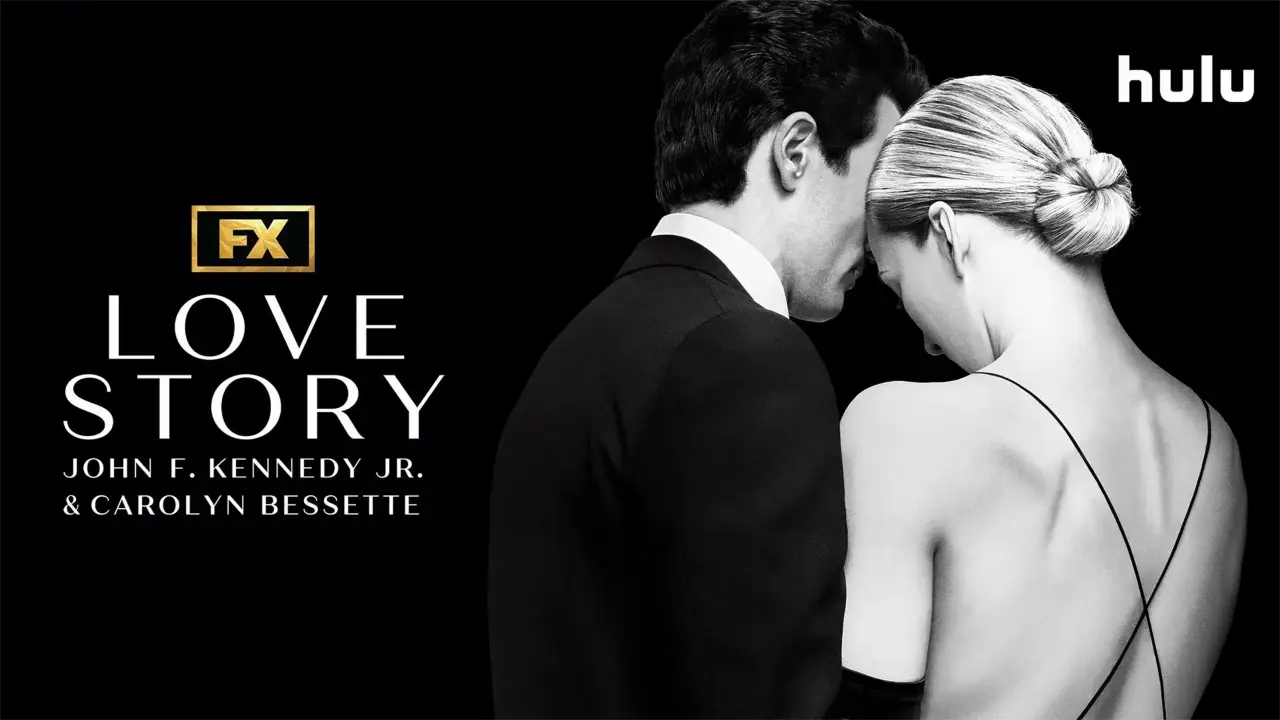
Do you ever wonder how a song released 20, 30, or even 40 years ago can suddenly become popular again?
That's exactly what happened with the soundtrack of FX's Love Story: John F. Kennedy Jr. & Carolyn Bessette.
Songs by Mazzy Star, The Cranberries, Sixpence None the Richer, and Jeff Buckley reappeared on streaming charts decades after they were first released. You were probably one of the millions who added them straight to your playlist without even thinking twice.
This isn't luck. It's a real industry strategy called music sync licensing, and once you know how it works, you'll never watch a TV show the same way again.
Music Sync Licensing: The Industry Secret Behind That Perfect Scene
Here's the deal: music sync licensing gives someone permission to pair a song with visual media, like a TV show, movie, commercial, trailer, or video game.
Using existing music in visual media usually requires two licenses: a synchronization license, which covers the song's composition, and a master use license, which covers that specific recording.
Both rights get negotiated separately, and both have to be cleared before even a single note can play on screen.
So who's actually making these calls? That would be a music supervisor, the person who picks the music for a show or film and often handles the licensing themselves too.
For Love Story, that person was Jen Malone. Her choices are basically the reason you can't stop thinking about this soundtrack.
How Love Story Used Music Sync Licensing to Make You Feel Something
Jen Malone was the music supervisor for Love Story, and she's got the receipts to prove music sync licensing isn't always easy.
In an interview with TVLine, she talked about clearing Pulp's "Common People," a song Pulp initially said no to.
According to an Instagram post from the show, the team didn't just take the rejection and move on. Malone actually wrote Jarvis Cocker a personal letter to make her case.
That's how much this song mattered. "Common People" wasn't just background noise in a scene. It was written directly into the script, with John and Carolyn singing and dancing to it on screen.
Because the actors needed the actual track while filming, Malone had to get the license locked in before they even shot the scene. No pressure, right?
Why Every Song in Love Story Hits So Hard
Here's what separates good music sync licensing from great music sync licensing: it's not just about grabbing a famous song and calling it a day.
Music supervision is about choosing and licensing existing songs that fit a show's tone, serve the scene, and is actually going to land with viewers.
Malone said every single track on Love Story was chosen based on what the specific scene needed. Nothing was random.
The soundtrack mixes major '90s radio hits from Madonna, Goo Goo Dolls, and The Cranberries with deeper alt cuts from Jeff Buckley, Mazzy Star, and Portishead.
And it's not always literal, either.
The Radiohead Moment That Wasn't Really There
For Radiohead's "(Nice Dream)" in the wedding episode, Malone explained the song wasn't meant to be playing at the actual ceremony.
It worked more like a score instead, adding emotional weight without anyone in the scene supposedly hearing it. That's the real skill behind music sync licensing. The song has to serve the moment, not just sound good.

The Receipts: How Love Story's Soundtrack Took Over the Charts
The strategy worked, and the numbers prove it.
Seven of the top 10 songs on Billboard's February Top TV Song Chart came from Love Story, including the entire top four:
"Fade Into You" - Mazzy Star
This one took the No. 1 spot.
It also pulled 18.6 million official U.S. streams in February 2026 alone, which is a huge number for a song that's been out since 1993.
"Linger" - The Cranberries
Landing at No. 2, this song from the early '90s got an entirely new life on streaming charts almost 30 years after its release.
"Kiss Me" - Sixpence None the Richer
Coming in at No. 3, this hit from the late '90s proves the soundtrack wasn't limited to deeper alternative cuts. Familiar radio hits got the same treatment.
"Lover, You Should've Come Over" - Jeff Buckley
To round out the top four, this song shows the range of the soundtrack, proving that not every placement needs to be upbeat to go viral.
Numbers like that show exactly what music sync licensing can actually do: the license gets the song on screen, and the placement does the rest, turning a song from decades ago back into something you can't stop replaying.
Berklee's coverage of music licensing backs this up too. They note that placements can spike streams and put songs in front of listeners who have never even heard them before.
So...How Much Does Music Sync Licensing Actually Cost?
There's no fixed rate here. Sync and master use licenses are negotiated case by case, and the price depends on a number of factors:
-
Who owns the rights
-
How well known the song is
-
Where the project will appear
-
How long the song will be used
-
How prominent the placement is
-
How difficult the clearance is
-
How big the production is
That's why a small brand's Instagram ad and a hit FX drama can pay wildly different amounts for what is technically the same type of license.
The Second Life: Old Songs Music Sync Licensing Brought Back From the Dead
Love Story isn't the only case of placement giving an old song a comeback. This actually happens way more than you might notice.
Kate Bush, "Running Up That Hill"
This 1985 song originally peaked at No. 30 on the Billboard Hot 100. After being played in Stranger Things Season 4, it became Kate Bush's first U.S. Top 10 hit ever, almost 40 years after its release, and it kept climbing way past its original peak.
Orville Peck's "Dead of Night" tells a similar story. It saw an 812% increase in streams after appearing in Euphoria Season 2.
Sophie Ellis-Bextor, "Murder on the Dancefloor"
Released in 2001, this song went viral on TikTok immediately after Saltburn came out in 2023.
It landed back on the UK charts and hit the Billboard Hot 100 for the very first time.
The Cramps, "Goo Goo Muck"
This song came out in 1981.
After the Wednesday dance scene went viral, U.S. listeners streamed it more than 2 million times in just two weeks.
What Music Sync Licensing Means for the Marketers Behind the Scenes
Here's the bigger takeaway: an old song can suddenly become a new marketing asset the second it lands in the right cultural moment.
Record labels and publishers have been expanding their licensing departments because of exactly this. Placements create value in three ways:
-
Discovery: a younger viewer hears an older song for the first time
-
Nostalgia: an older viewer already has a personal connection to the song
-
Cultural Spillover: a TV moment turns into TikTok trends, Spotify streams, and everyone's group chat
That third one is exactly what happened around Love Story.
Placement is a seriously underrated growth channel, too. It works completely differently from paid ads or influencer marketing. A sync placement puts music inside content people already chose to watch.
Music also carries emotion, and that's the whole point. A familiar song already comes with memories attached to it.
Jen Malone said it herself: people were reaching out to share memories of the first time they heard certain songs, and younger generations were discovering them for the very first time.
That is what makes this kind of marketing hit so different. One placement, two completely different audiences, both equally obsessed.
Old catalog music can create brand new value, too. A label or artist doesn't need a new song to get new attention.
An existing track can become culturally relevant all over again and introduce older artists to a whole new generation with the right placement.

Frequently Asked Questions About Music Sync Licensing
Does the artist personally have to approve a sync license?
Usually, yes. A label or publisher can send a quote, but it typically comes back marked "subject to approval." This means the artist, their manager, or their legal rep still has the final say.
That is exactly why Pulp's initial "no" on "Common People" actually mattered, and why it took a personal letter to change their mind.
What is a "needle drop"?
It's industry slang for the exact moment an existing song starts playing in a show, film, or video (as opposed to an original song written for the scene). The term comes from literally dropping a needle onto a spinning vinyl record.
Every single Love Story placement is considered a needle drop.
How long does it typically take to clear a sync license?
It takes longer than most people would expect. It is suggested to budget at least a week for a response, but it usually takes longer, since artists may be touring, recording, or simply slow to reply.
For a scene that's actually being filmed around the song, like Love Story with "Common People," that timeline gets a lot more stressful.
What happens if a show uses a song without clearing the license first?
It gets messy. Fast. Using music without a license can count as copyright infringement, and even a properly licensed song can become a problem later on if the license expires.
That's part of why some older shows quietly lose their original music on streaming and get rescored with an entirely different song.
Is music sync licensing only for old catalog songs?
No, not at all. Plenty of new and independent artists actively try to get sync placements. This is partially because they are usually faster and cheaper to clear than a major label track, and partly because music supervisors genuinely like discovering new music.
Love Story specifically leaned into '90s nostalgia, but that was a creative choice, not a rule.
What's the difference between sync licensing and "production" or "library" music?
Production (or library) music is written specifically to be licensed. It is cleared in advance, fast, and comes from a catalog built for this exact purpose. A commercial sync placement, like the ones on Love Story, is a single negotiation for a specific released song. This is slower and pricier, but it comes with the recognition and nostalgia that a library track can't offer.
So, Was It Really Luck?
At the end of the day, Love Story's soundtrack didn't go viral by accident. It went viral because the right songs were carefully cleared and placed in exactly the right moments. That is the whole idea behind music sync licensing.
It is a small move with a big effect. Songs don't have to disappear once their original release cycle ends. For TV and film, music helps tell the story, and for artists and labels, music sync licensing can turn a song from decades ago into a chart hit.
So the next time a song stops you while you are scrolling, or gets stuck in your head after an episode, don't just Shazam it and move on. Look up how it got there. It's never as random as it feels.
🪽 Written by Dylan Connone
join 50k marketing girlies
Private Marketing Girly LinkedIn Group
A private community where young women in marketing network, collaborate, and support each other.