
Influencer Marketing Future: Why "Authentic" Looks the Same
Oct 07, 2026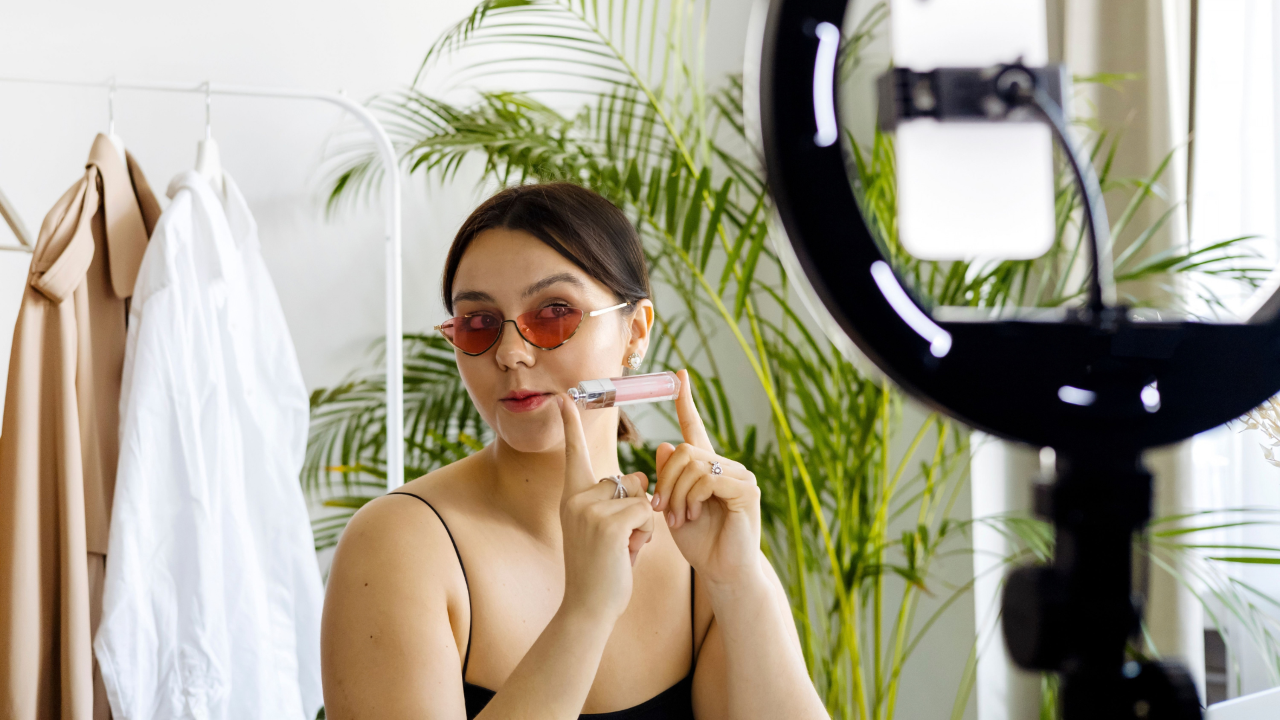
Think of all of the GRWMs, "day in my life," skincare routine, travel, Pilates, and wellness posts you see on social media.
The influencer marketing future is likely less about creators being completely original and more about creators making authentic, relatable content that fits the formulas algorithms and brands keep rewarding. At first glance, this content feels relatable. These creators seem like friends sharing a small part of their everyday lives, especially inside niche communities where specificity and personal connection matter more than polished celebrity appeal.
For women early in their marketing careers, that shift is worth paying attention to. To understand digital marketing trends and develop effective skills, examine influencer marketing. It highlights how authenticity, brand trust, and audience behavior come together online. The same products and styles appear across many creators. This repetition shows what platforms favor and what brands choose to invest in.
What used to be "normal daily activities" now need to match a perfect aesthetic that many people share. There seems to be this certain formula that is being blindly followed. That is what makes the influencer marketing future so important to study: it shapes how brands choose partners, how micro influencers grow, and how creators keep content personal while still adapting to trends.
Influencer culture isn't becoming less authentic. The internet might have defined authenticity in a new way, and this article looks at how that shift happened, how social media algorithms influence it, and what it means for creators and marketers trying to connect with real people.
What "Authentic" Really Looks Like
Social media has seemed to have blended together relatable and aspirational content creation. Over the years, the perfectly curated, high-end videos have shifted toward more relatable content.
Aspirational content such as luxury travel, showcasing the perfect home, and expensive wellness routines has become too unrealistic to the average person. That formula is no longer working. Instead, viewers are drawn to content that feels more like their own lives.
This is where influencer marketing has started to take a more authentic approach. Social media users want real. They want to see themselves in other people. They want to be able to say, "Wait, I do that too."
But there's a catch. When millions of people seek relatable content, creators often use similar ideas, formats, and styles. This helps viewers connect better.
Blame the Algorithm
Influencers aren't necessarily (in some cases) copying each other because they lack creativity. They're responding to what gets rewarded. Creators notice what works for others, and this leads to a continuous cycle.
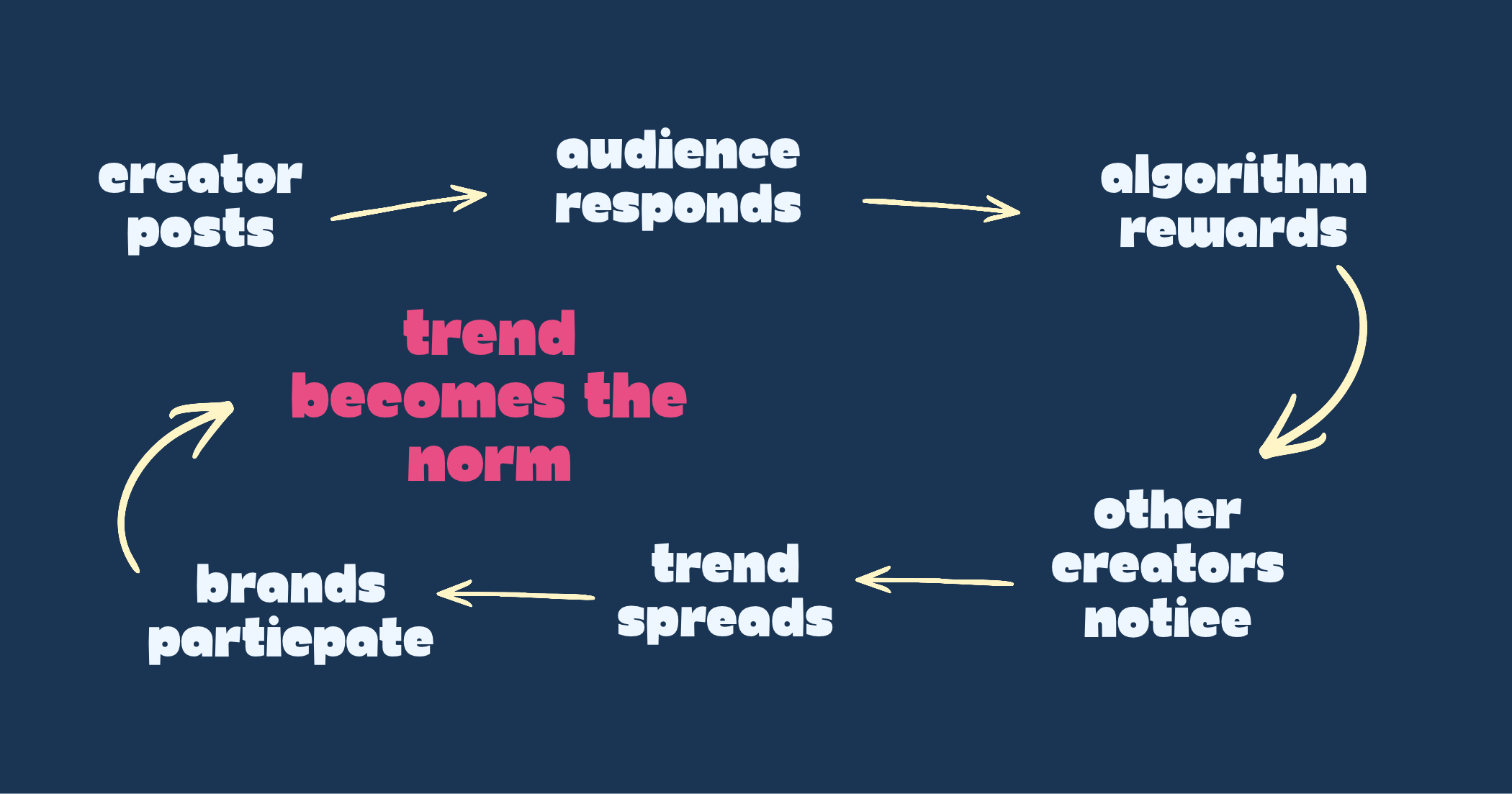
Sometimes, this goes beyond simply taking inspiration from another creator. Content creation is huge now, leading to many cases of "content plagiarism." You might notice the same font, color, wording, cuts, and overall setup.
Copying someone else's work closely is not the same as just following a trend. However, it highlights how easily successful content can be replicated. Creators track likes, comments, views, saves, and reposts, but brands are moving past vanity metrics and paying closer attention to performance tracking. This gives them a reason to reuse successful formats.
Over time, feeds can fill up with familiar content. This happens even if it comes from different creators. One creator finds a formula that works, another tries it, and soon, it's everywhere.
Brands Want Real, Too
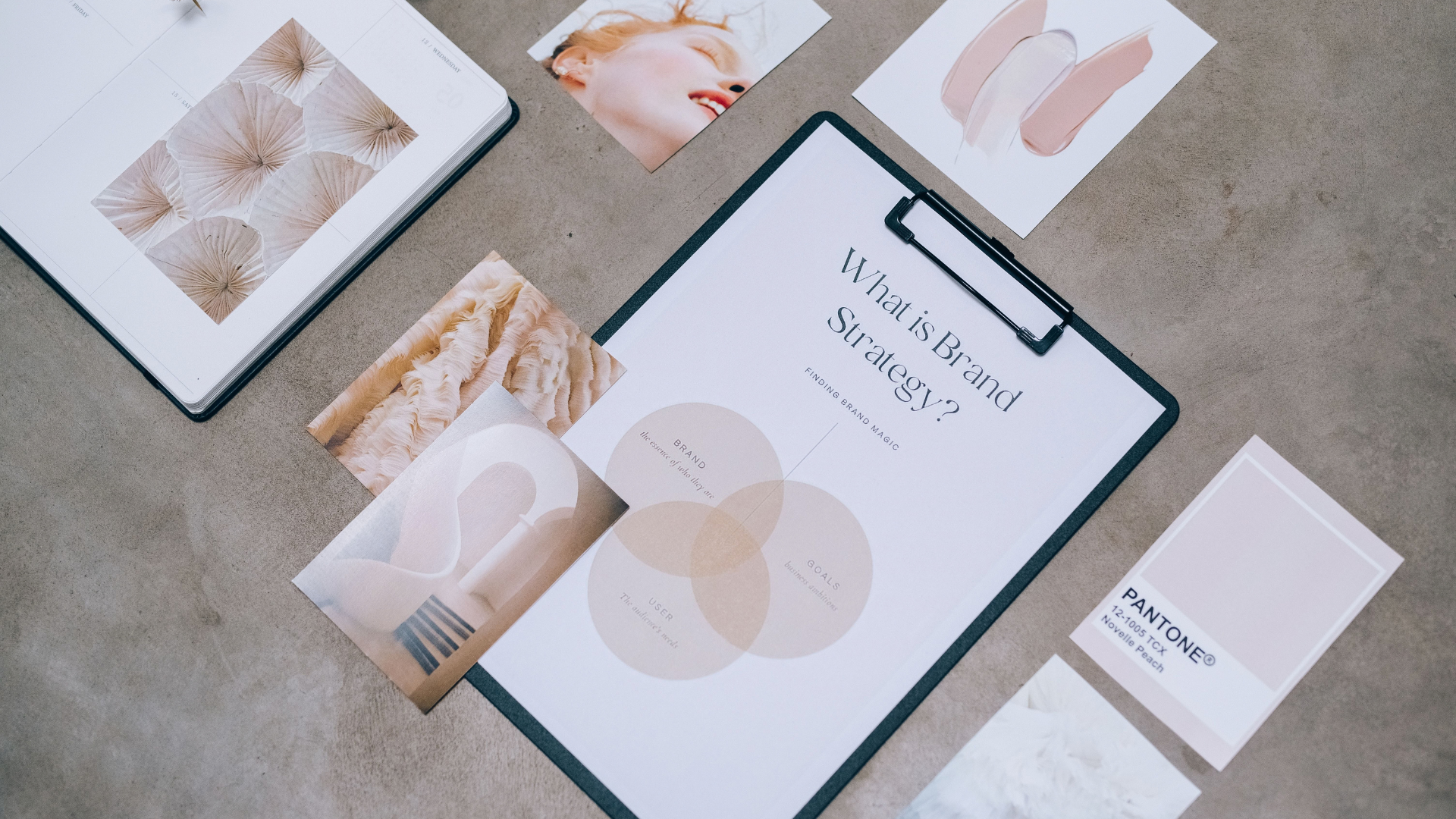
Brands also play a role in this cycle. Many companies want to work with creators who already know how to make content that feels natural and relatable. They want creators who can reach the right audience, build trust, and drive growth and engagement.
At the same time, however, brands have goals. Sponsored content still needs to promote a product, follow brand guidelines, brand goals, and ultimately, help make a sale.
This creates an interesting challenge for creators. How can a video feel genuine when it is also part of a paid partnership?
"Here is my everyday morning routine, that also includes sponsorships, product placements, affiliate links, and required talking points!"
This doesn't mean influencer content or influencer marketing is fake. It just means influencer marketing is strategic, which shows how complicated "authenticity" has become. Creators are trying to stay true to their own style while also creating content that works for both brands and algorithms.
So what happens when being "relatable" becomes something brands actively look for?
The Rise of the "Relatable" Influencer
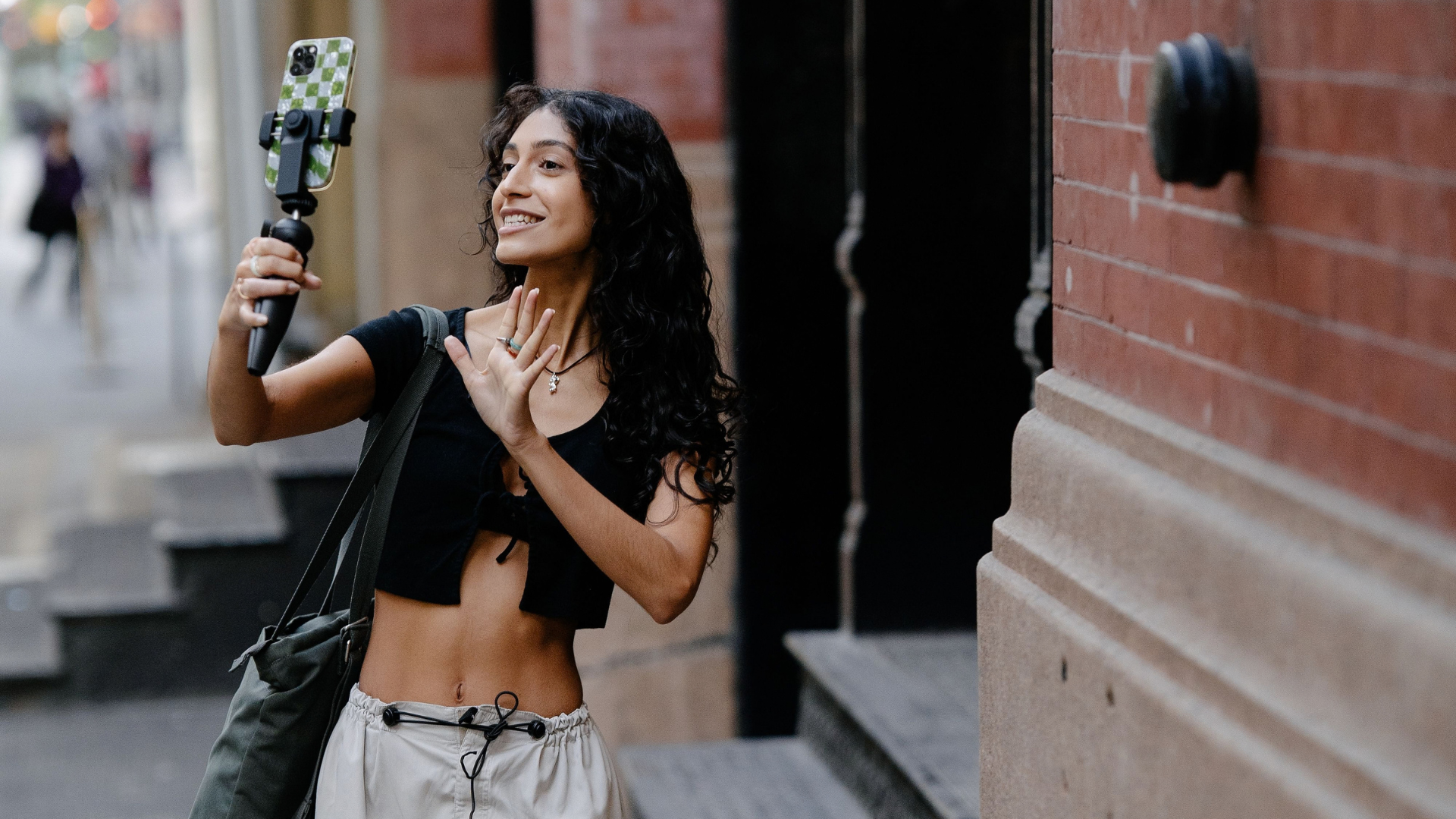
Micro influencers and niche creators and creator partnerships have become a big part of the influencer marketing future. Why do many Gen Z consumers connect with creators who feel like friends, even when they have large followings, instead of celebrities?
There are three reasons:
They feel trustworthy. Smaller creators often come across as trusted creators, and trust can matter more than size alone. There's less distance between the creator and the audience.
They have specific communities. Niche creators aren't trying to appeal to everyone. A person focused on travel, beauty, or thrifting may have a smaller audience. But that audience shares a common interest, and niche communities matter more than follower counts in influencer marketing.
Their recommendations feel personal. If someone has followed a creator for months and watches their everyday content, a product recommendation can feel more like a friend's suggestion rather than an advertisement, and micro-influencers often drive better conversion rates than larger influencers.
Brands are shifting to long term creator partnerships with creators, like micro influencers. They no longer rely on one off campaigns, and instead build long term relationships that drive measurable sales and accountability. When a brand partners with creators, it feels more natural to their audience. Micro-creators can deliver higher engagement rates, lower customer acquisition costs, and better ROI than larger influencer partnerships.
Relatability itself has become aspirational. Someone can become famous for seeming ordinary.
Being relatable helps creators grow their audiences, as well as reach new audiences too. Brands want to reach these audiences, too. So, being relatable is more than just a personality trait now. It's part of the marketing strategy.
The more valuable relatability becomes, the more likely creators are to follow the content styles that audiences and brands respond to. GRWMs, casual vlogs, product recommendations, and "day in my life" videos can start to feel less like individual choices and more like a formula.
When creators, brands, and algorithms all reward the same formula, it's harder to stand out.
The Future of Influencer Marketing Strategy, and Final Thoughts
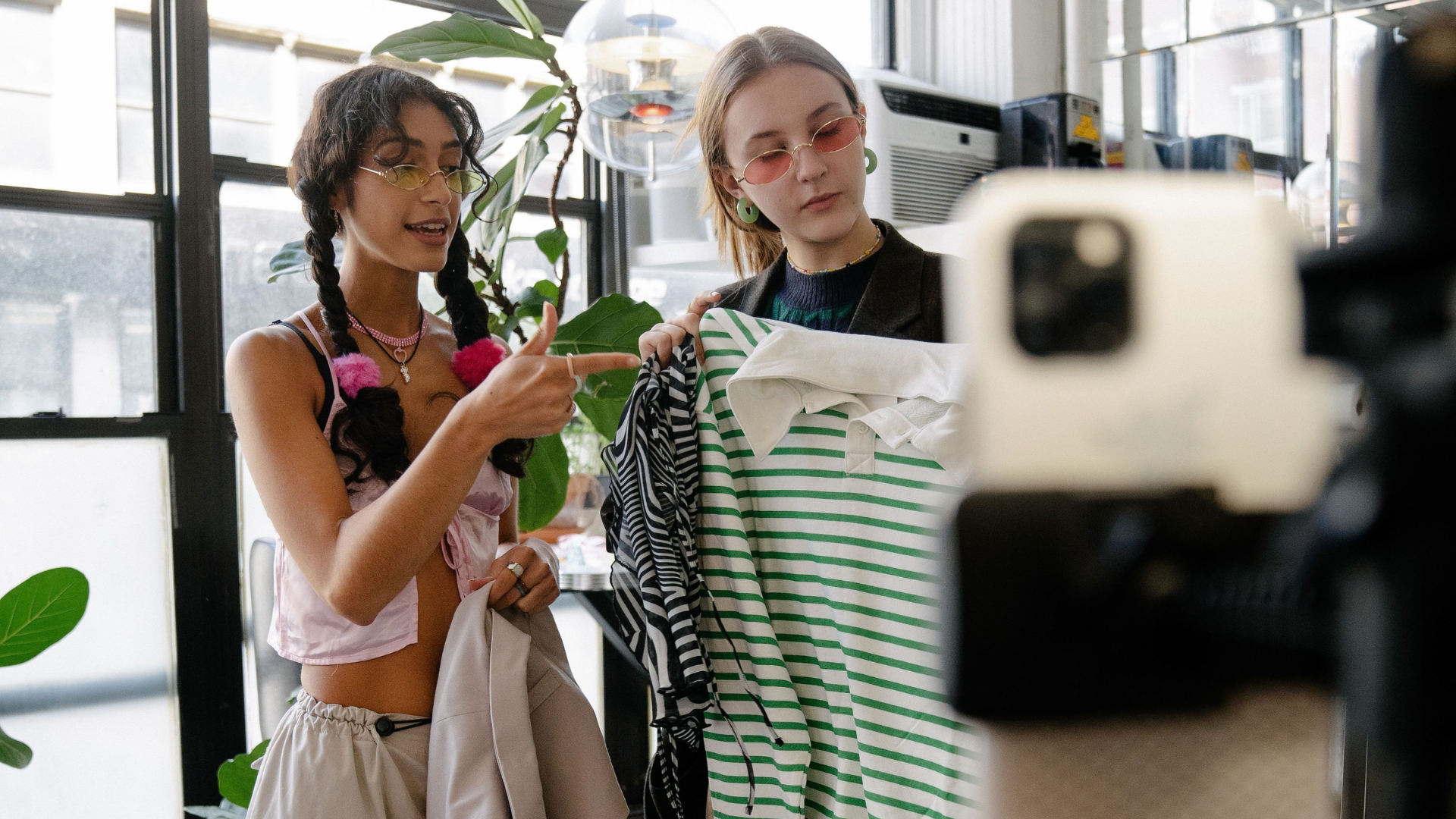
If everyone is being rewarded for looking relatable in the same ways, especially with so many emerging trends, originality can be harder to find.
Maybe the future isn't about finding a new type of influencer. Creators might need to be more specific, personal, and connected. This focus can help them engage better with their niche communities and niche audiences.
Audiences want content that feels authentic and relatable.
Algorithms reward content creation that gets engagement and keeps people watching.
And brands want creators who can make sponsored content feel natural and connect with specific audiences.
When all three of these reward similar things, creators have an incentive to use formats that are already proven to work.
So, no. We aren't all becoming the same influencer. We are learning what works and adapting it to fit our own niches.
The future of influencer marketing may not be about being completely original. It may be about making familiar ideas feel personal. Don't stop using what works. Just don't let what works become the only thing you create.
🪽 Written by Maia Merritt
join 50k marketing girlies
Private Marketing Girly LinkedIn Group
A private community where young women in marketing network, collaborate, and support each other.