
How To Make Cold Pressed Juice: Fresh Sips That Sell
Oct 06, 2026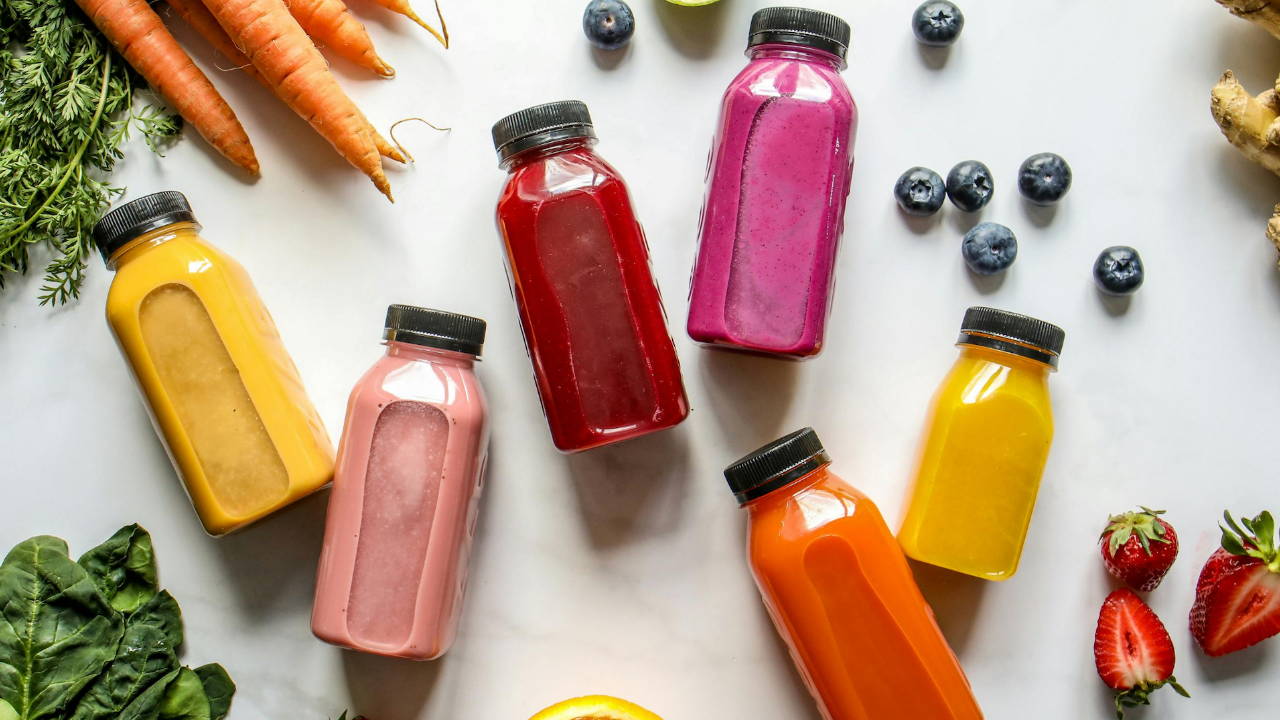
Walk into almost any grocery store today and there it is.
A wall of bright, glass bottles filled with green, red, and orange liquid. Cold-pressed juice has gone from a niche health trend to a multi-billion dollar category. But the brands winning this space are not just juicing fruit. They are juicing a story.
Learning how to make cold-pressed juice offers a starting point. Turning that skill into a business concept adds another layer: marketing. From choosing ingredients to planning social content, every decision can shape a brand with its own personality. From this moment, smart founders turn fresh juice into a business people can't stop buying.
What is Cold-Pressed Juice, and Why Does It Sell?
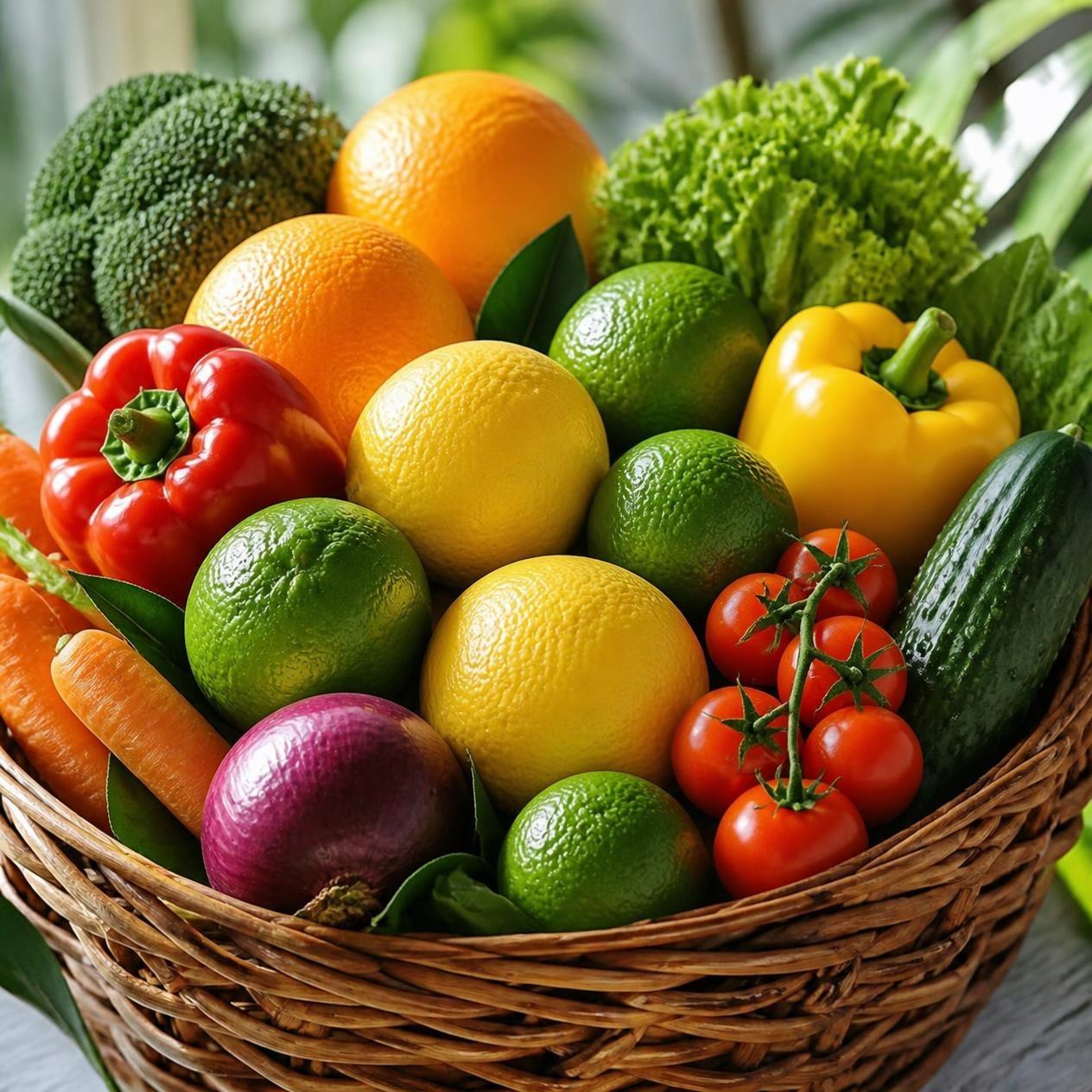
Cold-pressed juice is made using a hydraulic press instead of a spinning blade. According to Wikipedia's breakdown process, a machine first shreds fresh fruits into pulp. Then, a hydraulic press applies heavy pressure to squeeze out every last drop of juice. Some users purchase cold press juicers.
Because the process creates less heat and limits oxygen exposure, cold pressing can help protect the fresh taste, colorful array of ingredients, and dense nutrient profile people look for when choosing juice. It can also preserve enzymes.
For anyone who wants to know how to make a cold pressed juice at home, the possibilities are almost endless. The goal is to combine produce that tastes good together. while delivering nutrients such as Vitamin C, natural sugars, and other minerals. For example, a green juice recipe might blend organic produce such as spinach, kale, apples, lemon, and ginger.
Homemade batches usually stay fresh for about three days, so it's best to enjoy immediately. Commercial brands often use a safety step called high pressure processing (HPP), which one industry explainer describes as "like taking something to the bottom of the ocean." This allows companies to sell fresh-style juice with a longer shelf life.
Shoppers are willing to pay more for that promise. A twelve dollar bottle of essential nutrients is not just a drink. It is a small, convenient act of self-care, and self-care sells.
The Real Product Is the Brand, Not the Bottle
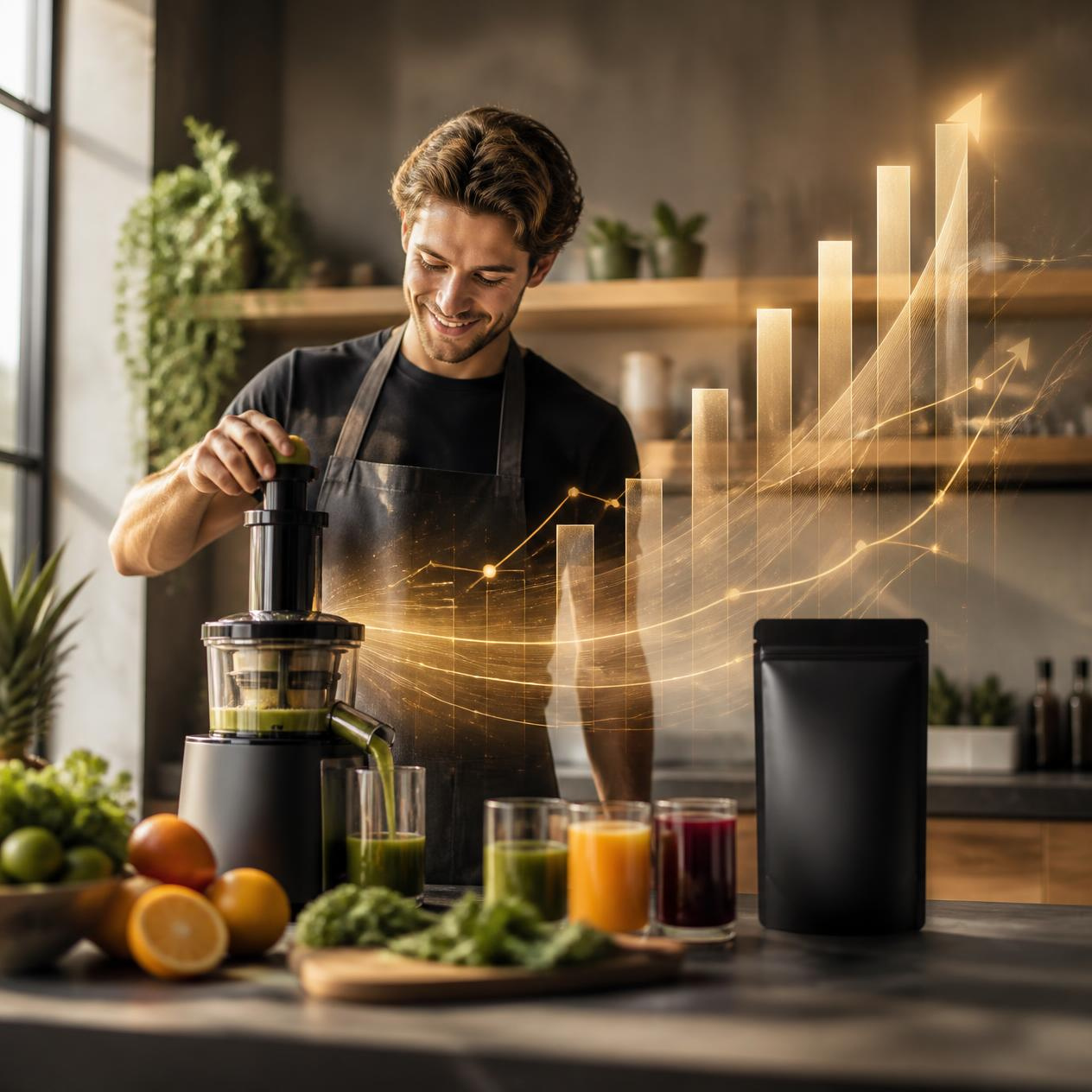
Plenty of people can figure out how to make cold-pressed juice in a home kitchen. There a few that can turn juice into a brand people line up for.
Plenish, by Kara Rosen, was discovered after a nutritionist recommended a plant-based diet that included more nutrients from cold-pressed juices. Using tropical fruits and fresh herbs, Rosen started making delicious juice on maternity leave. She then shared it with other moms at a prenatal yoga class. Today, Plenish sits on shelves at major UK grocery chains, built almost entirely from that first small, personal moment.
BluePrint Cleanse, founded by Erica Huss and Zoe Sakoutis in 2007 built their brand around growing juice-cleanse lifestyle. The pair bootstrapped their juice company. By 2012, Blueprint was generating about $20 million in annual sales.
Hain Celestial later bought it inaugurated deal worth over $26 million dollars. Blueprint took something that felt like a niche wellness habit and packaged it in a way that felt simple and easy to understand.
That is where branding becomes powerful. The juice gets someone to try the product, but the brand gives them a reason to remember it. The lesson for marketers is simple: Nail the recipe first, but win the market with brand storytelling.
Packaging and Voice Are the Marketing Recipe
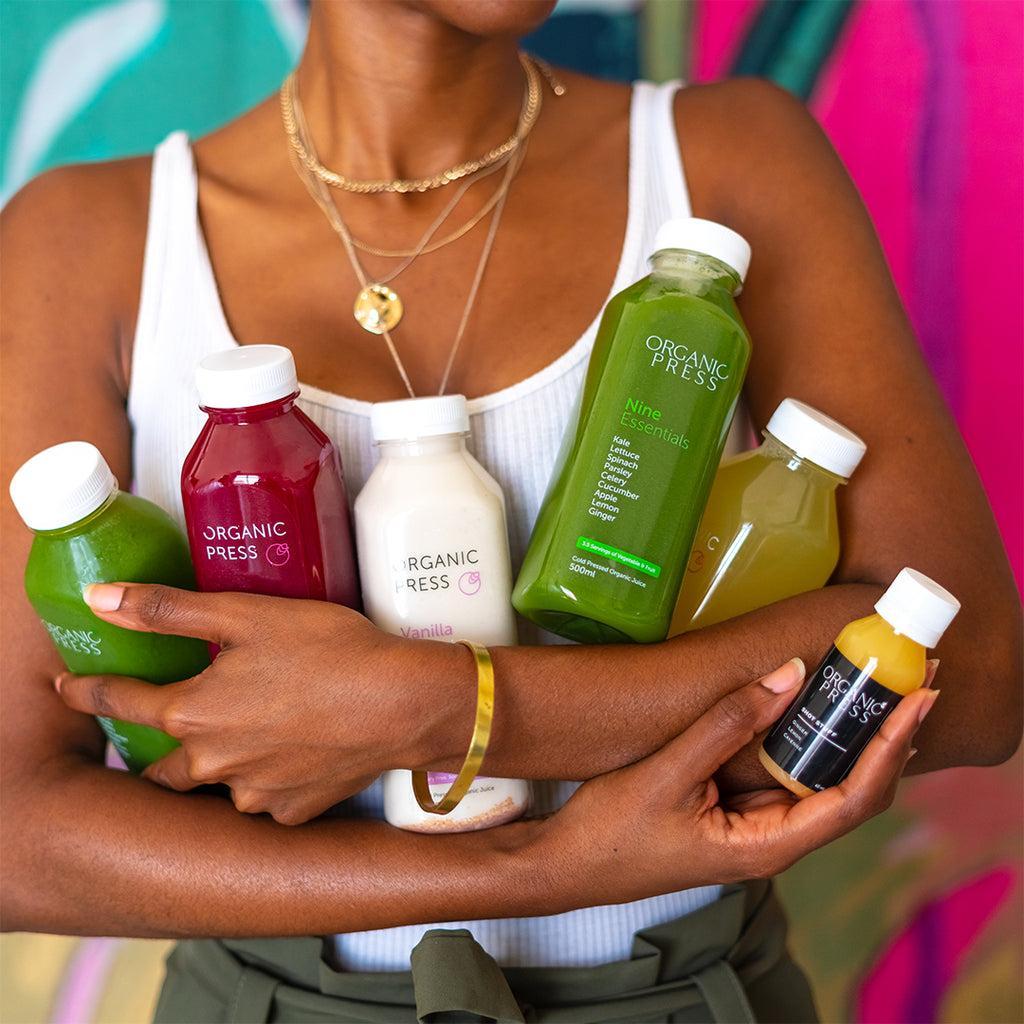
Once a founder knows how to make cold-pressed juice consistently, the next job is packaging the story. Greenhouse Juice Co. built its entire identity around transparency. As co-founder Emma knight put it, "there is not a lot of clutter on the label, there are no additives, there is nothing done to it," letting the ingredients speak for themselves.
A few packaging and voice choices that consistently drive sales:
-
Clear glass bottles that show off vibrant color and peak freshness.
-
Short, honest ingredient lists printed in large, readable type.
-
A consistent color code so customers can grab their usual flavor without reading the label twice.
-
A founder story printed somewhere on the packaging or website.
Good branding does not stop at the bottle. The way employees talk about the product can also shape how customers see its value.
Daily Press Juicery founder, Jessica Tang , faced early pushback on price. She taught her staff how to explain why an $11 juice was worth more than a $3 one, turning every register interaction into a marketing moment. For a juice business, every detail sends a message.
The bottle shape, label, health benefits, raw fruits, required recipe ratings, website, and employee greetings all become apart of the brand. They are packaging a reason to choose their juice over every other bottle in the refrigerator.
Suja Organic: From Coolers to Coca-Cola's Table
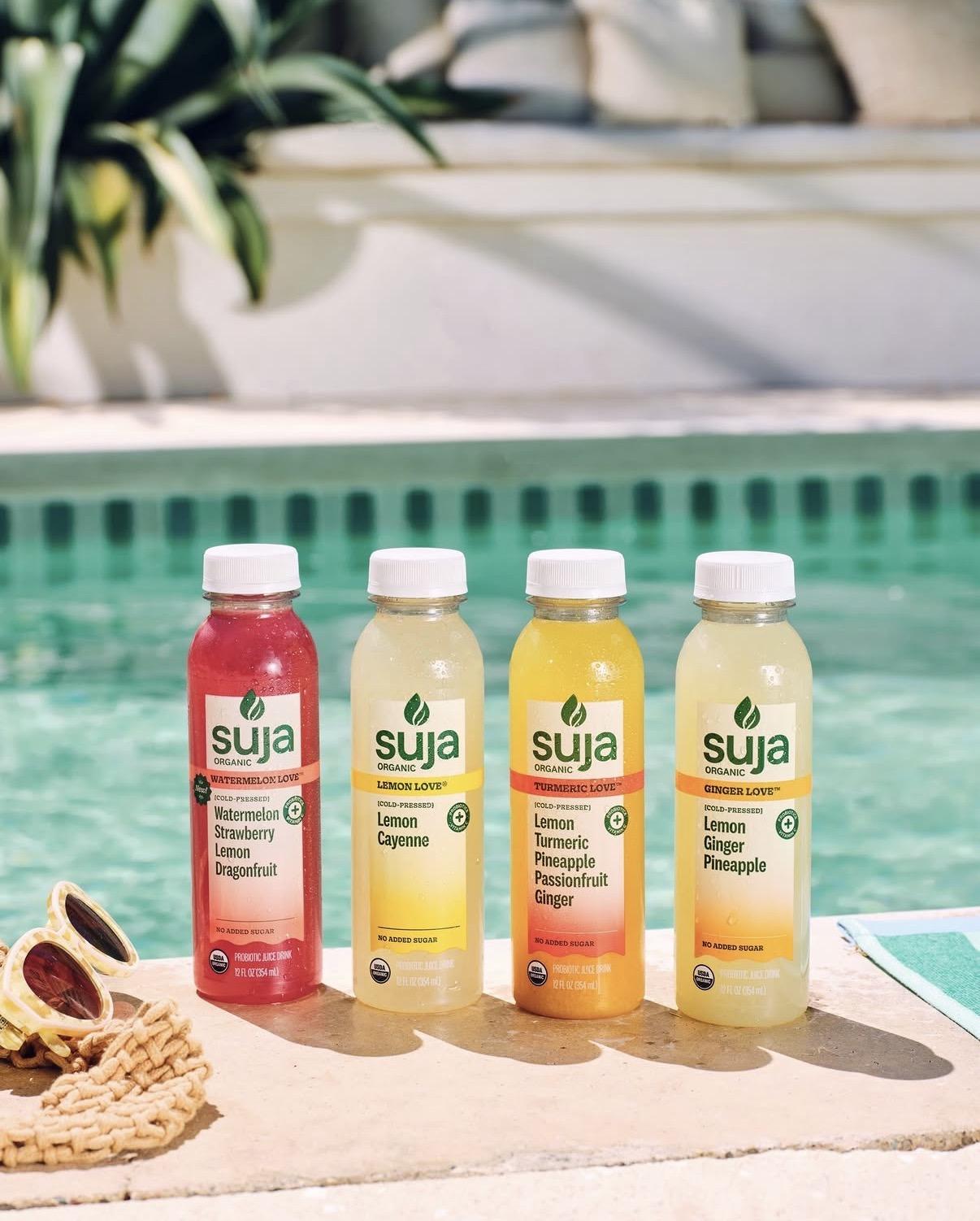
Few brands show the leap from kitchen project to national player better than Suja Organic. Co-founder Annie Lawless had been juicing her whole life before she met Eric Ethans, a raw food chef, at a San Diego yoga studio. The pair started hand delivering coolers of juice to local customers with no company name and no real business plan.
Everything changed when restaurateur James Brennan tried their juice. He introduced them to Jeff Church, a Harvard Business School graduate. Church brought in high pressure processing (HPP), the same technology explained earlier. It helped the extracted juice stay fresh for weeks instead of just a few days. That single shift is what let a home kitchen recipe move onto a real grocery shelf.
Suja Organic also built trust early by printing every single ingredient right on the bottle. James Brennan believes that transparency felt unusual to shoppers at first but built lasting loyalty over time.
The brand grew fast enough to catch Coca-Cola's attention. Coca-Cola bought a minority stake in Suja in 2015. A private equity firm bought Suja in 2021. This growth shows how a strong recipe can turn a car trunk full of coolers into a deal with one of the biggest beverage companies in the world.
Turn a Kitchen Idea Into a Career
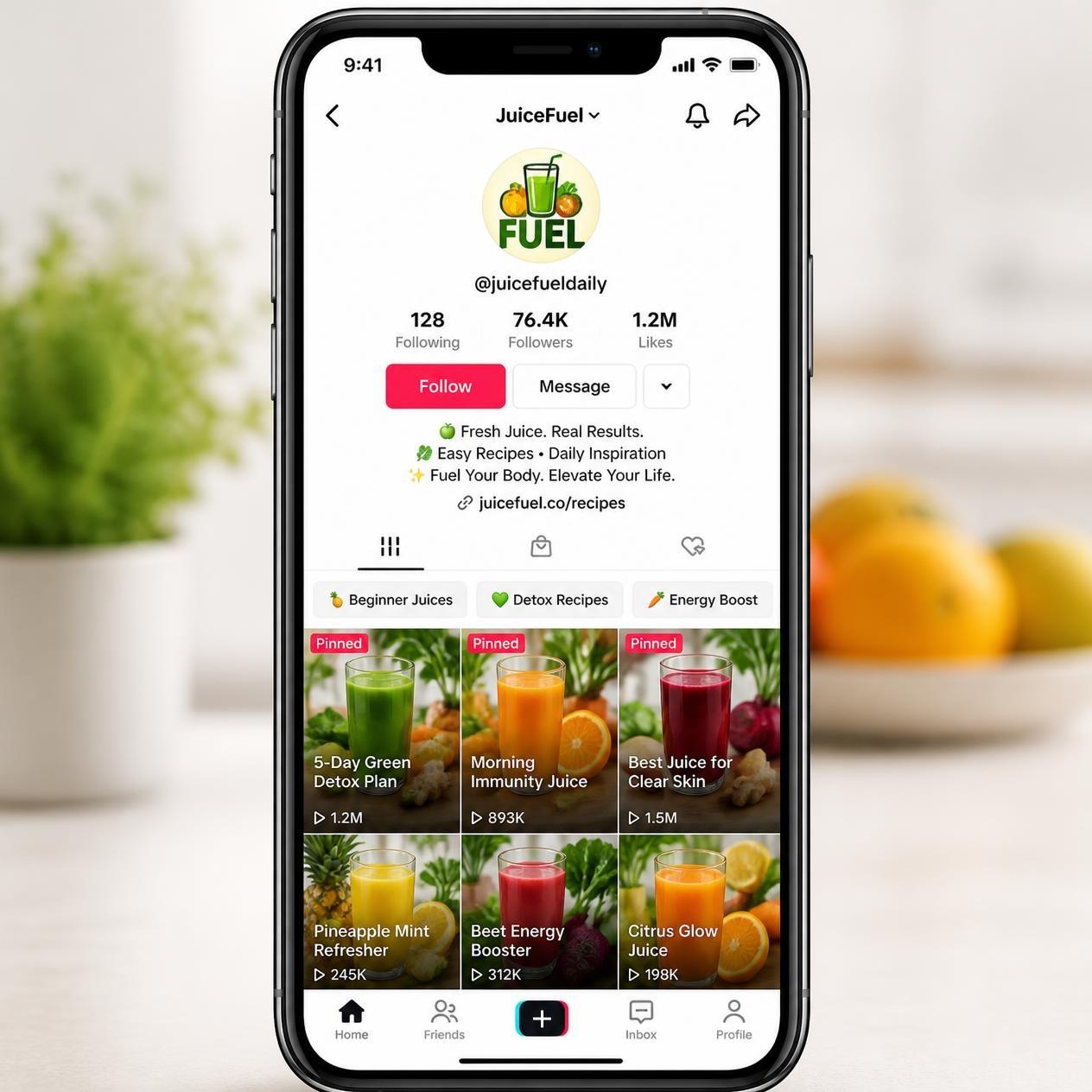
Social media has helped the juice industry grow fast. Over the past few years, Tiktok users have posted videos about how to make cold fresh-pressed juice into popular online content. NBC News even covered juicing as one of Tiktok's major health trends. One video showing a juicer in action, listing cold pressed juice recipes, or even showing whole fruits can get millions of views
That attention created a real job. Creators now build entire pages around how to make their own juice, and brands pay them well to do it. One juicing creator listed on Collabstr lists a starting price of about $2,000 for one TikTok video. Pricing is separate for unboxing and tutorial content. Juice brands also run influencer campaigns, sending free bottles to creators in exchange for a review and a tagged post.
Studying cold-pressed juice marketing teaches more than just how to sell fruits and vegetables. It shows the product, proves its value, and helps sells the lifestyle behind it.
If you have an idea for a juice brand, start testing it. Try a new flavor, create a name, and find a fresh way to stand out by making fresh cold pressed juice. Every strong brand starts with one idea.
🪽 Written by Kaleah Phelps
join 50k marketing girlies
Private Marketing Girly LinkedIn Group
A private community where young women in marketing network, collaborate, and support each other.