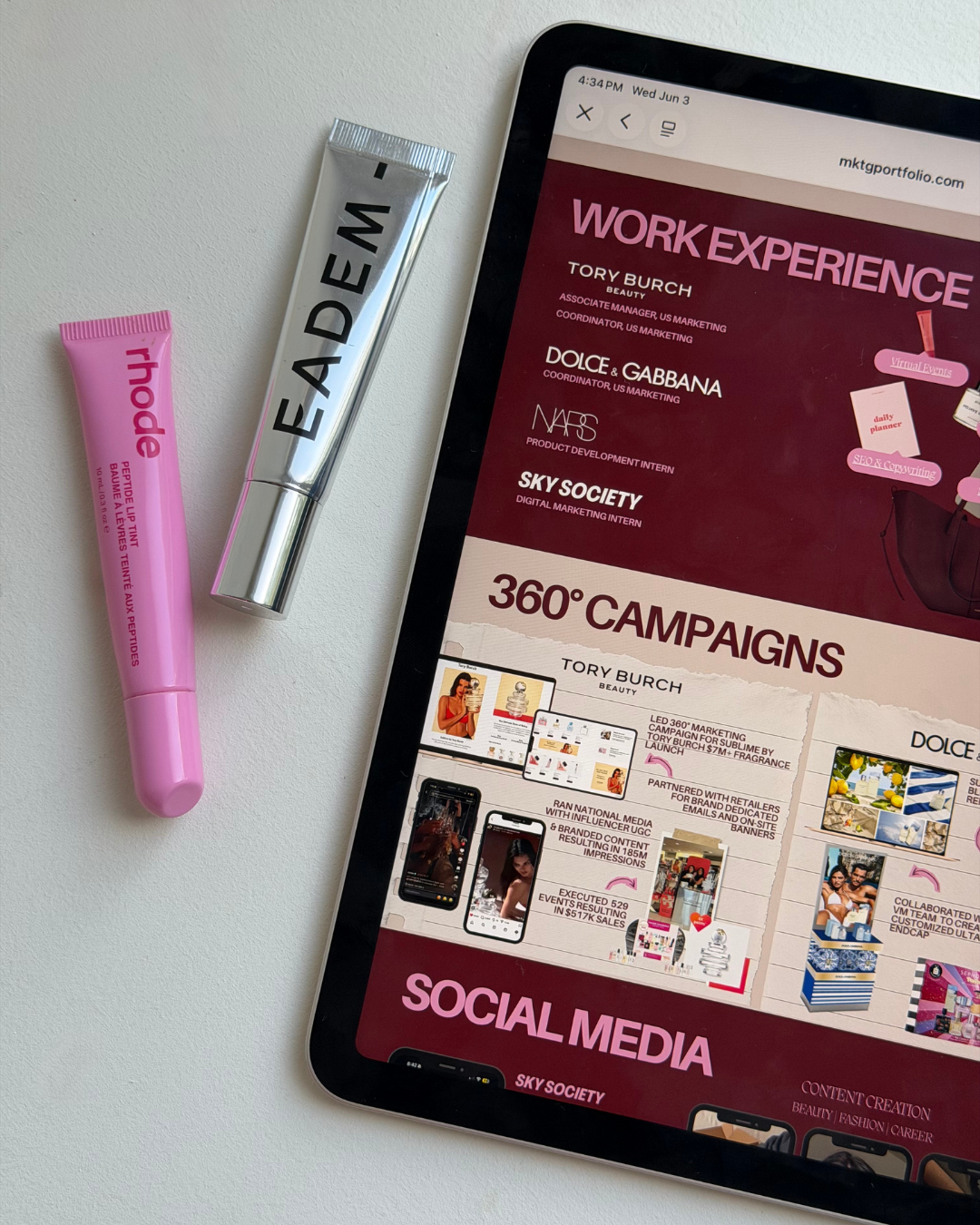

How To Benefit From Experiential Marketing and What It Is
Oct 06, 2026
Before diving into this blog, readers will learn more on what experiential marketing benefits are, what it is, and different examples of this of marketing strategy.
This guide provides a clearer picture of what an effective experiential marketing campaign looks like and the advantages it brings.
What is Experiential marketing?
Experiential marketing is strategy that allows people to participate in hands-on or virtual experiences.
Hands-on experiences: Brands host real-life events where consumers can test their products or services in-person.
Virtual experiences: Brands host online experiences that people can join from anywhere in the world. This helps companies connect with a global audience on a personal level.
This strategy creates a two-way street. Instead of looking at an ad, people interact directly with a brand's products, services, or story. This hands-on approach makes the experience much more memorable.
Today's best campaigns focus on a few key principles to succeed. These principles make events feel more genuine rather than traditional advertisements.
Experiential marketing is different from traditional marketing because consumers choose to participate. People can easily tune out a TV commercial or a pop-up ad. With experiential marketing, they actively participate.
Experiential marketing benefits brands by creating strong emotional connections, building customer loyalty, and leaving a long lasting impression.
3 Different Types of Experiential Marketing

1. Pop-up shops and events
Pop-up shops & events are retail locations that are open for a short amount of time. They give brands a chance to early-access items or limited-edition products . This draws people in for an exclusive opportunity.
This type of experiential marketing works well for online brands that want to test products in real-life. It also helps established brands launch limited-editions items or special discounts.
Overall, pop-ups give potential customers a fun way to experience a brand while boosting general awareness.
2. Brand Activations
Brand activations create interactive experiences that boosts brand awareness and encourage people to take action.
These events let brands set up experiences inside festivals, sports events, concerts, conferences, etc. A well-placed set up can put them in front of thousands of people in a single day.
One major benefit is reaching an audience that is already gathered around a shared interest. This means they do not have to bring in a crowd on their own.
A few ways that brand activations can work are:
-
Creating branded hospitality or entertainment
-
Launching new products
-
Generating leads and direct interactions
This approach brands connect in a more personalized way while immersing consumer in the brand messaging through a meaningful experience.

3. Event Marketing
Event marketing is a branded experience that brings people together through education and entertainment. This lets attendees interact with a brand through both in-person and online events.
This type of experiential marketing benefits brands by creating hands-on opportunities. Guests actively participate and connect with a brand's identity, rather than watching from afar.
Offering giveaways or swag for those attending, is a great move for a brand. It encourages guests, including influencers, to create social media posts and share their memorable experiences.
Event marketing includes products launches, festivals, corporate conferences, and much more.
These special events celebrate new products release, companies debuts, collaborations, or milestones. Generating buzz-worthy news and sparking conversations across social media.
Examples of Experiential Marketing Campaigns
Example 1: Lollapalooza Festival
Lollapalooza Festival hosted several top brand activations at this year's festival.
Snapchat offered two distinct brand experiences: the charm bar and deck. The charm bar featured a photo booth where festival goers created custom keychains. The Snapchat Deck offered a viewing area of Perry's Stage with proof of owning the Snapchat app as entry.
These were not the only pop-up drawing long lines.
Honorable mentions are: Motorola rzr Wheel, Bubba Drip Bar, Coca-Cola Roller Ring, Burberry Her Pop-Up, and Dunkin' Refreshland.
Example 2: Rhode Summer Station
Rhode launched its "Rhode Summer Station" tour, hosting two different pop-ups across the US.
On this tour, Rhode debuted its Summer 2026 Collection that included their Pocket Bronzer, Highlight Milk, and limited-edition summer Peptide Lip Tints and Peptide Lip Shape.
The two pop-ups drew in massive crowds eager to check out the new collection and to do in-person shopping. Customer's were given access to exclusive tour merchandise, product try ons, and surprise treats.
3 Key Benefits of Experiential Marketing
Experiential marketing benefits a brand in many ways. This section will explore three major benefits which are increasing brand awareness, creating loyal customers, and directly capturing data.
Increasing Brand Awareness
Experiential marketing events boost brand awareness by actively involving customers and making them more familiar with your brand. Companies gain the opportunity to share their brand directly and have its message spread. This creates word-of-mouth and emotional connection tied to a live event.
Creating Lasting Brand Loyalty
When a positive marketing experience is created between a customer and a company, they are less likely to switch to a competitor and more likely to recommend the brand to their friends about it. These engaging experiential marketing events give customer's a sense of belonging, build stronger relationships, and encouraging repeat purchases over time.
Capturing Direct Data
Live events are also great for getting to know your audience and connect face-to-face. They provide opportunity to gather valuable real-time feedback as well as track social media mentions, foot traffic, sales data and much more.
This information helps companies understand their audience and make smarter marketing choices.
Key Ideas to Take Away
Experiential marketing lets consumers actively participate in hands-on or virtual activities through online or in-person events. This help create memorable experiences through emotional connections that traditional marketing methods are not able to match.
Different types of experiential marketing strategies can attract large crowds and generate strong social media engagement.
Lastly, the benefits of experiential marketing can help shape smarter business decisions for brands while creating meaningful, personal connections.
Enjoyed this guide? Share this post on social media with a friend or fellow business owner who wants to learn how to create unforgettable experiences!
🪽 Written by Itzel Saucedo
join 50k marketing girlies
Private Marketing Girly LinkedIn Group
A private community where young women in marketing network, collaborate, and support each other.