
How Emerging Content Partnerships Are Taking Over Sorority "Rush"
Oct 04, 2026
Over the past few years, the veil of secrecy surrounding sorority "Rush" has lifted, giving the world a peek into Greek life's mysteries and exclusivity. What started as a social media trend where girls shared their journey and experience through sorority recruitment has evolved into a cultural phenomenon. "RushTok" has gotten so big, even our favorite brands like Poppi, Edikted, Nike, Tree Hut, and so many more have come along to join in on the fun!
What is a content partnership?
Content partnerships are a strategy where two or more parties agree to collaborate in the construction, delivery, and/ or promotion of content together for a win-win end result. This concept can help partners to reach new audiences and create collective brand credibility. Content partnerships within sorority recruitment are a practical way to target Gen Z through authenticity and community.
The rise of "RushTok" and how it has evolved from influencer marketing and brand involvement to content partnerships...
Back in 2021, we saw "RushTok" surface for the first time. College girls began documenting their experiences with sorority recruitment, specifically at schools with a larger Greek life presence, i.e., the University of Alabama, Ole Miss, and the University of Georgia, to name a few. Instead of just being what the sororities call PNMs (potential new members), these girls became the face of sorority life itself.
Everyone was tuning in to follow their journeys from Sisterhood round through Bid Day.
In the beginning, the internet loved consuming videos of these girls sharing their OOTDs each day, learning what was in everyone's "rush bag", and watching the girls open their bids at the end of the week. For some of these girls, they had signed up for "Rush" as the average college girl and by Bid Day had gained thousands of followers and became somewhat of celebrities overnight.
Over the past 5 years, "Rush" season has become one of the most anticipated times of year not only for the PNMs or the people consuming the content, but for brands wanting a bite out of the "RushTok" cake. Gifted collabs began popping up with posts from everyone's favorite "RushTok" girlies to the new freshman who had just arrived on the scene.
While the original "RushTok" and the idea of following specific girls still exist to an extent, "RushTok" has changed over time. There was a shift from new faces to entire pre-existing chapters, and instead of focusing solely on the week of "rush", the content started during the weeks leading up to it. Chapters throughout the country posted elaborate dances and other engaging videos to TikTok and Instagram, and the internet loved it!
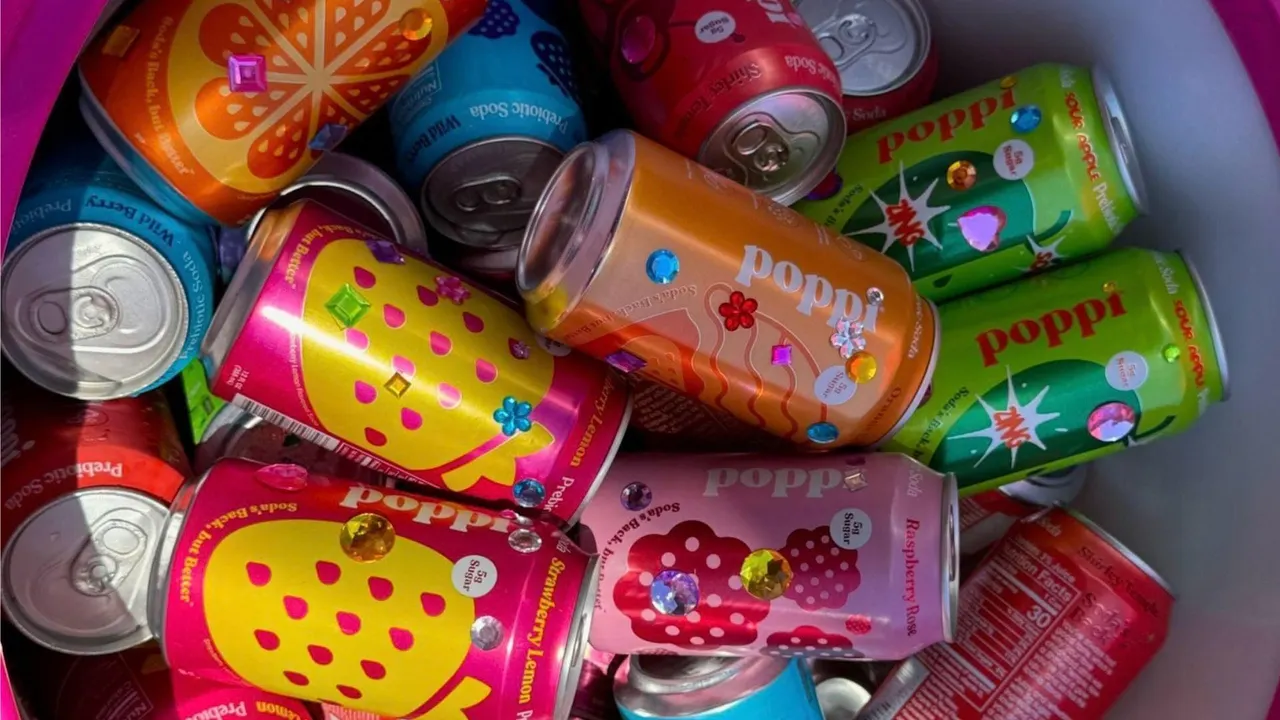
Brands took note of this shift as well and continued collaborating with the girls of "RushTok", but on a broader scale. Now, instead of collaborating with individual girls, brands expanded these collaborations to include those girls AND their entire sorority chapters. For example, the prebiotic soda brand, Poppi, sent out custom-printed cans to different Panhellenic organizations.
Why are brands using content partnerships to capitalize on "Rush"?
This year, brands are taking "Rush" to a whole new level with unique and exciting content partnerships. Instead of just gifting products and then stepping out of the picture, some brands are choosing to go one step further and share the content to their own social media pages. This strategy allows companies to reach not only their target audience, but also new audiences if the campaign is successful.
One of the most notable examples of a brand using content partnerships with sororities this "Rush" season is American Eagle. The popular clothing brand partnered with various sororities from across the country, including Alpha Delta Pi at the University of Florida, Pi Beta Phi at Ohio State University, and Phi Mu at the University of Alabama, to name a few.
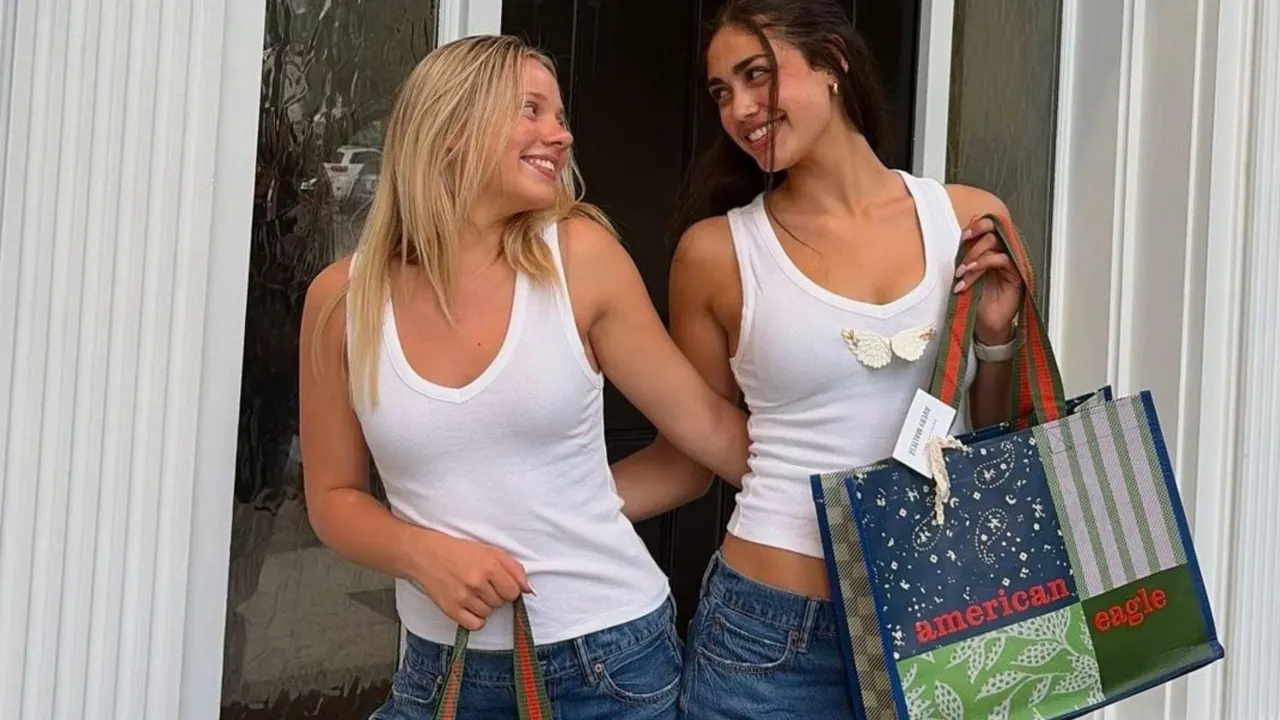
Zofia Zwieglinksa states in her Glossy article, "The retailer is effectively adapting elements of collegiate name, image and likeness marketing for Greek life, turning its partner sorority houses into local creator networks capable of producing dozens of pieces of American Eagle content during recruitment".
American Eagle was one of the first brands to do something we had not seen before with "RushTok" partnerships, and that is turning a sorority's content into a whole campaign through content partnerships.
The retail chain didn't just like and comment on these posts; they collaborated on them. They sent more than just products and pushed beyond the typical marketing of "RushTok". American Eagle then posted the chapter's content on their accounts too.
While not necessarily a content partnership, it is still worth mentioning Nike's involvement with sororities. Nike partnered with a few sororities across different schools and called the girls "campus athletes". The sportswear giant is much more well known than newer brands like Poppi or Edikted, so why join the "Rush" game?
Nike doesn't need to introduce itself: it is looking to re-engage with a lost customer.
Before brands like Lululemon and Alo took over, every teen and college-aged girl could be found sporting Nike shorts. While Nike remained relevant in the sports industry, it lost some of its customers to the brands steamrolling the leisurewear movement. By entering the scene of "Rush", they are not engaging with a new audience; they are reclaiming their old one.
For smaller brands with not as large a following as Nike, content partnerships allow for growth with minimal cost. Take Coconut Cult, for example. They did a campus tour and gave out free products, Coconut Cult Princess Cake Big & Little Edition, to multiple sororities. Playing on the idea of "bigs" and "littles", a popular part of sorority life, the gut health brand was able to tap into Rush in a way that made them relevant and content partnerships easy.
The girls who received the products posted about them on their own social platforms, but Coconut Cult also created their own posts. This tactic allowed them to gain content for an exchange of free merchandise rather than a monetary value. They did more than just reshare content; they posted it on their own brand page to reach and relate to the audience that follows them.
Overall, brands are using content partnerships to gain an abundance of usable content quickly and at lower cost than paying well-known influencers and celebrities, or hiring actors and a whole crew to film an advertisement. They are saving money, reaching more people, and keeping their target audience locked in while maybe even expanding to new audiences. All this by a trip to the post office and tapping a few buttons on their phones.
They are letting the sororities do all the heavy lifting... and it's working.
How is this changing the way people view these brands?
For some brands, these content partnerships will not change people's brand view, but for others, it may be a big change.
The concept of brand partnerships puts the brands in a more hands-on position versus just sending products and hoping they get tagged in some social content posted by the sororities or chapter members. It can also be an opportunity to reemerge to an audience they have lost over time, build trust by becoming part of the moments that matter, and remind people why they used to be a customer.
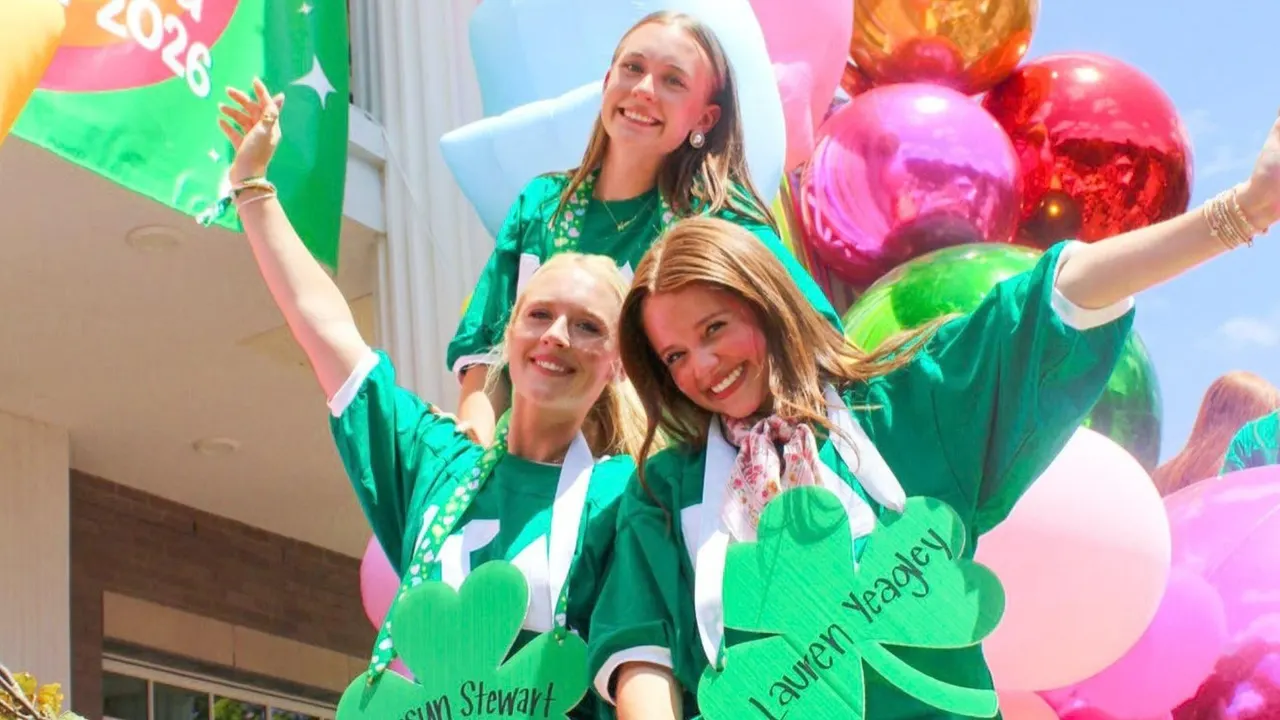
Look at Lucky Charms, for example... yes, the cereal. They had a huge collaboration with Kappa Delta at the University of Arkansas a few weeks ago. This was a content partnership that went above and beyond just posting. It also included custom merchandise, decorations, activities, and sending Lucky Charms reps to the KD house. This co-created content worked so well because the rainbow cereal and the Panhellenic chapter both shared similar brand identities and traits, i.e., shamrocks, green, luck, etc.
Kappa Delta's symbol is a shamrock, so it was the perfect excuse for Lucky Charms to offer to upgrade the chapter's Bid Day celebration. This brand alignment made the partnership feel genuine and not forced or like a random sponsorship.
Lucky Charms didn't just arrive to be a part of the fun. They came back to always be a part of this big moment. They just became a part of the memory and a part of the story. Not just for these girls, but for KD alumni and other KD chapters across other campuses. They invoked nostalgia that allows them to become relevant again.
The impact extends beyond just these women. It has also gotten the internet talking and has gotten more people talking about Lucky Charms than ever before. The idea of big partnerships like this has other chapters thinking about brands that they can get to be a part of their Bid Day celebrations next year.
Lucky Charms took a jump that allowed them to move out of the cereal aisle and onto Greek Row.
How is this changing the way people view sororities?
People are beginning to see sororities and their members as influencers, but also trusted communities with highly engaged audiences that they can rely on to find what's trending right now. "RushTok" has reshaped Greek life into something new. In the early days, it allowed outsiders a view into what it looked like to go through the recruitment process and then be a part of a society that was somewhat of a mystery unless you were a part of it.
Sororities used to be secret and exclusive, and the rise of social media and "RushTok" has allowed everyone to see behind the curtain. An online article from Drift discusses the monetary and business opportunities that have entered the world of sororities and whether or not that has any impact on the authenticity of the experience and if it is being compromised for social engagement.
What does this mean for the future of sorority "Rush"?
One thing is for sure, whether negative or positive, the online presence of sororities is here to stay. What was once an exclusive and private college experience has now become a cultural phenomenon available for people to tune in to all over the world.
Content partnerships will continue to be a part of "Rush". The presence of brands across college campuses throughout work week and "Rush" week is not going away any time soon. Expect to see more collaborations, partnerships, and sponsorships in the future. This is only the beginning of the future of content partnerships within the world of Greek Life.
🪽 Written by Jenna Dispenziere
join 45k marketing girlies
Private Marketing Girly LinkedIn Group
A private community where young women in marketing network, collaborate, and support each other.