
Examples of Influencer Marketing: 3 Remarkable Campaigns That Made an Impact
Oct 06, 2026
Influencer marketing has moved far beyond the classic sponsored post. Brands now build full influencer marketing campaigns around creators.
They no longer use them only to promote a finished product.
Traditionally, brands worked with influencers for their credibility, relevance, and loyal following. In return for payment, creators promoted products or services through sponsored content on social media.
Some of today’s most creative examples of influencer marketing show how brands build influencer campaigns around creators. They can shape products, campaign ideas, influencer content, and brand storytelling. When this works, the result feels less like an ad and more like a moment audiences want to watch, share, and discuss.
Successful influencer marketing campaigns need more than a high follower count. The right influencer should match the brand, target audience, and target demographic. The partnership should also feel natural to the creator’s usual content style and personal brand.
When these elements align, brands can reach potential customers and build relationships. They can also increase brand awareness without making the promotion feel forced. Influencer campaigns can promote products while still feeling entertaining.
So, what makes a creator partnership stand out? These three examples of influencer marketing show how a strong influencer marketing strategy can use entertainment, product co-creation, and lifestyle experiences. Each approach can reach new audiences, boost brand visibility, and create moments worth talking about.
Turn a Product Benefit into Entertainment: Huda Beauty x Cardi B
What Launched
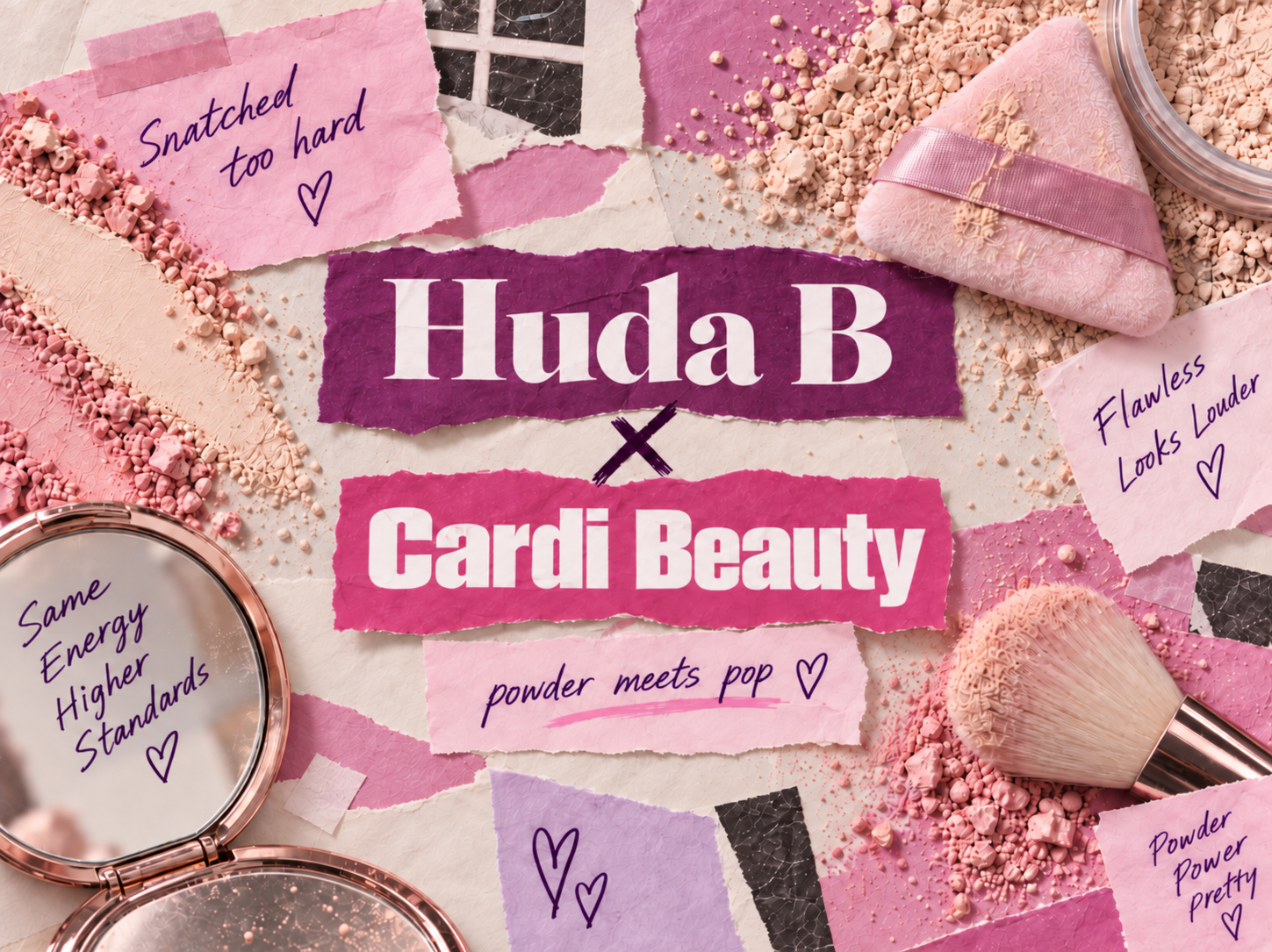
What could have been a simple shade extension became the start of a much bigger creative idea. Huda Beauty expanded its Easy Bake collection with Ultra Snatched. The launch introduced two new pink and lilac-toned products designed to brighten, lift, and create a snatched finish.
The product launch was announced on September 3 and released on September 10, 2026. This gave Huda Beauty a clear product benefit to build the wider influencer campaign around.
The Influencer Marketing Strategy
The Ultra Snatched campaign centers on Huda Kattan and Cardi B switching identities. The storyline takes inspiration from the well-known Freaky Friday body-swap concept.
The idea comes to life in the campaign video “Snatched Baddies.” Huda and Cardi meet, introduce the product, and step into an elevator. After using Ultra Snatched, they suddenly switch identities. The campaign then follows them as they try to live each other’s lives.
Huda steps into Cardi B’s world as a singer, while Cardi takes over Huda’s role in beauty. Desperate to switch back, they use the product again and eventually return to normal. They joke that they had simply been “snatched too hard.”
The final exchange brings the story back to the product benefit. Cardi says it snatched her life, while Huda replies that it snatched their faces. This keeps the product message connected to the entertainment.
The strategy moved across Huda Beauty’s social media platforms and Instagram account. This created more influencer content and social media posts. On Instagram, the account temporarily becomes Cardi Beauty. TikTok keeps the Huda Beauty name, but the profile image changes to Cardi B.
Cardi also appears in social media posts as the brand owner. This gives the campaign several pieces of influencer content instead of one campaign film.
Why It Worked
The campaign generated media attention and helped boost brand visibility. Cardi B’s personal brand also made her the right influencer for the idea.
Her public image centers on bold beauty looks, high-impact glam, and confidence. This makes the collaboration feel natural rather than forced.
Her performance-ready image also strengthens the product fit. Performers need makeup that can stay polished through long days and high-energy moments. That connects naturally with a setting product that promises long-lasting, snatched makeup.
But Cardi B was only one part of what made the campaign engaging. The concept itself was just as carefully chosen. Freaky Friday is a reference many audiences already understand.
The familiar Freaky Fridayreference tapped into internet culture. Powerful imagery also made the campaign easy to recognize across social media. Huda Beauty then gave the body-swap idea a fresh beauty twist.
The familiar reference helped boost brand visibility, campaign reach, and social media engagement. “Snatched Baddies” reached 21 million views and 4 million likes on TikTok. It also reached 31.8 million views and 2.2 million likes on Instagram within the first 13 days.
The campaign drove strong engagement across both platforms. Its engagement rate helped increase awareness beyond the product launch. It also helped increase brand awareness and gave the launch more reach than traditional paid ads.
The cultural reference draws people in, while the beauty angle keeps the campaign connected to Huda Beauty.
Key Takeaway
Cardi B’s personal brand fits Huda Beauty’s bold brand image. The cross-generational recognition of Freaky Fridayalso gives the campaign a familiar hook. Together, they turn a product launch into entertainment.
It is one of those examples of influencer marketing that combines the right influencer with a strong creative concept. Together, they can increase brand awareness without losing the product message.
Co-create a Product with an Influencer: Rhode x Alexandra Leclerc
What Launched
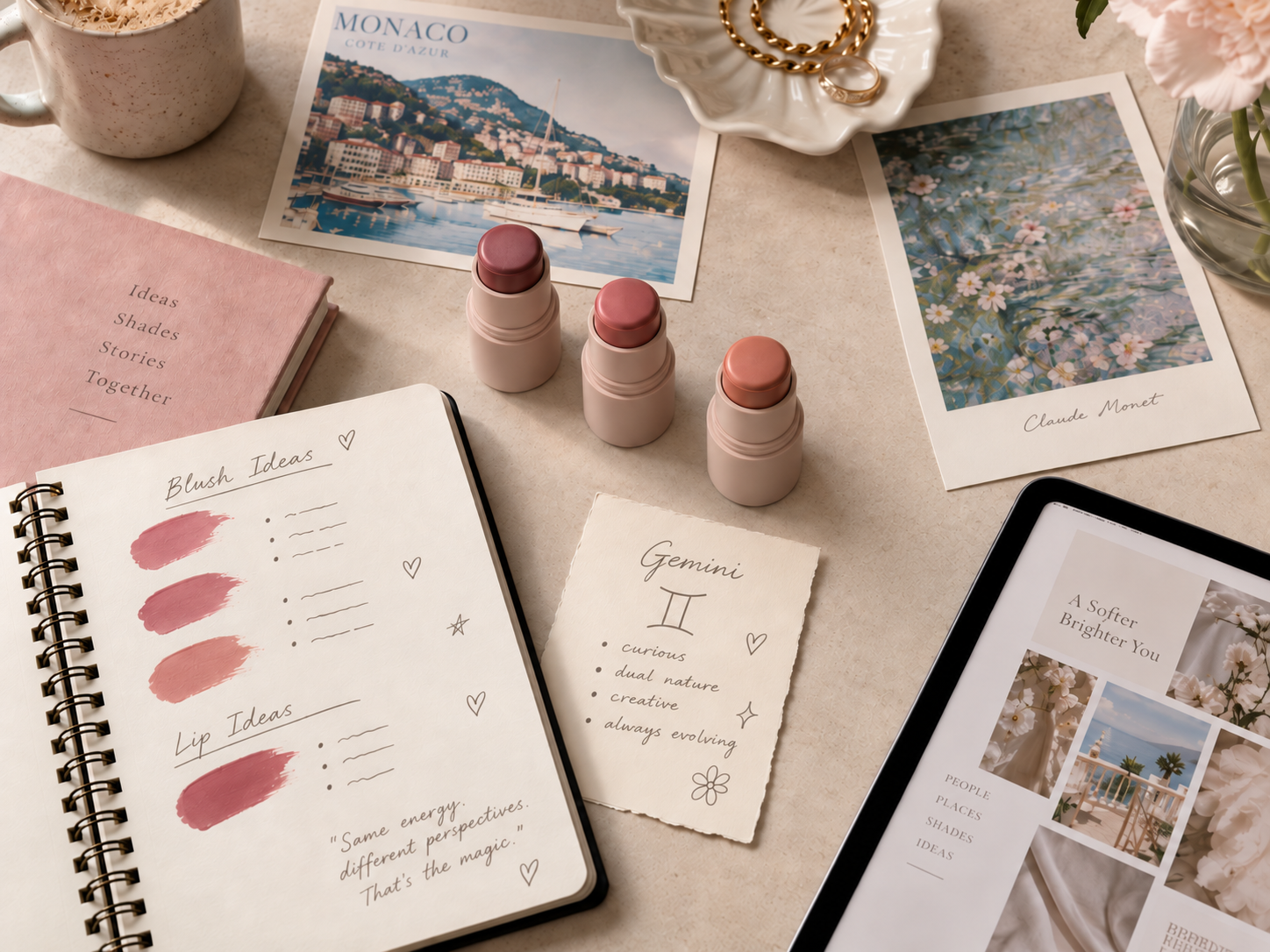
An influencer becomes a co-creator. Rhode collaborated with Alexandra Leclerc on Rhode <3 Alexandra Leclerc, which launched on September 15, 2026. The strategic partnership shows how brands can co-create with influencers.
It goes beyond asking them only to promote a finished product. Rhode reworked one of its most recognizable products, Pocket Blush, into a mini version. It keeps the same hydrating formula but adds a shimmery finish.
The mini blush comes in three shades: Gemini, Monet, and Monaco. The collection also includes a new Sweet Apple Peptide Lip Tint and two accessories.
The Flutter Charm is a butterfly charm designed with Alexandra. The Rhode Carabiner lets the mini blush clip onto bags and other accessories. Together, the products form one exclusive, on-the-go collection.
The Influencer Marketing Strategy
Alexandra was not added to the launch at the end. She was built into it from the start. The campaign centers on her lifestyle and aesthetic.
Alexandra described the process in ELLE as “extremely collaborative.”
The strategic partnership gave Alexandra real creative control and creative freedom. She shaped the shade range, accessories, and other details. Rhode also gave her room to bring her own references into the collection.
The brand then refined the final result.
Even the shade names feel personal. Gemini reflects her zodiac sign. Monaco links to her connection to home. Monetrefers to her favorite artist, Claude Monet.
The result is a collaboration where Alexandra is not only the face of the campaign, but at the heart of it.
Why It Worked
The campaign is still new, so it is too early to fully measure its success. However, Rhode already gets two things right: authenticity and originality.
Alexandra is a natural fit for the brand. Her beauty style leans into the clean, effortless aesthetic Rhode is known for. She was also using Pocket Blush in her daily routine before the collaboration.
This makes the strategic partnership feel more believable from the start. The campaign becomes even stronger through Alexandra’s creative control.
Her ideas shaped the accessories, shade names, and other details. This makes the launch feel personal rather than simply endorsed.
Rhode also built the collection around Alexandra’s taste, routine, and references. Because of that, the final product feels genuinely connected to her. It does not look like an existing product with her name added on at the last minute.
That co-create approach connected the collection to Rhode’s brand image and the influencer’s audience. Strong audience fit can shape purchasing decisions because the promotion feels more believable.
This kind of trust can also help brands reach new customers. At the same time, Rhode’s existing customers still get a collection that fits the brand image they already know.
Key Takeaway
Strong examples of influencer marketing bring together genuine co-creation, the right creator, and creative freedom. Originality and audience fit matter too.
Rhode’s collaboration with Alexandra shows how that mix can make a campaign feel personal and distinctive. It can still stay true to a clear brand image.
Sell a Lifestyle Through a Creator Experience: Alo Voyage
What Launched
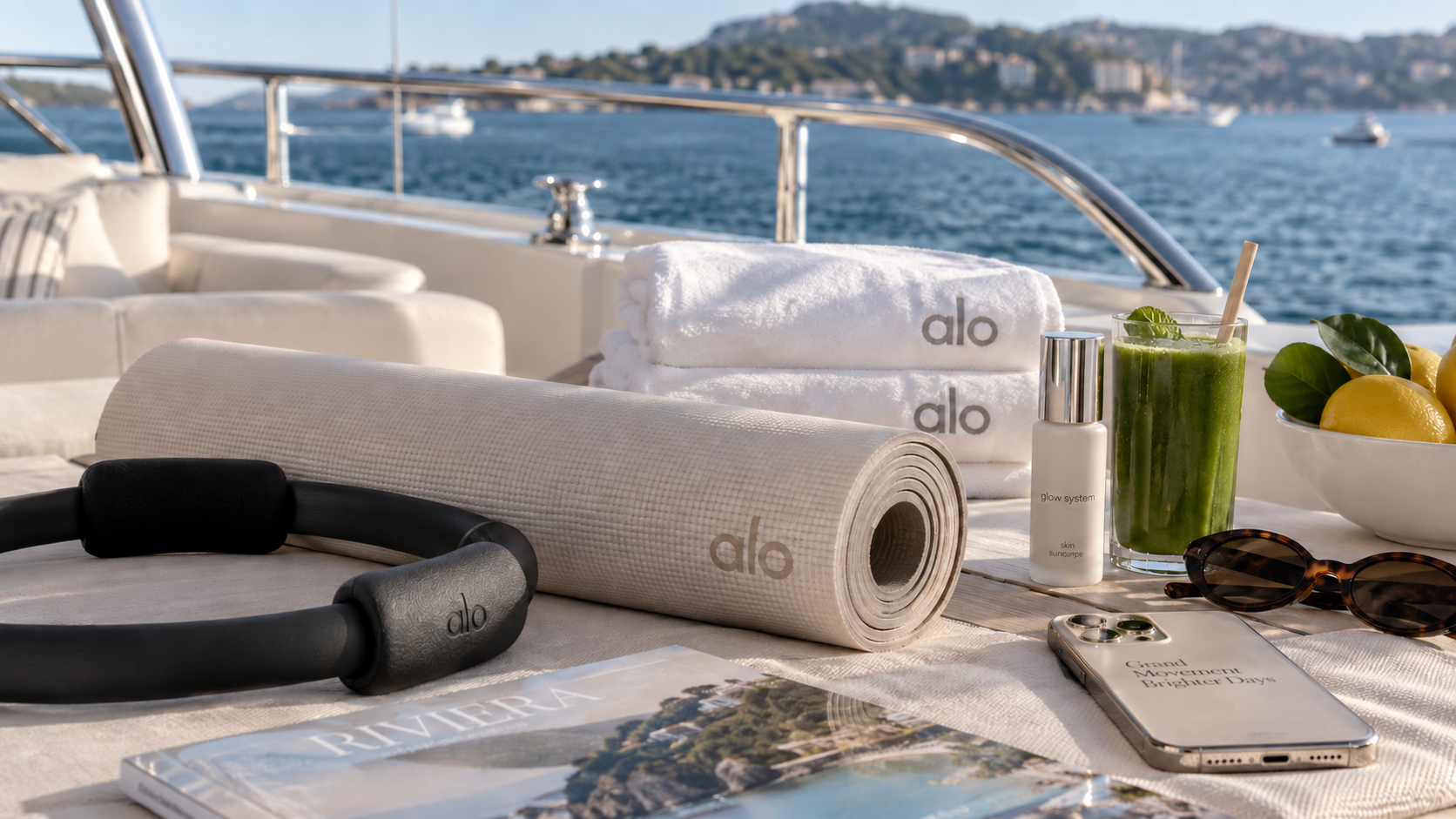
Alo launched ALO Voyage: Wellness Club at Sea, an experiential brand campaign set on a 72-meter yacht along the French Riviera. Several influencers joined the experience throughout May 2026. These included Kylie Jenner and Alix Earle.
Instead of promoting a new product, the influencer campaign focused on selling the wider Alo lifestyle. Guests took part in Pilates, EMS training, IV therapy, and other wellness treatments. The yacht effectively recreated the Alo wellness-club experience at sea.
What made the campaign stand out was not only the setting. Different creators also brought that lifestyle to their own audiences. This gave the same brand world several different perspectives.
The Influencer Marketing Strategy
Alo did not just tell audiences what its lifestyle looked like. It let creators live it and show it for themselves.
Alo used several influencers to create influencer content across different social media platforms. Each content creator showed the same brand world from a different point of view. That contrast is especially clear with Alix Earle and Kylie Jenner.
Alix Earle made the trip feel more social-first and personality-led. Her content included getting-ready videos and casual moments from the experience. Kylie Jenner presented a more polished, luxury-celebrity version of the same world.
Her content focused on aesthetic imagery, scenery, and Alo wellness activities.
Each content creator used their own platform and style. This made the experience feel less like sponsored content and more like user generated content.
Alo also gave creators real moments to capture. That made the influencer content feel more natural than a traditional sponsored post.
Why It Worked
The experience gave creators something worth sharing. Their content gave Alo reach, relevance, and a more relatable way to present luxury.
The yacht created the moment, but creator content is what gave it scale. One of Alix Earle’s Instagram posts reached around 768,000 likes. Several of her TikTok diaries also passed 1 million views.
The campaign reached new audiences, increased brand visibility, and created earned media around Alo’s luxury-wellness image. The experience also created earned media value as other influencers and audiences shared the campaign.
Those numbers also took the campaign beyond its own social media platforms.
The campaign was not only about short-term influencer marketing ROI or the ability to drive sales. It also helped build relationships, increase awareness, and support brand loyalty.
Alo International CEO Benedetta Petruzzo discussed this with Vogue. She said the brand evaluates activations through “relevance and cultural positioning.”
This shows that the campaign was also part of a wider brand strategy.
The creator angle also changed how audiences experienced such an exclusive setting. Instead of seeing the yacht only through polished brand content or paid ads, audiences followed it through personalities they already knew.
They also saw the trip through content formats they were used to watching.
One yacht created the spectacle. The creators turned it into a moment people could keep seeing, sharing, and remembering.
Key Takeaway
When brands give creators an experience worth sharing, the campaign can travel much further than the event itself. Alo Voyage stands out among modern examples of influencer marketing.
Different creator perspectives helped turn a short-term activation into wider brand awareness, new audience reach, and cultural relevance.
What These Campaigns Get Right
So, what do all three campaigns have in common? They gave creators a real role in the idea, not just a place in the promotion.
These examples of influencer marketing show three different ways to make that happen. Huda Beauty used entertainment, Rhode used co-creation, and Alo used experience to make creators part of the campaign itself.
Different strategies, but the same lesson: make the creator part of the strategy, not just the promotion. Planning the next influencer campaign? Go beyond the sponsored post and give the creator a real role in the campaign.
🪽 Written by Selin Sayilgan
join 45k marketing girlies
Private Marketing Girly LinkedIn Group
A private community where young women in marketing network, collaborate, and support each other.