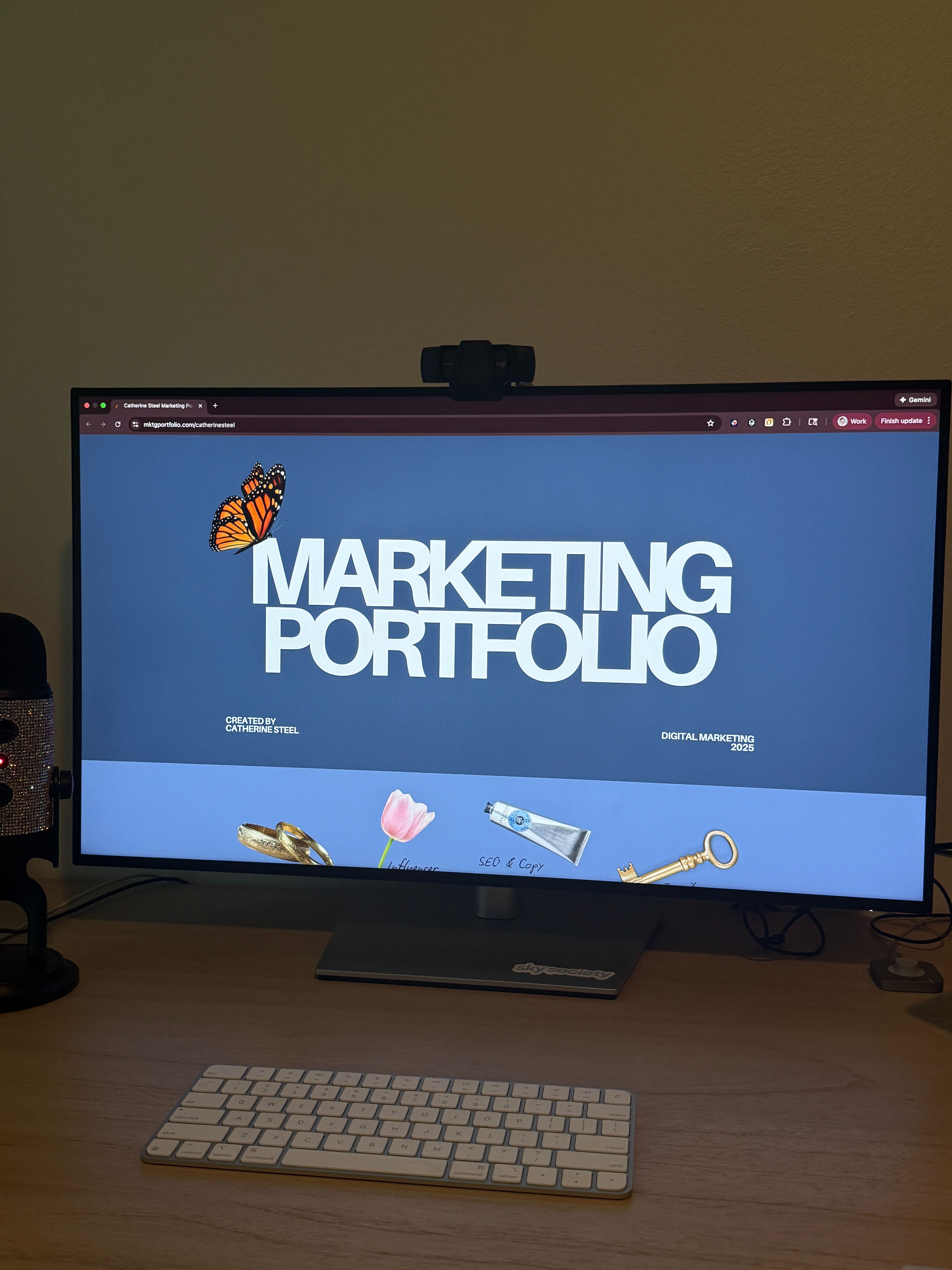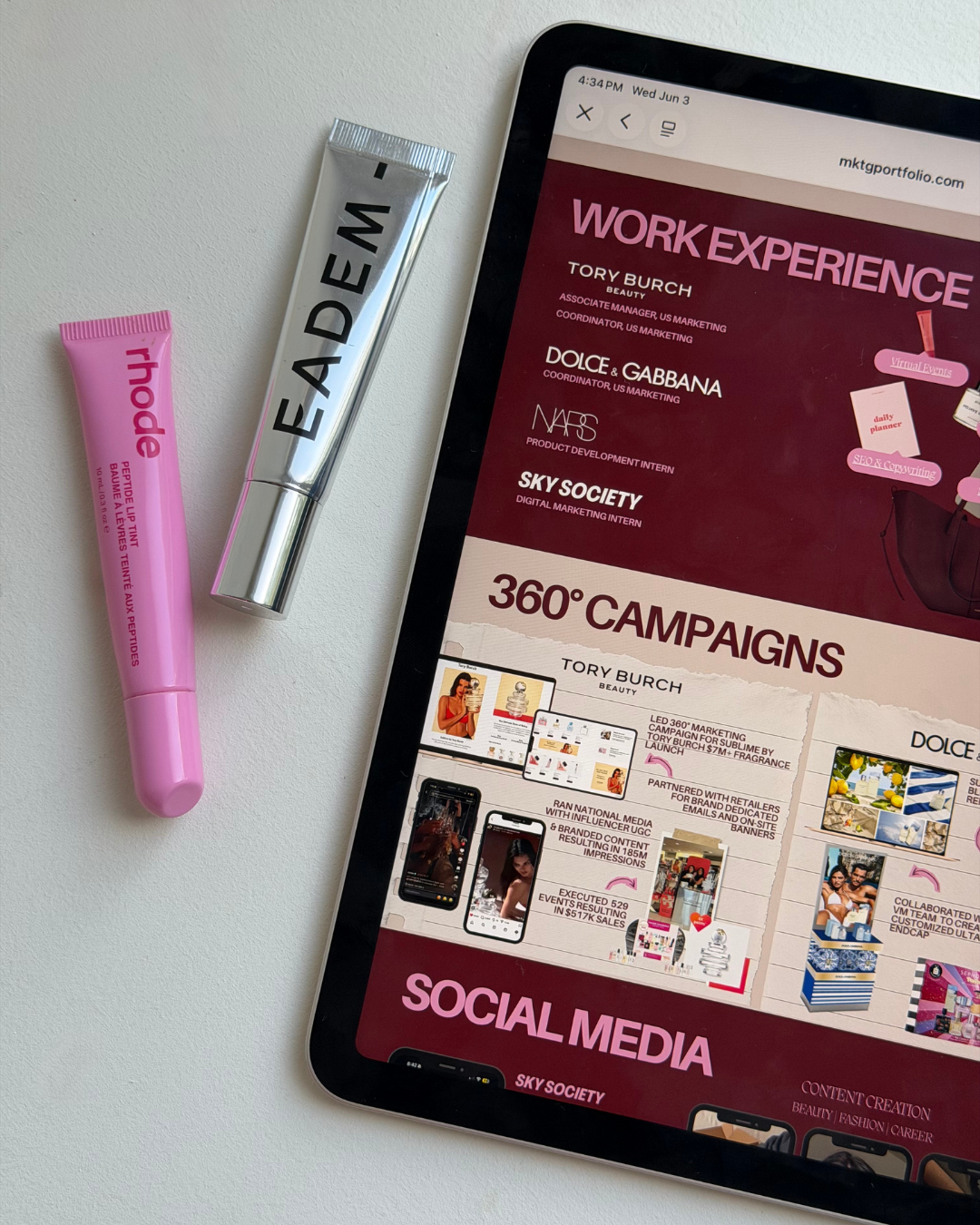

Creating a Marketing Portfolio with No Experience to Get Noticed
Oct 06, 2026
Breaking into marketing can feel impossible without a single job title to show for it. Recruiters ask for experience, but no one wants to give a chance to someone without it. The good news: a strong marketing portfolio with no experience is not only possible, but also one of the fastest ways to prove skill before a resume ever gets a second glance.
This guide breaks down exactly how to create a marketing portfolio from scratch, step by step, using real marketing portfolio best practices along the way. Digital marketing moves fast, and hiring managers know that a candidate who can show real work is a safer bet than one who can only describe it. That is exactly why a portfolio carries so much weight.

Why Creating a Marketing Portfolio Matters More Than a Resume
A resume lists what someone has done. A portfolio shows what they can actually do. For anyone creating a marketing portfolio with no experience, that distinction is everything. Hiring managers skim resumes in seconds, but a portfolio gives them something to click through, scroll, and remember. According to Hello & Co guide to building a marketing portfolio she states it is important to show your skills on a portfolio and what you can do! Proof beats promise every time.
Showcase a Range of Marketing Skills
Marketing rarely lives in just one lane, and a diverse portfolio should reflect that. A more diverse portfolio reflects SEO, email marketing, paid ads, and influence marketing side by side shows a range that a single-skill portfolio simply can't. Organize projects by type or goal so that range is easy to scan and understand. This matters most for anyone building a marketing portfolio with no experience, since versatility signals adaptability to hiring managers when the mix of samples reflects the role or target audience they want to serve. A candidate who can write SEO, build a paid ad campaign and pitch an influencer outreach plan looks ready for whatever a fast-moving team throws at them.
Social media marketing is often the easiest starting point, since most people already understand how platforms like Instagram and TikTok work. From there, branching into SEO and paid ads rounds out the story of a well-rounded marketer.
Create Spec Work to Fill the Experience Gap
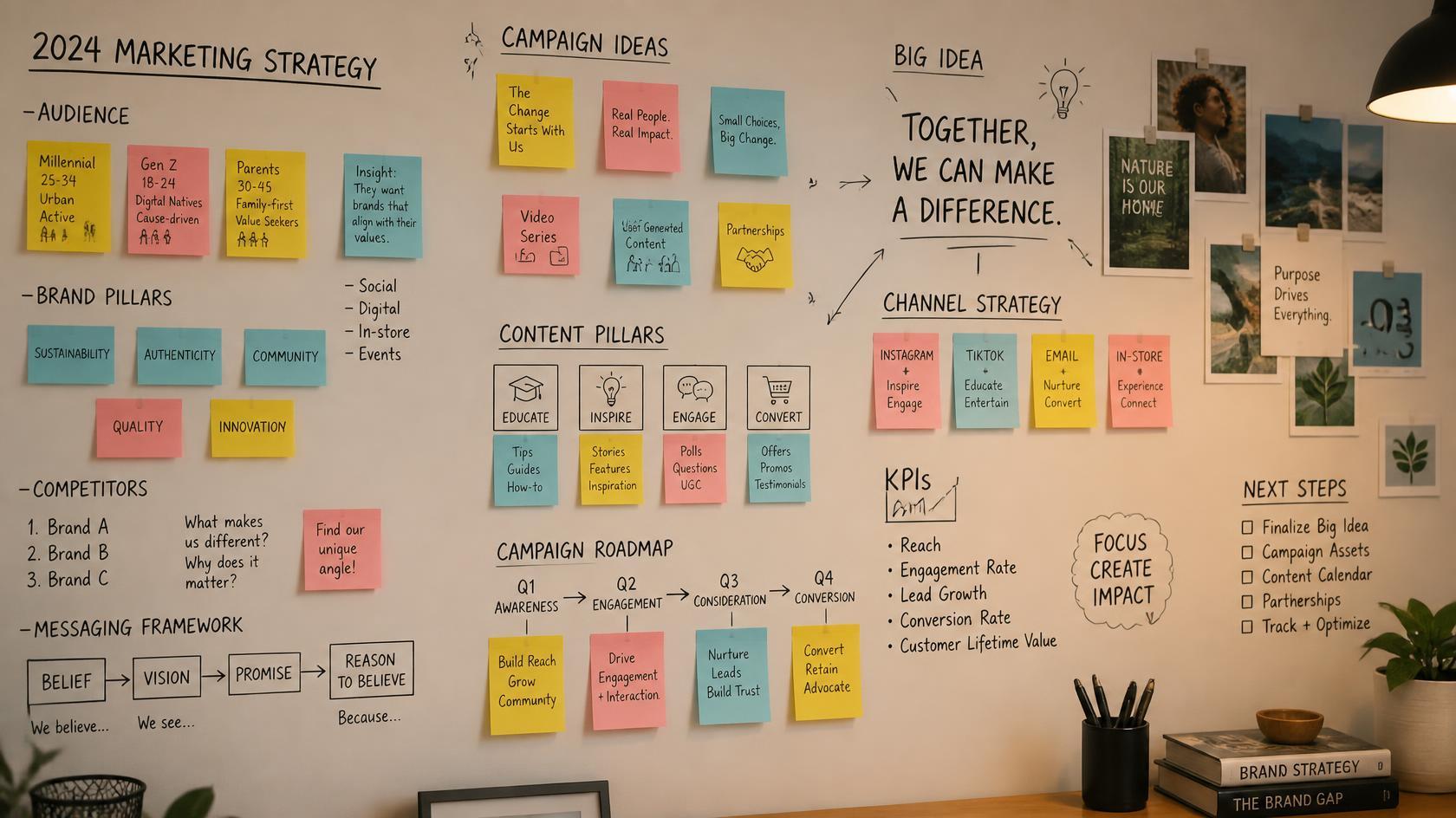
This is the single most useful trick for anyone starting from zero, and those first samples can later grow into real world projects or freelance projects. Spec work means creating a marketing campaign for a real or imaginary brand, purely to demonstrate skill.
Some ideas to start with:
a. Design a visually appealing mock Instagram campaign for a favorite small business
b. Build a one-page content calendar and explain the strategy behind it
c. Practice creating marketing materials by writing three sample email newsletters for a fictional product launch, building a small paid ad set with sample targeting and creative, or drafting an SEO optimized blog post around a key word a real brand might target. This kind of marketing materials set does not require job opportunities or client contract, only initiative.
A spec piece can also include a social media campaign or sample social media posts to show execution, not just ideas.
These samples can also show content strategy across more than one marketing channel. Design platforms like Canva make it easy to create polish mockups without being an expert in web design or need a web developer to create the site.
Turn School Projects and Volunteer Work into Real Portfolio Pieces
Formal work experience is not the only source of portfolio material. Successful projects such as class assignments, volunteer marketing for a non-profit, or helping a friend's business with their social media all count as legitimate proof of skill when you frame them as real marketing efforts. The key is presenting these projects the same way a professional case study would be presented: use the S.T.A.R. method by outlining the situation, task, action, and result. Each case study should include measurable results and concrete metrics to show your marketing impact. Sites like AIGA's career resources offer useful guidance on how creatives without formal experience should frame early projects for maximum impact.
Choose the Right Platform to Host the Work
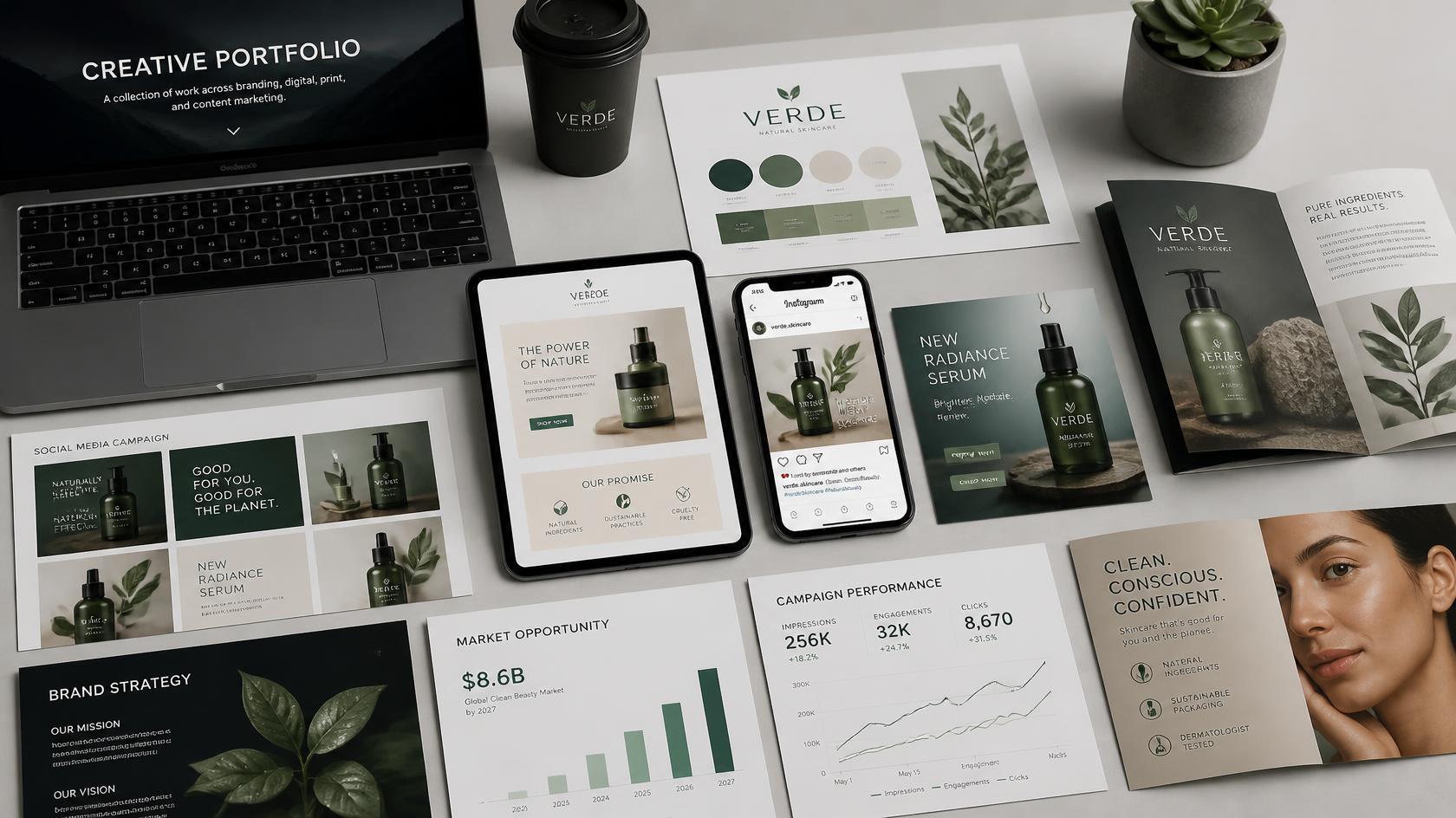
Once there are content creation, work samples, personal projects and mock projects to show, your online portfolio needs a home, ideally in a portfolio website. A few beginner friendly options include:
-A simple personal website built on Wix or Squarespace, which is often the best format for a portfolio site
-Behance which is popular for visual and creative marketing work
-Notion, which works well for a clean document style portfolio
If you are just starting, a portfolio maker can also be an easy option. An About page, a portfolio page, and a services page are useful core sections on a portfolio website.
You want a portfolio that builds professional credibility, strengthens your personal brand, and can attract clients/recruiters to your site. The portfolio should include a dedicated contact page with visible contact details, a simple contact form, high resolution images, no broken links and be sure the site loads quickly. Include a clear call-to-action inviting potential employers to get in touch.
Whichever platform you use, it should be easy to navigate on mobile, since many recruiters browse portfolios on their phone. Behance remains one of the most recognized platforms among creative recruiters specifically, and it also helps to link relevant social media profiles from your About page or contact area.
Design for Skim ability, Not Just Content
Recruiters do not read portfolios front to back; they skim. This means formatting matters just as much as the work itself, and the layout should help a hiring manager find the value quickly.
A standout portfolio should usually include 3 to 6 strong projects rather than too many examples. Give each one a clear title, a one-sentence goal, and a short S.T.A.R.-style breakdown of the situation, task, action, and result. Bullet point and bold text help busy eyes catch the important parts fast.
Following basic marketing portfolio best practices, like consistent formatting and short project summaries, make a portfolio far more professional. Present the work in a visually engaging manner so site visitors can scan results fast. Small formatting choices often matter just as much as the work itself.

Get Feedback before Sharing It Widely
Before sending a marketing portfolio out in the world, it helps to get eyes on it first. Update the portfolio regularly, at least once or twice a year, to reflect recent work. Professors, career centers, and peer feedback groups on LinkedIn are all solid places to start. Fresh feedback often catches confusing wording, weak project explanations, or formatting issues that go unnoticed after staring at the same page for hours, and grammar and spelling matter for credibility in the digital marketing industry.
A quick round of edits can make the difference between a portfolio that gets skipped and one that gets a reply. Regular updates keep the portfolio relevant and help impress potential clients.
Asking for feedback specifically on the digital marketing sections, like SEO or paid ads projects, can also help confirm the strategy that actually makes sense to an outside reader. Jargon that feels obvious while writing can easily confuse someone seeing it for the first time.
Nobody starts with a stacked resume. What separates candidates who get noticed from those who get ignored is initiative, the willingness to create proof of skill before anyone hands over a job title.
Building a strong portfolio with no experience is not about faking a career that has not started yet. It is about showing clearly and confidently, what comes next. Start with one project, then build from there.
🪽 Written by Rosie Esposito
join 45k marketing girlies
Private Marketing Girly LinkedIn Group
A private community where young women in marketing network, collaborate, and support each other.