
Women Empower Women: The Power That Mentorship Actually Has
Sep 30, 2026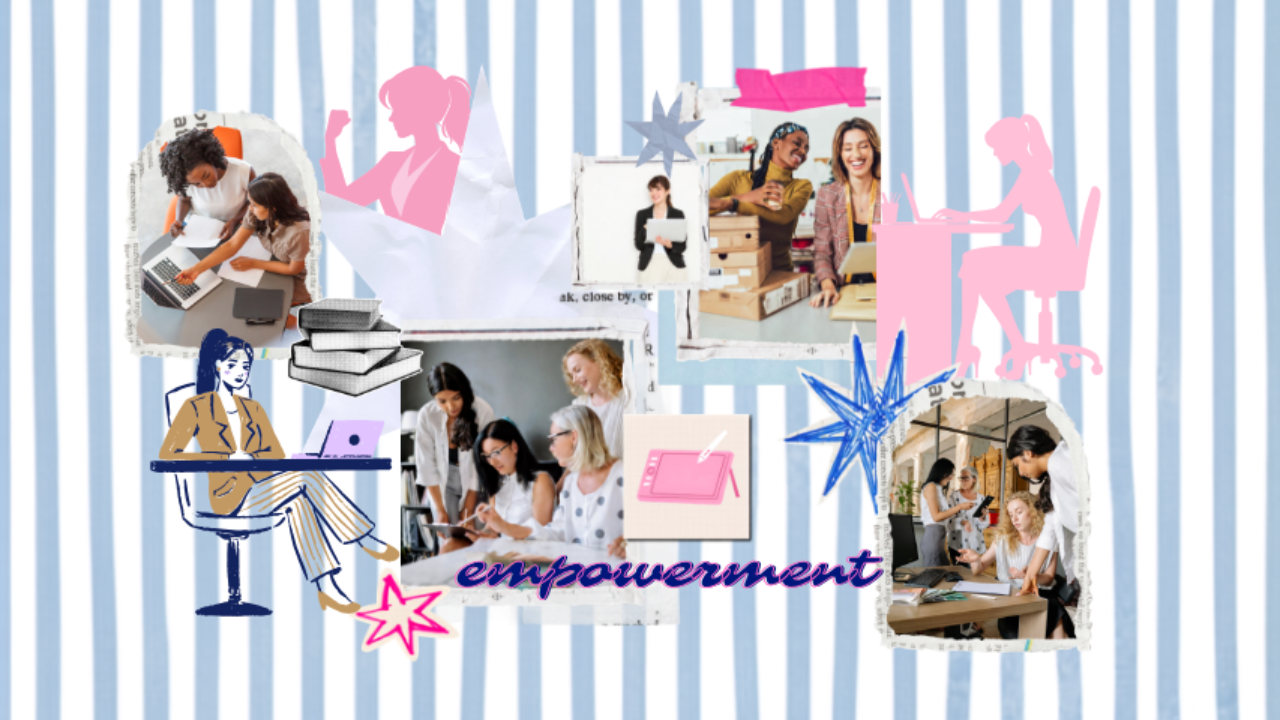
“Women empower women” means women supporting each other through mentorship, shared opportunities, encouragement, honest feedback, and community—often in small, everyday moments that help another woman grow and succeed.
Ask a group of women to describe the moment their professional journey started to feel less overwhelming, and a similar answer often comes up: there was another woman involved.
Maybe it was a mentor who gave advice at the right time. Maybe it was a friend who sent a job posting with a note saying, “You'd be perfect for this.” Sometimes, it was a group chat where someone could vent before a big presentation.
Whether you're a student starting to think about a career, a professional navigating a new role, or a woman considering a change outside your comfort zone, support from other women can make the next step feel a little less overwhelming. At different stages of our journeys, we all need people who can share viewpoints, information, encouragement, and honest feedback.
This is what the idea of women empower women looks like in real life. It rarely shows up as one big gesture.
More often, it looks like mentorship, listening, a shared opportunity, truthful feedback, helpful guidance, or someone simply saying, “You are not alone.” Together, these small acts build confidence, create belonging, and help women move forward in their careers, one moment at a time.
Support and community shape how women learn, grow, and find their next opportunity. Together, they show what empowering women looks like, day to day and out in the wider world.
What Do "Women Empower Women" and Empowering Women Really Mean?
On its own, "women empower women" can sound like a slogan you might see on a tote bag.
But the idea is simple. Women support each other by sharing knowledge, being truthful, and helping each other find opportunities and resources.
Women's empowerment can take many forms. It can involve gaining access to education and career resources, building confidence, developing leadership skills, or receiving the guidance needed to pursue new opportunities. In a diverse world, women can also empower other women by sharing what they know and creating opportunities that might otherwise be harder to find.
Growth can come with hard questions. How does someone negotiate a salary? What happens when she does not meet every qualification listed for a role? How does someone move into marketing when her education and experience come from a completely different field? How does someone begin to navigate leadership?
Finding real answers to those questions is part of empowering women where they actually need it.
There is a lot of advice online, but it means more when it comes from someone who has been through it. That is when the power of women empowering women becomes real: support that helps someone move forward.
A conversation can offer insight. A mentor can share lessons learned over years of building her own success. A friend can send an opportunity someone might have missed.
Sometimes, the best thing a woman can do is help another feel less alone while she figures things out. This is also a real way to empower women. The goal is simple: help each other whenever possible.

Sometimes, We Just Need to Listen
Not every challenge needs an immediate fix.
Sometimes, talking things through is all she needs so she can say, “I have no idea what I am doing,” without someone immediately offering a step-by-step plan.
A trusted coworker, mentor, friend, or community can give someone a place to talk about the tough parts of work and feel more in control of her next move. They can listen, offer a new perspective, or simply agree that a frustrating moment was truly frustrating. Good listening is its own way of empowering women, even if nothing changes right away. And sometimes, that is enough.
Good support also means being truthful. It might sound like, "I get why that bothered you, but here is what I think happened," instead of just giving empty reassurance. The goal is not to say what someone wants to hear, but to offer honest, encouraging feedback that helps her move forward and build confidence over time.
Honest conversations can empower others more than we realize.
This is one of the quieter ways women empower women. There may be no promotion or new title at the end of the conversation. Sometimes the win is simply leaving the conversation feeling more grounded, encouraged, and ready to take the next step.
Over time, those small conversations can influence how someone approaches difficult situations, opportunities, and decisions, and build resilience.

Mentorship Makes the Fog Less Thick
Mentorship doesn't have to be a formal program with calendar invites, workbooks, or a detailed agenda.
Sometimes, it's just a woman with more experience saying, "Here's what I wish someone had told me." In many ways, mentorship is a second education, one that happens after the first one ends.
A mentor does not need to have every answer or plan out someone else's whole path. She can share what she has learned, point out things that are not obvious, and make things less confusing. A mentor's role is to help her mentee trust her own judgment and sense of agency.
The best mentors don't hand over a perfect roadmap. They just help clear away some of the fog. That guidance can make a difference in a woman's growth, from learning how to navigate opportunities to feeling more prepared to pursue a promotion. Over time, that kind of support can contribute to economic empowerment by helping women build skills, make informed decisions, and advocate for themselves.
That could mean explaining how she handled her first salary negotiation, reviewing a resume, or sharing a mistake so someone else does not have to learn the hard way. These small moments can give women the knowledge and confidence to make more informed decisions about their next steps.
Real marketing paths offer examples of this kind of support. In a 2026 Marketing Week feature, four female B2B marketers discussed the early stages of their working lives, including the role mentors, managers, networks, and other women played in their development and education.
One marketer described a manager who took the time to explain business processes, while another highlighted smaller moments like book recommendations, encouragement, and advice. Stories like theirs are a reminder that empowering women often happens through ordinary, unglamorous moments at work. [Read the Marketing Week career stories]
These examples remind us that mentorship does not always come from someone with an official mentor title. Sometimes, it is a manager who takes time to explain something or a coworker who recommends a book.
Mentorship can also flow both ways. Someone early in her journey may know a new platform, trend, or resource that a more experienced marketer has never used. A newer professional may bring a fresh angle to a problem someone else has been looking at for years. That insight can influence far more than one meeting. An experienced manager might know a community worth joining, while a newer marketer might introduce information or a perspective that changes how someone approaches a challenge.
That exchange is part of what makes women empower women so meaningful. It does not have to be a hierarchy where one person has all the answers. It can simply be two people bringing different experiences to the same conversation, each one helping to empower the other and helping women lead before they have a formal title.
And sometimes, the most helpful message is only a few words:
"Thought of you when I saw this."
It takes thirty seconds to send. For the person receiving it, it might be what encourages her to apply, reach out, speak up, or take a chance she had been putting off.
That guidance can be especially valuable as women take on new responsibilities, build leadership skills, and move into unfamiliar parts of the workplace. Sometimes, simply knowing that another woman is investing time in your growth can make those transitions feel less overwhelming.

Community Makes Growth Less Lonely
A network can give someone a list of contacts. A community gives her people she can actually turn to.
That difference matters when someone is starting a new role, switching industries, or figuring out where she fits. Women often find new opportunities through the communities they join, the people they meet, and the relationships they build. Growth can feel lonely, especially when it seems like everyone else has already figured things out. Everyone else can seem like they know the right people and somehow already understand what they are doing.
Usually, they do not.
A strong community creates space to compare notes, ask questions, celebrate successes, and admit when something is not working. It can also give women a place to stand together when they encounter bias or unequal treatment. Someone might ask a question that several other people were too nervous to speak up about.
Someone else might have an answer because she has already been through it. Those conversations can help women recognize their own progress and define what success looks like for them. A community like this can be a powerful way of empowering women to keep going.
Suddenly, a problem that felt personal becomes something others can relate to too. Community can also be its own kind of ongoing education, one that no classroom ever fully covers. It can contribute to well-being, too.
Community can take many forms. It might be a professional organization, a few coworkers who regularly check in, a group chat, or a handful of women who met through school and never stopped helping each other rise. Some groups also engage male leaders to help shift harmful norms and support gender equality.
For women in marketing, that can be especially valuable. Marketing includes countless pathways, from social media and content to public relations, brand management, creative strategy, and analytics. No single roadmap works for everyone, and professional development can look different at every stage. Having access to different viewpoints, communities, and tools can help women find paths they may not have considered on their own.
Even formal peer groups are built around this same idea. Lean In Circles, for example, bring small groups of women together regularly to connect, learn, share experiences, and support one another's goals. Programs like this exist because empowering women works best when it is intentional, not accidental. Learn more about Lean In Circles
The point is not that everyone needs to join a specific group. It's that community can make growth feel less like a solo project and more like something you don't have to navigate alone.
Knowing people will celebrate the good news, talk through the confusing parts, answer the "is this normal?" questions, and occasionally let someone yell into the void without judgment can make a difference.
Small Ways to Show Up for Other Women
Supporting other women doesn't require a grand plan. Small actions can help ensure women are heard and supported, and some of the most meaningful gestures take less than five minutes.
Send the Job Posting
If a role looks like a good fit, share it. She can decide whether to apply.
Share the Resource
A helpful course, podcast, training, educational article, or even a useful website can save someone hours of searching on her own.
Make the Introduction
Connecting two people who could help each other only takes a moment. Create space for those connections when you can.
Give Direct Feedback
Real support sometimes sounds like, "This is good, but here's how to make it stronger." Encouragement matters, but genuine feedback helps people grow and learn from their mistakes. The goal is to help someone become a stronger version of herself.
Celebrate the Wins
The new job. The promotion. The tough presentation that is finally over. The portfolio that finally feels finished. These moments are worth celebrating because success does not get celebrated enough.
Every item on this list is another way to empower women, five minutes at a time. When women share what they have learned, they also create a stronger path for the next generation of women entering school, careers, and leadership.
Sometimes, support becomes especially valuable when it turns into action. Pennsylvania Women Work shared the story of Heather Hackett, who wanted to move from communications and marketing-related roles into program management.
She knew she had the skills but struggled to translate her experience into a resume that was getting attention. Her mentor helped her rethink her approach, strengthen her resume and cover letter, and work through networking strategies. Read Heather's career story
The bigger lesson is what happened along the way. Heather had someone outside her usual circle who helped her see her experience differently and keep moving when the search felt stuck. That kind of support is a practical form of empowerment because it helps someone recognize her strengths, build confidence, and take action on her own goals.
And then there are the really small things.
Remember when someone has an important interview and check in to ask how it went. Check in after a tough week. Tell someone she handled a situation well. Let a friend vent for ten minutes without trying to fix it.
None of this is complicated.
Together, these small actions create a culture where women do not have to figure everything out alone, and where empowering women becomes a habit instead of an occasion.
That is what the idea of women empower women can look like on an ordinary Tuesday. That's the whole point: to empower each other, one ordinary Tuesday at a time.
There Is Room at the Table
Supporting other women does not require having every answer.
No one has to become someone's full-time coach. She does not need decades of experience or the perfect advice every time a friend needs to vent. She just needs to be willing to show up.
Sometimes, that means sharing an opportunity. Other times, it means offering direct feedback, making an introduction, or simply listening while someone figures out her next step. That's the real meaning behind women empower women. It is a small, daily choice to support one another instead of competing.

Mentorship does not have to be complicated or formal, either. The University of Florida's Career Connections Center notes that mentoring can happen through formal programs or informal conversations and can help people build professional connections, develop new skills, and better understand their own path.
These moments may seem small on their own, but together, they can create an encouraging community where more women have knowledge, confidence, and opportunities to grow. That idea also connects with Sky Society's focus on education, mentorship, experience, and community as parts of building a marketing career and empowering the next generation of women.
No one has to wait until she has "made it" to be that person for someone else.
Send that posting. Share what you learned. Make the introduction. Ask how the interview went.
Pull up a chair.
There is room at the table, and there is always room to help another woman succeed.
🪽 Written by Amanda Everest
join 45k marketing girlies
Private Marketing Girly LinkedIn Group
A private community where young women in marketing network, collaborate, and support each other.