
Women's Sports Advertising: The New Playbook for Modern Marketing
Sep 30, 2026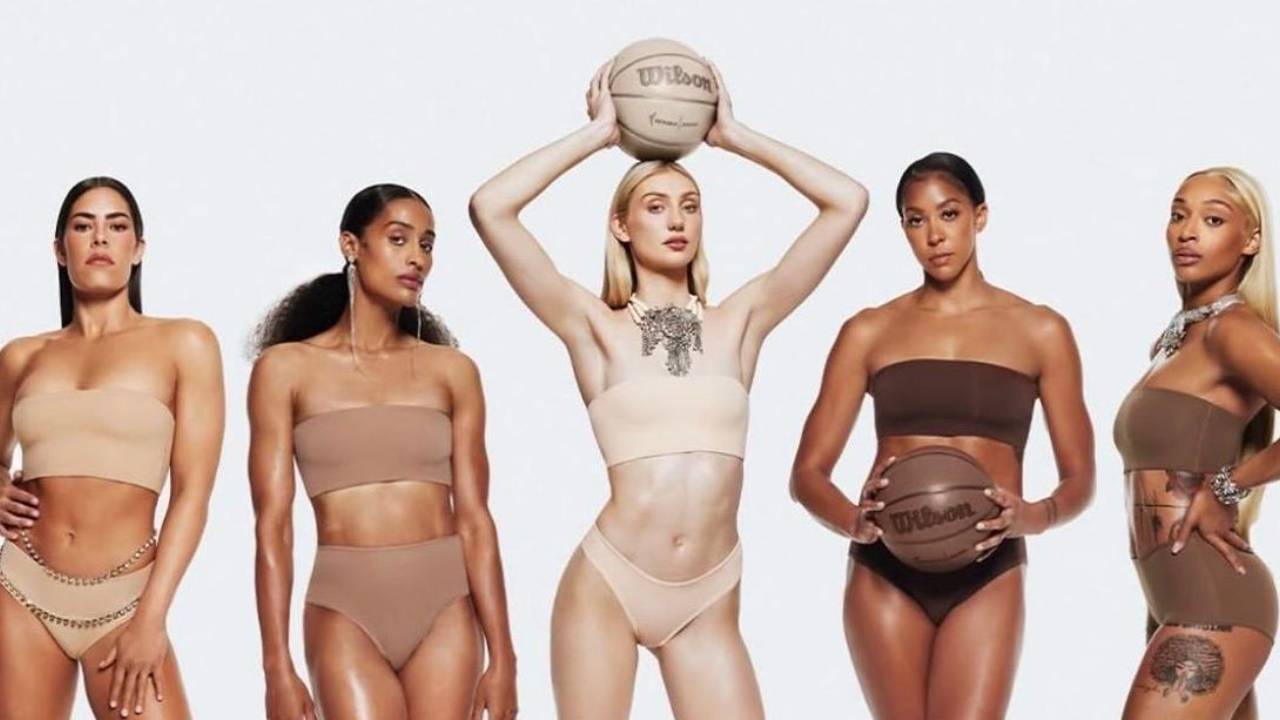
What do a tunnel fit, a red lip, and packed stadiums have in common?
They're all part of the rise of women's sports. In recent years, female athletes have become more influential beyond what they do on the field or court. They are becoming trendsetters in fashion, beauty, and pop culture, changing what fans wear, buy, and talk about.
Athletes like Angel Reese, Trinity Rodman, and Coco Gauff are icons of their sport. Their influence can be seen in pregame tunnel outfits, brand partnerships and beauty campaigns. Fans pay attention to what they promote, what they wear, and the brands they work with.
This cultural shift creates a ripple effect as fashion, beauty, and increased media coverage bring new fans into women's sports. People may discover them through a beauty campaign, viral outfits, or even a podcast. Female athletes are no longer just part of today's culture. They are helping shape it.
From Tunnel to Runway
Fashion is one of the most visible examples of how the rise of women's sports is influencing culture beyond the game. Game day looks have become more than just arriving at the arena, heading to the locker room, and warming up. Pregame fashion has almost become an event of its own. This has created an entirely new segment of social media content.
Athletes and teams regularly share arrival photos across social media. This leads to reposts, engagement, and more exposure for the brands they're wearing. This gives fans content that has nothing to do with what happens during the game. Angel Reese is one player who comes to mind when thinking of someone who has turned game day fashion into her own runway.
Angel Reese's impact on fashion started before she even entered the WNBA. It started during her college career at LSU. Her popularity grew quickly and her social media gained over a million followers. Her growing influence caught the attention of the luxury brand Coach, leading to a partnership.
This showed early on that Reese brought value to brands beyond her college basketball career. She also recently appeared in a Coach campaign with WNBA star Paige Bueckers. Angel is not the only female athlete gaining attention in the fashion world.
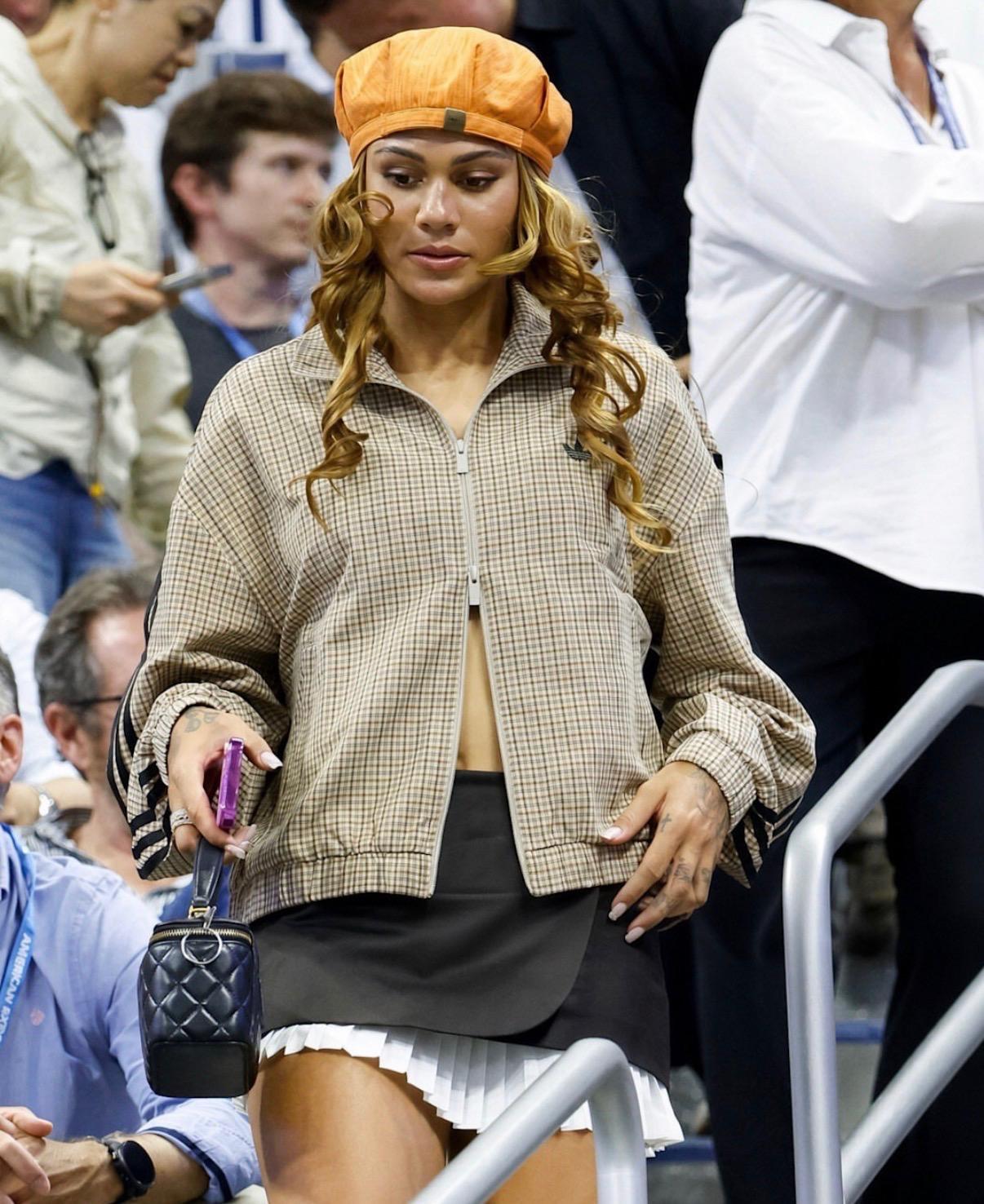
Professional soccer player Trinity Rodman has recently become a huge topic in the fashion world for her US Open looks. Her outfits quickly gained media coverage and attention across social media. Some have even said she has redefined the standard for tennis WAG fashion.
Even by simply supporting her boyfriend, Rodman was able to generate headlines and become one of the hottest topics at the US Open. She truly represents what it means to be more than just an athlete. This shows how female athletes can influence audiences beyond women's soccer.
Professional tennis player Coco Gauff has also made her mark in the fashion world. She brought the high end brand Miu Miu x New Balance collaboration onto the tennis court. She didn't just promote the brand in a photoshoot. She was able to compete in the collection during her match. Partnerships like this show how the rise of women's sports is creating new opportunities for athletes in fashion.
Female athletes aren't just focused on their own individual style. They are also a growing presence in the fashion industry itself. Most recently athletes like Simone Biles, Jordan Chiles, Serena Williams, and Azzi Fudd attended the 2026 New York Fashion Week. Female athletes are now being seen alongside traditional fashion and celebrity icons.
More than a Game Face
Fashion isn't the only industry that these athletes are getting recognition. Beauty brands have also found a way in the game as a way to reach new audiences. For decades, beauty and sports were rarely part of the same conversation.
There was a stereotype that athletes couldn't also be seen as feminine. Today, that idea is so outdated. Professional Swiss soccer player Alisha Lehmann is known for wearing a full face of makeup during matches. She has received backlash on social media for wearing heavy makeup while playing.
Lehmann has defended her choice many times. She has explained that makeup is a personal preference and a way to express her femininity. Her experience shows that female athletes are still judged for how they choose to express themselves.
Ilona Maher, rugby star, is another athlete who embraces her femininity by making red lipstick a staple in her appearance. Her bright red lipstick makes her instantly recognizable on the field and has become part of her identity as an athlete. She takes pride in her look, especially in a sport like women's rugby that people have stereotyped as masculine.
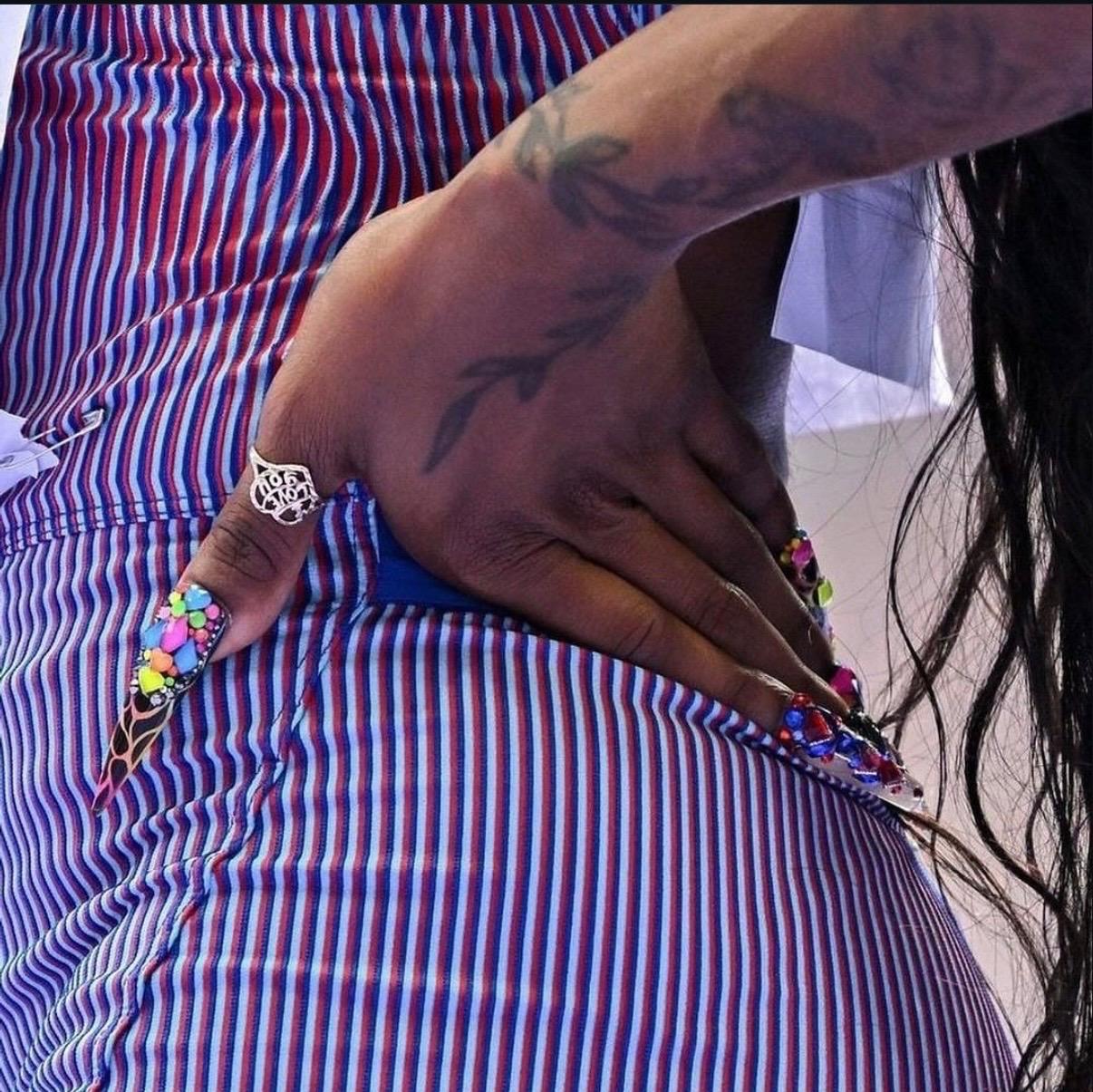
Sha’Carri Richardson is also known for her bold beauty looks. Her statement nails and vibrant hair make her recognizable while competing. She has talked about getting her nails done in colors to match her uniform and changing her hair depending on how she's feeling. Beauty has become part of her race day routine, bringing the idea of “look good, feel good, play good” onto the track.
As beauty becomes more important to female athletes, beauty companies are finding new opportunities within the rise of women's sports. Many beauty brands aren't just partnering up with individual athletes anymore.
They are looking to partner with entire sports teams. Some examples include these WNBA teams: Golden State Valkyries and Sephora, Chicago Sky and Covergirl, LA Sparks and Urban Decay, and Phoenix Mercury and Laneige.
The Golden State Valkyries are one of the WNBA’s newest teams, founded in 2025. Sephora's partnership with them is extremely valuable. They were able to sponsor the Valkyries' performance center and become a partner of their training camp and content day. This gives Sephora a new platform to support women's empowerment and self expression.
Laneige's partnership with the Phoenix Mercury brought the brand into the sports world. It was their first deal with a professional sports team. During WNBA All star weekend, Laneige held game day events and gave gifts to sports fans.
The partnership helped Laneige reach a new audience. Its also gave the brand a place in the growing culture of women's sports.
The growing relationship between beauty brands and women's sports shows the image of female athletes has changed. Female athletes can express their femininity and still be taken seriously in their sport. More brands are recognizing this and seeing the value in being part of it.
The Business Behind the Rise
As the rise of women's sports continues, more brands are looking for ways to enter the sports world. Brands are finding new ways to reach people they may not normally connect with.
SKIMS, the lifestyle brand by Kim Kardashian, partnered with the NBA and WNBA. The brand started mainly in shapewear but is now the official partner of both basketball leagues.
SKIMS also included WNBA athletes in their marketing. Cameron Brink, DiJonai Carrington, and Kelsey Plum have appeared in SKIMS campaigns. Kim Kardashian even attended an LA Sparks game and gifted products to players in the locker room.
SKIMS commercials also aired on ESPN and ABC during live WNBA games. The partnership helped SKIMS connect with both WNBA fans and NBA fans. This partnership connects SKIMS with confidence, representation, and empowerment in women's sports.
Ally’s investments show how the rise of women's sports is changing how companies choose to spend their marketing dollars. Only 10% of Ally's sports media spending went towards women's sports. Eventually Ally decided to invest more into women's sports.
In 2022 they launched a 50/50 pledge that agreed to spend an equal amount of sports advertisement money on women's and men's sports. Their goal was to reach the split by 2027 but they were able to do it as of April 2026. This pledge shows the growing financial support behind women athletes. It also shows a push for gender equality in sports.
The company has invested in the Women's National Basketball Association (WNBA), National Women's Soccer League (NWSL), Unrivaled, PWHL, and women's golf. Ally also has brand deals with female athletes like Paige Bueckers, Breanna Stewart, and Sydney Colson.
Female athletes are also helping younger fans see themselves in sports. Barbie became the official partner of the Professional Women's Hockey League in Canada. The partnership included dolls inspired by hockey stars Sarah Nurse and Marie-Philip Pouline.
The Barbie partnership gives young girls a chance to see female hockey players represented in a new way. It makes them see professional sports as a career they can pursue.
The partnership also supports a charity that helps more girls participate in hockey. This makes it more than selling merchandise.
The rise of women's sports is helping female athletes become role models. Younger generations can now see themselves represented through them.
More Than an Athlete

Brand partnerships aren't the only reason female athletes are reaching new audiences. Social media gives athletes more ways to show their personalities. Podcasts, music, and entertainment can do the same. Viewers can get to know them outside of their sport.
Trinity Rodman is another example of someone who is very active on social media. She continues to do things outside of soccer that make her fans feel like they really know her. She recently went on the Call Her Daddy podcast with Alex Cooper. Viewers were able to see her personality and openness with her family.
She even got vulnerable when talking about her relationship with her dad, Dennis Rodman. This can make people interested in her as a person before they ever become interested in her soccer career.
Another female athlete with a presence outside of basketball is Flau'jae Johnson. While playing basketball at LSU, she built a career in music. Her music introduced new audiences and led to a collaboration with Lil Wayne on her song "Came out a Beast."
Fans don’t only follow teams anymore. This cultural shift has fans following athletes for their personalities, style, music, and lives outside sports. This helps create new audiences for their sports.
What's Next for Women's Sports?

The rise of women's sports doesn't seem to be slowing down. More brands are finding ways to support athletes and emerging women's sports leagues. Female athletes are also making an impact beyond their sport. They're influencing what people wear, buy, and who they follow.
Audiences can now discover female athletes in many ways outside of sports. This can lead new fans to follow athletes, watch women's games, and find new favorite teams. Female athletes are becoming household names in and outside of sports. The future of women's sports isn't just about getting more people to watch women's games. Its also about athletes shaping the culture around the game.
🪽 Written by Jianna Baroni
join 45k marketing girlies
Private Marketing Girly LinkedIn Group
A private community where young women in marketing network, collaborate, and support each other.