
AI Technology: Why the New NHL Board Advertising Works
May 29, 2026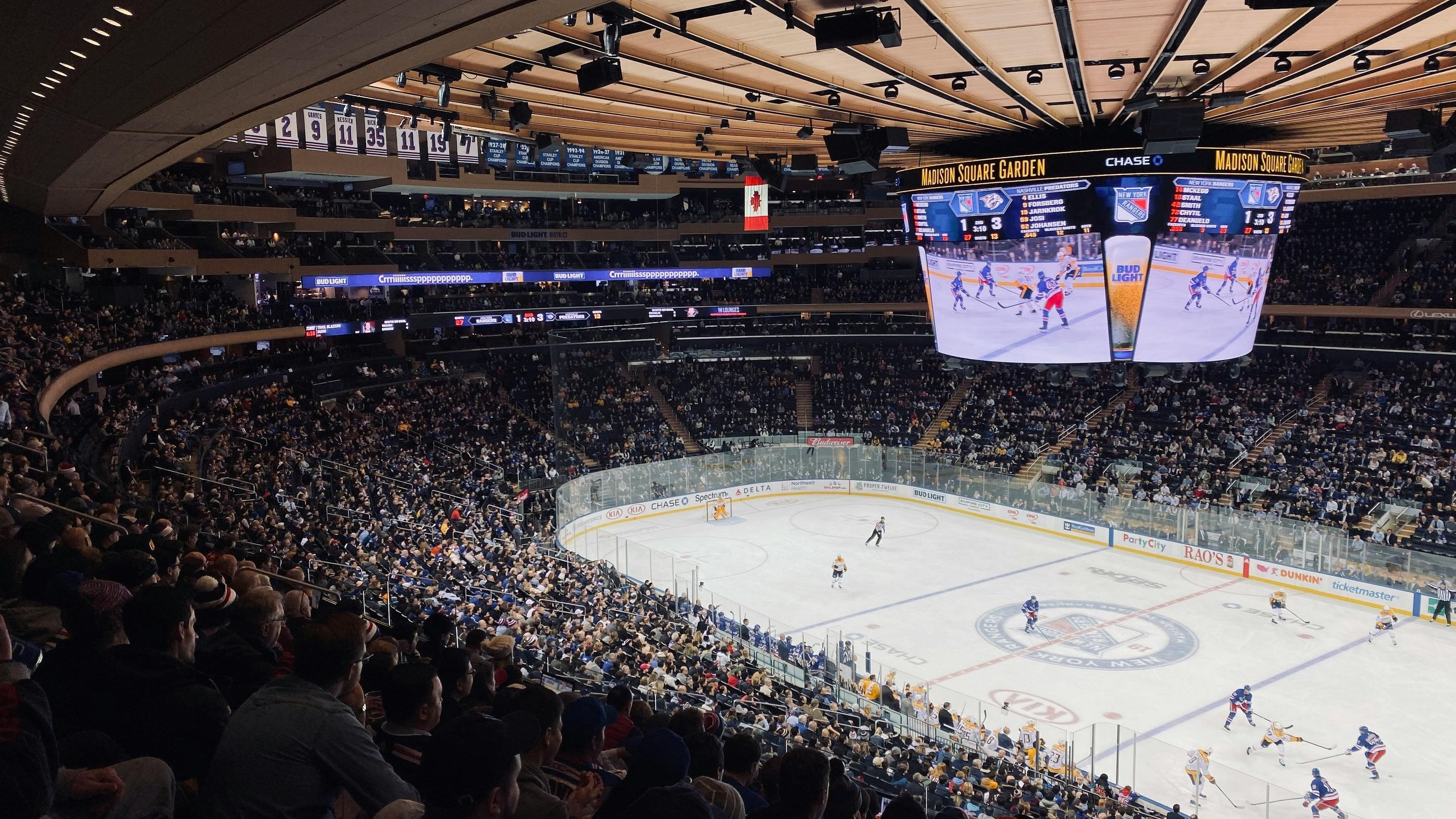
It's no secret that advertising is an integral part of professional sports.
People who don't care about football tune into the Super Bowl every year just to watch the commercials. Baseball stadiums show tons of ads from their sponsors.
Major league soccer boasts ads all over the world. Jersey patches show sponsor logos. Players wear shoes from brands that sponsor them and become walking advertisements. Big name companies like Ticketmaster and Toyota sponsor promotional events and games.
In the NHL, the dasherboards around the rinks have held advertisements since 1978. But the game changed in 2022. The NHL board advertising started looking way different on TV than it did in the arena.
The Brief History of Virtual Ads in the NHL
Professional sports have been using technology to enhance their TV broadcasts for decades. MLB was the first to introduce virtual advertising in 1995. The NFL started using CGI to show the yellow line that represents first-downs in 1998.
The NHL dipped its toes into virtual advertising during the 2008-2009 season. The MSG Network projected virtual graphics onto the board glass during a New York Rangers game.
The Philadelphia Flyers followed in 2010. They generated $500,000 in virtual ad revenue throughout the season. Most rinks adopted some form of virtual advertising afterward.
The league first used virtual rink board ads in 2016 at Air Canada Centre (now Scotiabank Arena) in Toronto. They adopted tech used by Spanish soccer leagues, showing ads from one brand at a time across the full length of the boards.
How The New Digital Ads Work
The NHL teamed up with Supponor, to use AI to create digitally enhanced dasherboards (DEDs). Cameras angled at the boards allow the AI systems to change ads during game broadcasts in real-time. (Some camera shots during broadcasts still allow for the printed board ads to be visible)
Why The Switch to Digitally Enhanced Dasherboards?
AI use has skyrocketed in recent years, and professional sports are no exception to that. Sports leagues have been using artificial intelligence to sell tickets and schedule games. It's no surprise that NHL board advertising has gone the AI route as well.
Pre-DEDs, NHL board advertising was for local businesses and major team/arena sponsors. These ads were up for long periods of time, leaving little room for new sponsors to market.
Local business ads didn't resonate for far away fans who couldn't relate to what was being marketed to them. Ads were also often relative to the home team, alienating opposing team fans. Ad opportunities were missed when board ads were static on TV for the entire game.
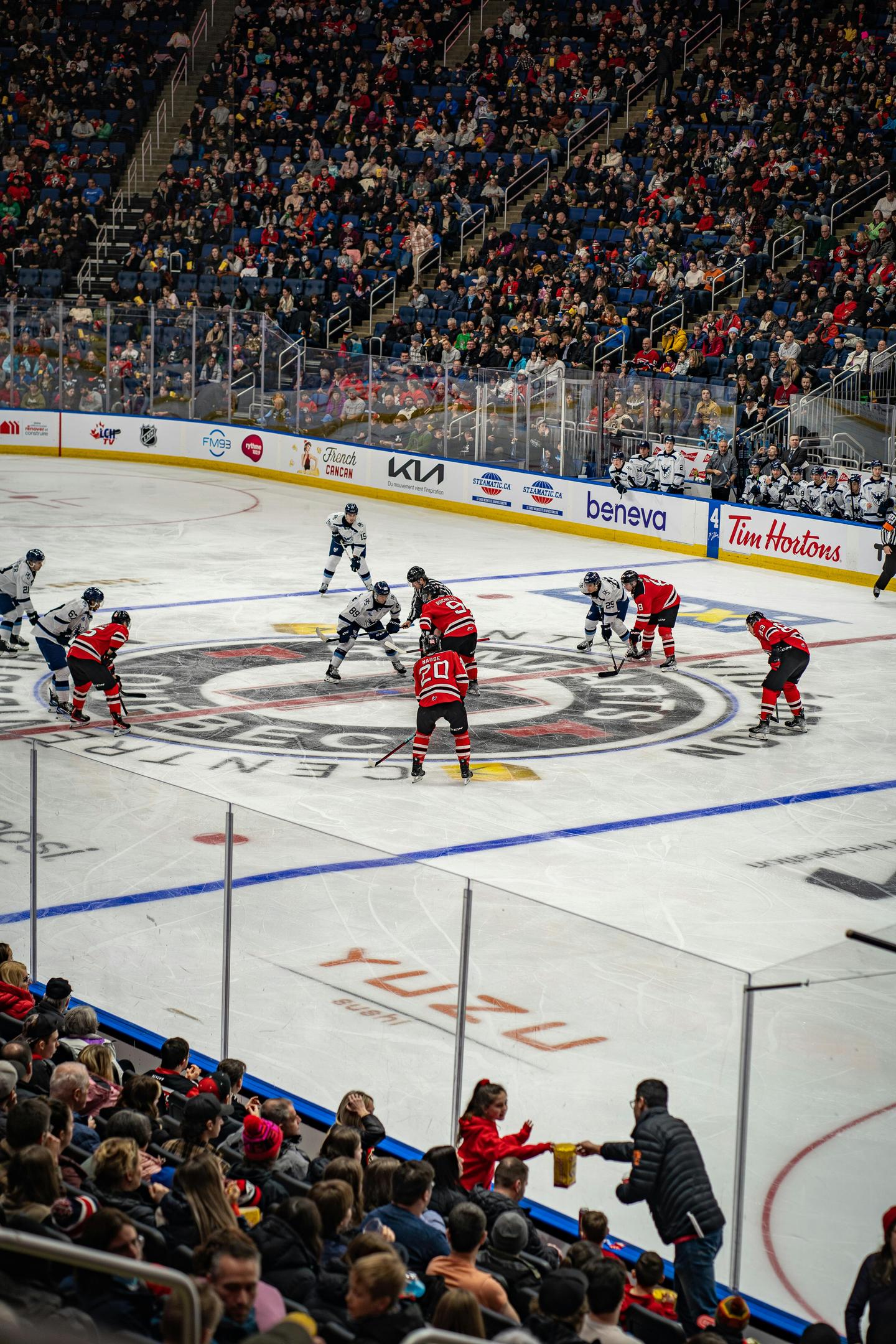
With the new technology, different ads can market to different audiences. NHL arena attendees can still see the local, physical board ads. Television viewers will have a different experience with the digital board ads.
Games air on a few platforms, so the NHL board advertising can give varying ad experiences. Fans watching national broadcasts will see different ads than those using streaming services. The technology also allows digital board ads to transition in a smooth and quick manner.
The ads also change every few minutes, creating space for 50+ brands to have their ad shown during the same game. With over 1300 regular season NHL games per year, hundreds of brands can now be showcased during television broadcasts.
The new AI tech also allows digital ads to appear on the ice surface, which is prime real estate during NHL games.
Sponsors have ice surface ads in the arena, near center ice in the neutral zone, and in the corners of the NHL rinks. The new tech allows for ice ads to change on TV during the broadcast.

Why The Digital Board Ads Work
Physical board ads in the hockey rinks create limits to how many advertisers can market at once. The printed ads stay up for the whole season.
These cost advertisers anywhere from $100,000 to up to $600,000 for major market arenas. Long-term visibility is great, but leaves no space to sell ad space to brands who want their name around the rink.
The league created opportunities for themselves & advertisers by adding DED's into the mix. 700 new brands got rinkside ad space. During the first season with digital board ads, the NHL saw a 21% increase in sponsorship and ad revenue.
That's over $1.8 billion! More sponsorship brings more money for the league. The digital dasherboard ads have created a major new revenue source.
The digital dasherboards also allow for quick, interactive experiences. Brands can show content that fans can engage with, like hashtags. Interactive content can grow brand following and visibility. It also creates fun experiences for fans and allows them to become a part of the experience.
In 2023, the NHL got nominated for a Sports Emmy and given the Sports Breakthrough of the Year award by Sports Business Journal for the new board ads.
Watching Experience for Hockey Fans
Some NHL fans expressed concern about the new technology. A few viewers experienced glitches, like the puck getting lost behind the digital ad boards during game play.
Supponor and the NHL have since turned down the brightness on the digital ads to stop the glitches.
The DEDs also act as an alternative to traditional commercials and have allowed for less frequent ad breaks during games. Commissioner Gary Bettman said in a 2022 interview that polling showed hockey fans found the game easier to watch since the DEDs started.
Fans have taken issue in the past with increased ad presence. Helmet and jersey ads have gotten negative feedback, as well as painted ice surface ads.
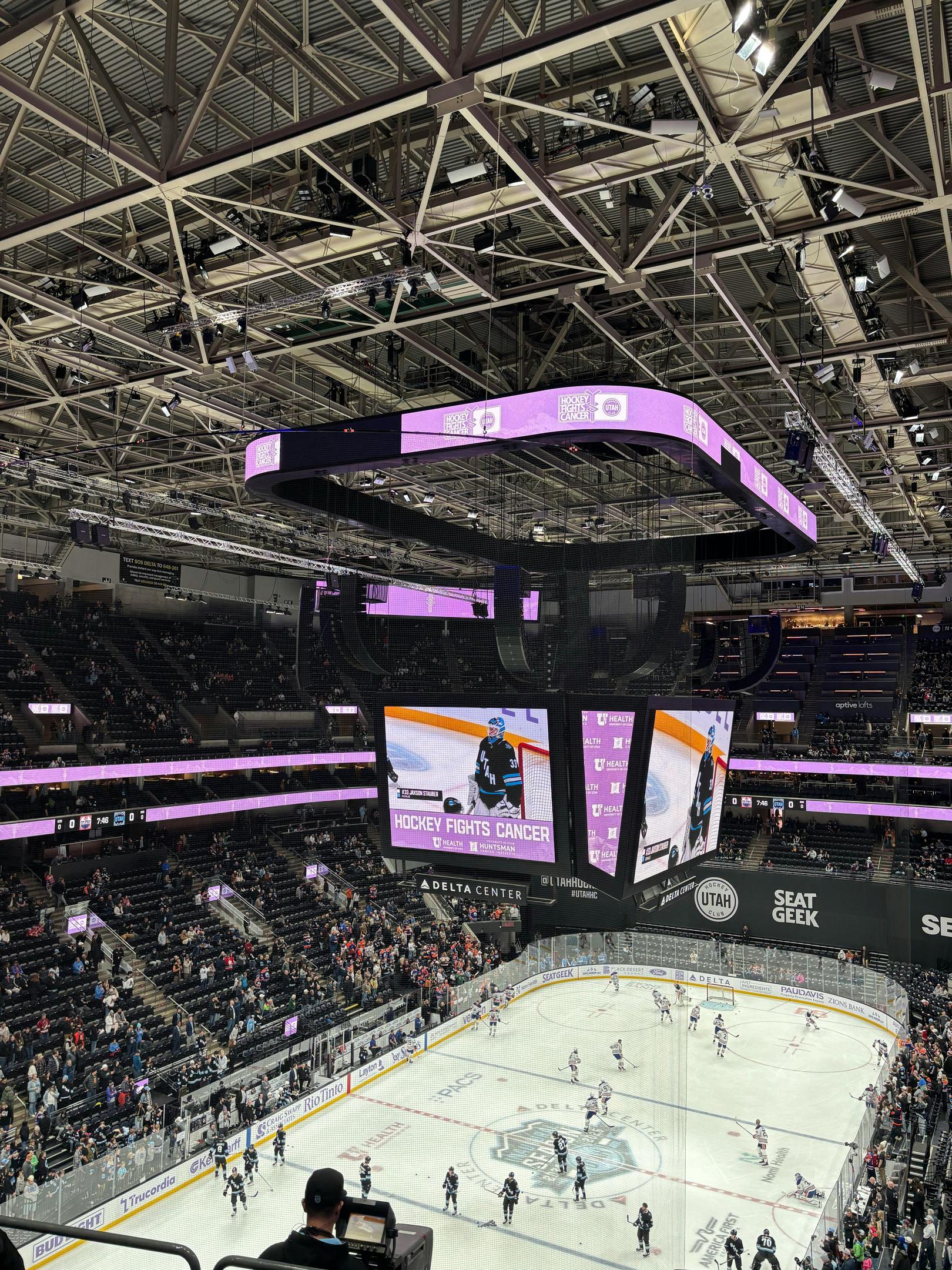
In reality, more advertising space increases global partnerships and revenue. More money for the league means more money to put into the game-watching experience. Concessions at arenas and merchandise can improve with more funding.
More league support for sponsors can allow more special events and themed nights presented by brands to happen. Without sponsorship, the NHL fan experience would be different. No sponsorship and ads would likely lead to lower production quality.
The Future of NHL Board Advertising
The NHL saw its highest viewership in over a decade for the 2025-2026 season. Increased viewership means maximized revenue and securing big-ticket advertisers. The market for advertising in pro hockey is larger than ever since content can appear in real-time to intended markets. Prime time games are prime real estate for advertisers!

The league has goals to use the digital boards for other things, like real-time in-game content. Dasherboard graphics to announce scored goals are already in use. Player stats and game announcements are potential uses for the digital space. Upcoming events can also be promoted on the boards, like themed games and giveaways.
The possibilities are truly endless with NHL board advertising.
🪽 Written by Abby Bell
join 50k marketing girlies
Private Marketing Girly LinkedIn Group
A private community where young women in marketing network, collaborate, and support each other.