
2026 is the new 2016: Why is 2016 So Nostalgic and How Brands Profit From Nostalgic Marketing
May 29, 2026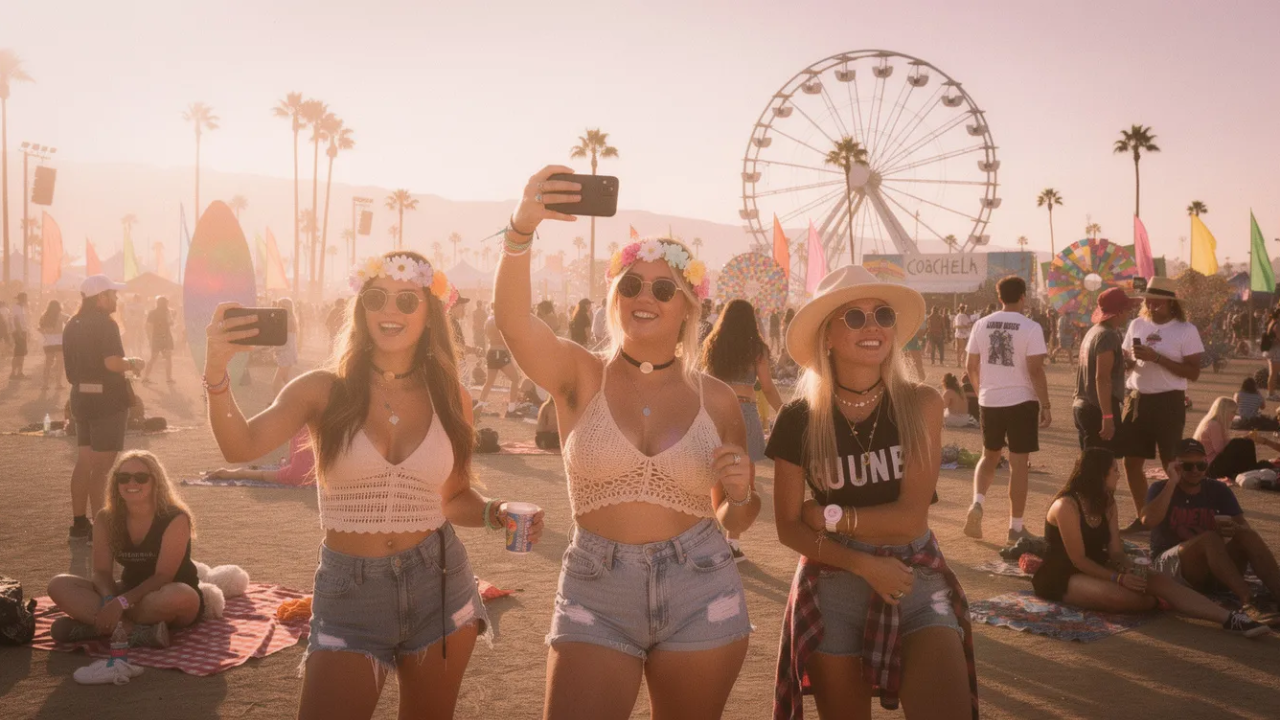
"2026 is the new 2016" became one of the biggest TikTok trends late last year, entering into the new year.
Many older Gen Z users use this trend to reminisce about the music, fashion, memes, and internet culture that made 2016 so iconic. This viral trend recently sparked many Gen Zers to reflect on the lifelong impact the year had on them.
Even a decade later, we are still hooked on 2016, but why? Why is 2016 so Nostalgic to many of us?
What is Nostalgia?
Have you ever thought about a favorite childhood TV show, song, or trend, and instantly felt a warm feeling inside? If so, it is because your brain often connects your memories to feelings like joy, peace, and comfort you experience later in the future. Nostalgia is the bittersweet emotion and feeling of longing for the past. It's tied to a person's emotions, shaped by their life experiences, culture, and external influences.
Experts believe that Nostalgia is intertwined with early memories and influences from our childhood to adolescence. This results in the romanticization of things and specific time periods from a person's youth.
This is why many users in this particular age group view 2016 trends as more than entertainment, but as a representation of their childhood and a pivotal time in their lives. But still what makes 2016 so nostalgic for Gen Zers?
Why 2016 is so Nostalgic to Young People
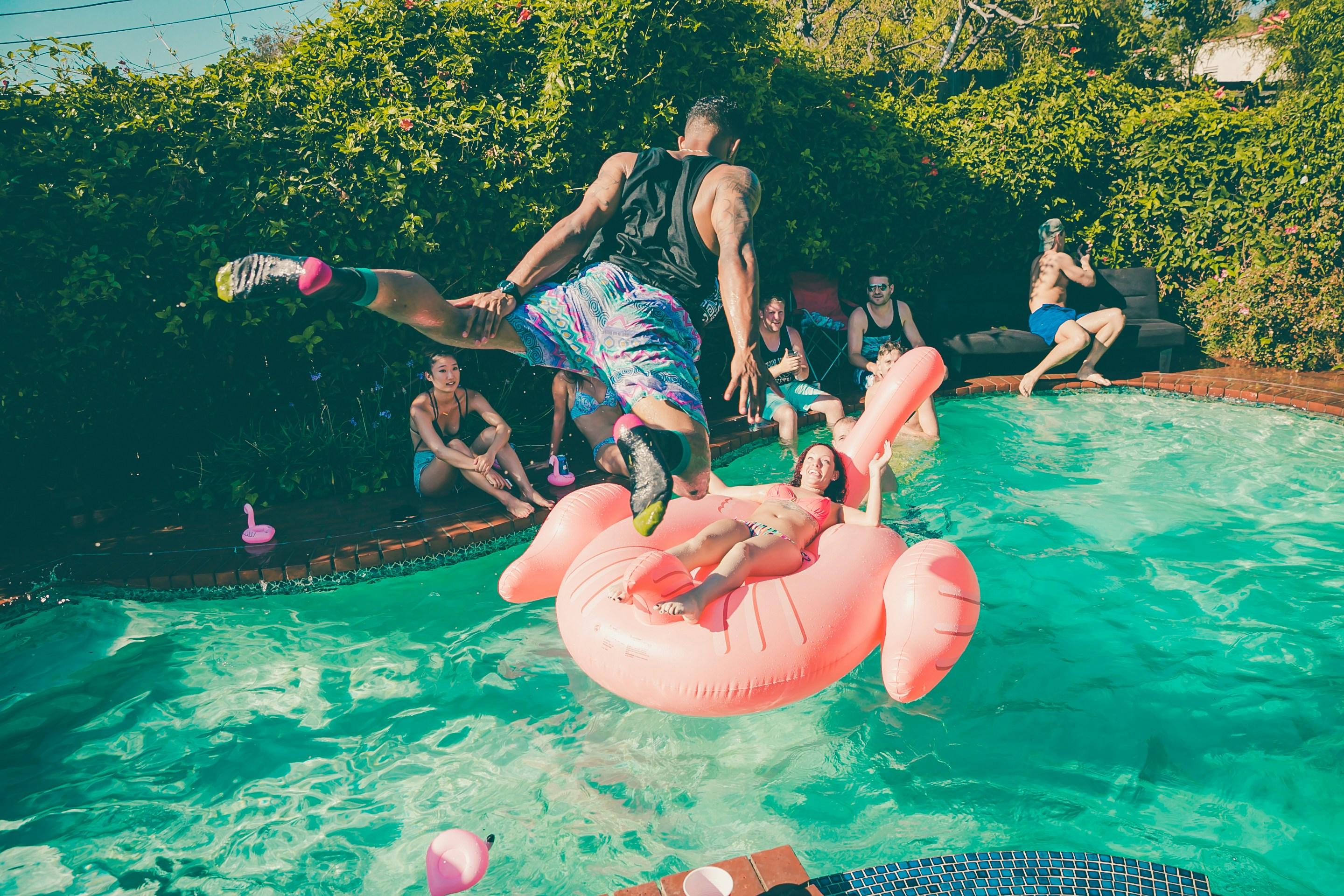
The year 2016 was filled with viral songs like "Lush Life", Vine compilations, lip-syncing Musical.lys, Justin Bieber hits, and trendy Snapchat filters. These trends and pop-culture phenomena formed deep emotional connections for most people who participated because they were connected and fostered during their early developmental years.
As a result, 42% of Gen Zers and young adults now look back on the 2010s with nostalgia because it reminds them of a simpler time that represents bliss, carefreeness, and the hope of childhood.
Another answer to why is 2016 so nostalgic is because that year is seen as the beginnings of social media. Back then social media was very new and had fewer users, so content felt very natural and authentic.
Studies show that the number of social media platform users grew from 970 million in 2010 to 5.79 billion in April 2026. With the rise of social media, there's been a shift in the types of content and trends shared, with many creators taking a more algorithmic approach.
Unlike the majority of curated content consumed today, 2016 social media felt more community-driven than brand-driven.
Many users believe that the lack of authenticity and the use of artificial intelligence have hindered trends from spreading naturally. The viral TikTok trend has shed light on users' longing for the effortless 2016 trend cycles to make a comeback, and marketers have been catching on.
How Marketers Use Emotion Invoking Marketing to Connect with Gen Z
It's no secret that marketers have been using emotional connection to appeal to their audience and customers for generations. Emotions are a part of our everyday lives, and they impact how we see the world, make decisions, and interact with others.
So, it's no wonder that emotions can impact how consumers interact with brands. Emotional marketing is a strategy that uses storytelling and psychological appeals to connect with its audience on a deep, personal level, leveraging comfort, relatability, anticipation, and nostalgia.
Nostalgia is a strategy many marketers use to draw back a specific audience and or age group. They do this because people are naturally drawn and loyal to things they feel emotionally connected to. If a consumer associates a product, trend, or brand with a positive childhood memory, they are more likely to engage or purchase it because of the familiarity.
Marketers understand this concept and use emotional connection and nostalgia to further strengthen their relationships with their audience. Two of the strongest examples of nostalgia used in marketing today would be Kylie Jenner and the return of her iconic "King Kylie" era, and Disney's Hannah Montana 20th anniversary special.
The Rise of Kylie Cosmetics
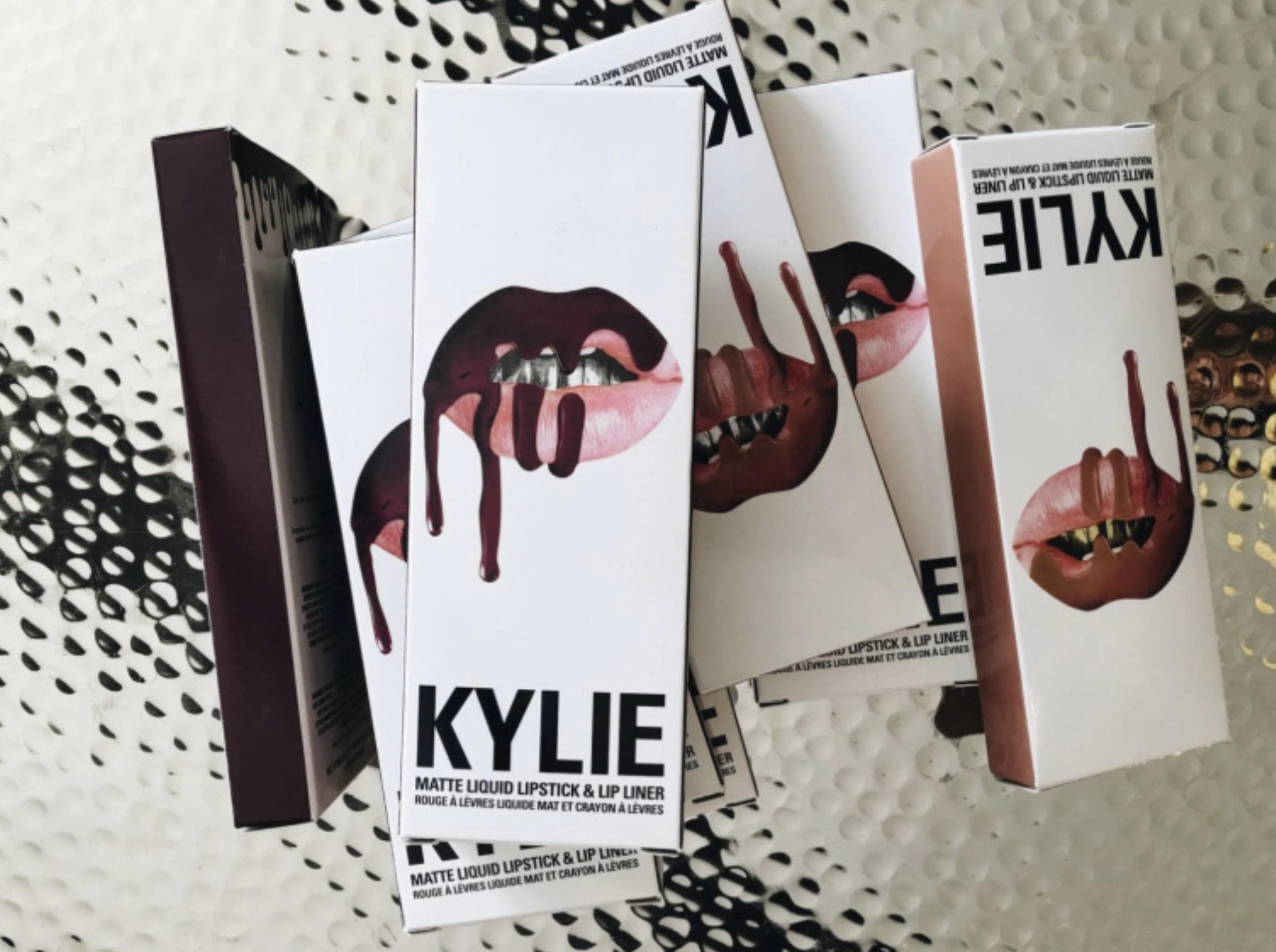
Over the past decade, Kylie Jenner has become one of the most influential internet figures of her generation. In 2015, her lips and makeup style sparked one of the most viral beauty trends known as the "Kylie Jenner lip challenge". Millions of girls were participating in this challenge, trying to recreate her pouty lip look. This challenge would later push Kylie into the spotlight and establish her as a prominent figure in beauty and pop culture during 2016.
Due to her popularity, Kylie would go on to launch her company Kylie Cosmetics, and release her iconic "Kylie Lip Kits". The lip kits became an instant success, selling out within the first minute of their release.
Kylie Jenner's persona on social media became an inspiration for many teens during this time, feeding into the reason why 2016 was so nostalgic, and her forward-thinking would define makeup trends, beauty culture, fashion, and the social media aesthetics of 2016. This time period would later become known as her "King Kylie" era, establishing an iconic and memorable time in pop culture.
The 10-Year Anniversary of King Kylie
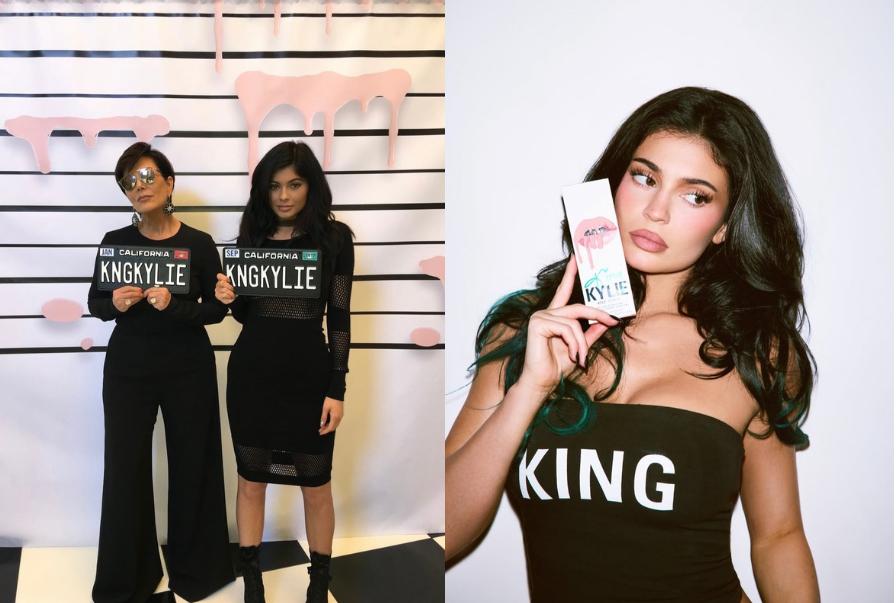
A decade later, Kylie Jenner released the limited-edition King Kylie Collection to celebrate the 10-year anniversary of Kylie Cosmetics. The collection brought back some of her most iconic products from the 2015–2016 era, including matte lip kits, lip glazes, and an eyeshadow palette.
While explaining the vision behind the campaign, she said, “Keeping everything fun and nostalgic, reminding people of how they felt 10 years ago, is what people want to see from our brand.” The campaign successfully reconnected Kylie with her audience by reviving the emotional connection people had with those products years ago.
One of Kylie’s biggest strengths is that she and her marketing team understand what their audience wants from the brand. She knows that building a strong community creates longer-lasting support than chasing short-term internet trends, and she is not the only brand using this strategy.
The Past Decade of Disney Channel and Its Lasting Cultural Impact
During the 1990s, The Walt Disney Company created the well-known and loved television network, Disney Channel. The network gained popularity in the late 1990s, but viewership soared in the early 2000s, thanks to mega-hit TV shows and movies like High School Musical, That's So Raven, and The Suite Life of Zack and Cody.
Many young adults who grew up on these shows, still connect with favorite childhood shows because they serve as an escape and a bridge to the past.
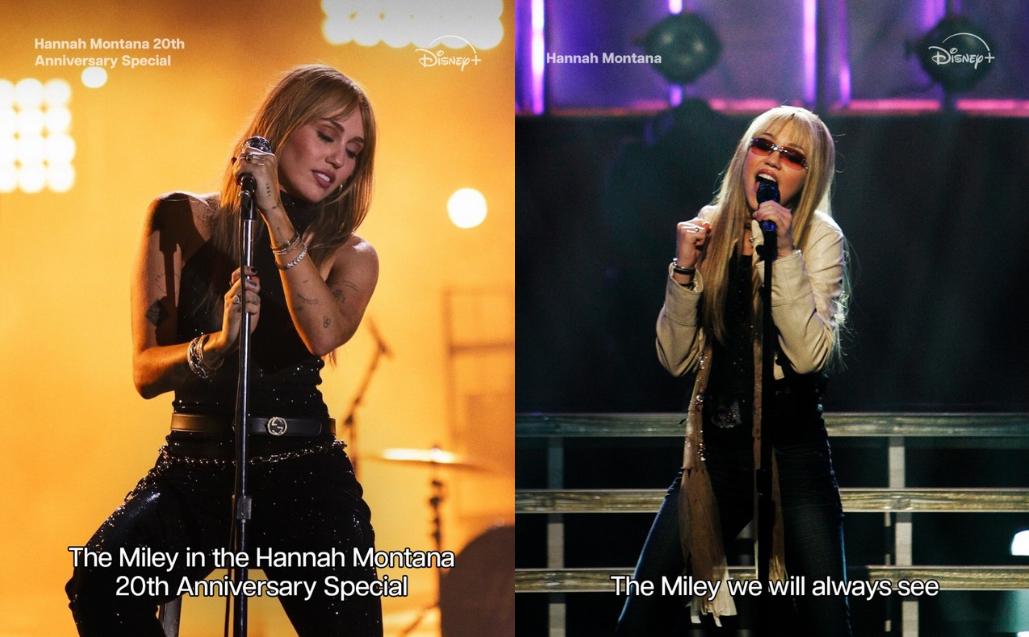
One of the most beloved and iconic shows from this era was Hannah Montana. Hannah Montana was one of the most-watched shows of its time, leaving a lasting imprint on those who grew up watching it.
Two decades later, Disney would recognize this series by releasing a 20th-anniversary special honoring its cultural impact. The special was a huge success, with Walt Disney Company reporting that it reached 6.3 million views and increased Disney's viewership by 1,000% that week..
Despite what you may be thinking, it was not a majority of kids in the crowd, but rather, grown-ups who wanted to feel and discover the magic of being a kid again. The stats reported show how nostalgia can reconnect a brand to their audience, and how using community-driven marketing can maintain customers loyalty.
So, what can marketers learn from Kylie Cosmetics and Disney's approach to marketing?
What Can We Learn From Leading Marketing Experts
-
First, listen to what your audience wants from your brand. Both Kylie and Disney are tapped into what their audiences value because they pay attention to trends, customer feedback, and social discourse. You should want to create a long-lasting brand identity instead of following fleting social media trends that die out quickly. This helps your brand stay relevant no matter what's trending and popular because you've built your own brand identity over a long period of time.
-
You should want to build a long-lasting brand identity rather than follow fleeting social media trends that die out quickly. This helps your brand stay relevant no matter what's trending and popular because you've built your own brand identity over a long period of time.
- A brand can successfully reconnect with an audience when they itap into emotion-evoking marketing. This marketing strategy works because customers are more likely to support a brand or product when they feel a sense of familiarity with it.
🪽 Written by Lauren Nichols
join 50k marketing girlies
Private Marketing Girly LinkedIn Group
A private community where young women in marketing network, collaborate, and support each other.