
Why Great Songs Fail Without Music Promotion Management
Sep 30, 2026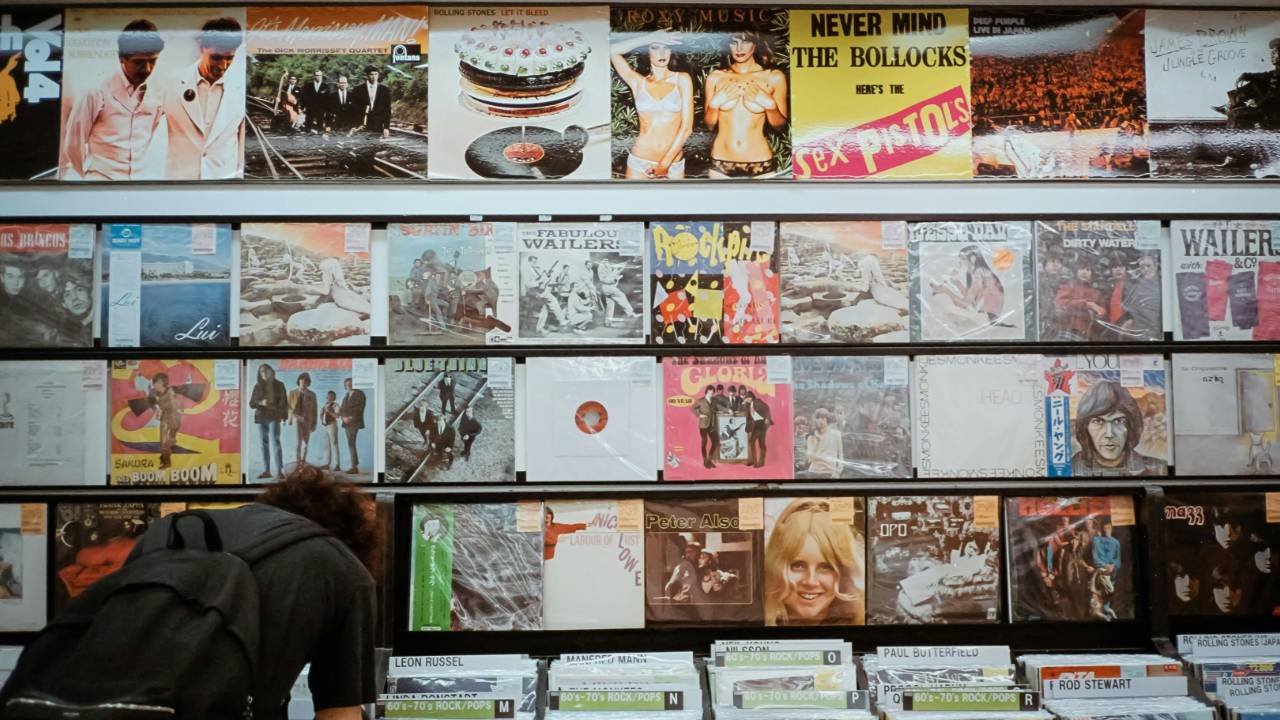
Making music is no longer the hardest part; getting people to listen is.
By the end of 2025, 253 million music tracks had been released. And yet 73% of those tracks received fewer than 100 annual streams. Simply put, in an undeniably oversaturated music industry, a song can be great and still go unheard. That's where music promotion management comes into play.
So what exactly is music promotion management? And how does it work? In its essence, it is the strategic bridge that connects releases to artist branding, storytelling, engagement, and career momentum. By using these intentional marketing elements, strategic promotion can turn a single release into something much bigger.
The Song is Only The Starting Point
You've just released a new song, now what? In the digital era, music discovery has become much more fragmented. You could find your next favorite song by scrolling on TikTok, checking out a suggested Spotify playlist, or even through a friend's Instagram post.
While this gives emerging artists more opportunities to reach listeners, it also creates a challenge: how do you ensure your music reaches the right target audience?

Effective music promotion management starts by understanding the complexities of new music discovery methods and when that initial interest drops. In fact, song-to-artist discovery can be a particularly weak link.
Among 16-24 year-olds who discovered new artists in the past year, only 19% took the initiative to explore more music from that artist, compared with 24% of 25-34-year-olds. A listener may enjoy a track and still move on without exploring the artist's discography, following them on social media, or becoming a fan.
From an artist management standpoint, the moment of discovery is a critical opportunity that needs careful curation. Rather than treating a release as an isolated event, artists and their teams can use audience insights to determine which streaming platforms, messages, and content are most relevant to their niche. The goal is not simply to generate streams, but to create a pathway that encourages listeners to take the next step.
Building a Campaign Around the Music

With music promotion management, an artist can create a series of touchpoints that tease the song, build anticipation, and keep audiences engaged after release. In other words, a release doesn't just begin on release day.
Behind every successful song is a release strategy designed to turn it into a moment. Tate McRae's initial standalone single "TIT FOR TAT" is a great example of how that moment can take shape when music, timing, and audience curiosity intersect.
The song was released just a few weeks after The Kid LAROI's "A Cold Play," prompting speculation that it was a response to their recent breakup. While neither artist confirmed or denied the connection, listeners were quick to compare lyrics and interpret the coincidental timing of the two releases.
The speculation gave listeners another reason to press play. They weren't simply listening to a new song; They were trying to understand the story behind it. While on tour, McRae subtly teased the track during her Miss Possessive tour, flashing "T4T" briefly on screen before the song was announced and officially released on September 26th, 2025.
The result was a release that quickly became bigger than a standalone track. "TIT FOR TAT" ended up No. 3 on the Billboard Hot 100, significantly quicker than her highest- charting song at the time, "greedy".
Not only that, the song capitalized on pre-orders for the later inclusion in the deluxe edition of her album So Close To What???. By utilizing strategic surprise drops and narrative-led marketing, this campaign demonstrates the power of giving audiences a reason to pay attention beyond the music itself.
Making the Artist Part Of The Story
People may discover an artist through a song, but building a connection means giving audiences something to recognize, relate to, and remember. This all starts with a distinct artist identity.
Visuals, content creation, interviews, music videos, album artwork, and fashion can all shape how an audience perceives an artist. When these factors reinforce one another, a release can feel like part of a larger narrative rather than an isolated piece of content.
Jennie Kim's solo music career shows how personal identity can shape an artist's organic growth. Her 2025 album Ruby marked a new beginning in her solo career, embodying her creative interests and personal flair beyond her time in the girl group "BLACKPINK." A solo music career also gave her the liberty to create music and lyrics that resonated with her personal experiences. That identity extends beyond the music as well.
Jennie's styling, visuals, and public persona combine to create a renowned "It Girl" image, allowing audiences to experience her as more than just a vocalist or a performer. Her multi-faceted approach gives listeners opportunities to feel closer to her music as an artist and as a person. One good example is the Jennie X Spotify collaboration prior to her album release, which launched "Rubify," an immersive listening experience in Seoul that brought 200 fans together to experience the album before its release.

Interactive marketing strategies like "Rubify" make a real difference by curating excitement and exclusivity with the right audience, accelerating not only artist development, but also fan growth.
Laufey is another artist who embodies this connection. Her music's sound and aesthetic make it natural to associate with her image and brand identity. On top of that, her music brand extends to events like "A Very Laufey Day", an immersive event that brings listeners together around music, art, and shared experiences.
This event creates a sense of community that goes beyond a single song. Rather than simply promoting her music to an audience, Laufey takes a step further and gives listeners something they can identify with and participate in.
Both of these artist campaigns illustrate an important nuance. Building a brand identity is not just about creating recognition; it is about creating connection. For music promotion management, the takeaway is that an artist's branding can be just as important as the song being promoted. When music marketing strategies give audiences more than a song to remember, a single interaction can blossom into an artist-superfan relationship.
Turning Attention Into Connection

For many artists and their teams, the goal is not simply to generate attention, but to understand whether that attention is turning into a loyal following. A stream can show you when someone has listened, but deeper engagement reveals whether they have a reason to come back.
A study by Luminate found that most independent artists who use Instagram to build valuable connections see a median streaming growth of 23% year over year. This being significantly higher than the mere 3% growth by the median artist during the same period. Audiences can also have value beyond streaming services.
Research shows that Instagram's daily music engagers are more likely to attend concerts and music festivals, purchase physical music, and have higher average listening habits. This shows how social engagement can extend into other forms of music consumption.
Spotify for Artists similarly identifies "The Fan Funnel", the journey to become what's known as a "Super Listener." Interestingly, Super Listeners make up just 2% of an artist's monthly listeners but have a huge impact on an artist's Spotify growth. Some stats being: they drive over 18% of monthly streams, 1 Super Listener streams as much as 20 programmed listeners, they are 9x more likely to share music with their network, and they account for 50% of artist ticket sales through Spotify.
Most importantly, more than 50% of an artist's Super Listeners will continuously be streaming their music 6 months after discovery.
Together, these findings point to an important shift from surface-level promotion to audience integration into an artist's world. Metrics like streams, saves, shares, follows, and even UGC content can help music marketing teams understand what is working and use those insights to shape what comes next.
Creating Momentum That Lasts
Great music may be where the journey begins, but it is rarely where the story ends. In a fragmented music landscape, getting listeners to press play is only the first step. Turning that moment of discovery into a lasting impression requires a campaign that builds anticipation, an artist identity to connect with, and a strategy that turns engagement into real fans.
That is what makes music promotion management an ongoing, adapting process rather than a series of disconnected release campaigns. It's about connecting the pieces. Knowing the right platforms to reach new audiences, creating stories that give them a reason to care, and using audience insights to understand what keeps them coming back.
Every release can build momentum. A song creates the opportunity. A campaign can spark conversation. An artist's branding fosters connections. And insights from each release can create momentum for the next.
The goal isn't just to get people to listen. It's to give them a reason to stay.
Ready to take your music promotion beyond the release? Turn each song into an opportunity to build something that lasts.
🪽 Written by Feronia Mei
join 45k marketing girlies
Private Marketing Girly LinkedIn Group
A private community where young women in marketing network, collaborate, and support each other.