
Why Great Purpose-Driven Marketing Matters for Nonprofits
Jul 17, 2026
Every nonprofit organization starts with a problem it wants to solve or make better.
This could be a small, community issue or a nationwide issue.
From helping veterans to changing public policy, nonprofits exist to make a lasting impact. They exist to help others.
Nonprofits need people to believe in their cause. Without volunteers or donors, it's hard to make real change happen.
Amazing storytelling is the key to effective purpose-driven marketing.
Purpose-driven marketing is different from regular marketing. Regular marketing focuses on selling a good or service to a particular audience. Purpose-driven marketing inspires an audience to take action for a particular cause.
A nonprofit drives purpose, not profit. Its success depends on its impact, its engagement with its donors, and the trust it builds over time.
A powerful way to achieve success is through good and impactful storytelling.
Storytelling through purpose-driven marketing brings a nonprofit’s mission to life. It helps people see, feel, and understand its mission.
It proves to the audience how the nonprofit's work has changed lives. It allows people to experience the mission and purpose through the voices of others.
What is Purpose-Driven Marketing?

People want to support causes they believe in. Purpose-driven marketing helps nonprofits show audiences why their work matters. It’s not about selling a product or service; it’s about building trust and relationships.
Social media posts, newsletters, blogs, and events must emphasize the organization’s mission. Purpose-driven marketing proves to an audience that their support is making real change.
Purpose-driven marketing also helps nonprofits stand out in our world of digital noise. Through social media alone, people consume an endless amount of information every day.
Nonprofits must state what their mission is, who they help, and why it matters. This ensures people are much more likely to support, contribute, and share with others.
Why Storytelling Matters in Purpose-Driven Marketing

People rarely remember statistics. Why? Statistics don't make people feel anything, but stories do. Stories leave an impression, making them memorable in a way statistics are not.
A Stanford researcher conducted a study on this.
The researcher had ten students each give a pitch to their peers. 9 out of the 10 pitches included mostly facts and statistics while only one included a story. In the end, only 5% of the students remembered any statistic from the pitches, and 63% remembered the one story.
If you forget those numbers by the end of this blog, don’t worry. That’s actually the point. Statistics often fade from our memory, stories tend to stick around.
For nonprofits, storytelling helps people connect to a mission. A donor may not remember a nonprofit helping 5,000 veterans with mental health treatment. But they will remember one veteran's story about getting the support they needed.
That's the kind of story that sticks with a donor.
Stories help people understand why a nonprofit does what it does. They don't just focus on their accomplishments, they prove why those accomplishments matter.
Authenticity Builds Trust

In regular marketing, businesses make money by selling to customers. Whether it's business-to-consumer marketing or business-to-business marketing.
Nonprofits are different. In purpose-driven marketing, nonprofits rely on their donors, volunteers, and contributors. Nonprofits build lasting relationships by earning trust from their supporters.
Purpose-driven marketing plays a big role in building that trust. It helps ensure organizations use their resources wisely when promoting its cause.
Authenticity is the foundation of building trust with supporters.
Honest storytelling is telling real experiences that reflect the nonprofit’s mission. It is important to not sugarcoat the impact, as well. This can come off as performative to viewers.
It’s also important for a nonprofit to show off their successes plus their challenges. No nonprofit's journey is flawless, supporters know that. They want the real, honest story.
The people behind the mission should also be free to speak for themselves. Testimonials are a fantastic tool for nonprofits when building brand identity and trust.
Staying consistent is also crucial to maintaining honesty. Every blog post, newsletter, social media post, and event must line up with the mission. Over time, this builds long-lasting, strong relationships to keep the organization running well.
Telling Stories Across Marketing Channels
A powerful story shouldn’t live on just one platform. Nonprofits can reach a lot of people on many different platforms. Each platform provides different ways to engage with their audience to raise awareness.
Blogs are great for telling longer stories and testimonials. Social media is great for shorter stories by using photos and videos. They grab attention fast and encourage viewers to learn more about the organization.
Email marketing is another great tool for telling stories. Nonprofits can send updates or accomplishments about a project or campaign through newsletters. Email is also a great way to send a "thank you" message to donors.
Long-form videos on channels like YouTube are another great option to tell stories. Videos give a closer look of what the organization is working on. Videos also show the people "behind the scenes" involved in certain projects.
No matter the channel, the message should line up with the mission.
Honesty and consistency are key when using several marketing channels. This ensures it is more likely to build trust and good relationships with its supporters.
Key Takeaways
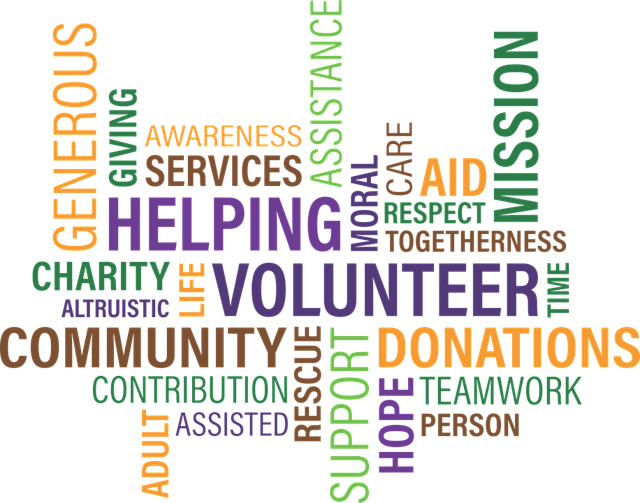
Purpose-driven marketing means much more than raising money or grabbing attention. Its main goal is to help people understand why an organization’s mission matters. Plus, showing what they can do to make a difference.
Storytelling is one of the best ways to do that. It turns facts into real stories that people can connect with and remember. These stories create a strong, long-lasting relationship with supporters.
Honest and consistent storytelling builds trust. It keeps people involved. It turns support into something long-term.
If you want to get into purpose-driven marketing, start looking beyond the numbers. People forget numbers. They often remember stories, because stories make them feel something.
Focus on the people behind the mission. Share stories that are meaningful, honest, and consistent.
Use different marketing channels to tell your stories to diverse audiences. Always be authentic and never steer away from your mission.
Good storytelling matters. One story can change a life or inspire someone else to join your mission.
🪽 Written by Regan Keefer
join 50k marketing girlies
Private Marketing Girly LinkedIn Group
A private community where young women in marketing network, collaborate, and support each other.