
What Makes Health and Wellness Marketing Interesting?
May 29, 2026
Have you ever watched a "Get Ready With Me" or wellness video and wanted to try the product yourself?
If so, you're not alone! That is exactly how social media has changed health and wellness marketing today.
Social media is a huge place where health and wellness marketing because people love content that they can watch in a very relatable and visually appealing way.
Platforms like TikTok and Instagram allow companies and influencers to make their personal wellness routines, their skincare tips, and healthy lifestyle videos or pictures in a way that feels personal and not promotional.
How Social Media Changed Wellness Marketing
Wellness brands and companies use short videos with platforms like TikTok and Instagram to create content about their lifestyle and products online. Brands want their content to help their buyers to become the "best version" of themselves by their routines.
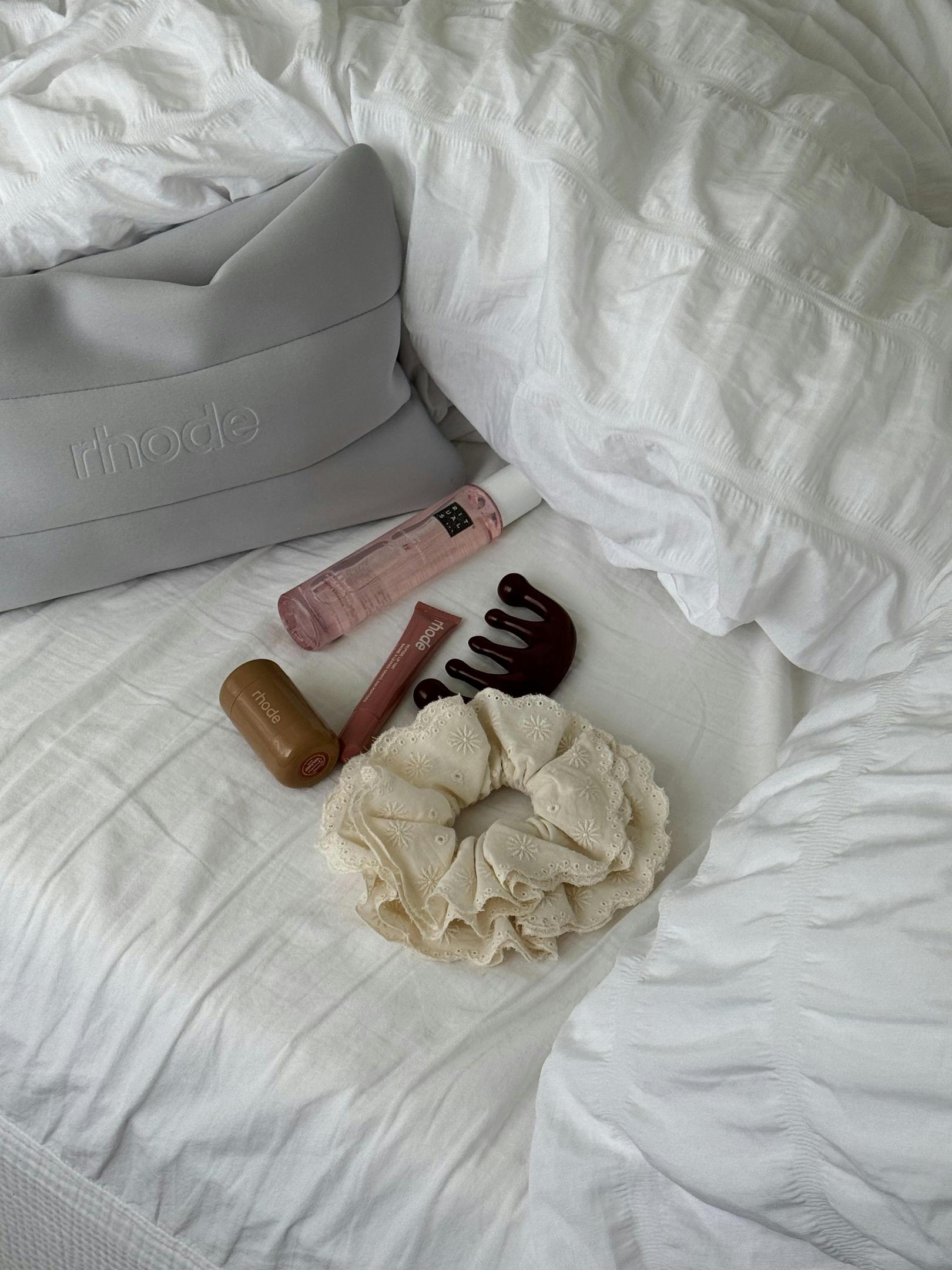
Brands like Rhode have created a huge strong online community by having their branding very minimalistic and aesthetic.
Content like theirs does not feel promotional but it feels authentic and makes people really interested in their brand. Hailey Bieber makes videos showing simple steps in her skincare routine using her own products that boosts consumer interest in her brand.
Hailey Bieber's morning routine
Influencer Marketing and Consumer Trust
Influencer marketing is huge in health and wellness marketing. Many people trust content creators that they follow online because their content tends to feel more personal than regular advertisements. When wellness influencers share their daily routines and their favorite products it makes it feel relatable for their audience.
Being authentic takes a big part in health and wellness marketing because people want brands to feel really genuine online, with younger generations they want to support brands that share their values and are community based.
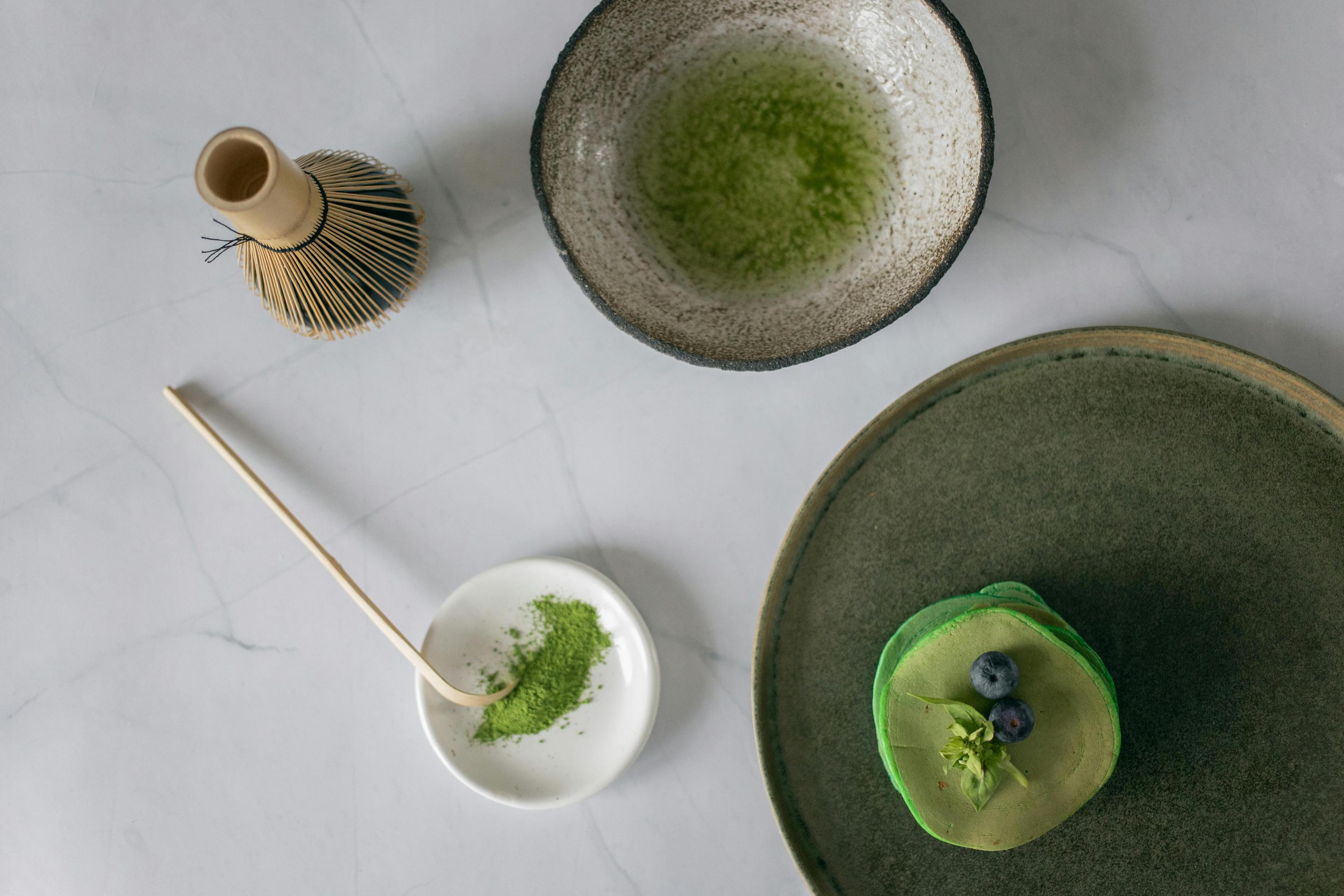
Matcha brands have also become much bigger from influencer marketing through TikTok.
https://www.tiktok.com/@namimatcha
Nami Matcha by Ashley Alexander has made a big online base that makes their branding very aesthetic with a personal touch to connect with their audience. They also have shared being a AAPI woman owned brand, which creates that emotional connection with people that want to connect with their audiences that want to support diverse businesses.
Ashley also built a huge group of supporters since she started posting on YouTube channel in 2018. With her audience following her content for years, consumers felt loyal and connected her personal brand to Nami Matcha. Brand loyalty and influencer relationships help wellness brands grow quickly!
Wellness Brands and Community Building
Wellness brands want to have communities instead of just promoting their products online. They want to make experiences that can help people feel connected to their brand and their lifestyle. Target audiences want to feel included not just being sold products.
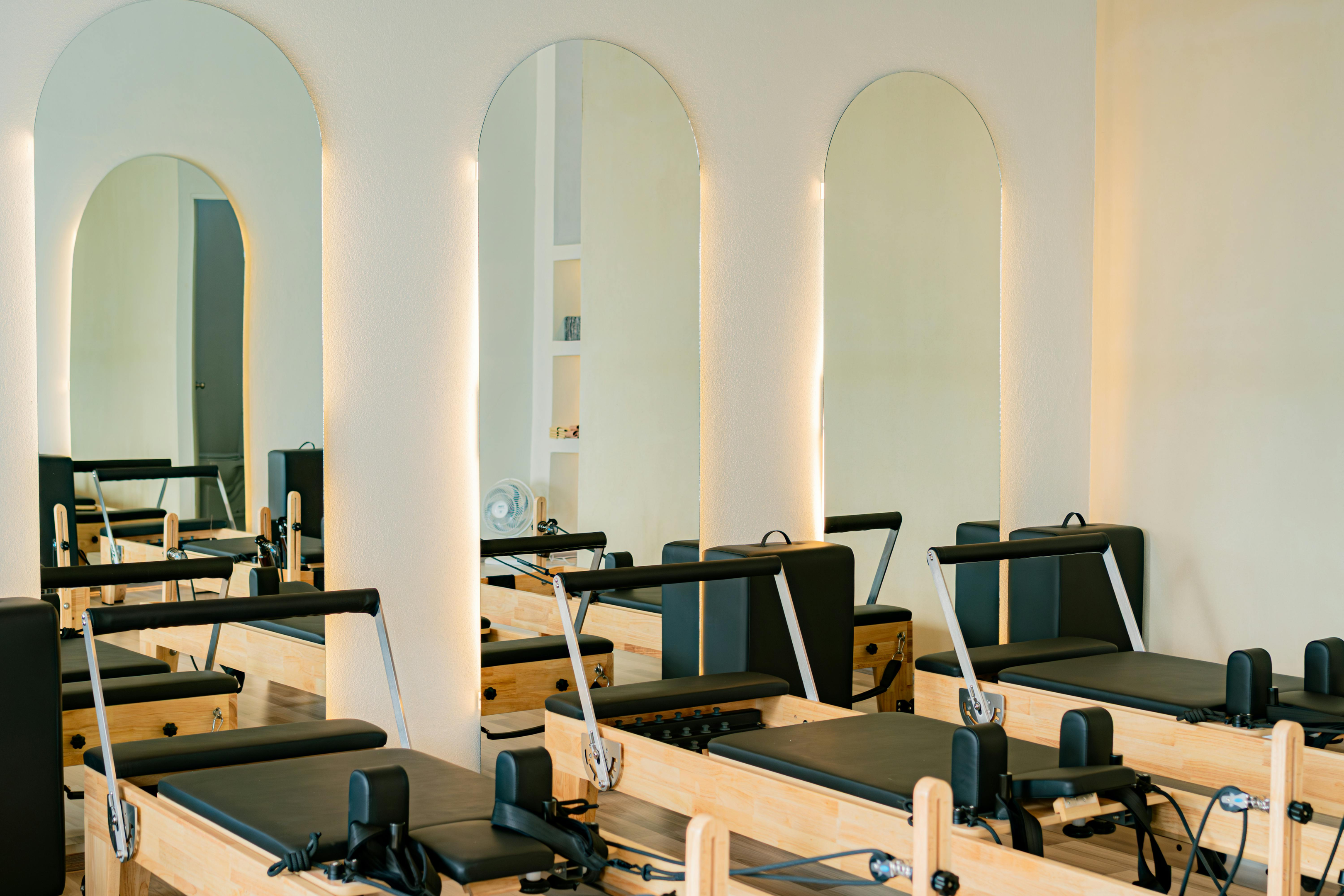
Alo Yoga has grown way beyond just athletic clothing by making wellness experiences and fitness communities. Alo promotes workout classes, including influencer partnerships and healthy lifestyle routines through social media.
Their social media content includes workout videos, wellness retreats, yoga classes, and different collabs with influencers to make audiences feel very connected almost like they are there themselves.
These marketing efforts want to be focused on creating a lifestyle that people want to be apart of. Wellness brands through social media are able to make emotional connections with wellness consumers while making loyal online communities.
Influencers and Wellness Brand Growth
A lot of people trust influencers because they share their personal routines, their get ready with me videos, and outfit checks, as well as talking about their personal insecurities. Alix Earle has promoted wellness and lifestyle products through her TikTok and Instagram content.
Because of her huge following on TikTok (8.5 million followers) and her strong online presence, many of her followers/ supporters feel very connected with her and trust the recommendations she gives.
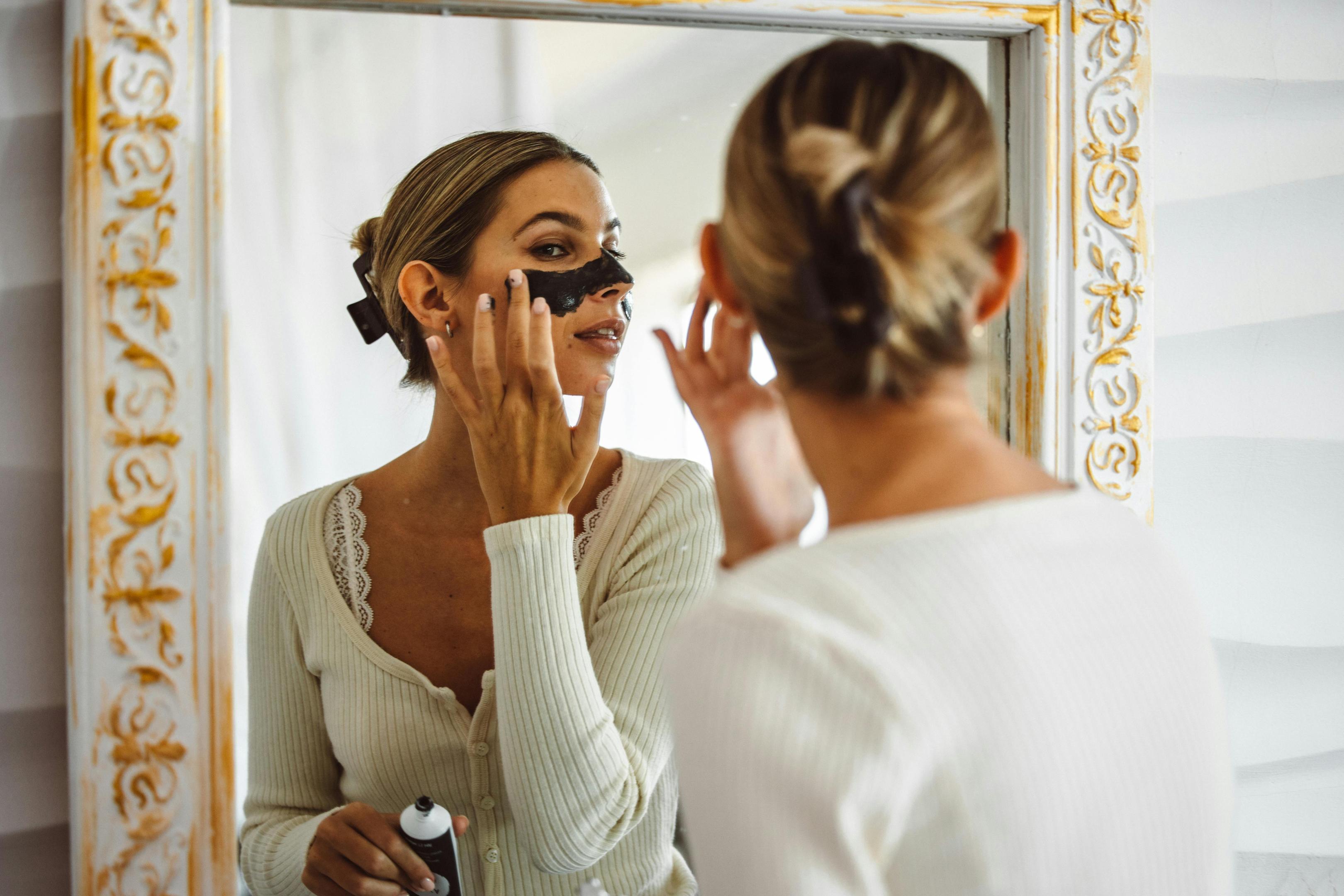
Alix Earle openly shared with her larger audience her acne journey and her personal experiences with Accutane on social media. She created a skin care line named REALE ACTIVES.
With her content feeling very honest, many of her followers already felt connected to her and trusted her opinions before she started to create her own wellness products.
The brand truly grew major attention online and REALE ACTIVES sold out after launch. Showing how influencer relationships impact product sales.

The Rise of TikTok Wellness Trends
TikTok truly has changed the health and wellness industry because trends spread around extremely fast online.
Videos that show skincare routines, aesthetic matcha drinks, workouts, and overall healthy habits that gain millions of views. Trends like these are used to increase engagement and have younger wellness audiences online.
"Wellness routine" videos also become very popular with Gen Z. Morning routines, "what I eat in a day" videos, and skincare content to keep wellness marketing strategies all over social media platforms.
Many health and wellness marketing businesses focus on making relatable and visually appealing content that fits in with current online trends.
Why Aesthetic Branding Matters
Aesthetic branding is an important trend in health and wellness marketing.
Wellness brands use minimalist packaging, calm colors, and they try to make visually appealing content to attract audiences online.
Social media platforms like TikTok and Instagram have shown how important it is to have good visual branding because people are always going to be exposed to videos and images throughout their day.
Brands like Rhode, Reale Active, and Nami Matcha, and Alo, they use aesthetic branding to create a lifestyle image that attracts audiences. Their content is clean, wellness routines and minimalistic designs that fit social media trends.
Health and wellness branding like this helps companies stand out online and build emotional connections with audiences.
Gen Z and Wellness Marketing
Gen Z has changed health and wellness marketing with younger audiences wanting to watch authentic and community based videos. Wellness consumers want brands that are transparent instead of promotional.
Wellness marketing strategies focus on social media engagement and influencer partnerships. Health and wellness brands also want to focus on supporting diversity and inclusivity. People want to support wellness and businesses that are active with their audiences and share their own values that feel very genuine. With this, brands make a strong emotional connection with their audiences through social media.
The Future of Health and Wellness Marketing
The future of health and wellness marketing will keep focusing on social media as well as many influencer partnerships.
With people spending a lot of time online, wellness brands will continue to adapt their marketing efforts to fit new trends. People always want their core values to fit into what they view on a day to day basis.
TikTok and Instagram have truly changed the game in the way health and wellness businesses connect with their audiences. If brands focus on their authenticity and aesthetic branding they will definitely continue to grow online in the future.
As social media grows, wellness brands will definitely continue to focus on authenticity, aesthetic branding and making strong communities to stay relevant.
🪽 Written by Ariana Garcia
join 50k marketing girlies
Private Marketing Girly LinkedIn Group
A private community where young women in marketing network, collaborate, and support each other.