
What Are Brand Pop Ups? 3 Proven Benefits & Examples
Jul 22, 2026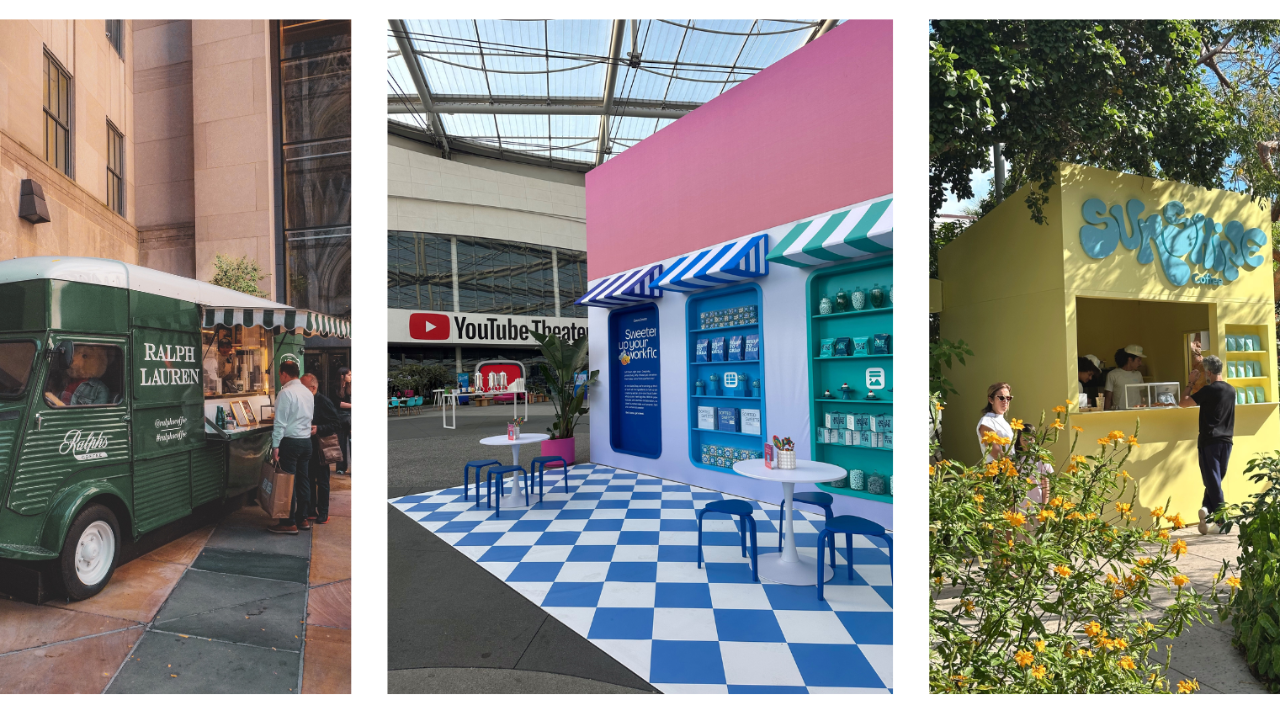
What is a Brand Pop Up?
Ads, social media posts, and all things digital flood our lives constantly in today’s world.
That creates a lot of noise for brands to cut through, so many companies are investing in brand pop ups to reach customers and be more memorable. Pop ups are temporary physical experiences that are built around interaction and storytelling.
Interactive activities can include customization stations, sampling products, and taking photos with immersive displays. These experiences are designed to introduce people to products, brands, and marketing campaigns.
Businesses and marketers can use pop up spaces as part of their marketing strategy to achieve a variety of goals.
For example, a 2024 survey from Capital One Shopping revealed that out of 600 retail professionals, 66% used pop up stores to build brand awareness, 63% used them to deepen customer connections, and 46% used them to introduce new products.
This article will dive into real-life examples of pop ups and discuss the numerous benefits they provide.
Strategic Benefits of Brand Pop Ups
#1 Lots of User-Generated Content and Brand Awareness
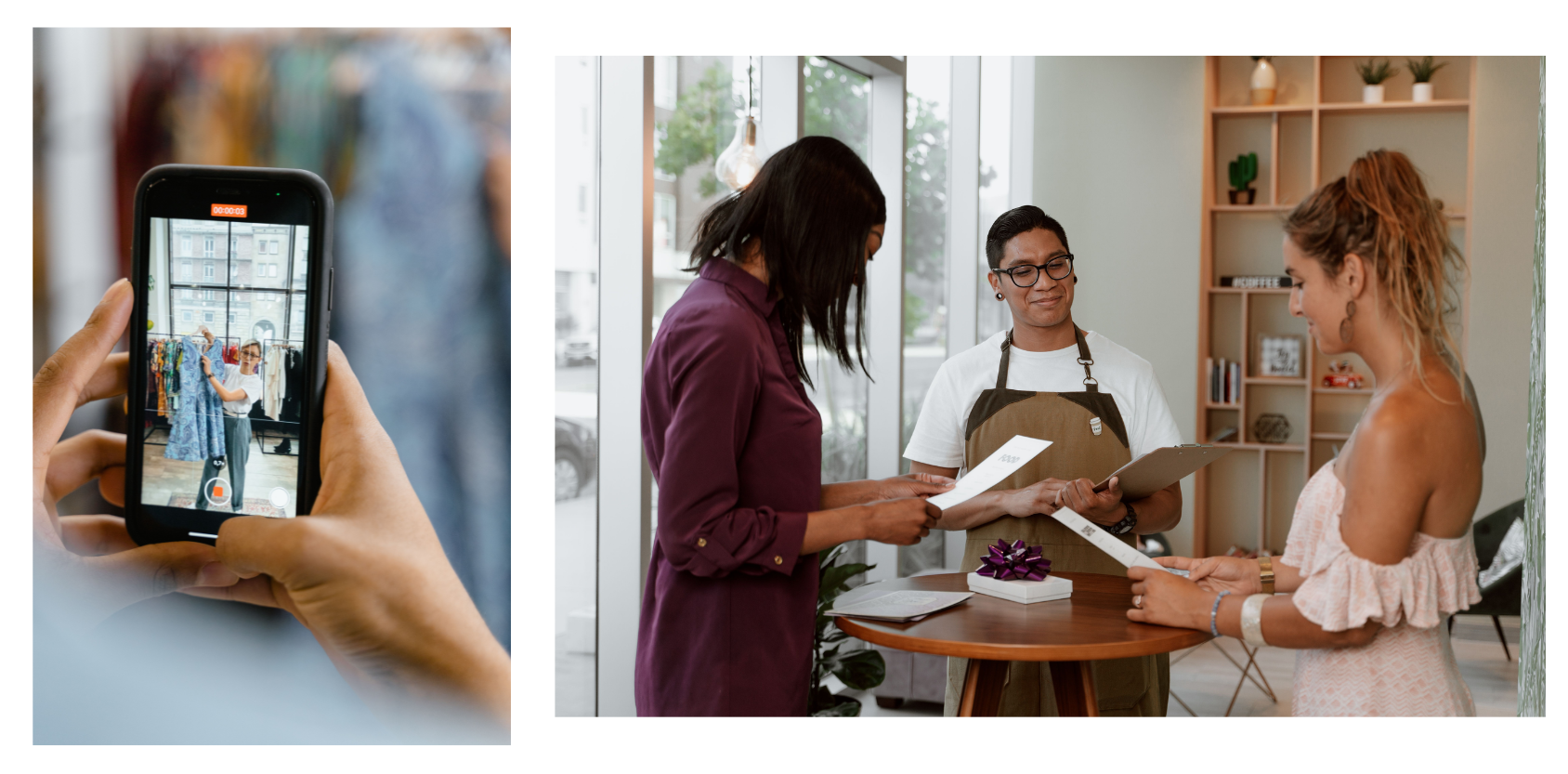
A big benefit of brand pop ups is the content attendees create. When they post this content, it promotes the brand and raises awareness. People enjoy sharing videos and photos from pop-up stores for several reasons.
These events have great displays for pictures. Other special perks like limited edition products, free samples, and unique experiences are often posted too. This exclusivity and social proof attract attention. They create a fear of missing out and a sense of urgency to be at the pop up. All of these elements drive more people to the pop-up shop and the brand.
#2 A Chance for Product Testing and Consumer Feedback
Brand pop ups offer companies a clever way to test products. They help gather feedback and can save money before big investments in new launches. At pop up stores brands can give out small amounts of unreleased products.
This allows them to learn which items people like best, which may need improvements, and which could become future bestsellers. Feedback can come from surveys, ratings, chats, and people’s reactions to the product.
#3 Build Customer Relationships and Brand Loyalty
What makes a pop up store successful is not just the number of sales or attendees. It’s the emotional connections that are created between the customers and the brand.
When a pop up space focuses on the shoppers and what they want, that brand pop up makes shoppers feel valued. When shoppers feel valued, they are much more likely to follow the brand online, sign up for emails, and even become new customers.
A few ideas for building customer relationships include delivering product personalization that celebrates shoppers' own unique styles, spreading kindness through thoughtful free giveaways, and encouraging shoppers to share their own ideas not only with the brand but with one another.
These ideas don't always directly involve a brand's products, but they do create happy memories with the brand. These memories leave strong impressions. As a result, customers become interested and loyal.
Inspiring Pop Up Shop Examples and What They Teach Us
Wicked: for Good Exhibition is an Immersive Fan Experience in London
To build excitement for the Wicked: For Good movie, Universal Pictures launched an immersive fan experience at Westfield London, the largest mall in Europe. This free exhibition ran from November 2025 to January 2026. It let fans step into the world of Oz, themselves.
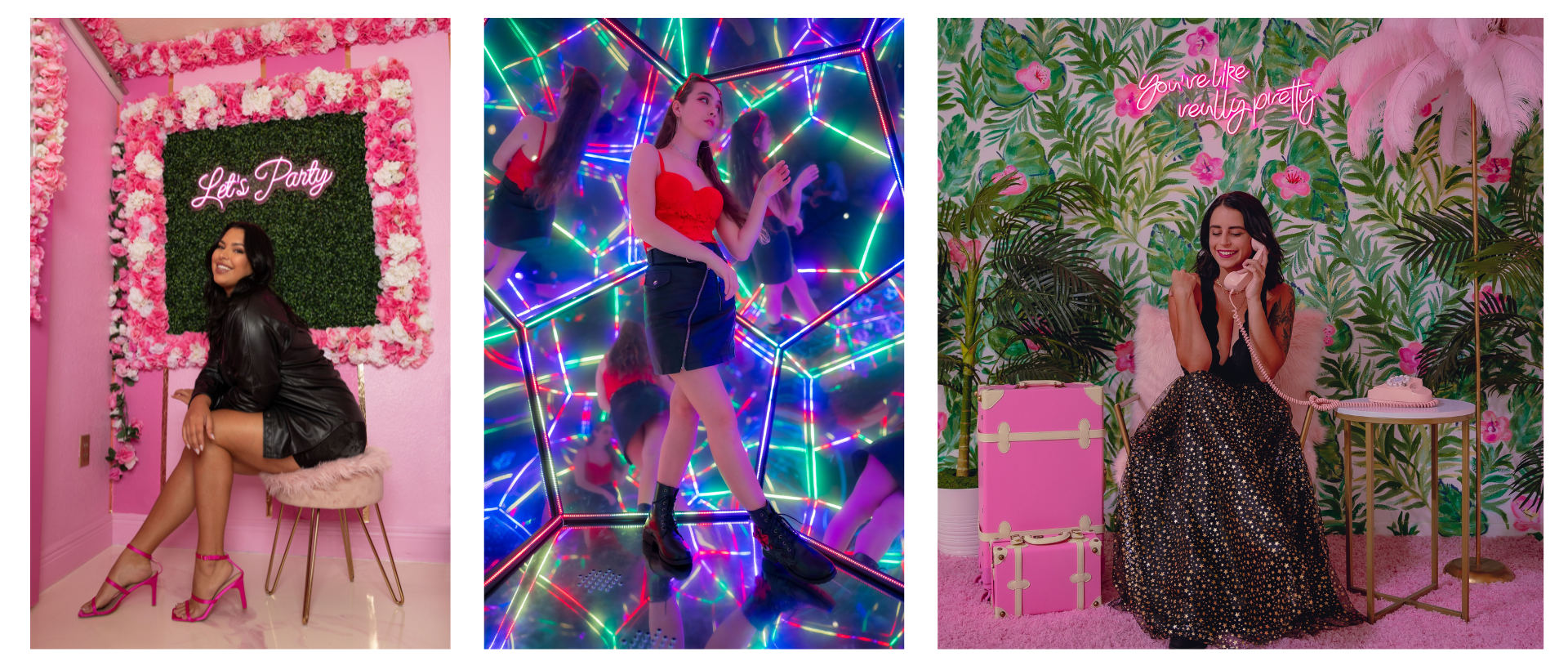
The London pop up store showcased several fun, interactive features. You could take photos with famous movie sets and props. There were two paths to choose from: Alphaba’s or Glinda’s. You could also leave messages about people who improved your life at the “For Good Tree.”
There was also a chance for fans to give back through a charity activity. The idea was that people could select gift tags that show items needed by others.
Then, they bought these items in the mall and returned the donations to the “For Good Tree.” This activity truly helped improve the lives of those in need.
This experience provided great photo spots. It also let people share stories through messages and encouraged giving back. These elements led to valuable user-generated content (UGC) and boosted excitement for the movie. They also built anticipation among fans.
This pop-up space is a great example of how customers can promote a brand. When they love the experience they step into, they naturally share it with others. The experience led to a record-breaking $226 million global box office debut. This is the biggest opening ever for a Broadway musical adaptation.
Coach Is Using Storytelling and Connection to Reach Gen Z
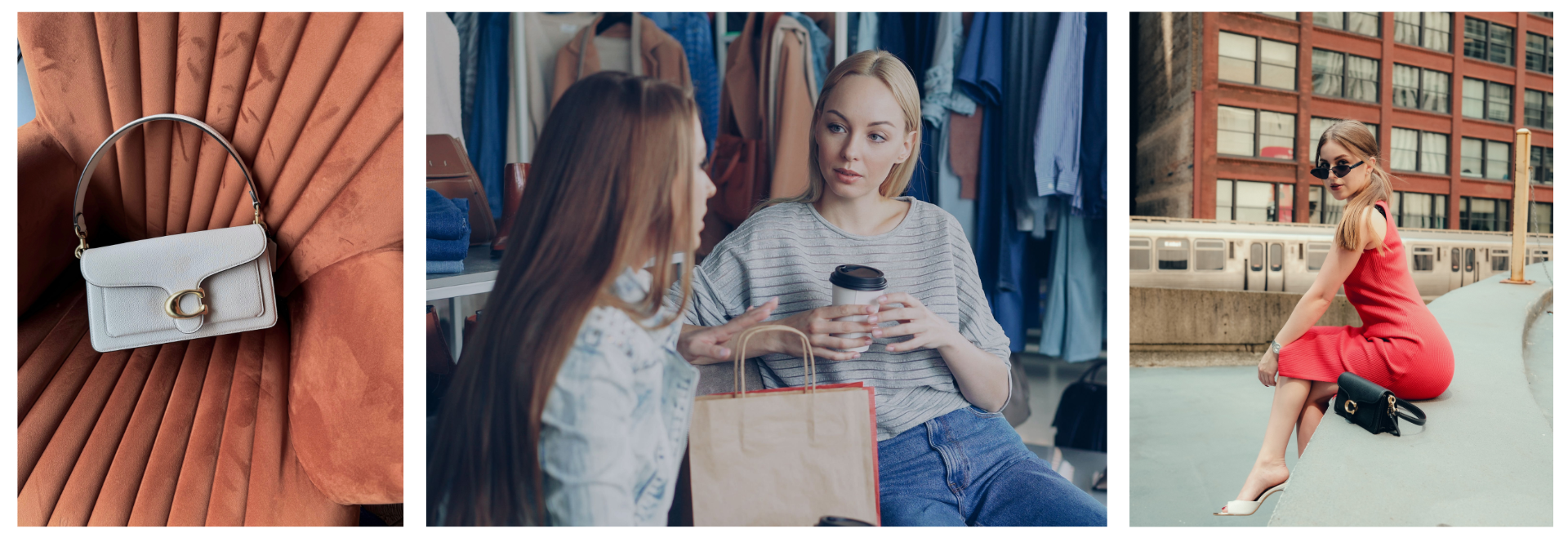
Coach is famous for fashionable, high-quality leather bags. Their designs, like the Tabby bag, are iconic and timeless. To reach younger audiences like Gen Z, the brand launched the “Coach Tabby Tour: Explore Your Story Edition.” This traveling pop up store visited college campuses across the U.S.
Coach designed a creative campaign for Gen Z, who are highly connected to technology but often feel isolated. The campaign concept was about building connections through storytelling. It aimed to fulfill the need for meaningful interactions.
Guests could reflect on Story Walls, chat in Conversation Centers, and personalize items like bookmarks, bags, and book charms.
Coach didn’t just tell attendees to buy purses. They created a community-focused experience. Their approach nurtured what Gen Z wanted: conversation, connection, and creativity.
This brand pop up shows how businesses can create meaningful connections. When businesses focus on a specific audience and understand their needs, pop up stores go beyond just selling products. As a result, people feel valued and heard, which fosters brand loyalty and can create new customers.
Bloom Nutrition's Pop Up Store Generates Feedback in New York
Unlike the first two examples, Bloom Nutrition launched a pop up store that only lasted one day. But this brand still reaped big benefits, despite the short time frame.
This wellness brand is best known for its prebiotic beverages and supplement powders. The idea behind their pop up experience was to test new products in a low-risk environment.
So, in September 2025, Bloom launched a retail pop up shop in New York City called the Bloom Sweet Shoppe.
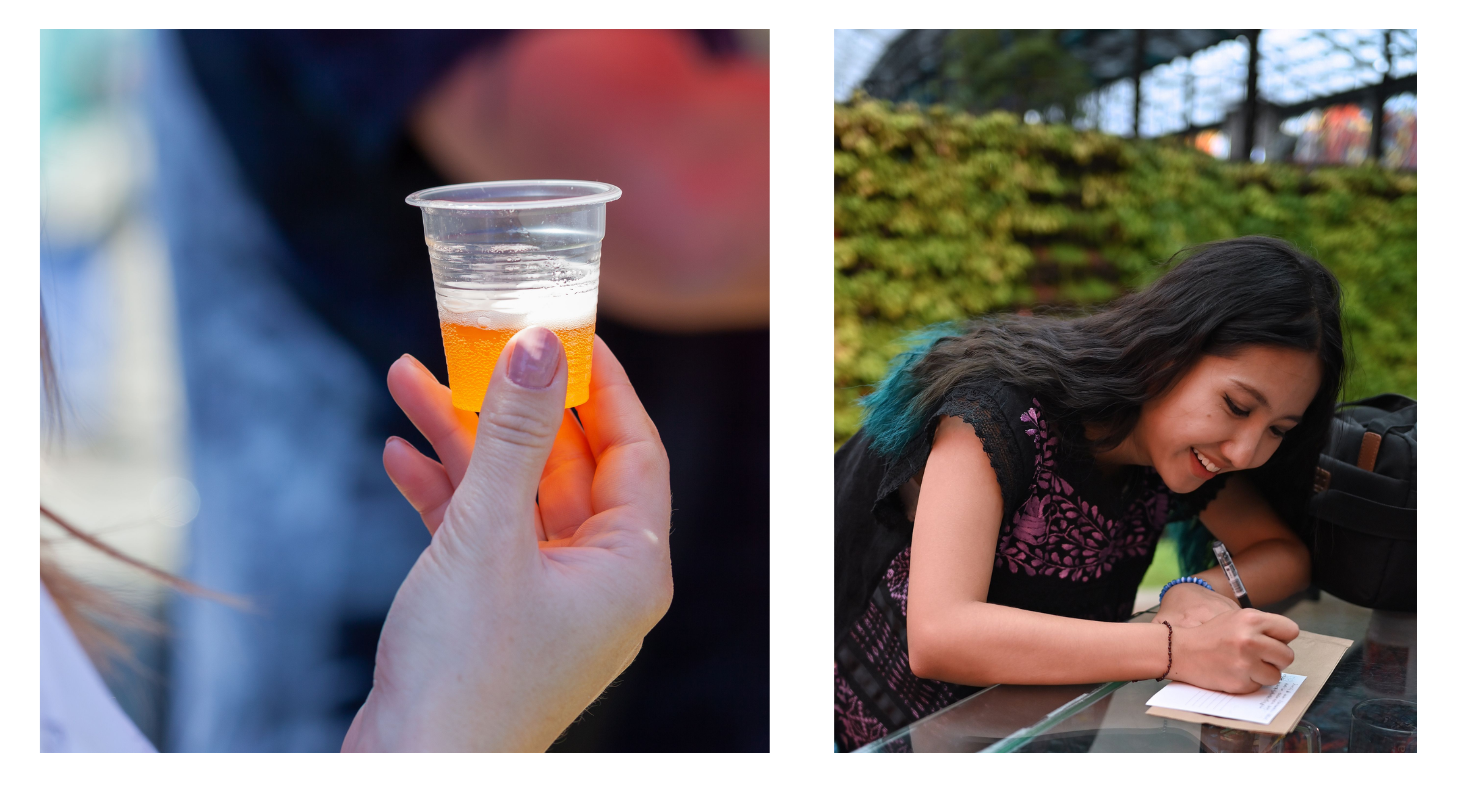
The foot traffic in New York resulted in over 1,000 people stopping by the location. Everyone had the chance to try six unreleased soda flavors and rank them on scorecards. In just one day, Bloom gauged customer interest in their products.
This valuable feedback helped Bloom decide on what flavor it should take to market. The company also saved money and resources by only making a small amount of the unreleased flavors.
If Bloom didn't do this pop up store, they might have made a big amount of a flavor that the public didn't like. This could have resulted in lost revenue, time, and unsold products.
The taste-testing activity also made customers feel like co-collaborators with a big say in what the brand does next.
Attendees also enjoyed sweet treats, like ice cream sundaes made with Bloom’s supplement powders. Plus, there were live DJs, and the first 100 people received exclusive NYC Bloom swag.
Bloom's event is a great example of how brand pop ups can use the five senses to create engaging activities for customers.
The Success and Benefits of Brand Pop Ups
Pop ups generate a lot of marketing success for brands because of the numerous benefits that they provide, including brand awareness, customer feedback, and brand loyalty.
The Wicked: For Good pop up experience increased brand awareness. People were thrilled by the movie set photo ops. As a result, they posted user-generated content all on their own and drove excitement as well as sales for the record-breaking movie.
Coach strengthened customer relationships and built brand loyalty with their "Tabby Tour." This traveling pop up shop specifically connected with their Gen Z audience. Shared storytelling, conversations, and personalization built community and admiration for Coach.
Bloom Nutrition tested new products and gathered customer feedback with their one-day Treat Shoppe pop up. Customers tried six unreleased soda flavors and wrote down their favorites. Bloom used this valuable information to decide which flavor was the best one to launch next.
Businesses that want to stand out in today's crowded online market need to try hosting a brand pop up.
Just one event can produce valuable customer feedback, strengthened relationships, and increased brand awareness. Becoming a successful, go-to, favorite brand might only be one pop up shop away.
🪽 Written by Selena Fack
join 50k marketing girlies
Private Marketing Girly LinkedIn Group
A private community where young women in marketing network, collaborate, and support each other.