
The Ultimate Guide to Marketing for Skincare in 2026
Jul 23, 2026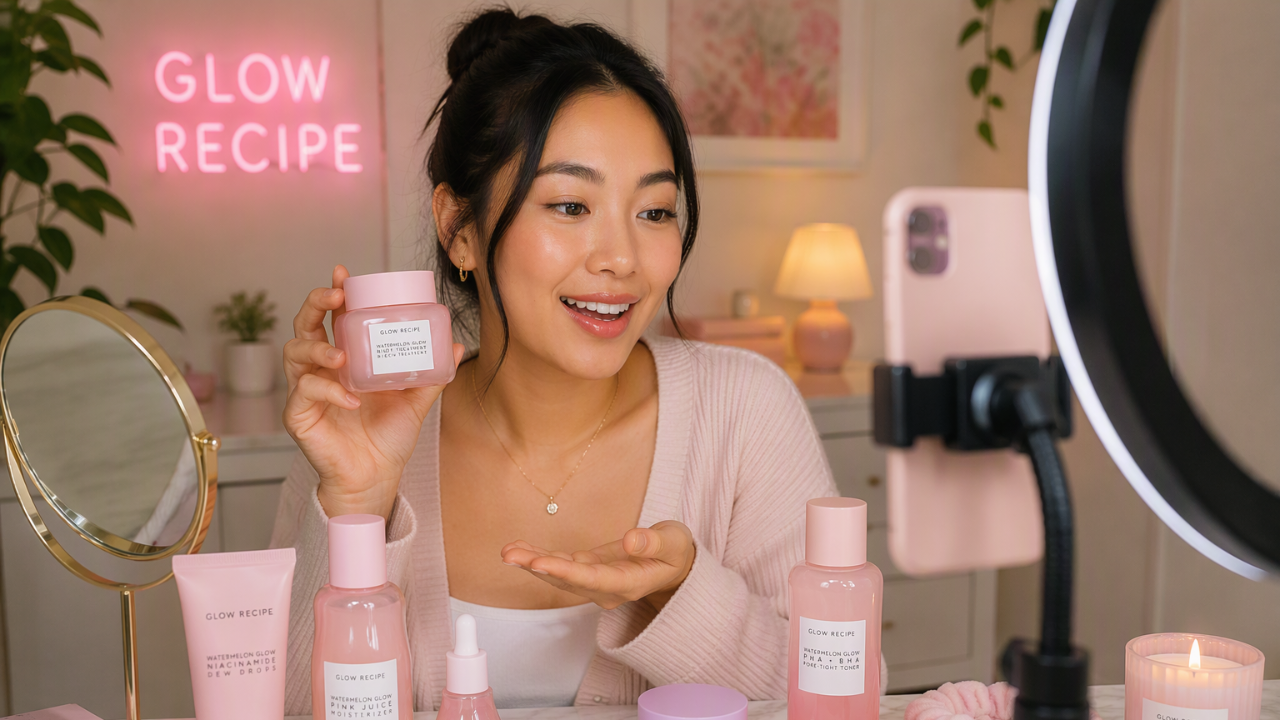
Boost your skincare brand with these 6 proven strategies for growth in 2026.
These 6 skincare marketing tips will boost your brand. They'll help you connect with customers and raise brand awareness.
Whether you have a big budget or are new to skincare, these tips can help. They will attract new customers to your brand. It will teach them about your products and encourage purchases through honesty.
Skincare brands build loyalty by focusing on authenticity. Brands that offer more than just products will stand out in 2026.
Micro-Influencer Skin Care Marketing Strategy
Influencer marketing has changed a lot over the past couple of years. In social media today, consumers trust honesty more than status.
Bigger influencers may bring a bigger audience's attention. Micro-influencers, around 10k-100k followers, can deliver stronger engagement and credibility.
While larger influencers bring more brand awareness. Using micro-influencers can boost your skincare brand. They build trust with consumers and help create loyal customers.
A skincare marketing campaign with diverse micro-influencers will reach a multitude of audiences. It also builds trust between customers and the brand.
User-Generated Content Marketing Strategy
Marketing for skincare is very important when building trust. Micro-influencers have a big impact on building a trusting audience. But real customer experiences from non-influencers provide honesty and trust.
Strengthening the brand's identity through authentic storytelling. The audience sees that these individuals were not paid to use the product. This creates a deeper connection and builds more trust towards the brand.
It is important to encourage customers to leave reviews. Specifically on product pages and social media platforms. This is an essential tool for showing genuine interest and satisfaction.
User-generated content in skincare marketing helps consumers. It shows how good the brand's products are. This is through authentic storytelling.
This strategy helps new customers. It shows them how your brand's product benefits people just like them. This will help attract more of your target market with earned media.
A community helps skincare brands. It builds trust. It connects with customers better.
Now, how do you encourage user-generated content? By creating #'s on social media, such as TikTok and Instagram. Hosting live Q&A sessions and also sharing influencer content from customers and creators. Brands have to keep the audience engaged to strengthen loyalty through ongoing engagement.
Short Form Video Content Marketing Strategy
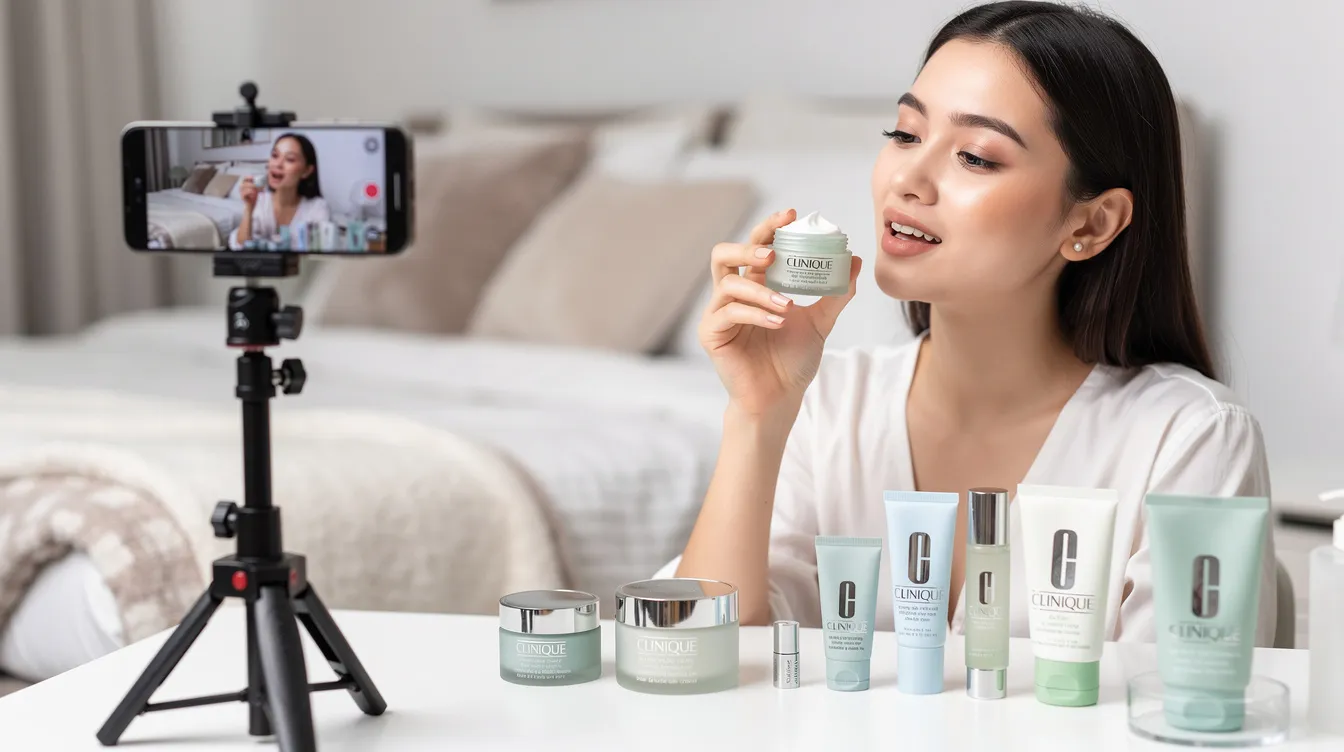
Short-form video content is a vital part of marketing for skincare. This is especially true due to the rise of TikTok and Instagram. This format now leads beauty campaigns.
It helps brands show products in action; they use tutorials, demos, reviews, and skincare routines. Short skincare marketing shares benefits and uses. It helps brands stay on trend. This helps reach new audiences and boost visibility.
TikTok loves story-driven videos. Instagram is great for curated lifestyle images and brand support. These platform-specific formats also help beauty brands foster community engagement and loyalty.
Here are some short-form video examples for skincare marketing.
💜 Clinique
🛁 Medicube
Seasonal Trend-Based Campaign Strategy
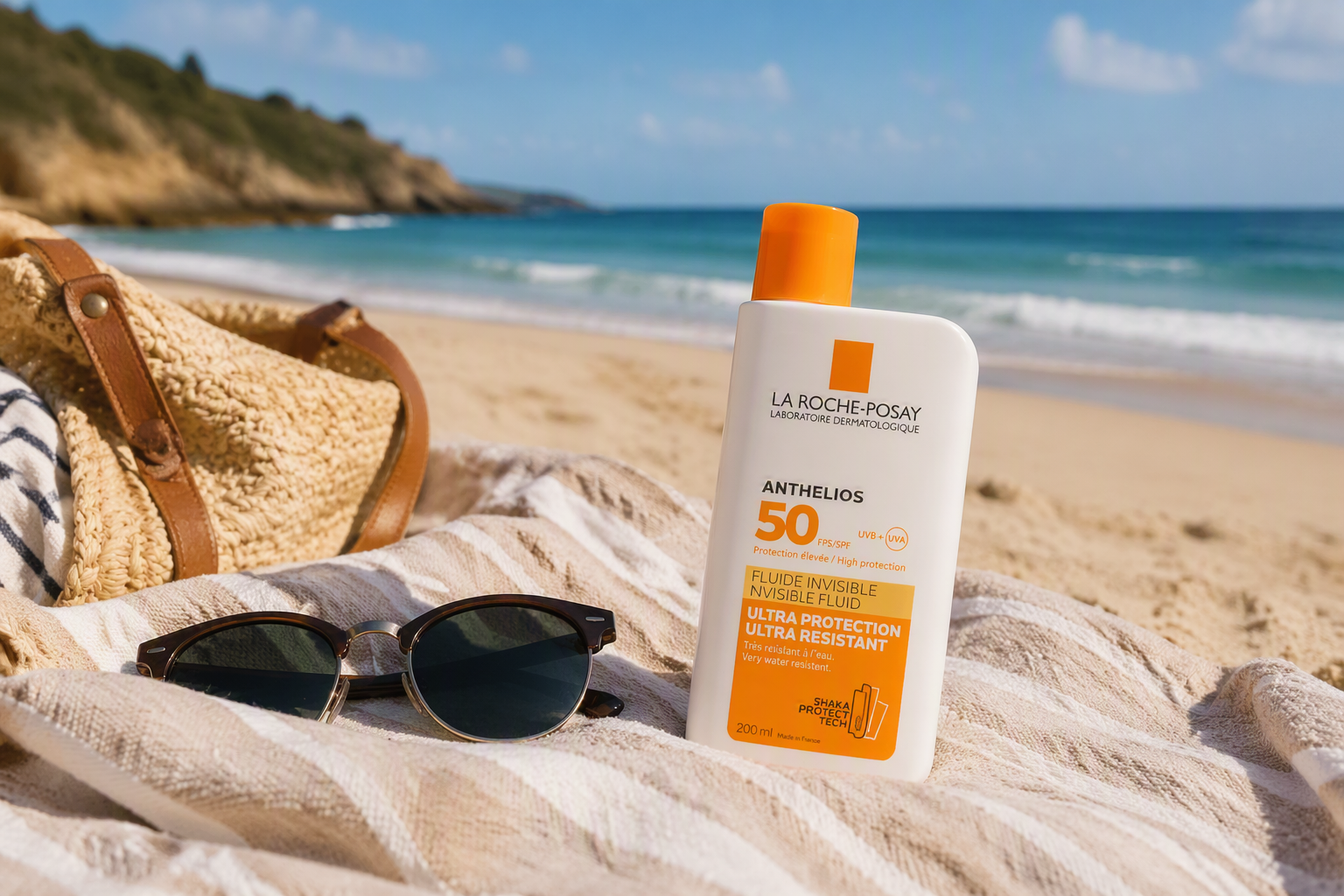
When the seasons change, so does your skincare. Seasonal marketing campaigns for skincare should be an essential for brands. Brands can match products to the season; this helps them market well, as customers get skincare solutions that fit the season.
Some people have preferences when it comes to their products. Marketing skin care for UV protection in summer is a strong way to reach more people. This is due to more people looking for UV protection during the summer.
In winter, those in cold areas need hydrating treatments for dry, cracked skin. If the product is a thicker, more hydrating skin care product, it would be more beneficial to promote it in the winter.
Seasonal trends in skincare marketing help brands connect with customers. They show the right products at the right time. This makes it easier for customers to buy what they need.
Seasonal trends help customers discover their skincare needs for when the seasons change. This shows customers that the brand really cares about their skin when it comes to changes in skin with the change of seasons.
Educational Content Marketing Strategy
It's not always about the aesthetic when it comes to marketing for skincare. Consumers want to know why they should buy a brand's product and how it will benefit them in the long run.
Educational content should explain active and natural ingredients. This makes brands clear. It builds trust and loyalty with consumers. Educational content appears in many forms, such as:
-
Blog posts
-
FAQs
-
Short videos
-
Daily skincare tutorials
Share which ingredients fix skin issues. Pair this with simple product descriptions. This helps customers feel confident by showing how the products work.
For example, if someone has sensitive skin, they would want to know that a product has no fragrance in it.
Let your customers know that the skincare product is dermatologist-tested. This shows clinical authority and supports your brand's position with solid proof.
Content attracts highly engaged audiences seeking reliable information. When skincare companies offer expert advice, they build trust. This also boosts their visibility on search engines.
Although the skincare market continues to expand globally, competition has increased significantly. For example, NARS found that 25% of customers tried its beauty quiz. Of those, 74% finished it. Meanwhile, REN's routine builder had a 75% completion rate.
These interactive quizzes use AI tools to help customers find their skin type and needs. They also improve audience segmentation, boosting marketing efforts. Plus, they can raise average order value with personalized recommendations.
Brands linked below have amazing examples of educational content marketing
🧴 Cerave
🧖♀️ La Roche-Posay
🛁 Clinique
Email Marketing Strategy
Email marketing for skincare is a top strategy for skincare brands. It offers direct communication with customers. Email allows brands to send personalized content and special offers straight to customers.
It differs from social media. There, algorithms pick what users see. With email, brands have more control.
A good email marketing strategy helps skincare brands connect with customers. It encourages repeat purchases and builds lasting loyalty.
When it comes to marketing for skincare, people want skincare that is tailored to their skin. Customers have different skin types and product preferences.
Messages based on behavior can promote products better. They also help build engagement. Brands can segment their audience based on many factors.
Customers looking for skincare, like acne treatments or anti-aging, can find useful info. They also get product suggestions made just for them.
Email campaigns can take many forms, including:
-
Welcome email sequences for new subscribers
-
Product launch announcements
-
Personalized product recommendations
-
Educational skincare tips and ingredient guides
-
Seasonal skincare advice
-
Exclusive discounts and promotions
-
Abandoned cart reminders
-
Loyalty and rewards program updates
Automated emails are valuable for skincare brands. A welcome series will introduce subscribers to the brand's story.
Post-purchase emails provide instructions on how to use products effectively. This will increase customer satisfaction.
Abandoned cart emails can encourage shoppers to complete their purchases. This is due to reminding them of items left behind in their cart.
Educational emails are effective in marketing for skincare. Sharing information about the product and how to use it shows that the brand is more than just products. This builds credibility while helping customers make more confident purchases.
When done correctly, email marketing becomes more than a sales tool. It creates lasting relationships that keep customers engaged and invested in your brand.
Final Thoughts
Throughout the years, the skincare industry has gotten more competitive. By using these 6 tips, your skincare brand can build brand awareness and a stronger relationship with customers.
Whether you are starting up or have been an active brand, these skincare marketing tips will benefit you. Start applying these tips today to expand your audience and build brand awareness, along with keeping current customers loyal to the brand.
Successful skincare marketing depends on trust. It also focuses on building a community. Lastly, consistent efforts keep consumers engaged. By adding these tips to your marketing strategy, you can position your skincare brand for long-term growth and lasting success in 2026 and beyond.
🪽 Written by Lily Swinehart
join 45k marketing girlies
Private Marketing Girly LinkedIn Group
A private community where young women in marketing network, collaborate, and support each other.