
The Rise of Lifestyle Marketing in the Beauty Industry
Jul 24, 2026
Lifestyle marketing is rapidly changing how brands are connecting with consumers in the beauty industry.
Today, brands are building a strong identity through their marketing strategy. They are selling an aesthetic, a strong identity, and a lifestyle.
What is Lifestyle marketing?
Lifestyle marketing in the beauty industry is a way to sell more than just a product. They show how a product can fit into someone's everyday life by using storytelling and building community. It encourages brand loyalty and builds emotional connections.
The key is to align a brand's aesthetics, beliefs, and aspirations to its target audience. We can see this in the marketing strategies of many beauty companies today.
It's different from just talking about a product. It's including the product in everyday life and creating a feeling, experience, and identity that consumers can connect to.
To use lifestyle marketing successfully, a marketing leader must understand their ideal customer and what challenges they can solve for them.
Deciding what their target audience's values, passions, and interests are is important to creating the lifestyle around the product. Brands are building a community when they become a part of someone's identity.
A marketing manager can use campaign performance to get a deeper understanding of what resonates with their target audience.
Social media has also made it easier for beauty companies to find people who match the lifestyle they want to promote through their products. Lifestyle marketing is about building those long-term relationships with customers instead of focusing on just making a sale.
The Rhode Skin "It Girl" Lifestyle
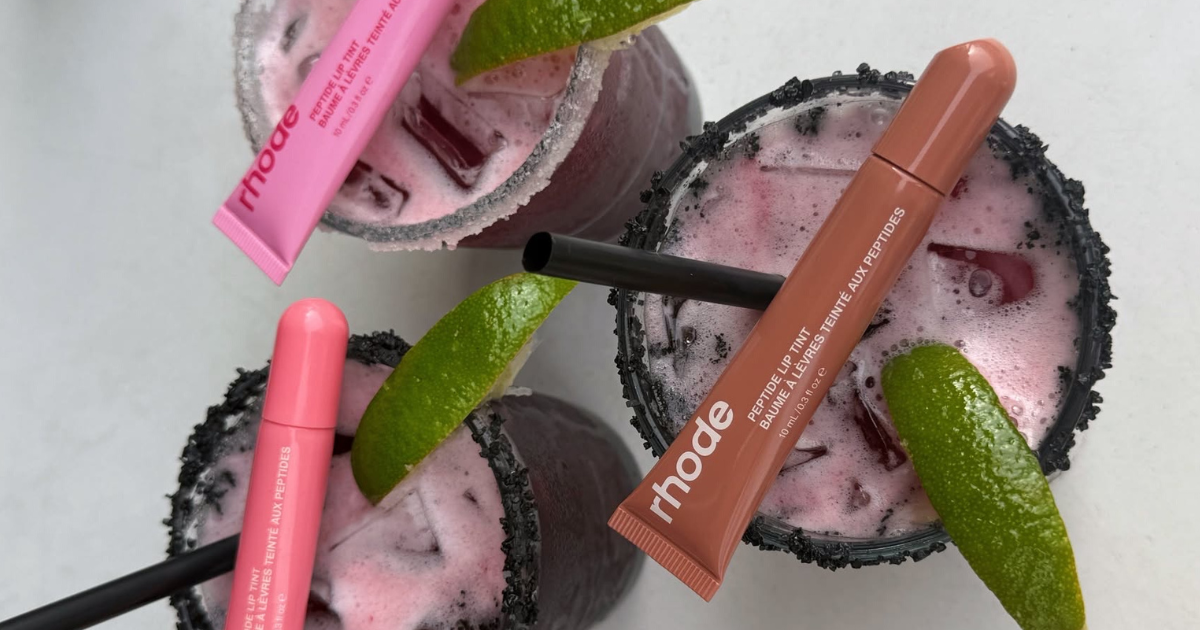
Rhode Skin has become one of the best examples of lifestyle marketing in the beauty industry. A lot of the brand's success comes from the minimalistic "clean girl" lifestyle it sells. The brand promotes a clean, simple, and effortless aesthetic.
Founder and Chief Creative Officer (CCO) Hailey Bieber created her signature "glazed" look, which has become a key part of Rhode's brand image. From her glazed donut nail trend to eating sushi with a face mask on, Hailey has a strong influence on her audience.
Her social media presence is strongly connected to her brand image and people can't help but admire and follow her lifestyle. Rhode is also a part of her everyday life.
Morning routines, mirror pictures, airport looks, at the office or just lounging at home, Hailey is always using her products in her day-to-day. This causes customers to feel like adding Rhode to their own routine will give them a lifestyle much like Hailey's.
Rhode has only been around for four years and they have grown so fast. This shows that the future holds a lot for this company.
The power of Aesthetics and Brand Identity
A strong brand image can make a company stand out. Lifestyle marketing in the beauty industry uses aesthetics to create a certain mood and identity. They feature certain colors, packaging, social media strategies, and website design to make their brand easy to recognize.
Eye-catching designs and the details behind the aesthetic matter because they help define how consumers remember the brand.
But, brand identity goes beyond appearance. Values, personality, and, of course, lifestyle are important parts of a brand's messaging. This makes consumers feel like they are joining a community of like-minded people.
Apart from Rhode there are many other beauty companies with a strong brand identity. For example, Glossier is known for its focus on natural, inclusive, and realistic approach to beauty. Its staple soft pink and minimalist packaging supports its effortless and fresh brand image.
Glossier gained insight from customers by listening to what they wanted. They connected with those who are passionate about natural and simple beauty and share similar stories. Its brand shows how brand aesthetics can turn a product into a symbol of a specific lifestyle.
When Beauty Meets the Algorithm
Social media has changed the way people find and use skincare and makeup. This type of lifestyle marketing in the beauty industry is the most popular.
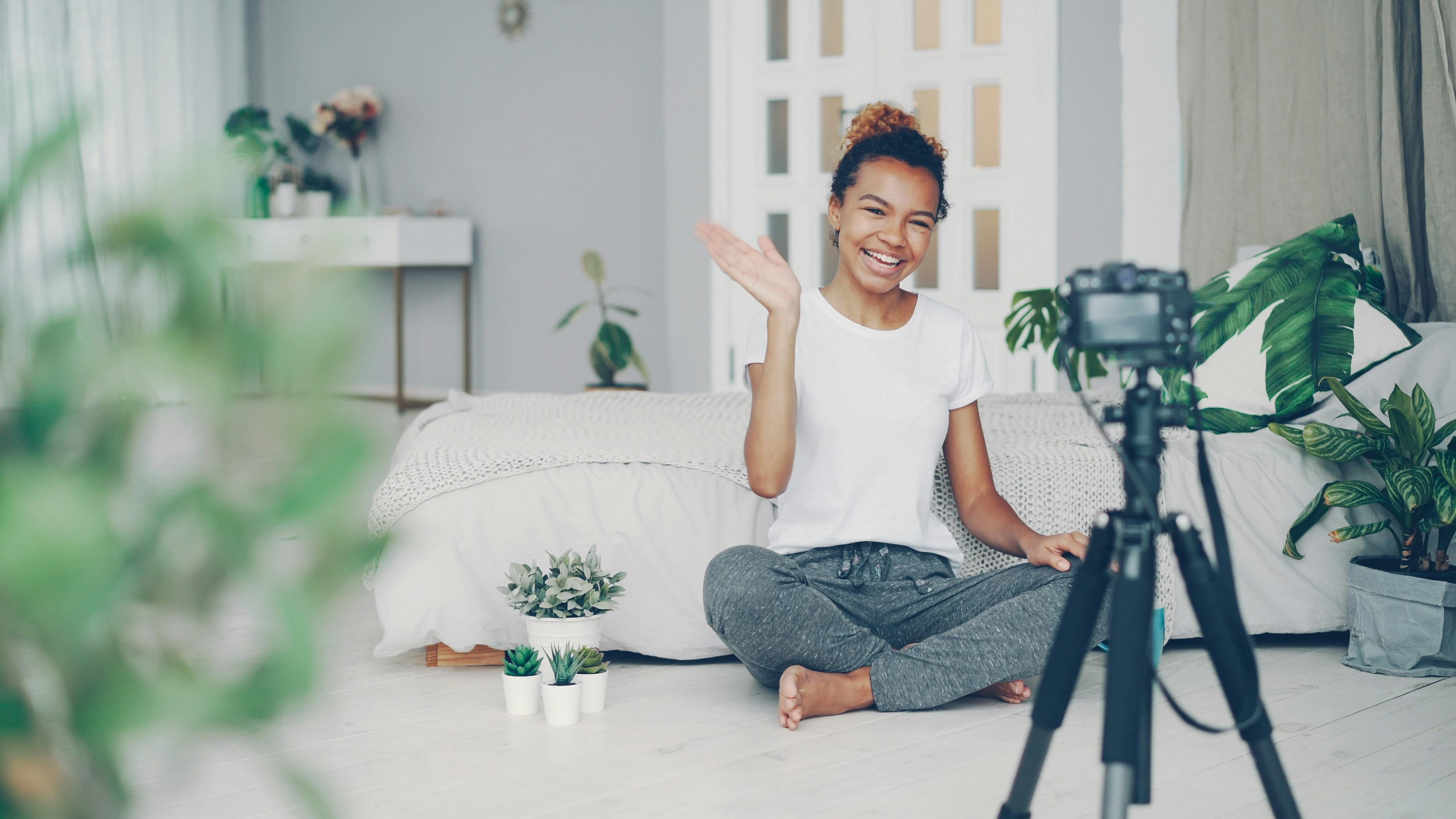
Especially on TikTok and YouTube, we see GRWM videos, skincare routines, unboxing videos, and "day in the life" content. Social media platforms are a great place to spread trends fast.
For example, GRWM videos became popular with influencers like Alix Earle who gained popularity from her party girl lifestyle in college, Katie Fang, and Monet McMichael. These girls have build successful careers off of lifestyle content.
Beauty brands like Rhode, Rare Beauty, Fenty Beauty, and more send PR packages to these influencers to use and make content with their products. They are able to reach a specific audience and viewers can see how real people use the products.
Lifestyle marketing in the beauty industry is taken even further than just PR. Brands take these lifestyle and beauty influencers on brand trips for a week filled with activities, events, and experiences that are relevant to the brand's image.
One example is the Tarte Cosmetics brand trip. These trips are designed around the ideal customer's lifestyle.
Even though customers are not going on these brand trips, the content makes them feel like they are being immersed in the brand's world. This allows the customer to connect these products to a lifestyle they desire. They then may become brand advocates themselves.
Why Consumers are Buying into the Lifestyle
Consumers want to buy products that reflect the people they want to be or the lifestyle they want to live. They are drawn to brands that represent their habits and interests.
Lifestyle marketing in the beauty industry shifted the focus from selling products to developing and selling experiences, identities, and communities.
Through strong storytelling, brand identities, influencer partnerships, and immersive experiences, companies created long-term connections between them and their customers.
Brands like Rhode and Glossier show the benefits of paying attention to a target audience's values and interests. It helps them sell more than just a product. Social media platforms continue to influence consumers purchasing decisions and helps beauty brands stand out in a crowded market.
Lifestyle marketing helps beauty companies tap into the emotions of consumers. Beauty marketing teams are changing the game by implementing these concepts into their strategies. This has increased interest in brands and created authentic connections.
As the beauty industry continues to evolve, now is the time for companies to think beyond the product and create experiences and a lifestyle that people want to be apart of.
🪽 Written by Rheanna Ramsarat
join 45k marketing girlies
Private Marketing Girly LinkedIn Group
A private community where young women in marketing network, collaborate, and support each other.