
Brand Engagement: The Powerful Strategy Behind Today's Most Memorable Brands
Jul 22, 2026
Consumers face more marketing than ever.
This makes it tough for brands to grab their attention. Some brands still draw long lines at pop-ups. They create viral campaigns and build loyal communities. Customers really want to be part of these groups.
Those moments aren't just from ads; they come from a marketing strategy known as brand engagement. As consumer expectations change, brand engagement is key. It helps brands create lasting relationships and stand out in a crowded market.
What is Brand Engagement and Why Does It Matter?
Brand engagement marketing is a marketing strategy that focuses on creating strong, lasting connections between a brand and its audience. Brand engagement refers to building an emotional connection with a target audience, not just promoting products or driving sales. This helps customers feel more connected to the brand.
These interactions can happen through social media platforms, loyalty programs, community events, or experiential campaigns that invite customers to take part actively. By creating meaningful experiences rather than a one-time transaction, brands build trust, strengthen customer loyalty, and foster strong relationships.
Consumers have more choices than ever before, and as a result, their expectations have changed. Today's customers look beyond product quality and price when deciding which brands to support.
They are increasingly drawn to businesses that provide personalized experiences, authentic interactions, and values they can relate to. Due to this change, companies are putting money into brand engagement strategies. They want to build lasting relationships instead of just making one-time sales.
Brand Engagement Strategy in Action
There is no single way to create successful brand engagement. Every brand connects with its audience in its own way. Still, the goal is the same: to create meaningful interactions that customers desire to join.
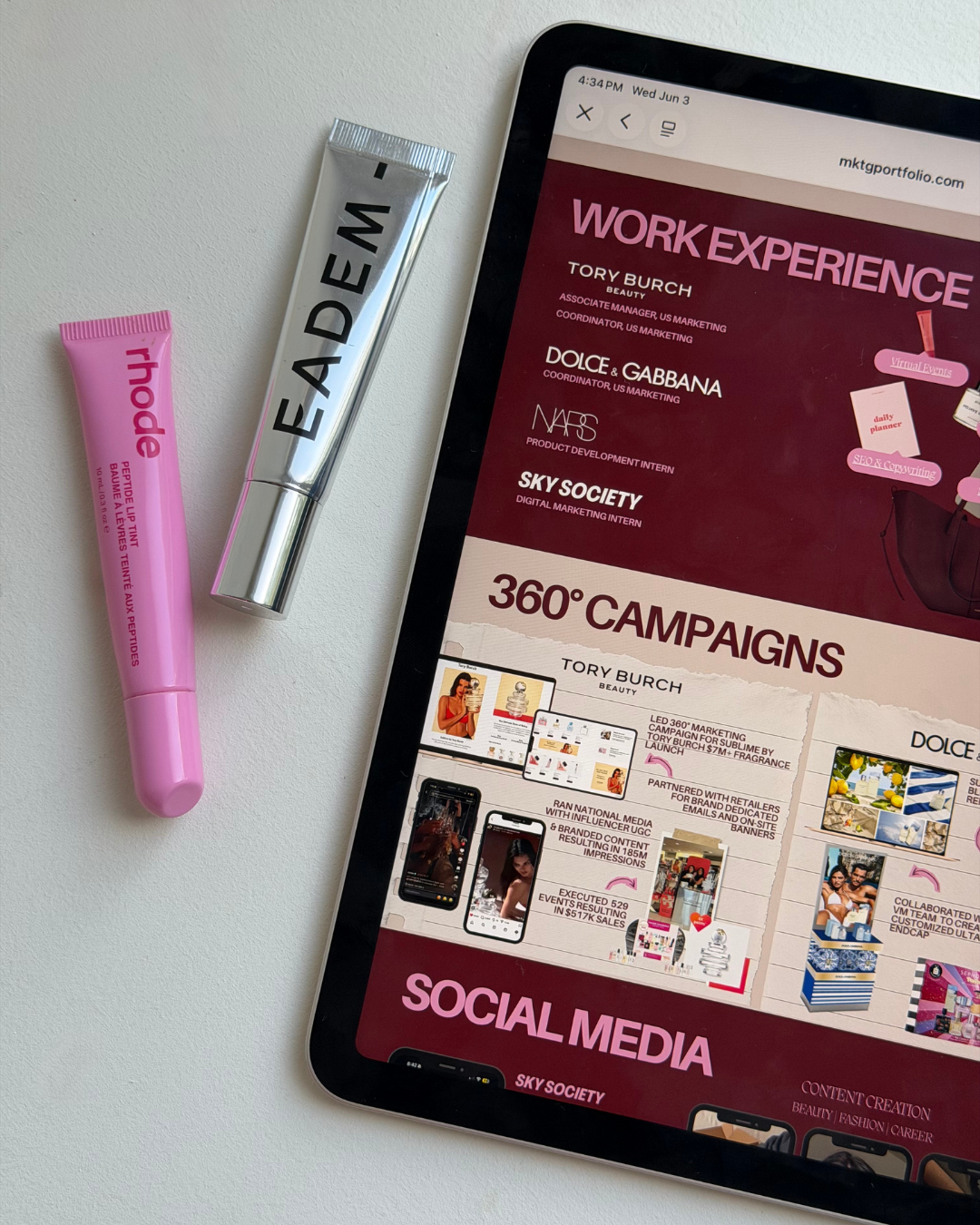
Rhode is one example of this strategy through its Rhode's Summer Station, a traveling pop-up experience that visits cities across North America and Europe. Rhode focuses on letting customers shop exclusive items. They can experience the brand in person and buy limited-edition products only available at the event. This kind of external engagement attracts customers
This sparks excitement, gets customers to share their visits online, and makes shopping memorable. Limited-time events also create a sense of urgency. Customers know the experience won't last forever, making them more likely to visit, share their experience online, and encourage others to attend before it's gone.

Rhode emphasizes in-person experiences. In contrast, other brands boost engagement with digital campaigns and loyalty programs that encourage customers to interact with the brand long after they make a purchase.
Every year, Spotify Wrapped creates campaigns that encourage users to share their personalized music recaps across social media and encourage user-generated content posts that increase brand awareness and spark conversation online.
Sephora takes a different approach through its Beauty Insider loyalty program, rewarding existing customers with personalized offers, exclusive events, and member-only perks that make customers feel valued beyond the checkout process.
Each brand has its own style, but they all aim for the same thing: to make customers feel like active participants, not just passive consumers. Instead of relying only on ads, these companies create opportunities for people to interact with the brand in authentic, memorable ways.

They offer chances for people to engage with the brand in real and memorable ways. Customers join the brand's story in many ways. They can attend pop-up events, share custom content on social media, or earn rewards from a loyalty program.
These interactions spark real conversations online. They build emotional bonds and boost repeat engagement. They also encourage word-of-mouth marketing, as customers naturally recommend the brand to friends, family, and followers after having a positive experience. Consumers value authenticity and community.
So, businesses that create meaningful emotional connections can build loyalty. This helps them stand out from competitors.
How to Measure Brand Engagement
Creating meaningful customer interactions is only part of a successful brand engagement strategy. Businesses must track how audiences react to their efforts. This helps them see if they are creating real connections.
Measuring brand engagement helps companies understand customer behavior. It shows which strategies work and guides decisions for stronger future campaigns.
Brands commonly measure engagement metrics such as social media interactions, website traffic, email open rates, customer satisfaction, customer feedback, and customer retention. These metrics show how customers engage with a brand on various platforms.
High levels of user engagement on social media show that content resonates with the audience. Strong customer retention rates usually show long-term loyalty and good brand experiences.
Collecting engagement data is only the first step. Businesses also analyze the results and use them to improve future marketing efforts across the sales funnel and see where to increase customer engagement.
Tracking customer feedback, brand mentions, and engagement trends helps companies understand what their audience values. Tracking positive reviews and maintaining the brand's reputation can help external brand engagement.

Tracking performance and adapting to customer preferences helps brands. They can improve brand engagement, strengthen relationships, and build long-term success.
The Future of Brand Engagement
Marketing is changing. Now, brand engagement is a strong way to build real connections between businesses and consumers. In this blog, we have shown that brand engagement is more than ads. It creates memorable experiences.
These invite participation, boost customer loyalty, and build strong emotional ties. Successful brands know that real engagement adds value even after a sale. They use pop-up events, like Rhode's Summer Station. They also run personalized campaigns, such as Spotify Wrapped. Loyalty programs, like Sephora's Beauty Insider, help them build connections, too.
Businesses that focus on real interactions and meaningful customer experiences will stand out. As consumer expectations change, this approach becomes more important in a competitive market.
Rather than asking how to sell more products, brands should ask how to create experiences that customers genuinely want to be a part of. Investing in brand engagement helps companies build strong communities. It also boosts customer loyalty and creates lasting impressions. These factors drive long-term success.
Now is the time to rethink how you connect with your audience. This applies whether you're building a startup, managing a small business, or working for a big brand.
Think beyond just selling products. Focus on how your brand can create meaningful interactions. This will encourage participation, build trust, and leave a lasting impression.
In today’s competitive market, people remember brands they connect with. Memorable brands aren’t about big ad budgets. They create meaningful connections that people want to revisit. That's the true power of brand engagement.
🪽 Written by Alexzandra Palacios
join 50k marketing girlies
Private Marketing Girly LinkedIn Group
A private community where young women in marketing network, collaborate, and support each other.