
The Magic of Storytelling in Marketing in Event Management
Sep 30, 2026
The first thing people notice about an event is often how it makes them feel.
Creating an event goes beyond the lights, activities, schedule, and branding. A good event marketing strategy looks at the full experience. Every detail can help create a story. An event can create excitement, start conversations, and bring people together.
That is the power of storytelling in events. Marketing in event management is not only about promoting an event. It is about creating an experience that connects people with a brand's story and values.
Instead of telling a story, events give people the chance to experience one. When people experience a brand at an event, they may feel more connected to it.
For marketers and event professionals, this creates a chance to build real connections. It can also turn an event into an experience that people remember long after it ends.
How Does an Event Make People Feel?
An event starts before the program even begins. A visit to an amusement park can bring back that feeling of excitement from childhood. The moment attendees walk through the entrance can immediately create a sense of anticipation.
A well-planned event can create those same emotions.
One way brands can get their target audience to pay attention is through emotions. When people feel included and understood, they can feel more connected to a brand.
According to the Forbes Agency Council, storytelling can help brands build loyalty and create stronger relationships with customers. Storytelling can strengthen future events by creating a better sense of community.
Small details like the music or the activities can bring those emotions to life and can even shape how attendees feel. An event can stand out from the moment someone walks through the door. The right atmosphere can make attendees feel excited, welcomed, or connected.
This is why marketing in event management goes beyond event logistics. Event planners must look at the bigger picture and create a meaningful moment.
When an event creates a sense of belonging, people may remember it for a long time. That feeling is just as important as the event market strategy.
How Does a Brand Story Turn into an Experience?
Building brand awareness is the first step for most companies. However, the brand's story is what sets it apart. Being able to show a story through an experience can make it more meaningful.
Events give brands the opportunity to bring their stories to life. Events allow attendees to enter the brand's world and experience its values firsthand. Showing a brand's values upfront can help build stronger connections with attendees.
A brand can grow its audience and engage attendees through an immersive experience. If the event marketing goals are focused on creating connections, a brand could use a speaker panel or an interactive talk. The brand should feel like a natural part of the event.
This highlights the importance of marketing in event management, where creating meaningful connections should be a central goal.
How Do Brands Promote Events?
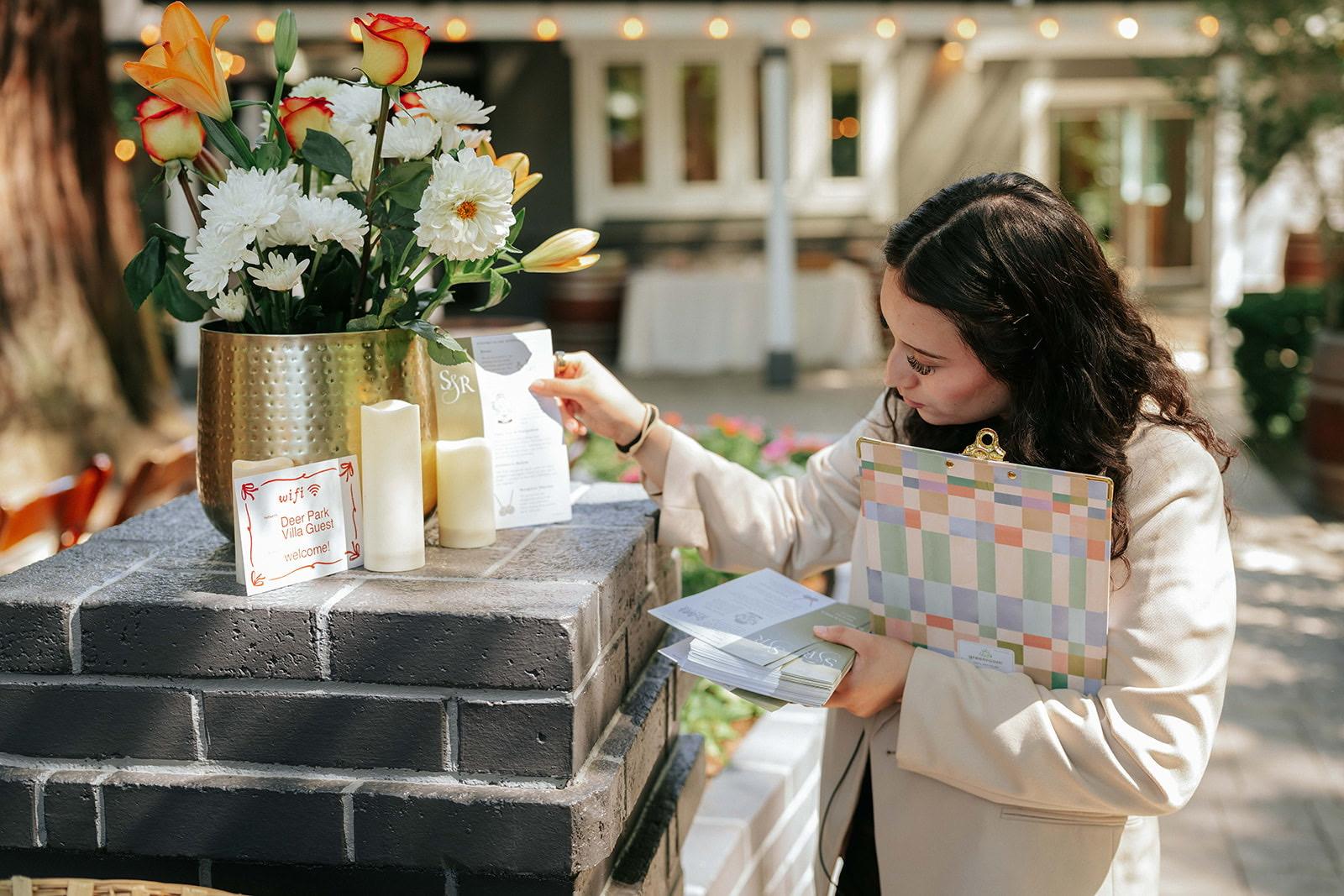
Event promotion starts before attendees walk through the door. An event marketing plan helps teams decide how to reach potential attendees. It also helps teams share key event details.
An event website can list the date, time, location, and activities. Social media posts, email marketing, and paid advertising can help promote events and attract attendees. A save the date email can build interest early. It can also keep attendees informed as the event gets closer.
Targeted marketing can help brands reach the right people. Search engine optimization can also help an event website appear in search results. This can bring more organic traffic to the site.
Event management software can help manage schedules and registrations. An event management platform can help keep important event details in one place. Event apps can also help attendees find schedules and activities.
These promotion strategies show why event marketing is important. The goal is not only to get people to attend. It is also to build interest before the event starts. The brand story can begin before anyone walks through the door.
Brand Example: Rhode
Rhode is a fantastic example of how marketing can be turned into an experience. The brand has transformed how storytelling can be experienced through marketing. The visual aspects, social media, and real-life events have set the tone for other brands.
Rhode has gone beyond its online presence by bringing its products and brand to pop-ups.
This year, Rhode created a Summer Station pop-up to bring its latest collection to consumers. This tour allowed local communities to test the new products in a unique way.
Rhode's approach worked because it showed a new way to connect with consumers while staying true to the brand that everyone knows and loves. The pop-up brought a new way of storytelling by sharing new experiences with a wider audience.
A recent report from Forbes stated that Rhode's brand strategy has transformed due to its products and the activations it creates, bringing an immersive brand experience. These marketing efforts have helped create a stronger brand experience.
This is where marketing in event management becomes powerful. Instead of simply seeing an ad, consumers could touch, experience, and share the brand.
The customer becomes part of the storytelling.
The goal in storytelling is not only for consumers to know the brand, but to experience it. An event can also have a beginning, middle, and end. Attendees arrive, discover, participate in an experience, and leave with something to remember.
Event Marketers said that 61% of consumers will likely buy a product after they have seen it at an event. Events can make a brand feel more personal and help build anticipation for what is up next.
Who Becomes Part of the Story?
Attendees are not just the target audience, but they are a part of the story.
In traditional marketing, a brand shares a message with an audience and attendees take part in it. They can ask questions, join activities, meet new people, and create their own memories. These moments can increase attendee engagement and make the experience more personal.
The people in the room also help shape the story, which can become one of the most memorable parts of an event by creating connections between attendees. This is where diversity and inclusion matter. Events bring together people with different backgrounds, careers, cultures, and experiences.
When people feel represented at an event, they may develop a stronger connection to the experience. Incorporating different perspectives and points of view can help event professionals understand different audience segments and create better experiences.
For women working in marketing and events, these roles can also be a place to build valuable skills. Communication, problem-solving, project management, creativity, and leadership are all part of creating successful events. The event teams become involved in the story even though their work is behind the scenes.
Event planners, producers, vendors, designers, speakers, and partners make many decisions before and during an event. They manage schedules, solve problems, communicate across teams, and adjust when plans change. Although attendees may not see their work, they feel the end result.
That is an important part of marketing in event management. Event professionals go beyond what people see because they create something to remember.
What Happens After the Event?
An event may end when people leave, but the story does not have to end there. Moments from hybrid events and in-person events can be shared through different marketing channels.
Successful event marketing can encourage people to share their experience and generate excitement for future marketing campaigns.
Glossier is one example of how marketing efforts can bring a customer into the brand's story. In each store, the placement of its products is what sets them apart. People become excited to take photos and share them on social media.
Imagine an attendee visiting a Glossier store, taking a photo, and sharing their favorite products in a social media post. This can help the brand reach more people than a paid ad alone.
The story continues because one attendee's experience and content can reach other people, creating new opportunities for the brand to connect with its audience.
This makes the post-event experience an important part of marketing in event management. The story can continue through social media, content marketing, email marketing, and post-event follow-up.
Post-event feedback can help the brand to understand what it could improve on for the next event. Event coordinators can look at event data, attendee engagement and event attendance to understand event success.
Cvent suggests that event marketers can measure success by looking at how an event supports larger business objectives. Tracking event ROI can help event teams see if the marketing strategy is helping reach their goals.
This information can help teams improve future events.
The goal is to consider what people should take away from an experience, whether it's a new idea or, a connection, or simply something that attendees can remember for years. That is what makes storytelling for an event impactful.
The Future of Storytelling in Events
The future of marketing in event management is not only about creating the biggest event. It is about creating that personal and inclusive experience that is meaningful.
With event trends, Cvent 2026 research highlights how personalized experiences are important to shaping the events industry. For event planners, this means creating experiences where people can gain valuable information and engage with the brand.
This new shift in events creates continued opportunities for women building careers in marketing and events. The magic behind marketing in event management shows that a brand does not have to simply tell people its story, but it can give people a chance to experience it.
Every detail, interaction, or design choice can be a part of the story. Successful events give audiences a reason to connect with the brand and remember the experience.
Conclusion
Storytelling in marketing and event management is about more than creating an event that looks good. It is about creating an experience that people can feel and remember. The emotions, activities, connections, and small details can all become part of the story.
A successful event marketing strategy can bring a brand's story and values to life. Attendees can become part of the experience instead of simply watching from the outside. The story can also continue after the event through online engagement, content marketing, feedback, and other marketing efforts.
As events continue to change, personal and welcoming experiences will remain an important part of marketing in event management.
Event planners have the chance to turn simple moments into experiences people remember. Instead of only telling people what a brand stands for, an event can create an experience that gives them a reason to remember it, share it, and become part of the story.
🪽 Written by Isabella Morales
join 45k marketing girlies
Private Marketing Girly LinkedIn Group
A private community where young women in marketing network, collaborate, and support each other.