
How Women's Sports Went from a Hard Sell to One of the Biggest Trends in Sports Marketing
May 29, 2026
Women’s Sports Don’t Sell.
That has been the narrative since the beginning. Sponsors, Media coverage, and, honestly, the audience weren’t invested in the movement. Don’t get me wrong, Women’s Sports had moments of success, but didn’t stand the test of longevity.
Fast forward to 2025, brands can’t get enough. Women’s sports are in the conversation of the biggest trends in sports right now. From record viewship, increased investment, brand sponsorship, and new leagues, what really changed?
Some may say it happened overnight, but it’s due to strategic marketing.
Women’s Sports Used to Be a Tough Pitch
Women’s sports didn’t have an audience worth investing in.
In the end, this is all a business, and sports oranizations operate on what’s already selling, not on how to make something work.
From Media coverage, sponsorships, and budgets, these were all handed out freely in the men’s major league.
So What Actually Changed?
Honestly? It didn’t happen overnight. There were small shifts that created the moment for women’s sports to thrive. Athletes stopped waiting and created their own means to reach their audience. The audience also changed.
Gen Z has the most influence on the market. They command trillions in global spending. This new generation of consumers has a clear message about wanting everyone to be wanted and seen in all aspects.
Once the trends in sports began focusing on women, the industry couldn’t deny the potential. Media outlets, brands, and investors couldn’t get enough of this growth opportunity.
Honestly technology did alot of the heavy lifting too. Artifical intelligence and data analytics gave sports organizations detailed insights to want fans wanted. News flash they want womens psorts. wearable technology like fitness trackers helped improve athlete performance. This gave teams a more competetive egse beyonce whar spectators see from the sidelines.
Even the conversation of virtual reality and augmented reality changed the fan experience. Fans don't need to be a season ticket holder sitting in sports facilities to be apart of the moment. The entire sports ecosystem was being rebuilt and womens’s sport swas leveling up with it.
There wasn’t one moment, but rather small bets hitting at the same time.
Social Media Gave Women's Sports a Voice
Due to the lack of media coverage, women’s professional sports were a dead conversation after the game was over. An incredible game could have happened, history could have been made, stars were probably born, and none of that mattered if a major network didn’t pick up the story. Basically, people moved on as if it never happened.
The real fan base, their organic audience, most likely showed up to sporting events , got a chance to high-five their favorite athlete, and talk about the fan experience with their friends. That's where the exposure stopped. Athletes didn’t have a way of building a relationship with their audience outside of the game.
It’s as if the global ownership groups were hindering women's sports growth. There was clearly a ceiling that the global sports industry didn’t want to talk about.
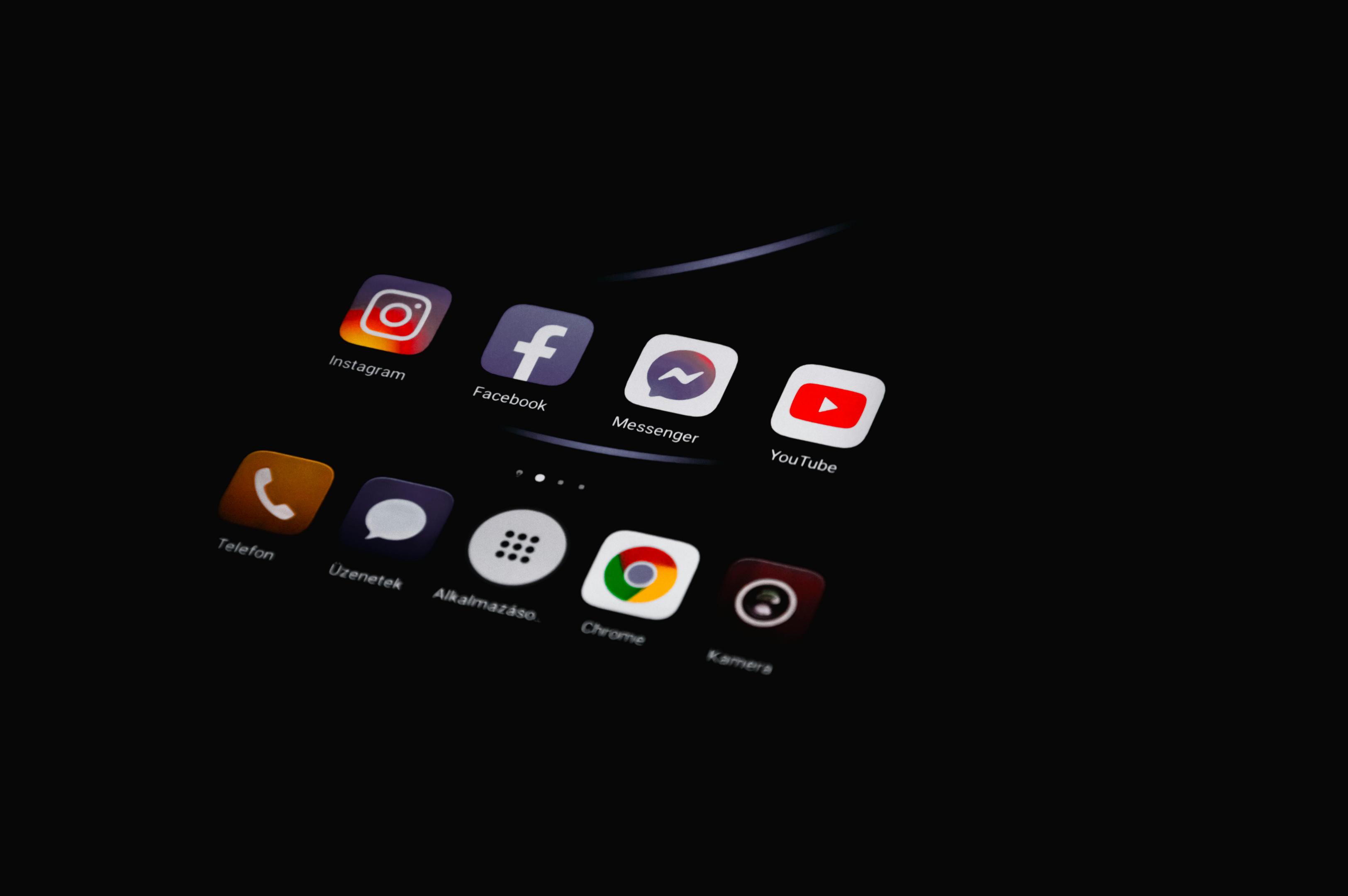
Social media completely cut out the middleman. No more waiting for networks or brands to show recognition. Athletes can create their own highlight reels, game day rituals, day in their lives, and build an audience for themselves one post at a time. The athletes are the new trends in sports.
This digital technology is encouraging the fans to post about their fan journey , watch parties, attending match events, fan reaction edits. This creates valuable insights for differnet business models.
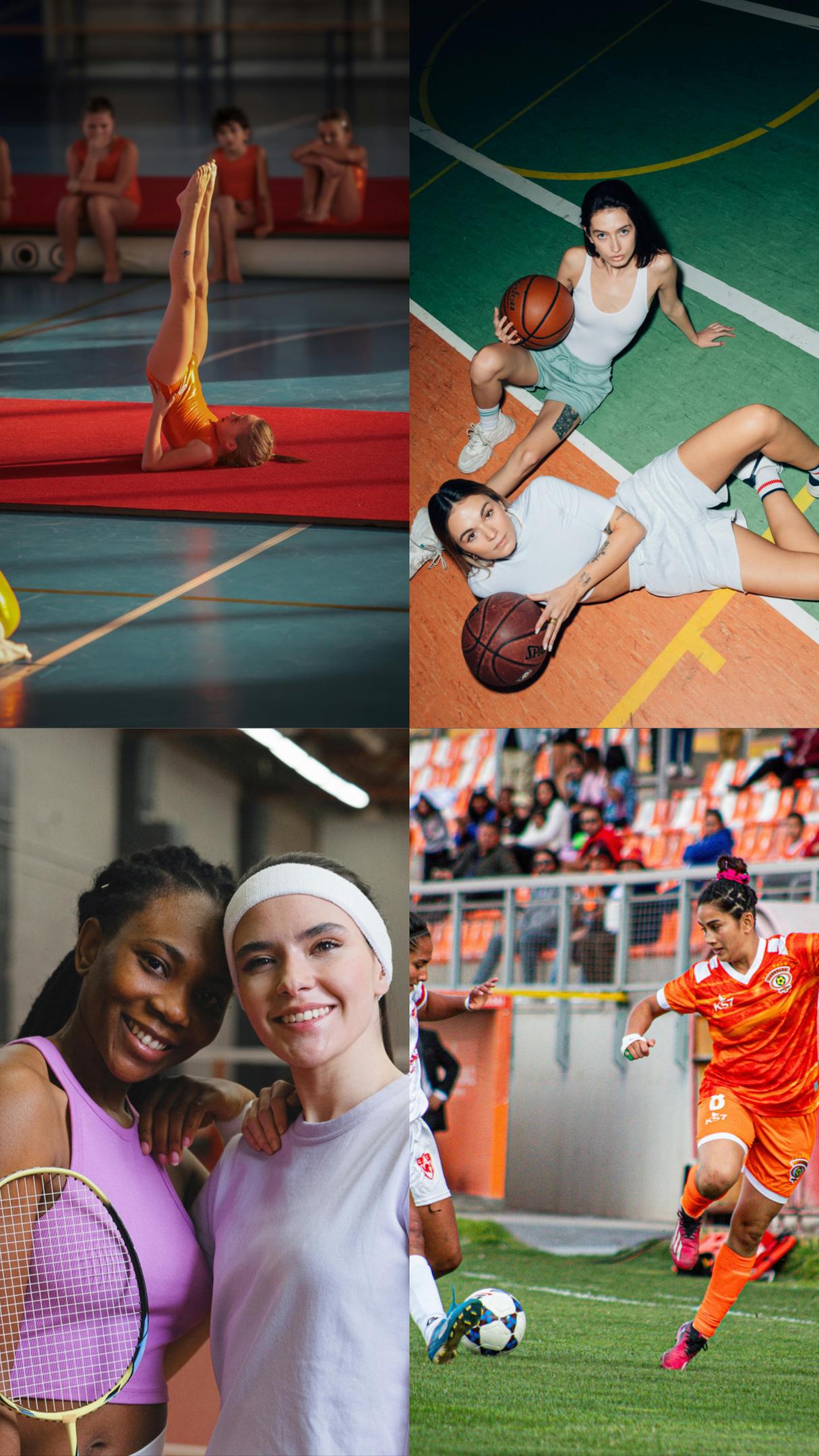
When the Athlete Is the Marketing Strategy
Angel Reese is a household name in the Basketball universe. From winning the 2023 NCAA championship to the WNBA, Angel Reese is a star. On social platforms, she leans into her personality and fashion.
Reese understands that her personality is the most marketable and is unapologetically herself. She is funny, caring, and giving, but never shrank herself to make others comfortable.
This paid off as she has new revenue strems that reach far beyond sports. This ensures her spot in not being put in a box and expanding her fan engagement .
Trinity Rodman, daughter of Dennis Rodman, had to prove she belonged in the spotlight because it was earned and not given.
For years, she separated herself from Dennis Rodman, making it clear she wanted to build something on her own. She shared her battles online. People could tell she was showing up her authentic self. This built her personal brand and resonated with the audience.
When getting drafted to the Washington Spirit and the USWNT, she had people really rooting for her, making her marketable.
Jordan Chiles strong ties to Simone Biles brought her into the conversation, but her pure joyfulness and expressive nature kept people engaged. Her strength is making herself relatable despite all of her success.
She shows being in UCLA, dealing with classes and practice, and still juggling a Hollywood lifestyle while remaining grounded. She built a community of people who are invested in her. Showing the sports world gymnast can hold cultrual relavance year round, not just every four years on the Olympic Stage.
Naomi Osaka leads with her identity and activism. Before brands were aligning themselves with creators who were activists. Naomi was comfortable tackling the bigger issues.
That stance resonates with younger generations. At the 2020 US Open, she showed her stance at one of the biggest stages in tennis. Naomi has protested and walked out to stand up for herself and others. These actions didn’t ruin her career.
This sparked global conversations, and major brands like Nike and Mastercard stood behind her. Long after tennis, Naomi’s personal brand of identity and vulnerability can be carried with her in other areas of life and business. Brands aren’t just gaining access to the Grand Slam Champion Naomi Osaka, they're getting an identity that fans want to see themselves reflected in the athletes they follow.
Angel, Trinity, Jordan and Naomi are four completely different athletes from completely different sports, but that’s the point. What they all share isn’t that they are professional female athletes.
It’s an understanding that in today’s marketing landscape, their confidence, authenticity, Joy and activism are just as important as their ability to perform in their respective sports.
Moments like this prove there was always demand even beyond a sports audience. The metrics are now more tangible to follow the trends in sports. Providing detailed insights brands can now see fan engagement, follower counts, and demographics all in real time.

The Campaigns That Made People Pay Attention
Nike made an iconic return to the Super Bowl ad space in 2025 for Super Bowl LIX after 27 yr. They showcased the latest trends in sports and the power of the women athletes.
They pulled all the most influential female athletes and put them on one main stage. 127.7 million in viewership, and 63.8 million out of that were men. “So Win” showed a powerful message of these women overcoming adversity and challenging societal limitations in sports.
Togethxr is a sports media company founded by Sue Bird, Alex Morgan, Simone Manuel, and Chloe Kim. The goal is to amplify the voices and stories of female athletes. Toghethxr aim is to bridge the gap between sports and lifestyle.
Their viral slogan tee “EVERYONE WATCHES WOMEN’S SPORTS” comes from a commentator who said that no one is watchinng female sports. The response was more than just a marketing campaign, it’s manifestation. Sue Bird made the shirts and pu them on celebrity friends.
Shirts were so popular that Nike collaborated with Togethxr. In 2024, the solgan tee generated $6 million in revenue and increased social media following to 3.5 million. Togthxr did follow key trends they created a slogan and watched as the world caught up.
Dove aired “These Legs” for Super Bowl 2025. The premises were to address body confidence as a reason why young women may drop out of sports.
It exposed the harsh reality of self-doubt girls face as they grow. Confidence is what pushes women to mute the noise of negative talk and achieve success.
Mercedes-Benz partnered up with the Women’s Tennis Association to invest in equal prize money across all men’s and women’s standalone tennis events by 2031.
This is an historic partnership that kicked off at the start of 2026. The largest deal in the history of women’s sports. Women have always been paid less in and out of sports. This 10 year deal is totaled at approximately $500 million. The WTA Tour, driven by Mercedes-Benz global ambassador, is Coco Gauff.
All these commercial partnerships came together because they value beyond women being the latest trends in sports. These brands are seeing the return of their investments because the audience has always been there. To the brands waiting on the sidelines, the data is making it harder to stay there.

The Numbers Prove This Isn’t a Trend - It’s a Takeover
Women’s sports have officially arrived, and it’s here to stay. This is a business case; the more
The data analytics makes it impossible for any sports marketer, brand investor or media company to deny.
Global revenues for Women’s Sports are projected to exceed $3 billion in 2026. That’s beating the 2025 record intake of $2.4 billion. This is more than triple the amount of 2022. This includes commercial, matchday, and broadcast media. The largest revenue drivers are ad spend, sitting at around 69% surge. Impressions increased 79%, amounting to over 15 billion.
Translation: these are the receipts the industry said they were missing. Numbers like this make brands that passed on women’s trends in sports suddenly very quiet in the group chat.
For anyone still claiming nobody watches women’s sports, the viewership data would like to have a word. Performance analysis stated in Nielsen’s report found that viewers consumed 46 billion minutes of women’s sports content alone in 2025. U.S Open 2025 Women’s final increased 50% with an average of 2.4 million.
The NWSL saw 61% increase in viewership. This directly resulted in the $115 million being invested to aid in player compensation. The WNBA draft 2026 averaged 1.5 million views. Record breaking for the draft to pull those numbers, and that says everything.
Numbers like this aren’t just the girlies banding together. This is the collective of men and women who see the value and potential in the women’s sports industry.
The brands that are day ones are seeing their returns in real time. The studies show 86% of brands are reporting their investments have exceeded their expectations. A female sport fans engage 3 times more likely to purchase and repurchase from a brand endorsed by a female athlete.
This aligns with 62% of fan data from gen -z consumers as they support progressive, foward thinking brands and emerging trends .
The takeover isn’t coming, it’s here.
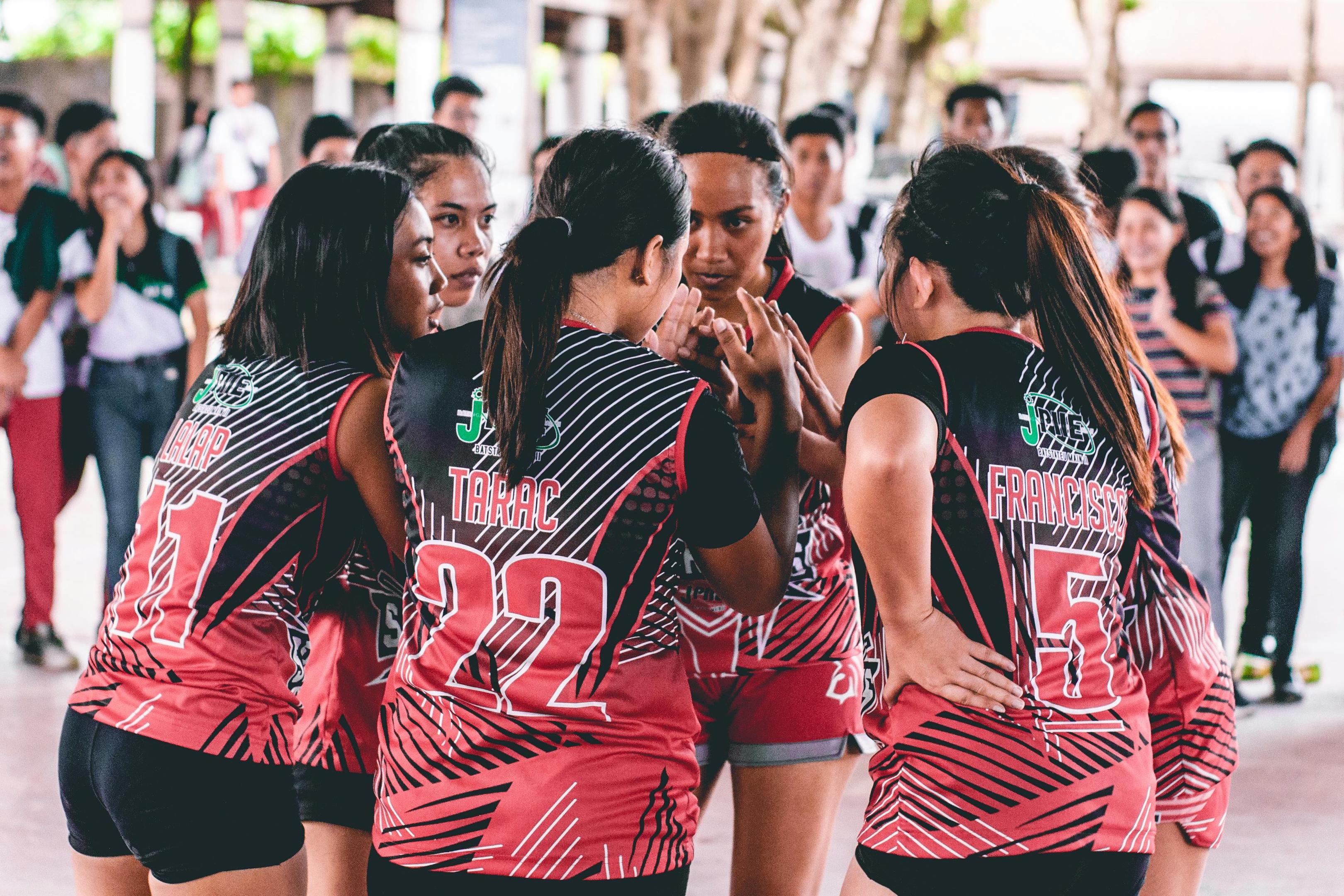
Yesterday’s price is not today’s price. Brands that were day ones and stuck it out supporting the women in sports are seeing their return. While the newcomers are fighting in DMs to get a piece of the athletes.
This industry shift doesn’t just benefit the athletes but the women building marketing careers. The industry leaders are desperately trying to show up authentically when allocating funds to this new venture of women’s sports. The female perspective and cultural fluency are not only valuable but necessary.
The trends in sports are telling the story, and women’s sports are the main character. Women’s sports slowly grew in the background, studying and observing, waiting for their moment. The key is they kept showing up and proving everyone wrong.
The doubters are quiet. The checks are clearing. Need we say more.
🪽 Written by Monique Richards
join 40k marketing girlies
Private Marketing Girly LinkedIn Group
A private community where young women in marketing network, collaborate, and support each other.