
The Future of Fashion and Beauty Marketing
Aug 14, 2026
When you think about fashion and beauty, what comes to mind? For many people, it is a way to express their identity and personal style. It could be their favorite lipstick shade, a pair of heels, or an outfit that makes them feel confident.
Today, consumers are looking beyond the products themselves. They are drawn to aesthetics, lifestyles, communities, and the stories behind the brands they support.
The way people discover and connect with brands is changing quickly. Social media, influencers, artificial intelligence, personalization, and storytelling are creating new ways for fashion and beauty brands to reach their audiences.
For marketers, this creates both new challenges and new opportunities. Brands must find ways to stay relevant while still creating genuine connections with their customers.
The Rise of Social Media Marketing
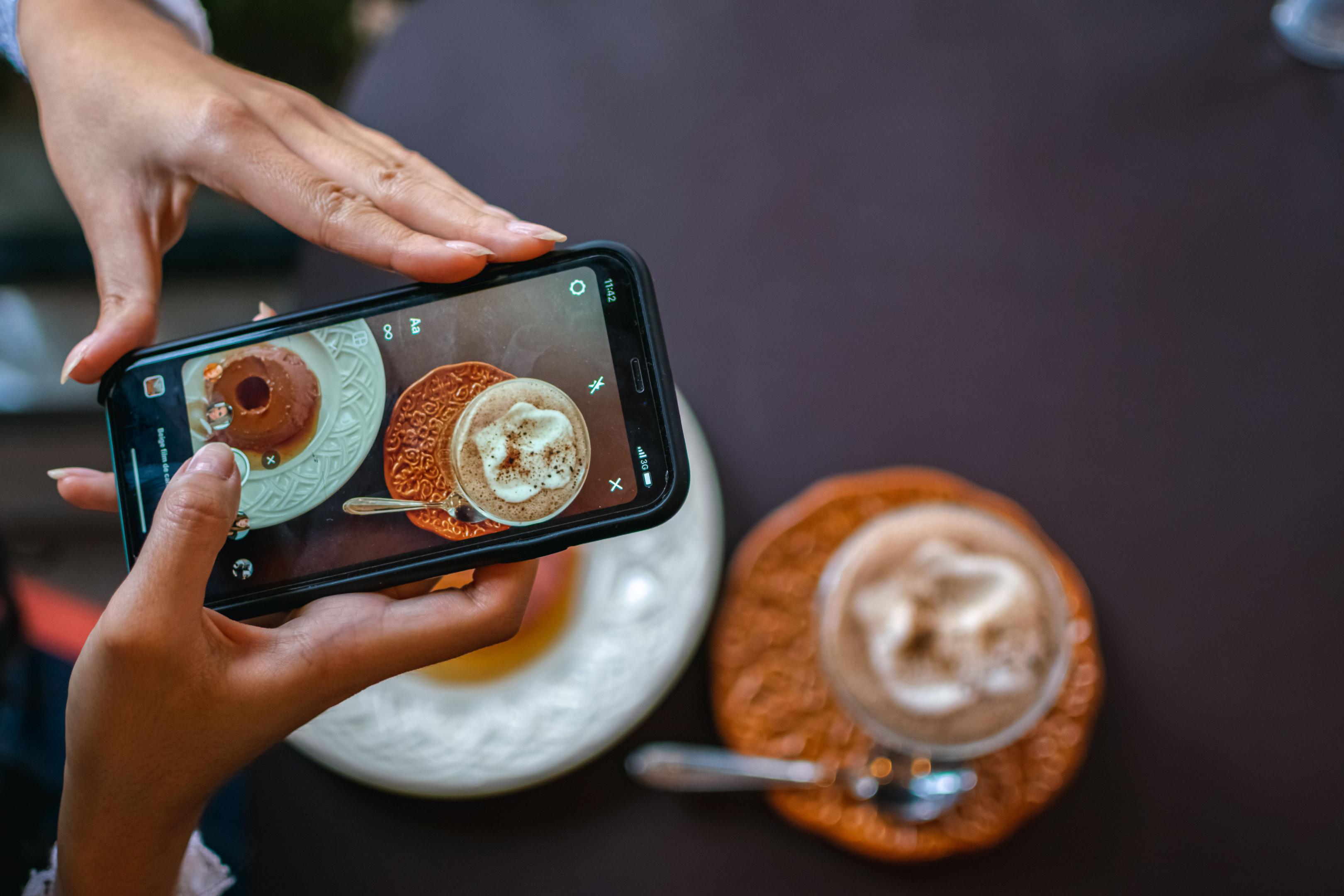
Social media has become one of the most important marketing tools in fashion and beauty. Platforms such as TikTok and Instagram help brands promote products through short videos, tutorials, reviews, and creator partnerships.
Consumers can now discover a new brand simply by scrolling through their feeds. They do not have to search for a product first. A video, trend, or creator recommendation can introduce them to something they have never seen before.
Social media has also changed how quickly trends spread. A beauty product or fashion item can become popular within days after a creator shares it. This means brands need to create content that catches attention. However, getting attention is only the first step. The content also needs to give consumers a reason to remember the brand.
TikTok has become a major discovery platform for fashion and beauty brands. Storytelling, viral beauty products, and "buy now" content can encourage consumers to discover a brand and explore its products.
Korean skincare is a good example. Products with ingredients such as snail mucin gained attention as creators shared their skincare routines and reviews online. The unusual ingredient caught viewers' attention and helped create interest in these products.
For brands, this shows the power of content. A product may grasp someone's attention, but the context surrounding it can determine whether they remember the brand.
Influencer Marketing is Building Consumer Trust
Influencer marketing continues to play an important role in fashion and beauty marketing. Brands are now working with creators who have loyal audiences instead of relying on traditional celebrity endorsements.
The Khy x Frankies Bikinis collab is one example of how creator partnerships can bring attention to a fashion brand. Merit's "We Tested It" editorial reviews also show how content can help consumers learn more about beauty products in a more personal way.
Consumers often trust creators because their recommendations can feel genuine and relatable. A creator can share a skincare routine, style an outfit, or review a beauty product. This type of content can feel more natural than a highly produced advertisement.
Brands are also working with micro and nano influencers. These creators have smaller audiences, but they can have strong engagement and close relationships with their followers.
This gives brands a way to reach specific communities instead of trying to reach everyone. The right creator can introduce a brand to an audience that already cares about its products, style, or values.
The goal is not always to find the creator with the largest following. It is about finding a creator whose audience fits the brand.
Community is Becoming More Valuable Than Followers
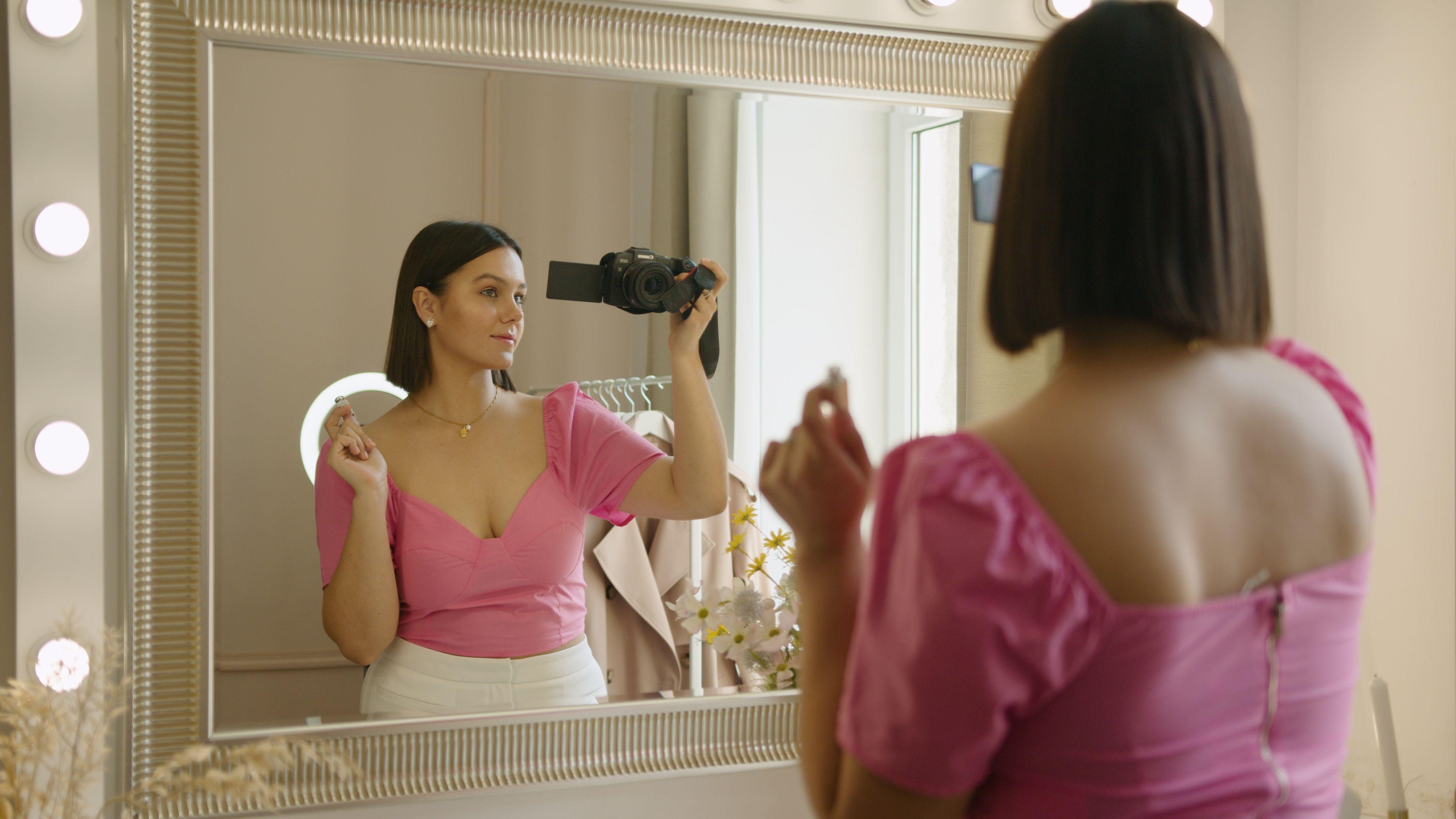
A major shift in fashion and beauty marketing is the move from gaining followers to building communities. Consumers want to support brands that make them feel included, heard, and valued.
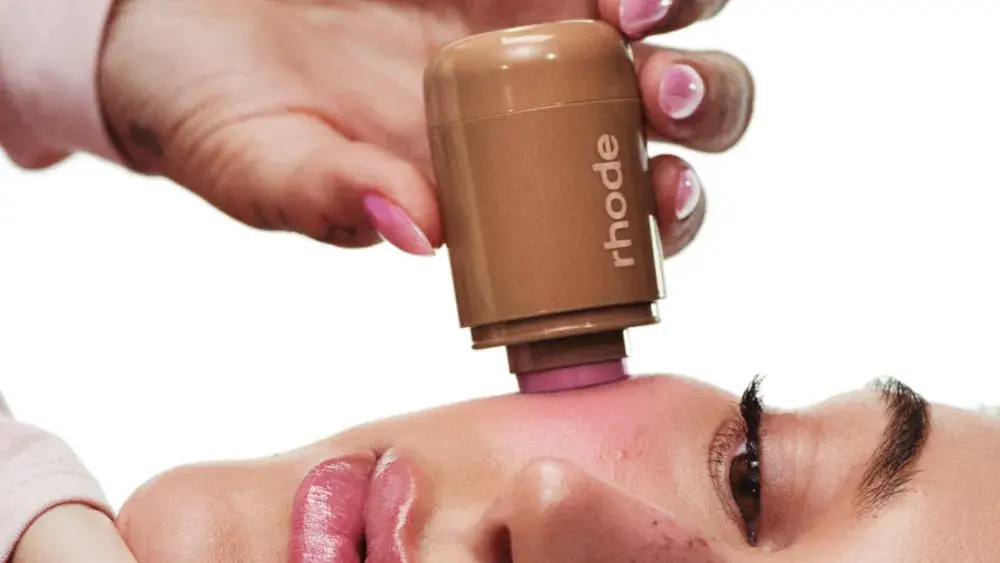
Beauty brands such as Rare Beauty, Rhode, and Glossier have built strong communities around their products and brand identities. User-generated content, customer feedback, and social media conversations can help make customers feel like part of the brand.
Community can also create long-term loyalty. When customers feel connected to a brand, they may be more likely to recommend products, share their experiences, and continue shopping with the company.
Personalization can make these relationships even stronger. Brands can use customer behavior to create more relevant experiences.
Key personalization and community-building strategies include:
✨ Dynamic email flows: Product recommendations based on browsing history. Searching "clean beauty skincare" will recommend SPF or serum-based products.
💄 Automated replenishment reminders: For cosmetic products that are coming back soon
💌 Private community spaces: Discord groups and brand forums that build loyalty
The future of fashion and beauty marketing will not only be about how many people follow a brand. It will also be about how many people feel connected to it.
Personalization is Creating Better Customer Experience
Technology has made shopping more personal. Brands can use customer data to suggest products based on interests, past purchases, and online activity.
Artificial intelligence is also becoming part of the shopping experience. Shoppers using generative AI platforms grew 4,700% between 2024 and 2025, while more than half of consumers said they were interested in trying AI shopping tools.
These tools can make shopping easier and help people find products that fit their needs.
Fashion and beauty brands are using AI in different ways. Virtual lipstick try-ons can help shoppers see how a product may look before buying it. Styling tools can suggest outfits, while chatbots can create skincare recommendations based on a customer's answers.
Personalization helps both shoppers and brands. Shoppers spend less time searching, while brands can create better shopping experiences.
In a digital media world, shoppers compare product ingredients, read beauty reviews, and look up the latest fashion trends. Key fashion trends include minimalism and tailored outfits, which are current trending queries driving organic traffic. "Natural looking skin" is a popular beauty trend, generating SEO based searches like "foundation for natural skin."
Concrete keyword strategies include:
💛 Trend-driven: "clean girl makeup 2026," "retro knitwear outfits," and "beauty trends by season"
👗 Event-based: "Wimbledon outfit ideas," "Emmy red-carpet style"
🎀 Problem-based: "mascara that doesn't smudge in summer," "best skincare for health and glow"
Brand Storytelling: Building Iconic Fashion, Beauty Trends & Narratives
Today's consumers are looking for more than just products. They want to understand the people, values, and purpose behind a brand. This is why storytelling has become one of the most important marketing strategies.
In a crowded social media feed, what differentiates a fashion brand is narrative. It's simply the art of explaining why it exists and whose life it impacts.
A brand story framework should include:
-
Founding moment: the origin and purpose behind the design
-
Mission: inclusive shade ranges, sustainable denim, environmental responsibility
-
Visual language: color palette, photography style, appearance and texture
-
Recurring storylines: BTS of couture week, customer's glow up journeys, community spotlights
Fashion and beauty brands can use storytelling through social media campaigns, videos, email marketing, and website content. Each piece of content helps shape how consumers see the brand.
Authenticity is especially important. Brands that communicate honestly and consistently can build stronger relationships with their audiences. In fashion and beauty marketing, trust can be just as important as the product itself.
Sustainability Influencing Consumer Decisions
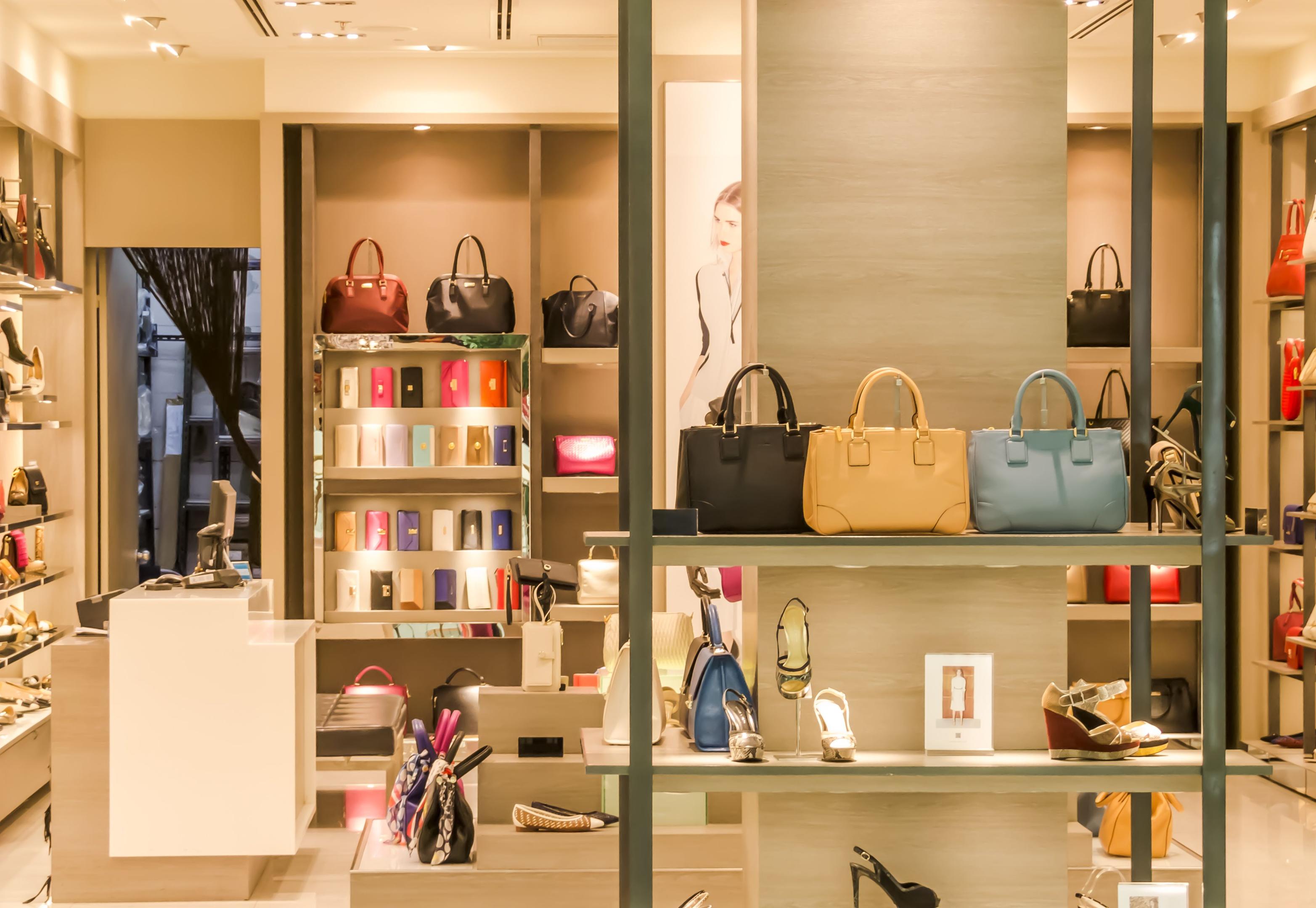
Sustainability has also become an important part of fashion and beauty marketing. Consumers are paying more attention to how products are made, what ingredients are used, and whether companies are making responsible choices.
Fashion and beauty brands are responding with recyclable packaging, cruelty-free products, ethical sourcing, and more transparent business practices. Consumers increasingly want to support brands that align with their personal values.
In fashion, vintage shopping and thrifting have become popular ways for consumers to shop more sustainably. Vintage-inspired styles are making a comeback, while secondhand shopping gives consumers another alternative instead of buying new clothing. It also shows how sustainability and personal style can work together.
Sustainability creates an opportunity for brands to tell a stronger story about their products. However, these claims need to be honest and supported by real practices. Consumers are becoming more aware of misleading environmental claims, making transparency more important than ever.
Brands that clearly explain their practices can build trust while still creating products that customers want.
Looking Ahead in the Future
The future of fashion and beauty marketing will continue to be shaped by technology, creativity, and changing consumer expectations.
Social media, influencer marketing, personalization, sustainability, and storytelling are becoming essential parts of how brands connect with their audiences.
Consumers are looking for more than products. They want meaningful experiences, honest communication, and communities where they feel connected.
Technology will continue to change how people discover and shop for fashion and beauty products. At the same time, the human side of marketing will remain important.
Brands will need to understand their audiences and create content that feels useful, relevant, and real. They will also need to stay flexible as new platforms and trends emerge. The strongest fashion and beauty brands will not simply follow every trend. They will understand which trends fit their identity and their customers.
In fashion and beauty, the future of marketing is not only about what consumers buy. It is about why they connect with a brand in the first place. The brands that understand the connection will be the ones that stand out.
🪽 Written by Simmy Kaur
join 50k marketing girlies
Private Marketing Girly LinkedIn Group
A private community where young women in marketing network, collaborate, and support each other.