
Sports and Fashion Campaigns You Need to Know About
Jul 24, 2026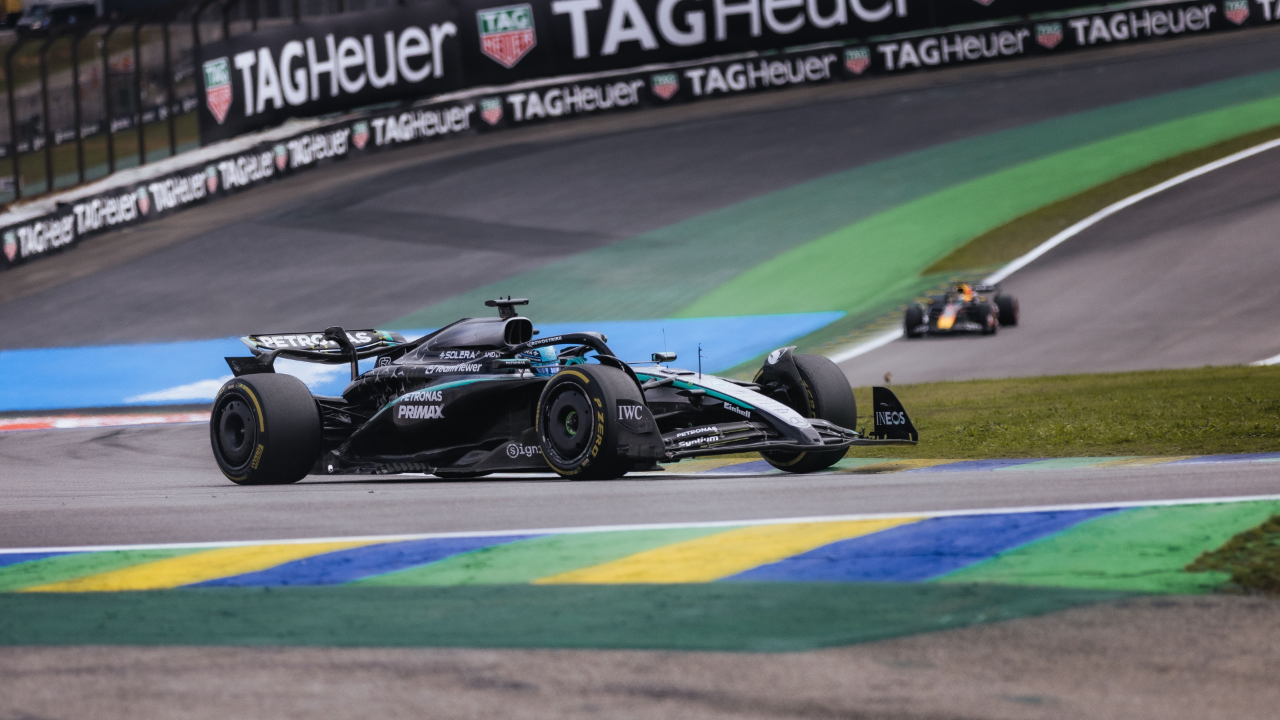
Hey Marketing Girly! In honor of the FIFA World Cup this summer, it feels like the right time to discuss some of the most influential and game-changing sports and fashion collaborations.
In recent years, sports and fashion have increasingly overlapped through sponsorships, product collaborations, investments and lifestyle-led campaigns, but their overlap goes beyond brand deals alone.
For marketers and brand strategists that overlap matters because of the impact sports and fashion hold over global marketing and culture. Mega-events like the FIFA World Cup and the Olympics deliver global attention and strong emotional engagement up to two years out from the commencement ceremonies.
The International Olympics Committee estimates that 84% of the potential global audience engaged with the 2024 Paris Games across viewership, social media, and other formats, while, according to a Nielsen report, soccer alone claims more than 3.5 billion fans worldwide. All of this is to say that sports fans represent a large part of the global audience and thus represent a large part of the consumer market.
This article looks at how sports and fashion brands have strategized using each other's strengths to increase brand awareness, how athletes and sports organizations function as lifestyle ambassadors, and why these partnerships work. From a marketing perspective, both industries depend on identity, aspiration, and lifestyle branding.
Fashion and Sports: A Brief (and Incomplete) History
Sports and fashion marketing have been in practice together for over a century. One of the earliest records of a fashion and sports campaign took place in 1922 when Converse leveraged Chuck Taylor's popularity to create the iconic Chuck Taylor All Star.
Another early example came when high fashion house Missoni designed tracksuits for the Italian Olympic Team in a one-off collaboration in 1948. Then, in 1985, Nike partnered with Michael Jordan to create Air Jordans for what is still considered the most lucrative brand deal in marketing history.
The relationship between sports and fashion is a long-standing evolution beginning with sportswear. Sportswear became popular in the early 20th century through high fashion designers like Coco Chanel who emphasized quality and style. Vogue Magazine reported that at this time in the 1920s, women's fashion offerings in Paris were 75% "of the sports type". This signaled a shift in the fashion industry and caused sportswear to become synonymous with everyday wear.
The most notable product to come from sportswear is sports-inspired fashion known as athleisure. Influenced by the rise of sportswear abroad American designers saw an opportunity to lean into the simplicity of sportswear and created athleisure, which would keep evolving through the 20th century.
Athleisure reflected a shift towards comfort in everyday fashion and marketing shifted with it. Sports brands would focus their marketing around innovative designs and smart fabrics, trying to sell consumers on a new generation of athletic wear through celebrity endorsements. In the 1990s, mass production put athleisure at everyone's fingertips and clothes that were originally designed to be worn for performance became stylish.
Enter streetwear. Streetwear stems from athleisure and was born from the 1990s hip-hop scene. At the time of its conception, streetwear represented opposition to the fashion norms that had dominated the industry for decades before it. Over time, it has become a favored style and has seen immense success especially in American culture.
American culture has a special relationship with sports and fashion as exemplified through tailgating. Fans come together in a pre-game ritual, clad in t-shirts stamped with their favorite teams' logo or full- blown replicas of athletic uniforms.
As stadiums were updated, sports fans attending or viewing from home would start to see sponsor logos line the playing field and player jerseys. Brands needed to find creative ways to stand out among the sea of logos, ushering in today's era of fully integrated sports and fashion campaigns.
A Matter of Time: Formula 1 x TAG Heuer
Some integrated sports campaigns leverage fashion brands as sponsors with more functional roles. In the spotlight for this niche campaign type, observe Formula 1 which is one of a few sports that houses brands as Official Timekeepers.
In the case of Formula 1, the role of the Official Timekeeper is to keep all official timings for each session and race weekend, objectively a very necessary and sport-defining function.
Since it is important that time be kept accurately, the responsibility is given to a trusted technology company or watchmaker with expertise in precision timekeeping. In the past the task has been given to Siemens, LG, & Rolex. Rolex was outbid by LVMH Group who championed TAG Heuer in 2024 to become Formula 1’s latest Official Timekeeper.
Tag Heuer launched an entire watch line to solidify the partnership. Timepieces are gifted to race winners from the F1 x Tag Heuer collection on the podium on live television for the whole world to see. In most cases, drivers must wear the timepieces through post-race interviews, ensuring visibility at all times.
In addition, Formula 1 has also partnered with Louis Vuitton as the designer for their trophy trunks. As for Rolex, although they are no longer affiliated with Formula 1, the brand remains passionate about motorsports and still is an investor in motorsports as seen on their website here.
A Study in Sports Fashion: Ralph Lauren x Wimbledon
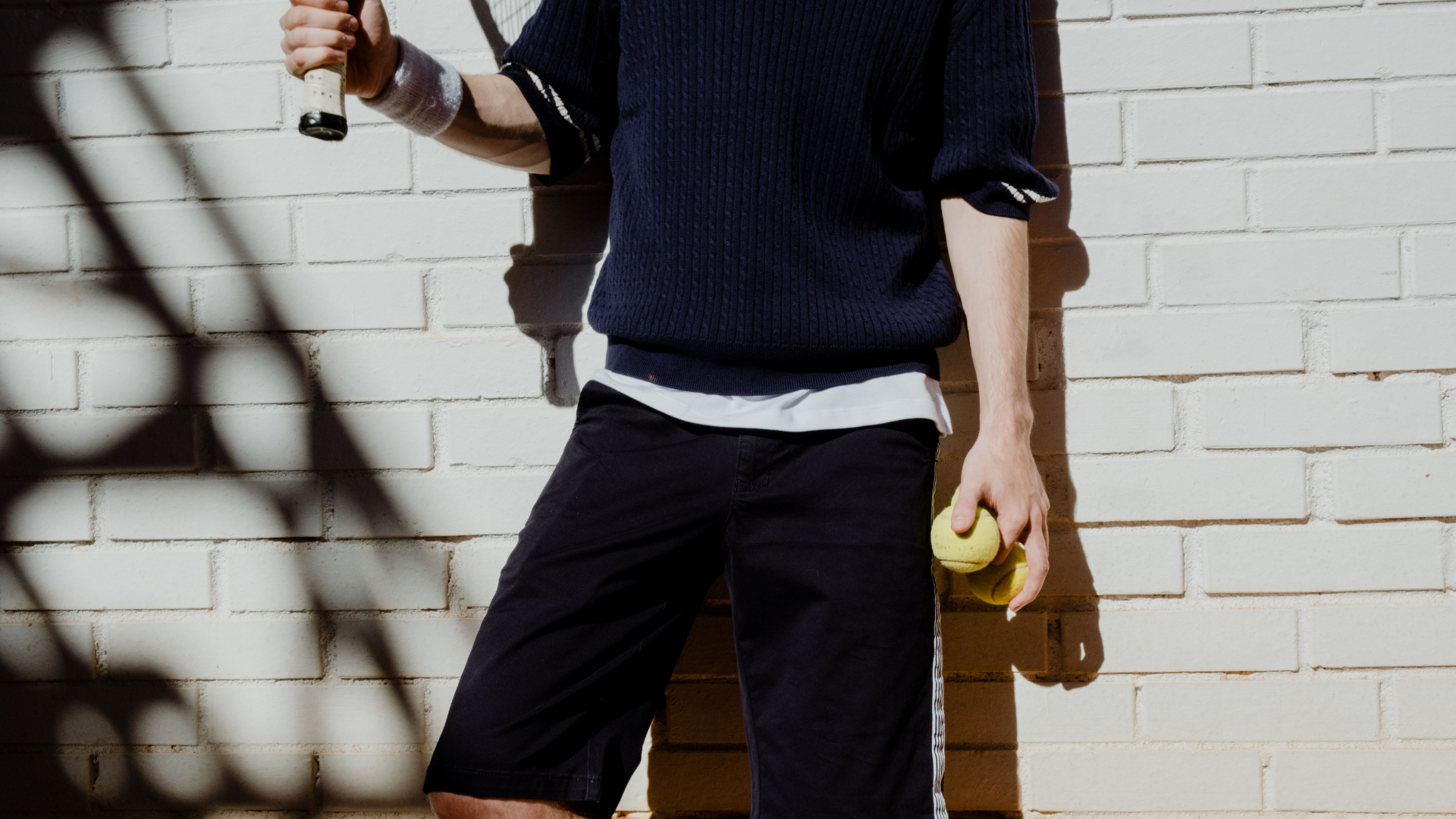
Fashion enthusiasts will know that luxury designer brand Ralph Lauren was chosen to be the official outfitter of Wimbledon in 2006. Every year since then, the eponymous label captures the essence of tennis athleisure in a curated capsule line designed to be worn at the tournament.
Ralph Lauren maintains their brand style and applies it to Wimbledon fashion in a collection that visually and emotionally represents an elegant summer spent sporting. Although the line is created for Wimbledon, it is available on both brands' websites for all fans to be able to enjoy.
This collaboration works because Ralph Lauren understands sports culture. Ralph Lauren takes the elegant tailored silhouettes that Wimbledon is known for and adds a touch of Americana for a modern twist.
The GOAT lives: Adidas x Lionel Messi
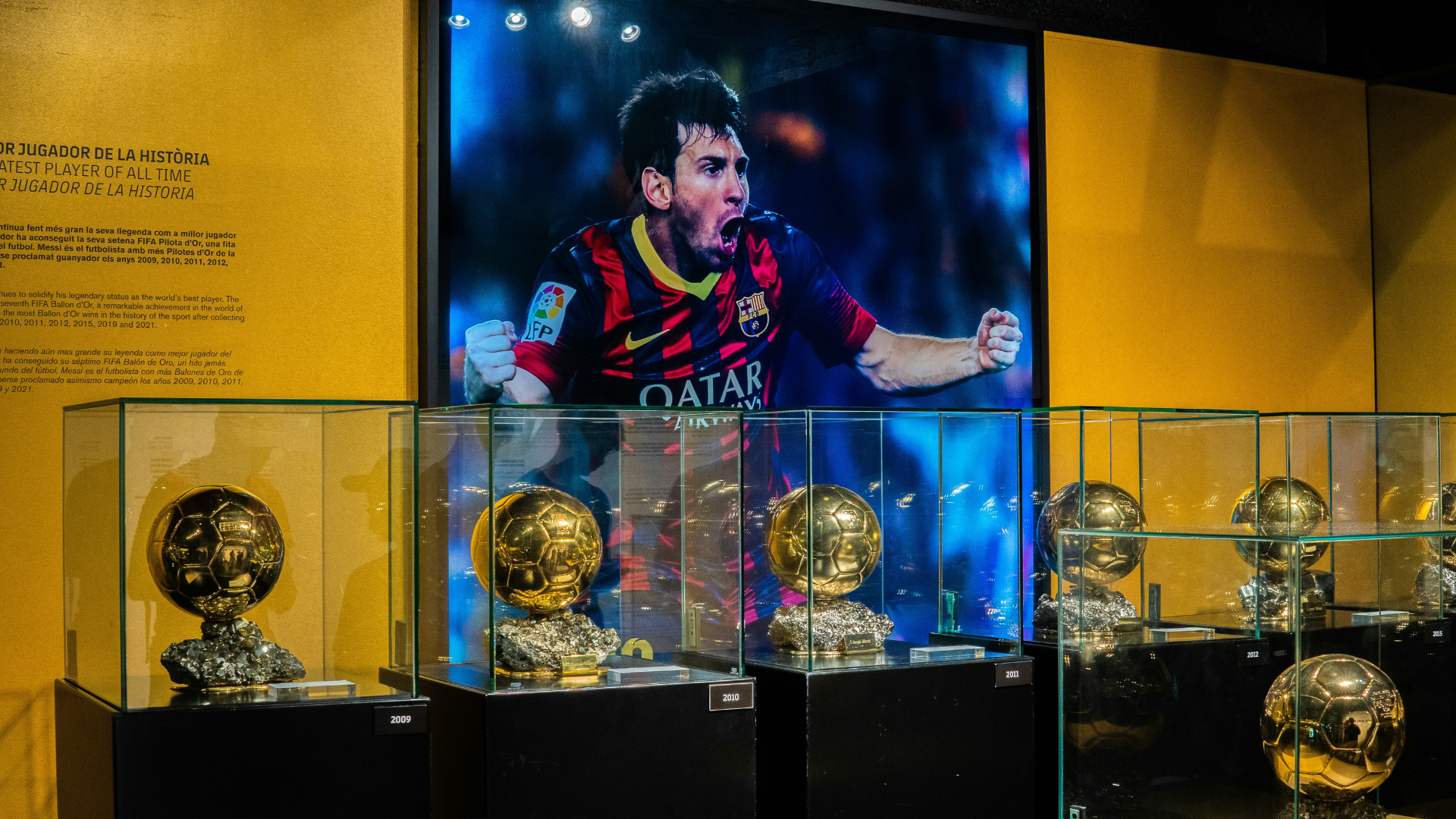
Sports apparel brands like Adidas have no shortage of sponsored athletes, but they found their crown jewel in cultural phenomenon, Lionel Messi. In 2018, after a previous 12-year contract, Lionel Messi signed a lifetime contract with Adidas leading up to his move to Inter-Miami. The business decision came after Messi was deemed one of the most commercially valuable athletes in sports history next to Michael Jordan or Serena Williams.
Over the long-standing collaboration, Messi’s collection has revolved primarily around what has become his legacy shoe line, the F50. The F50 introduced a new level of self-expression and innovative design, being one of the first sports cleat lines to utilize vibrant colors and a super-lightweight construction appealing to soccer players of all leagues and levels. Since 2006, football fans have waited in lines for a piece of the collection that Messi made history in.
In addition to co-creating a product line with Adidas, Messi is also a prominent face for the brand having been featured across several ad campaigns like "The Greatest Football Story Ever Told", one of the best crafted and most emotionally charged story ads to be released this World Cup.
All of these efforts not only keep Adidas relevant but have also massively contributed to the company's growth.
Nike x Apple Watch
Beyond everyday clothing and accessories, wearable technology is an emerging trend in everyday fashion and has become an essential part of a modern active lifestyle. From its first iteration, the Apple Watch became a must-have in wearable technology with its key focus on specific health metrics that contribute to a story of overall health and athletic performance.
The Devil's Prada is in the Details
Sports and Fashion campaigns rely on more than just the expected channels to carry their message, they also rely on smaller efforts like tunnel fashion and each individual athlete's social media to contribute to the project's overall success.
For reference, tunnel fashion refers to the outfits athletes wear between the arena entrance and the locker room. Athletes often dress in highly stylized outfits that have caught the attention of many fans. Tunnel Fashion has become a supporting character in the fashion-sports scene.
In addition to tunnel fashion, Athletes are influencers in their own right. Lewis Hamilton is an elite athlete but he is also a brand ambassador for Louis Vuitton, boasting an impressive 43.5 Million followers on Instagram alone. Add that with the fact that he is currently dating Kim Kardashian, and Lewis Hamilton has enviable cultural reach.
These "lesser efforts" contribute to a larger narrative around a brand and speak to extensive campaign milestones meant to look effortless.
S/S & F/W Forever
From Converse and Chuck Taylor to Messi and Adidas, sports and fashion have spent more than a century shaping one another. What began as performance-focused partnerships has evolved into a marketing ecosystem where sponsorships, product collaborations, athlete ambassadors, wearable technology, and lifestyle branding work together to create cultural moments that extend far beyond the game itself.
The campaigns explored here succeed because they understand that consumers are not simply buying a jersey, a watch, or a pair of sneakers. They are buying into an identity.
Whether it is Formula 1 reinforcing precision through TAG Heuer, Ralph Lauren translating the elegance of Wimbledon into everyday style, or Adidas building an enduring legacy alongside Lionel Messi, the strongest collaborations create stories that audiences want to be part of.
As global sporting events continue to attract billions of viewers and athletes become some of the world's most influential cultural figures, the relationship between sports and fashion will only continue to deepen. For marketers, the takeaway is clear.
The most effective campaigns do not interrupt culture. They become part of it. When brands successfully combine performance, style, and emotion, they create partnerships that resonate long after the final whistle.
Simply put, sports and fashion do not just belong together. They are helping define the future of modern marketing.
🪽 Written By Jennifer Sanchez-Garcia
join 45k marketing girlies
Private Marketing Girly LinkedIn Group
A private community where young women in marketing network, collaborate, and support each other.