
Sports Social Media is the Future of Sports Marketing
Jul 22, 2026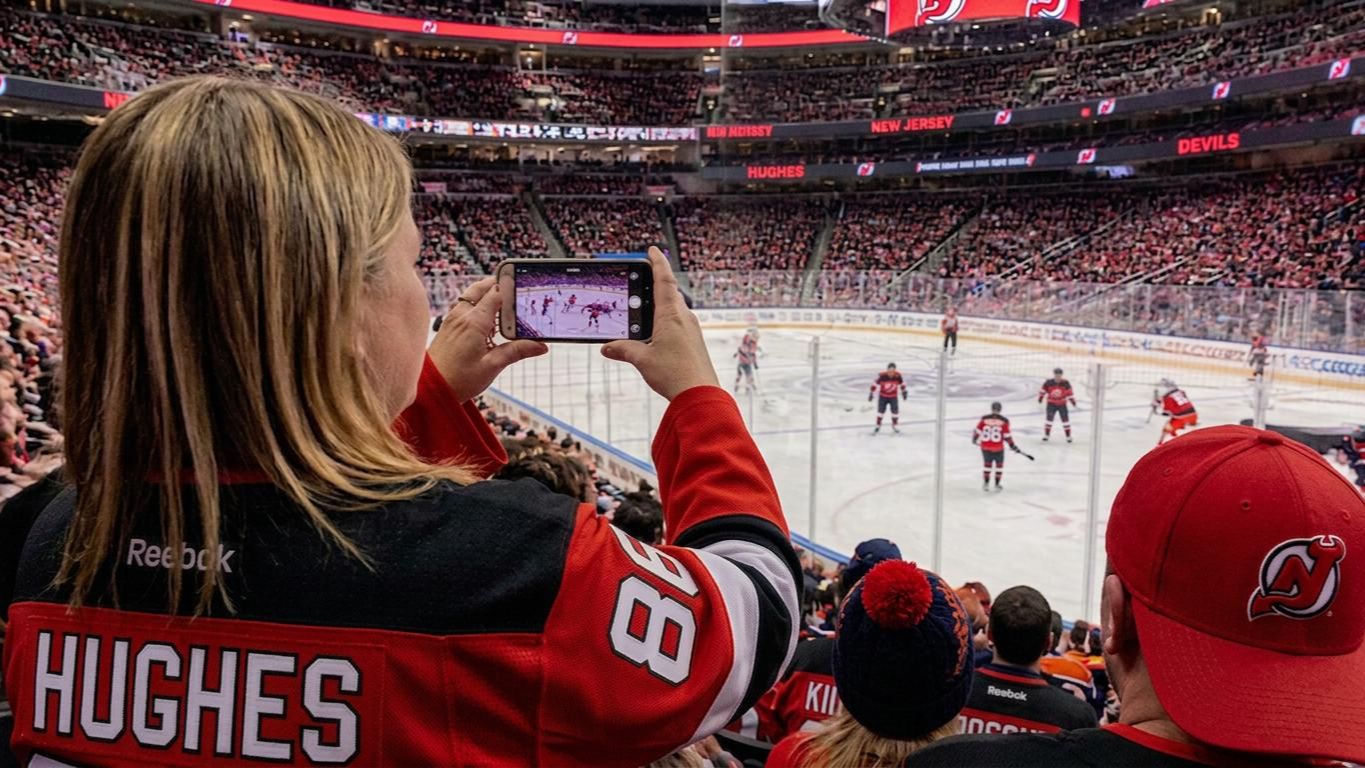
Sports are no longer something fans only watch on TV.
Today, they also follow every big moment on social media. Whether it's a last-second goal, a buzzer-beater, a behind-the-scenes practice clip, or a driver's reaction to winning a race, teams are using social media to keep fans engaged long after the game is over.
Sports social media has changed how teams market themselves. In the past, most marketing focused on ticket sales, merchandise, and promoting games.
Today, professional sports teams also focus on starting conversations, building communities, and giving fans exclusive moments.
Here are some of the most powerful ways sports social media is reshaping modern marketing.
What is Sports Social Media?

Sports social media is the use of social media platforms by sports teams, leagues, athletes, and other related organizations to connect with fans, share content, and grow their audiences.
Platforms like Instagram, TikTok, YouTube, and X (formerly Twitter) have become essential tools for sports organizations to communicate with fans beyond traditional marketing and social media marketing.
Unlike traditional sports marketing, social media allows organizations to create conversations with fans instead of simply promoting games, products, or events.
This shift has made social media one of the most important tools for building fan loyalty and creating long-term relationships with audiences.
In the past, fans mainly interacted with their favorite teams by watching games, attending events, or purchasing merchandise. Today, social media allows fans to experience their favorite sports every day.
They can watch player highlights, see behind-the-scenes moments, interact with players, and participate in conversations happening around the team.
Sports social media has become popular because it creates a more personal connection between athletes, teams, and their fans.
Instead of only seeing players compete on the field, fans now get to see their personalities, daily routines, and their lives outside of the game.
As sports organizations continue to prioritize digital platforms, social media has become more than just a place to share updates.
It has become one of the most powerful tools for building fan loyalty, increasing engagement, and shaping the future of sports marketing.
The Expansion of Fan Community
One of the biggest strengths of sports social media is its ability to bring fans from all over the world together. Sports fans no longer have to wait for game day or race day to interact with their favorite team or player.
Now, they can comment on posts, answer polls, and celebrate previous moments with other fans around the world.
These interactions help teams build loyal fan communities instead of simply gaining more followers. Every time a fan comments, reposts, or shares content around their favorite professional athletes and teams, the relationship between the teams and the fans strengthens.
Building a fan community requires more than just posting updates. Teams need to create sports content that encourages fans to participate, whether through polls, comment sections, live interactions, or fan-generated content. These strategies allow fans to feel like members of the team rather than just spectators.
Social channels have become the primary places for fans to connect with both the organizations and other fans. This helps fans feel like they're part of the team in a way traditional marketing can't.
Deloitte reports that 42% of their surveyed social media users use social media platforms to follow sports teams and the sports industry in general. Studies like these show why social media is one of the best ways for sports teams to reach today's fans.

Behind-The-Scenes Content Makes Teams More Authentic
In today's world, fans want to see and experience more than just the final score. They want to see locker-room celebrations after a big win, travel days, race weekends, how individual players interact with one another and their personalities, and the everyday moments that make athletes human.
This type of content helps fans feel more connected with the players behind the jerseys and the helmets.
Instead of polished advertisements and content, sports teams are focusing on authenticity. A quick video filmed in the hallway after a big win often performs better than professionally produced and edited content because it feels more human to the fans.
Teams are also allowing players to be a part of social media trends, answer fan questions, or appear in lighthearted videos. These moments help teams showcase their players' personalities, ultimately strengthening the bond between teams and fans.
Athletes are now building their own personal brands. Players are no longer only recognized for their performance during games, but also for their online presence, personality, and fan interactions.
Many athletes use social media now to share their interests, opinions, and personal experiences, which creates stronger relationships with fans beyond their professional careers.
Sprout Social explains that this new wave of content allows teams and players to connect with fans, even if they don't win a race or game.
Fans want to get to know the teams and players and feel connected to them in a way that traditional marketing never gave until the rise of social media.
How Hockey Teams Are Using Social Media to Grow the Game
Hockey teams use social media to connect with their younger fan base, especially with Gen Z.
The National Hockey League, or the NHL, and its individual teams are using social media to post game highlights, mic'd-up player moments, locker room celebrations, and player features to bring fans closer to the action on the ice.
Teams are using their social platforms to inform fans about what their players are doing, even in the off-season.
During the off-season before the 2026-2027 season, the New Jersey Devils have been able to post about their captain, Nico Hischier, helping rescue a family from a river.
Moments like this allow fans to feel proud of their favorite teams and players, even after a disappointing season. They also build anticipation for the return of hockey months before the next season begins.
These types of stories are valuable because they highlight the character of the organization, not just the performance.
Social media gives teams the ability to showcase their values, community involvement, and personalities in ways that traditional sports marketing cannot.
NHL teams have also used their platforms to promote youth hockey programs, charity initiatives, and fan experiences, which demonstrates what the organization represents off the ice.
Hockey continues to grow because social media helps teams connect with fans in new ways.
Formula 1 is the Social Media Success Story
Few sports have experienced the level of social media success that Formula 1 has achieved.
Over the past few years, Formula 1 has become one of the fastest-growing racing sports, especially within the United States. While the races themselves create excitement for the fans, social media has been a driving factor behind the growth of the sport.
Formula 1 regularly shares funny moments before races, team radio clips, interviews, memes, and behind-the-scenes videos.
The drivers themselves have also used social media to create their own personal brands and tell their own personal stories.
Lando Norris, Charles Leclerc, Lewis Hamilton, Oscar Piastri, and Daniel Ricciardo (who used to be a Formula 1 driver) regularly interact with fans and their communities, making the sport feel more personal and accessible to fans.
Formula 1 uses social media to tell stories that keep fans coming back every week. Every race weekend creates multiple storylines for each team and driver across all the different platforms.
Instead of simply posting the race results on Sunday, Formula 1 creates ongoing stories that keep fans invested throughout the entire season.
This storytelling approach has been important for attracting younger audiences who may not have heard about Formula 1 while they were growing up.
Through short-form videos, driver personalities, and behind-the-scenes content, Formula 1 has made the sport easier to understand and more accessible for new fans around the world.
Formula 1 shows how the use of sports social media can turn the casual, everyday viewer into a passionate and lifelong fan by making every week and every race feel like a part of a larger story.
Real-Time Marketing Keeps Fans Engaged
Every sports game and race happens in real-time, and fans are expecting content just as quickly.
Teams now rely on dedicated social media staff to post highlights, graphics, interviews, and reactions within minutes of major moments. Fast content keeps the fan excitement at an all-time high, while also encouraging fans to continue interacting throughout the game.
Whether celebrating a dramatic overtime win, a heart-wrenching home race win, or an unexpected upset, teams that are quick to post often receive higher fan engagement than those who wait until the end of the event.
Real-time marketing has become one of the biggest parts of sports social media.
Sports Social Media is No Longer the Future; It's a Game Plan
The marketing world has changed dramatically over the past decade, and sports social media has been at the center of that transformation.
From hockey teams building stronger communities with their fans to Formula 1 creating amazing storytelling experiences, sports organizations are showing that meaningful social media engagement creates long-term success.
The most successful teams and players no longer see social media as a place to just post updates; instead, they're using social media to expand on the audience's experience.
Sports social media will continue to grow. As AI, interactive content, and new social media platforms continue to grow, the way fans connect with their favorite teams and players will continue to reshape and evolve.
No matter how much technology changes, one thing will remain the same: fans want authentic stories and deeper connections with their favorite players and teams.
Sports organizations that embrace creativity, build strong communities, and consistently engage with their fans will be the ones who stand out.
Sports social media is no longer just a marketing tool. It is one of the most powerful ways for teams to grow their fan base, strengthen fan loyalty, and shape the future of sports marketing.
🪽 Written by Rebecca Robjohns
join 50k marketing girlies
Private Marketing Girly LinkedIn Group
A private community where young women in marketing network, collaborate, and support each other.