
Social Media Marketing for Beauty Brands: It Looks Like Food is The New Trend For Beauty Brands
Sep 30, 2026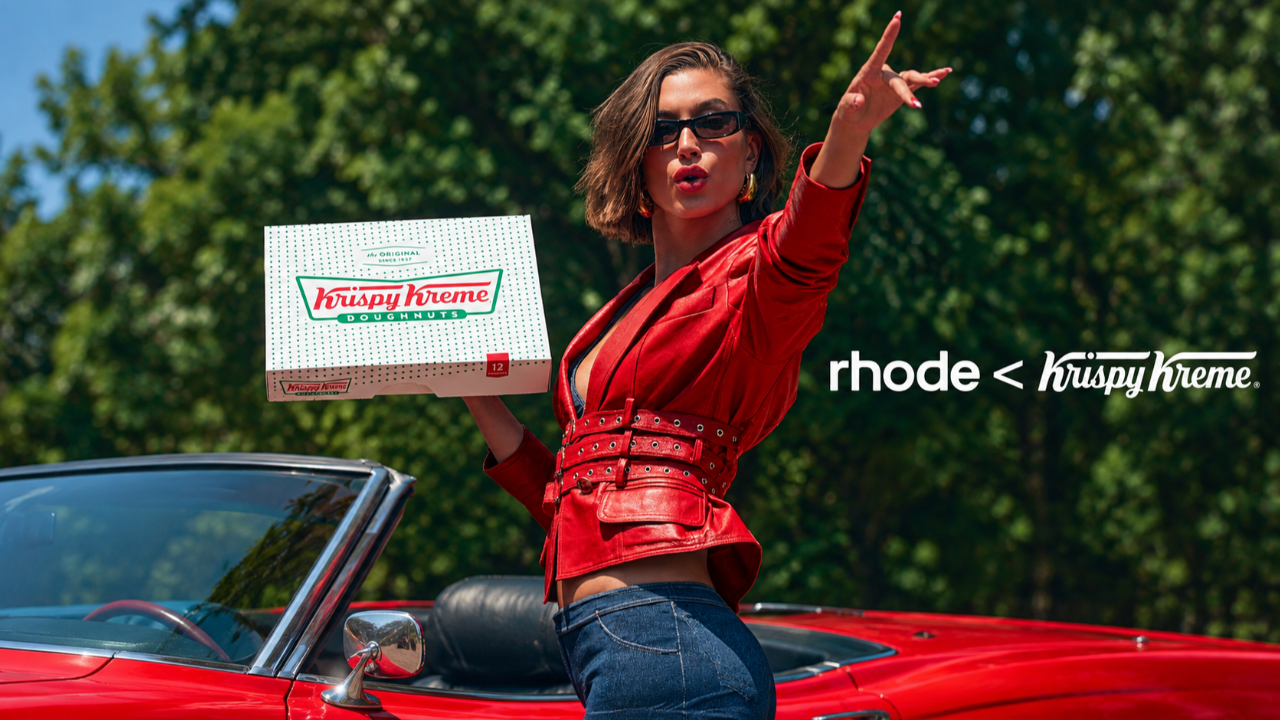
Why are beauty brands suddenly making us hungry?
One minute, there is a new lip gloss on the feed. The next, that lip gloss is sitting next to a strawberry glazed donut, a bag of chips or a bottle of hot sauce. Coincidence? Not at all.
Beauty brands have figured out that food is a powerful tool that can make their products feel more fun, more memorable and, most importantly, more shareable.
From collaborations that we would never think about to food-inspired beauty products and dream PR packages, brands are finding new ways to make beauty content impossible to scroll past and to get reach highly engaged audiences. And honestly, it makes sense.
When there is so much competition in the beauty industry, getting attention takes more than a pretty picture. Social media marketing for beauty brands is becoming less about simply showing the product and more about creating a moment around it. That means building a social presence that feels relevant, creating compelling content and finding ways to connect with beauty buyers beyond the particular product being sold.
So, why is food becoming one of beauty's favorite marketing tools?
Why Food Works So Well for Beauty Brands
Food already has something that most products have to work hard to create: an emotional connection. Think about strawberries, donuts, ice cream or a favorite childhood snack. These things can instantly bring up a memory, a craving or a very specific feeling for beauty buyers and other consumers. Beauty brands can use that feeling for social media by connecting those existing feelings to their social strategy.
Instead of saying that a lip product is glossy, sweet or playful, a brand can connect it to something consumers already understand. A strawberry glaze sounds much more exciting than simply "pink lip treatment."
Rhode is probably one of the best examples of this social strategy. The brand's Strawberry Glaze Peptide Lip Treatment was inspired by the strawberry glazed donut concept. The product turned a simple beauty launch into something much bigger because consumers could immediately picture what "strawberry glaze" meant. But they didn't stop there.
But they didn't stop there. To make sure the strawberry glaze stayed in people's minds, Rhode did a unique collaboration with Krispy Kreme across social platforms.
That is exactly what makes food so useful in social media marketing for beauty brands. It gives the audience an instant visual and a familiar reference point. And TikTok and Instagram are both social media platforms that instant visual is the most important, or even everything.
From Donuts to Lip Products
Food and beauty collaborations are nothing new, but brands have gotten much better at making them feel unexpected.
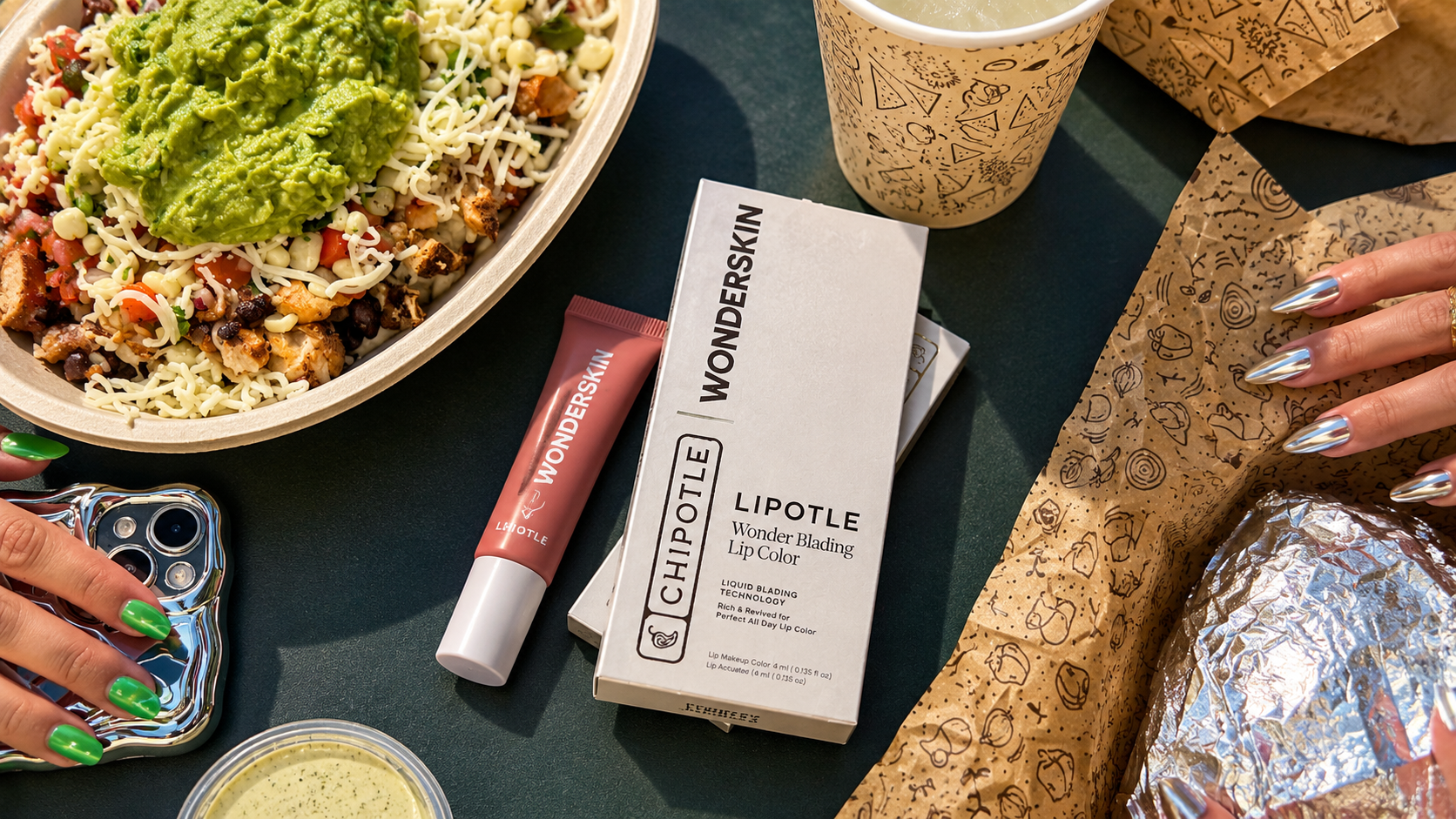
Take Chipotle and Wonderskin. In 2024, the two brands teamed up to create "Lipotle," a limited-edition lip stain inspired by Chipotle. The collaboration took something very familiar, Chipotle, and put it into a completely unexpected category, beauty. And that is exactly why people noticed.
Consumers see beauty collaborations every day. So brands had to think better about they're content strategy. Beauty brand plus celebrity? Expected. Beauty brand plus another beauty brand? Also expected. Beauty brand plus Chipotle? Now there is something new and unexpected. The collaboration gave people something to comment on, send to their friends and post about.
It did not need to convince everyone that they needed another lip product. It first needed to make them think, "Wait, what?"
That little moment of confusion is actually a great marketing tool. For social media marketing for beauty brands, unexpected partnerships and collaborations can create curiosity before the product even enters the conversation.
This is also where user generated content can become valuable. When consumers share customer photos, reactions or videos about an unusual product launch, the brand gains social proof without having to create every piece of social content itself.
Food Makes Beauty Content More Shareable
Let's be honest. Social media is crowded. There are many brands and thousands of beauty products competing for attention every day. A photo of another serum sitting on a marble counter is probably not going to stop everyone mid-scroll. Add a giant donut to the picture, though?
Now there is something to talk about. Food gives beauty brands an easy way to make content feel more entertaining. It can turn a regular product launch into a visual story and give consumers a much-needed sense of fun.
This is especially useful on TikTok and Instagram, where consumers are not necessarily looking for advertisements. They are looking for something interesting. That difference matters.
The best social media marketing for beauty brands does not always look like marketing at first. It can look like a funny collaboration, a creator's unboxing video or a surprisingly well-designed PR package. The product is still there. It is just not doing all the talking. That is where creative freedom becomes important.
Beauty brands can experiment with different content formats, from short-form video content to Instagram Stories, creator content and customer photos. The goal is not to create more content simply for the sake of posting. The goal is to create social content that people actually want to engage with and share.
When the Product Becomes an Experience
Some brands take the food concept even further by making it part of the actual experience. Too Faced did exactly this with its Peaches & Cream collection. The brand worked with experiential marketing agency Sweeter to create a custom Peaches & Cream ice cream flavor. Thousands of servings were distributed through Sephora events, while branded ice cream packages were also sent to beauty bloggers and influencers.
The campaign even included a branded food truck. And the beauty brand didn't stop there. In 2026 a collaboration was made with the self-service frozen yogurt brand, Yogurt Land, and created a unique flavor.
Suddenly, a makeup collection was no longer just a makeup collection. It was ice cream. It was an event. It was something influencers could take pictures and share. And it was something people could experience in real life and then share online. That is the fun part of social media marketing for beauty brands. The campaign does not have to start online to become successful online.
A physical experience can become a TikTok. A PR package can become an unboxing. A collaboration can become a meme. One idea can create several pieces of content across different social channels. This approach can also help brands reach new audiences. Someone who may not normally follow a cosmetics industry account might still engage with a frozen yogurt collaboration, share it with friends or become curious about the beauty product behind it.
Beauty Brands Are Borrowing From Food Culture
There is another reason food works so well for beauty: food is culture. Certain foods, flavors and brands already have their own communities and identities. Beauty brands can tap into those communities instead of trying to create a new one from scratch.
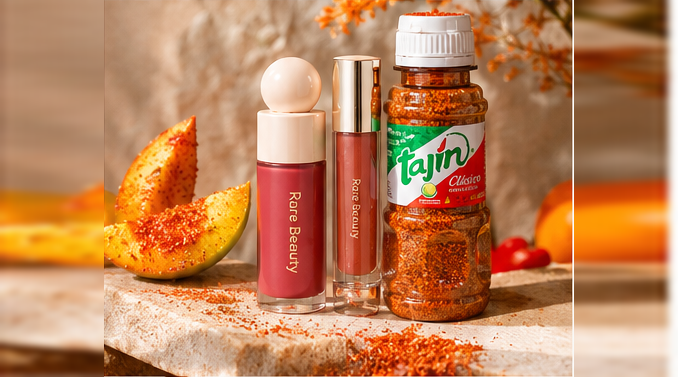
Rare Beauty's collaboration with Tajín is a good example. The partnership included makeup products inspired by Tajín's flavors, including shades named "Chamoy" and "Clásico." The collaboration also supported the National School of Ceramics through a donation connected to Tajín's work with the organization. This makes the collaboration more than a cute food-themed launch.
It connects two recognizable brands and brings their audiences together and introduces the product to other potential customers. That is a big opportunity for social media marketing for beauty brands. Instead of speaking only to beauty consumers, a brand can enter another community that already has its own conversations, creators and culture.
This can help brands build credibility with new audiences while also creating opportunities for brand advocates. If the collaboration feels authentic, consumers may become more willing to share it with their own communities. And that can make the campaign feel much bigger than the product itself. And that can make the campaign feel much bigger than the product itself.
Why Are Creators So Important
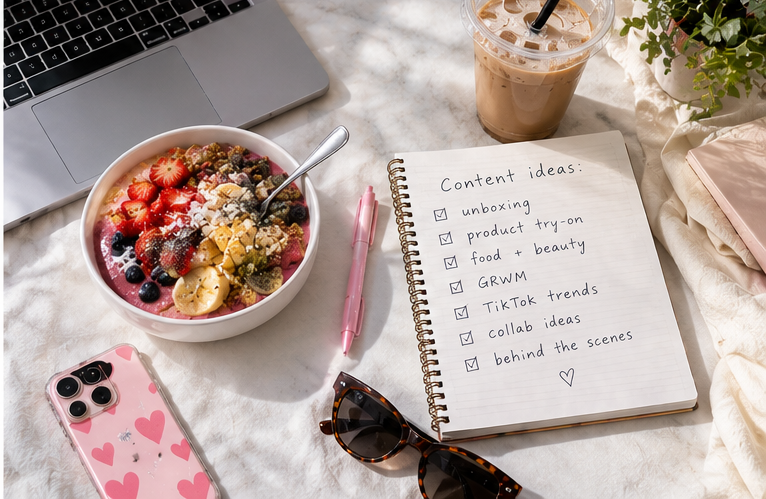
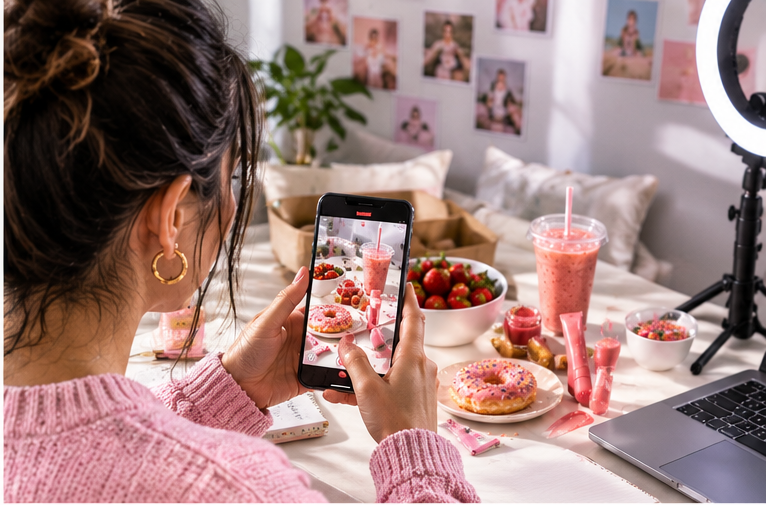
Of course, none of this would be quite as powerful without creators. Food-inspired beauty campaigns are basically built for creator content. A creator can unbox a food-themed PR package. They can try the product. They can answer questions. They can recreate the campaign.
They can explain the collaboration to their followers or simply react to how random it is. And consumers can listen to real voices. That gives the audience a reason to watch. It also makes the content feel more natural on social media.
This is where social media marketing for beauty brands and influencer marketing overlap. Brands are not just paying creators to show a product. They are giving creators something interesting to do with the product.
New content ideas can give influencers more creative freedom and help brands create influencer content that feels less like a traditional advertisement. And there is a big difference.
"Here is my new lip gloss" is content. "Why did this beauty brand send me a giant box of donuts?" is a story. The second one is much more likely to earn a comment.
So, What Can Beauty Marketers Learn From Food?
The obvious takeaway would be that every beauty brand needs to launch a donut-shaped product. Thankfully, that is not the lesson. The real lesson is about making products culturally relevant.
The strongest food and beauty campaigns tend to have a few things in common:
-
They are instantly recognizable. Consumers understand the reference without needing a five-minute explanation.
-
They create curiosity. The best collaborations make people stop and think, "Why did these two brands work together?"
-
They are visually strong. The idea needs to work in a TikTok, Instagram post, Instagram stories or creator video.
-
They give people something to share. A good campaign creates content that consumers actually want to send to their friends.
-
They still connect back to the product. The food should make the beauty product more memorable, not completely steal the spotlight.
These are useful principles for any social media marketing for beauty social media strategy, even when food is not involved.
The Future of Beauty Marketing Might Be a Little Weird
Beauty marketing is becoming much less predictable.
The brands getting attention are not always the ones with the biggest celebrity, the most expensive campaign or the newest product technology. Sometimes, they are the ones that find an unexpected way to connect beauty with something people already care about.
Food happens to be particularly good at this. It is visual. It is emotional. It is nostalgic. And, let's be honest, people love talking about food. That makes it a pretty powerful ingredient for social media. The bigger lesson for marketers is not to copy the latest donut or strawberry trend. It is to think beyond the product:
What culture could the brand become part of?
What unexpected collaboration would make people stop scrolling?
What could turn a product launch into an unforgettable experience?
And, most importantly, what would make someone want to send the campaign to their group chat?
That is where social media marketing for beauty brands gets interesting. Because sometimes, the best way to get people talking about beauty is to give them something completely unexpected to talk about first. And apparently, sometimes that thing can be a donut.
🪽 Written by Vera Dutschke
join 45k marketing girlies
Private Marketing Girly LinkedIn Group
A private community where young women in marketing network, collaborate, and support each other.