
Secrets of Gen-Z Marketing: What You Need to Know
May 29, 2026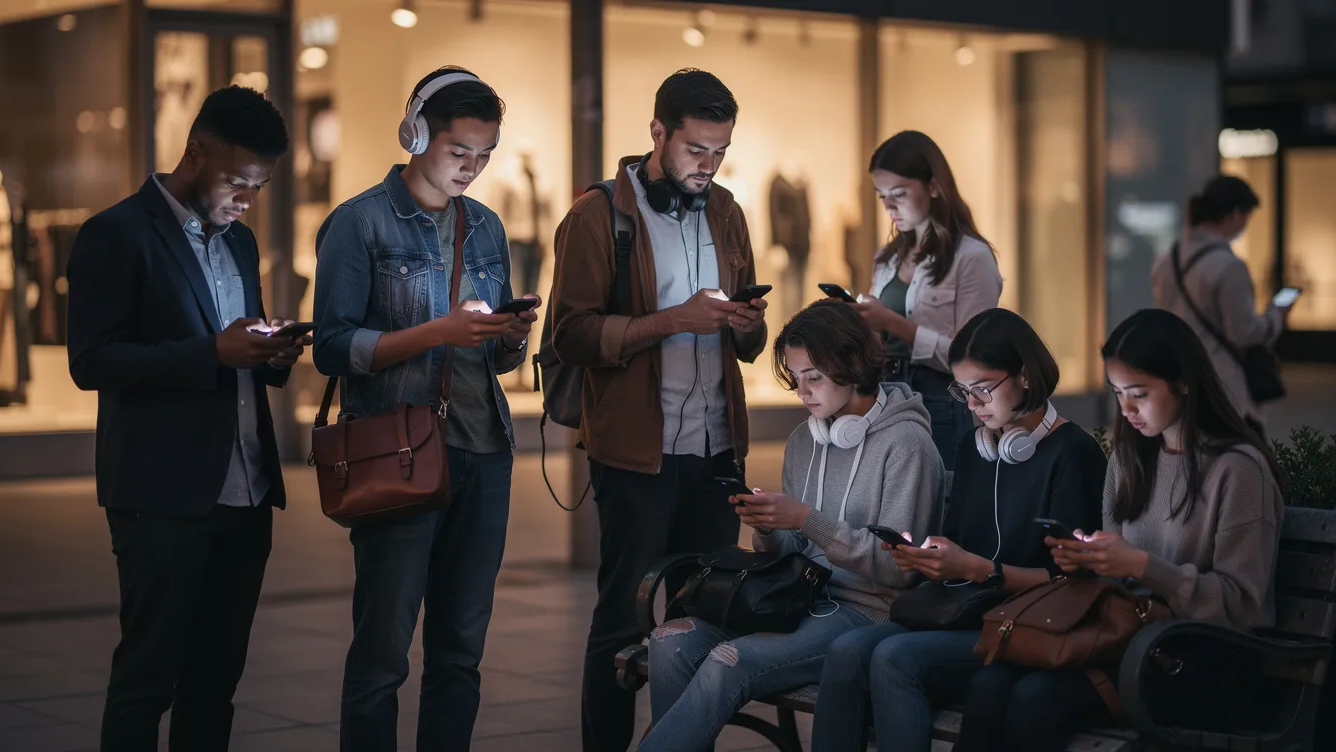
This article explores Gen Z marketing strategies that actually work in today's digital landscape
Know your target audience.
Gen Z represents about 20% of the US population as of 2023, or 69.31 million people, influencing how brands communicate and build loyalty.
Understanding how to market to the younger generation starts with learning what consumers truly value. Viewers no longer look only for the best moisturizer, but also for brands that align with their values.
With the rise of social media platforms, Gen Z favors brands and influencers that advocate for political and social issues and are more incentivized to buy the brand's products as a result.
A Sprout Social report on Gen Z, titled #BrandsGetReal, found that 70% believed it was important for brands to take a public stance on these issues.
Additionally, 28% of Gen Z consumers want brands to take a clear public stand on major issues, while 30% prefer brands to take a stand only if it relates to their product or industry.
While research may indicate that political advocacy is necessary for the success of Gen Z marketing, the rest of social media users in previous generations tell a different story.
A Pew Research Center survey found that 46% of U.S. social media users are 'worn out' by political posts and discussions.
Statistics suggest that social media users in other generations may feel indifferent towards big-name brands taking public stances on global issues, but Gen Z has a stronger desire for unity in an increasingly fragmented digital world.
Understanding these values is just the beginning; next, let's explore how content style and delivery must adapt to capture Gen Z's attention.
So why is Generation Z more likely to support socially conscious brands?
In a generation that values authenticity over tone-deaf traditional marketing, consumers expect big-name brands to engage with real-world issues and experiences that happen in daily life.
When the mask is taken off and brands reveal who they really are, the Gen Z audience is bound to pay attention. Ultimately, that familiarity not only builds trust but may also lead to more sales.
Keep it short and maybe a little unhinged.
One of the biggest differences in how marketers have navigated selling content to millennials and Gen Z is by recognizing and catering to shorter attention spans. Because of the rise of short-form video and other fast-paced content, users not only want content to be short and sweet, but also to hold their attention.
According to a Campaign Monitor study, "living in a fast-paced world has conditioned the Gen Z generation to be able to pass on anything remotely irrelevant to them."
Also, the average attention span of Gen Z consumers is approximately eight seconds. This doesn't only mean that a brand could suddenly be identified as 'uncool.' It means the bar for what is considered a shock factor for the new generation just went up.
So, what does this mean? It means that for Gen Z marketers, traditional methods are out and unhinged marketing is in.
Unhinged Marketing is a rebellion against traditional marketing, characterized by its use of trending content, memes, and irreverent brand voices, aiming to capture attention in a crowded market.
Examples of this could be:
- Something harmless and comical, like French's limited-edition mustard flavor
- One of TikTok's rising creators, ASHBY, who famously went viral for her nightly TikTok Lives, where she would impersonate The Lorax. ASHBY's quick wit and unexpected dialogue keep fans engaged and intrigued in a world that demands new ideas and humor at a rapid pace.
Unhinged marketing doesn't just result in more likes; it creates a growing movement of creators who are given permission to be fully themselves online, even if they're unpolished.
Brands and influencers are breaking free from social norms and sparking conversations, even when their content is controversial.
Unhinged Marketing is high risk but can yield high rewards, as it allows brands to stand out and create deeper emotional connections with consumers who crave something different and genuine.
Understand the 'why' behind the scroll.
Social media, in its earlier forms, may have been used only to Google 'how many teaspoons in a tablespoon' or to search for a YouTube tutorial on 'how to use a curling iron.'
What seemed like a technology that offered different tutorials and inspo has evolved into so much more. Gen Z now uses platforms to search for product reviews and recommendations, learn relevant pop culture, and even stay up to date on political and social issues.
To understand the 'why,' we first need to understand the 'where.' 80% of Gen Z social media users are on Facebook and Instagram, 74% on YouTube, and 72% on TikTok, making these networks the most popular among this generation. Thisdiffers from millennials, who have reported using Facebook and YouTube more predominantly.
Not all platforms are created equally, however, as Gen Z users utilize platforms differently. Gen Z prefers short-form video content (less than 60 seconds) on platforms like Instagram and TikTok, and is the only generation to prefer long-form video (over 60 seconds) on YouTube. When viewing social media content, Gen Z primarily uses TikTok for product discovery, closely followed by Facebook, indicating a shift in how they find new products and brands.
The future of Gen Z marketing
One thing we can be certain of is that Gen Z will always expect brands to produce new and exciting content. In a society where the pace is increasing, and Gen Z's attention span is getting shorter, the pressure to be relevant is at an all-time high. This may sound discouraging for some. But for the creatives in marketing teams, this is exciting.
Additionally, Generation Z prioritizes mental health, sustainability, and racial equity, influencing their consumer habits and brand loyalty. Chipotle’s success with social media trends and Patagonia’s unwavering commitment to sustainability highlight two powerful approaches to capturing Gen Z’s attention.
Ultimately, it tells us that consumers are buyers, and buyers are also consumers. As a result, brands and creators can leverage platforms and use the right marketing trends and advertising strategies for each platform once they understand why their consumers are using the app in the first place.
So, what do we know about the Gen Z audience and Gen Z marketing?
They're chronically online, which means marketers should be too. So dive in, experiment boldly, and make your brand part of the conversation that Gen Z can't ignore. Start today and transform your strategy to meet them where they are.
🪽 Written by Nikki Wagner
join 50k marketing girlies
Private Marketing Girly LinkedIn Group
A private community where young women in marketing network, collaborate, and support each other.