
Role of Social Media Marketing for Food and Beverage Brands
Sep 30, 2026
Are you drawn to a product because your favorite creator posted it?
Does the look of a product post fit your aesthetic? Social media changed how people discover and connect with food and beverage brands.
A product whose sales used to depend on shelf space at the grocery store doesn't need to. It can reach millions of people through a short video or a creator recommendation. Digital advertising and user-generated content in social media campaigns work for brands.
This is especially true in the health and wellness space. Consumers are looking for products that fit their lifestyles and support their goals. Brands need to explain what their products are, show what they are, and why they matter. And use digital platforms to do it.
This is where marketing for food and beverage stands out. Social media gives brands a way to reach a mass audience. To educate consumers, share stories, and build relationships. They create brand awareness with consumers.
When done well, social media can help a product become part of a person's everyday routine.
Social Media Marketing for Food and Beverage
Social media lets food and beverage brands reach their audience in a direct and personal way. Platforms like Instagram and TikTok allow brands to use short-form content. 30-second videos, recipe ideas, and user-generated content create interest in a brand image.
Food and beverage brands are usually visually appealing. This makes them a perfect fit for social media. Social media understands customer behavior. Your favorite influencer posting about their favorite drink in every video drives sales for beverage companies.
A recipe video using a new ingredient can make a brand more relatable to consumers. These types of posts help consumers picture how a product might fit into their own lives.
Listening to consumers is a huge part of social media marketing for food and beverage brands. Comments, reviews, and shares help brands understand what people like and don't like. This feedback can help brands improve products, adjust messaging, and create better content.
Research on marketing for food and beverage brands highlights digital channels. This includes social media analytics and consumer engagement. Digital marketing is a key. It unlocks consumer behavior. It helps build stronger relationships with brands and increases brand visibility.
Social media in marketing is not only used to promote a product. It is a way to learn what consumers care about.
Health and Wellness Brands
Products like probiotic sparkling drinks and plant-based alternatives are health and wellness products. Marketing them focuses on how they fit into a consumers daily life and routine.
A beverage can be promoted as part of a morning routine or a coffee alternative. A snack brand could focus on ingredients or how it fits into a busy schedule. These messages help consumers understand more than what the product contains. They show how the product fits into their lifestyle.
These marketing efforts help reach a brands target audience.
Marketing for food and beverage is a balance between product benefits and building trust. Consumers may want to know about ingredients, nutrition, and functional benefits. They also want information they can understand and believe. This wins brand loyalty from potential customers.
This is where social media plays a key role. It can help brands explain details in a simple way. A short video about a product in a recipe they love can make a product feel much more approachable.
Poppi is an example. A brand that used social media to connect its product with wellness and everyday routine. Its TikTok content is product promotion with a lifestyle focus. It created brand recognition through visual appeal.
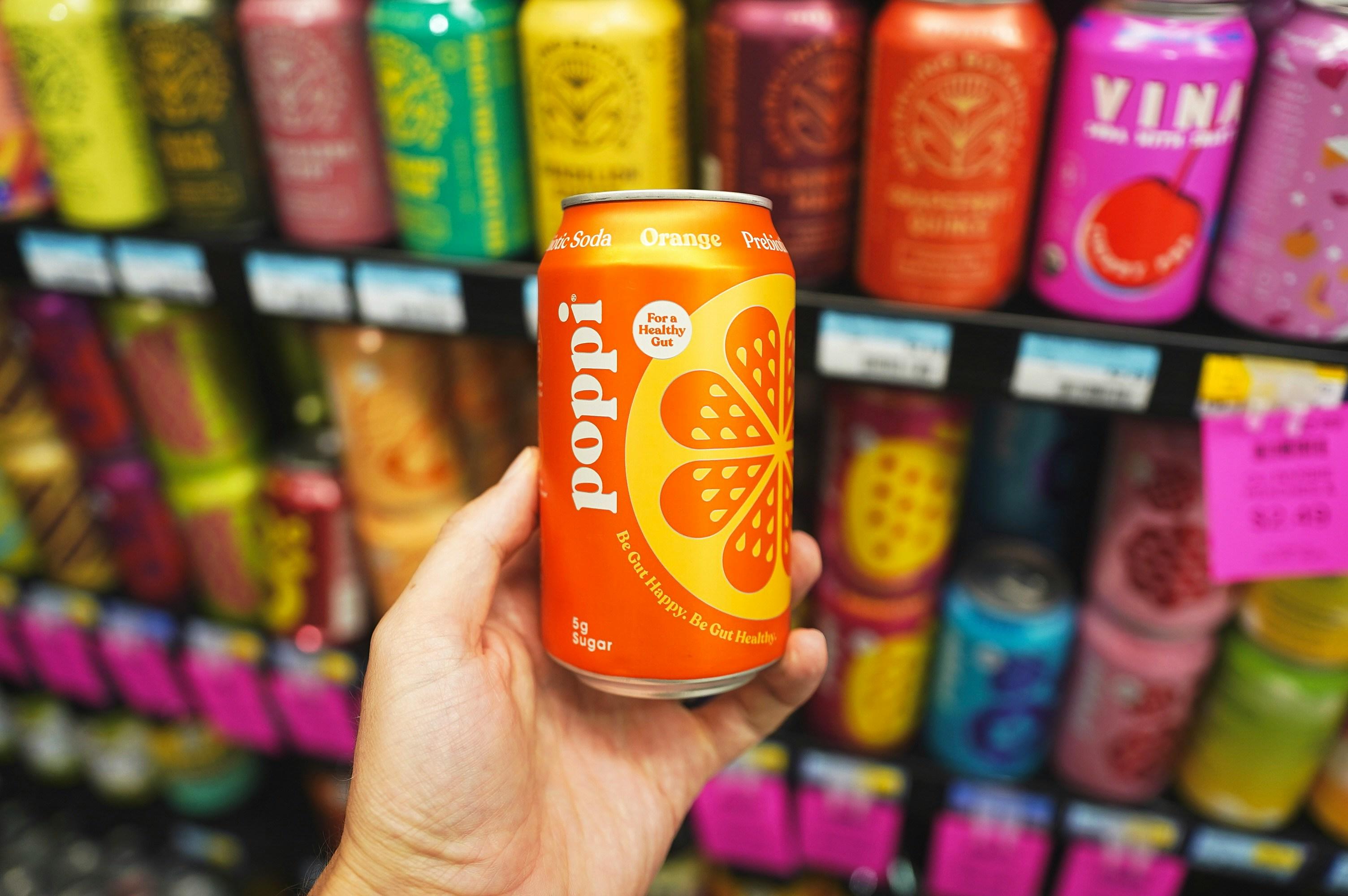
The big picture is that health and wellness brands are usually selling more than a product. They are communicating a routine, experience, or value. Social media gives them a way to make the message feel personal.
Key Marketing Strategies for Winning Consumer Interest
The key to increase brand awareness through marketing for food and beverage is understanding. Understanding the audience, product, and message the brand wants to communicate.
-
Content Creation that fits the platform. Each social media platform has its own audience and style. Instagram is more polished. TikTok is useful for short videos and informal storytelling. Instead of posting the same content on all platforms, adjust for each platform to make it feel more natural.
-
Focus on lifestyle, not just the product. Consumers want to know how a product fits into their everyday lives. For example, Poppi's official TikTok account uses short-form content. They promote the beverage while also connecting the brand to everyday routines. This strategy is encouraging customers that Poppi fits in their lifestyle.
-
Use Informative Content. This helps brands build credibility. Clear explanations make it easier to understand a product. Education on a product makes consumers feel confident about purchasing it.
-
Encourage Consumer Participation. Social media works best when it creates a conversation with others. Brands can encourage participation through user-generated content, giveaways, and trends. Responding to comments quickly goes a long way.
-
Measure Results and Adjust. Social Media analytics helps brands to understand. Which types of content attract attention and lead to meaningful action.

Consumer Product Goods
Food and beverage brands are part of the larger ecosystem of consumer product goods. Because consumers have many choices, brands have to compete for their attention. Compete across platforms and content types.
Content does well when it is created for a specific platform. Quick videos on TikTok. Aesthetic pictures on Instagram. Content created by consumers can provide social proof. It makes a brand seem more relatable and trustworthy.
Brands with successful marketing strategies stuck to what works. They used influencers as part of their stretegy. They went directly to consumers. They built a following.

Future of Social Media Marketing Strategies
The future of marketing for food and beverage brands will involve more of what is happening now. Personalized, interactive, and community-focused content. Consumers are comfortable discovering products through other people. Creators, influencers, short-form videos, and social media recommendations are huge.
Brands will need to balance storytelling with transparency and accuracy. Consumers value clear and reliable information.
Ultimately, social media provides food and beverage brands with more than just advertising. It creates a space to build relationships with consumers. To understand their needs and communicate food and beverage brands identity.
🪽 Written by Jaspinder Uppal
join 45k marketing girlies
Private Marketing Girly LinkedIn Group
A private community where young women in marketing network, collaborate, and support each other.