
Protein Trends Is The Ultimate Marketing Move
May 29, 2026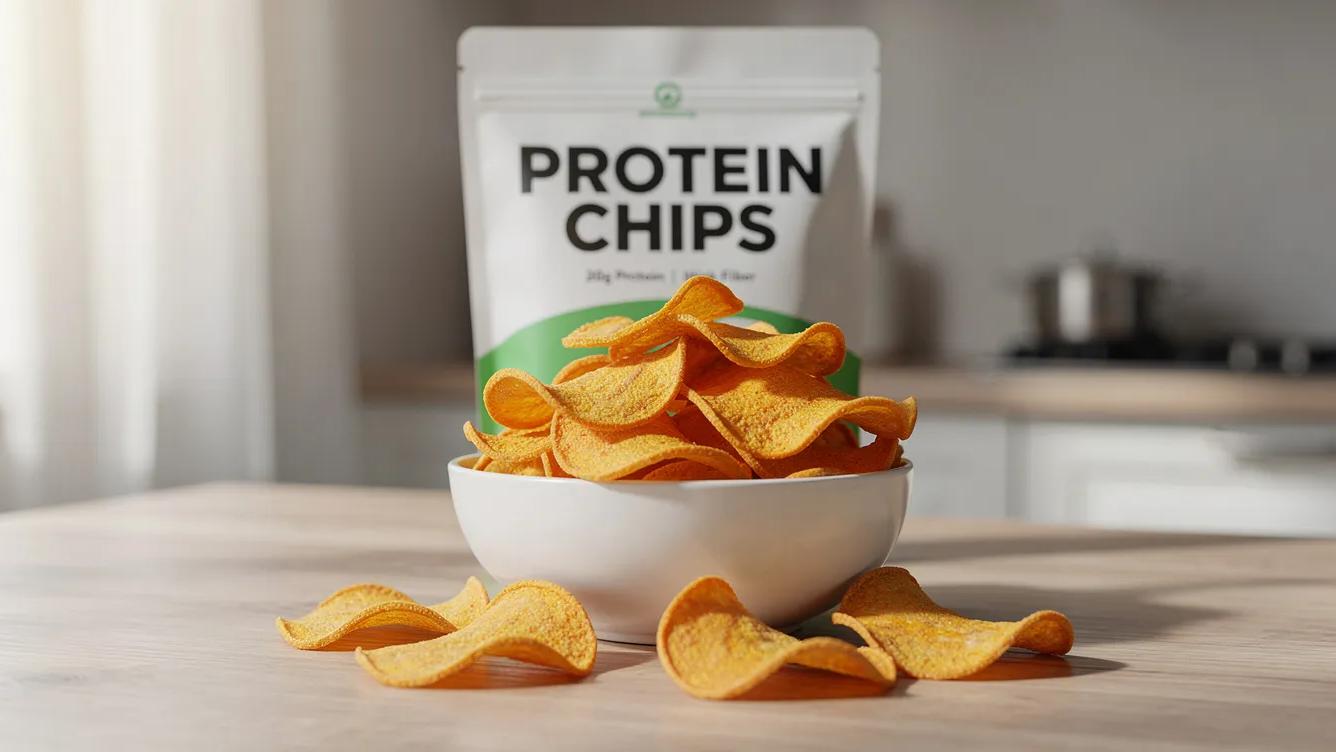
Picture this. You are standing in the snack aisle staring at a bag of chips.
Normally you would walk right past it. But your eye catches the bold, bright graphic across the front of the bag: "20 grams of protein". Suddenly it feels like a responsible choice. You put it in your cart. That right there is the effect of protein trends doing exactly what it was designed to do.
High protein consumption is no longer just for the average gym bro. It's more than just protein shakes or protein bars, it can be found in your popcorn, your water, your cereal, and even your coffee creamer.
Somewhere between the rise of wellness culture and the explosion of social media marketing, protein went from a fitness supplement to the most powerful word in food marketing.
But here's the question nobody is asking: is all of this actually about your health, or is it just really good marketing tactic?
You Need Protein To Live, So Of Course It's A Market Trend
Let’s pretend we’re back in middle school science class. Sure, it has been said everywhere, but what really is protein? Why is it necessary for the human diet?
Protein makes up the enzymes that power many chemical reactions in the human body. It's made up from amino acids which are either created from scratch or by modifying others. In order to create most of them, it must come from food.
The recommended protein intake is 0.36 grams per lb. of body weight. Essentially equaling out to the recommended average daily intake of 45 grams for healthy women. Most Americans post their high protein recipes, that contain just the average intake of protein recommended, for just one meal. When does too much protein become a concern?
Influencers Have Put The Protein Trend On The Map
The word "protein" has become the new "low fat, low carb." Slap it on a label and suddenly a processed snack transforms into a wellness product. Brands know it, influencers are paid to push it, and consumers are buying into it. High protein diet trends have completely reshaped the way we shop, eat, and define what it means to be healthy.
Take a look at your For You Page on TikTok. It wouldn’t take long scrolling through to find at least one “high protein” video. Through the thousands of wellness and fitness influencers on TikTok, they have created a huge impact in the protein epidemic having such an effect in marketing.
The U.S. protein snacks market is projected to reach $13.65 billion by 2032. It's apparent how younger consumers have integrated this need for protein through their socials.
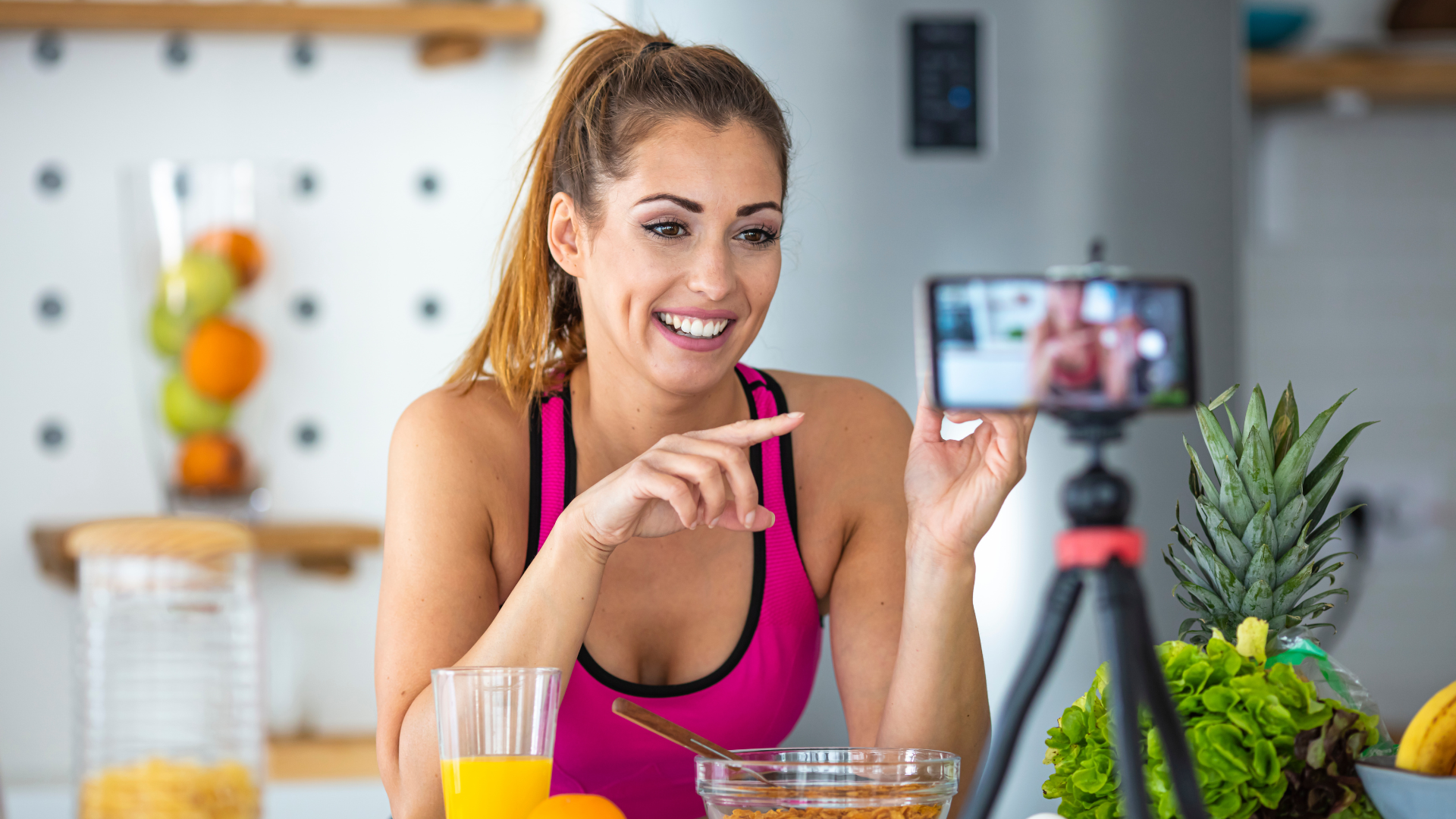
Fitness and Wellness influencers are now merging together with the same protein-promoting diet into their content. Wellness influencers are now strongly focusing on “What I Eat in a Day” and content like “Easy 10 Minute High Protein Dinner”. The hashtag #HighProtein holds over 1.1 million posts on TikTok.
With the popular demand from viewers wanting to mimic the exact diet of their favorite wellness creator, high protein snacks have quickly made its way into the market.
Brands That Have Joined The Protein Market Trend
Snacks no longer seem to have a bad connotation because the word "protein" blinds the consumer and health concerns are no longer questioned. The protein marketing ploy plays with the benefits of a single word, and the usual suspects fall for it.
Even celebrities are taking advantage of the latest protein phenomenon. More protein has become a great way for new brands to open up an entirely different market, a high protein concentrated market. No longer are protein trends focused on animal protein, red meat, and strictly dairy sources.
Khloud Protein Popcorn
Khloe Kardashian recently launched her new protein centered popcorn, Khloud. The Kardashian focuses on her mission that her flavorful snacks are just filled with the good stuff, zero fluff.
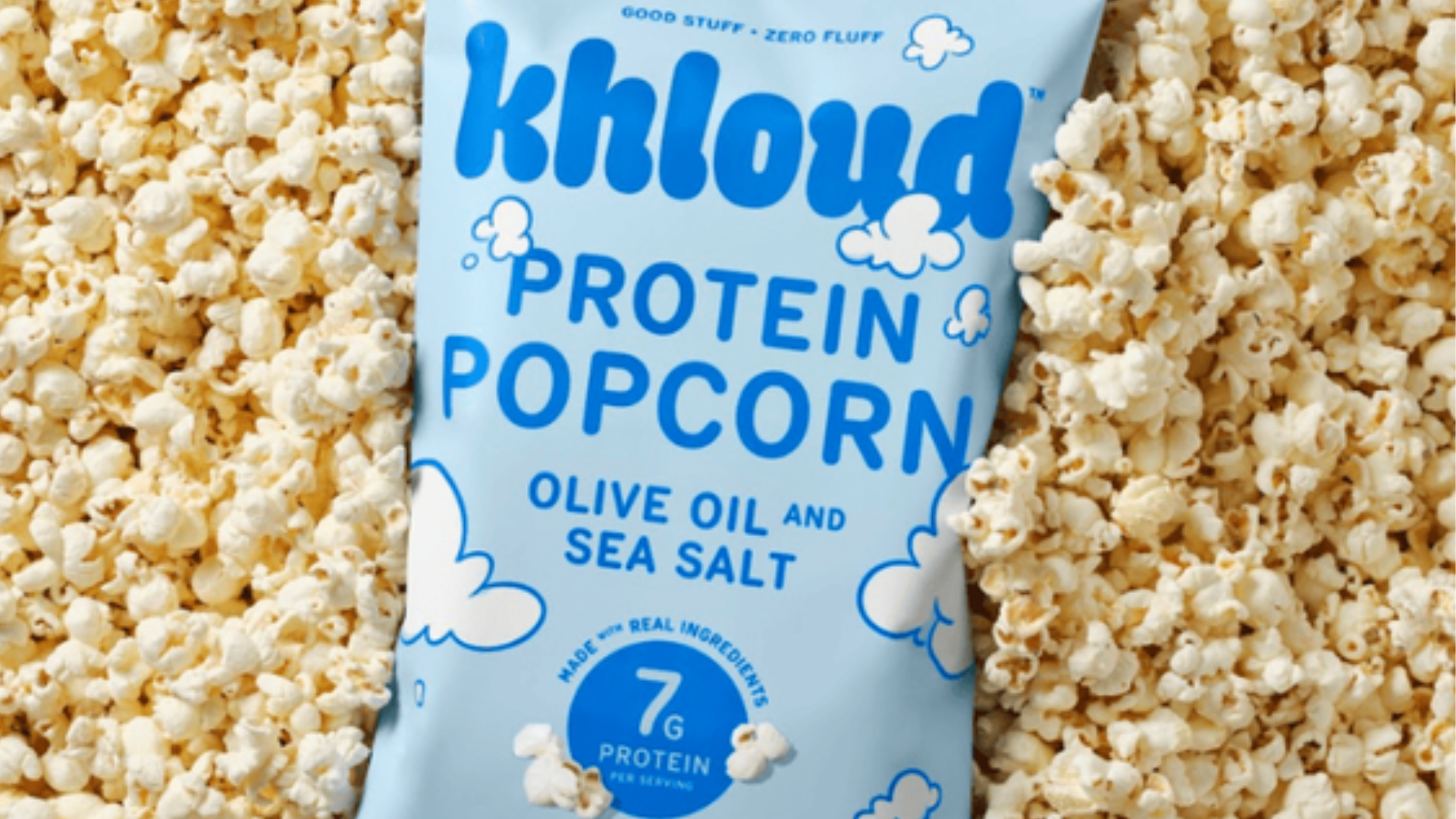
Khloud markets themselves as more of an everyday snack, for the parent who may want to sneak in more nutrition for themselves and their child. Or to the wellness-minded consumer who’d rather have a salty protein alternative rather than the traditional sweet bars. The aesthetic is clear, clean-label ingredients with 7 grams of protein screaming in your face.
Catalina Crunch, A Newer Whole Grain
Catalina Crunch is another perfect example of marketing vs. reality. Advertised as high protein and a low sugar cereal, Catalina Crunch has made its way into most wellness influencers TikTok breakfast routine. The high protein cereal leans towards a “better for you” mindset and changes the way cereal is perceived.
The cereal prides itself on no longer being seen as a sweet-sugary kid breakfast, but Catalina Crunch isn’t all it seems to be. Yes, in bold they highlight the 7-10 grams of protein content on their minimalist bag but at the end of the day it’s still processed food, not health.
Protein marketing strategically uses these numbers to grab the attention of consumers in the grocery aisle but if you look closer, the 10 grams of protein and 9 grams of fiber per serving size is only half a cup.
Isopure Protein Water
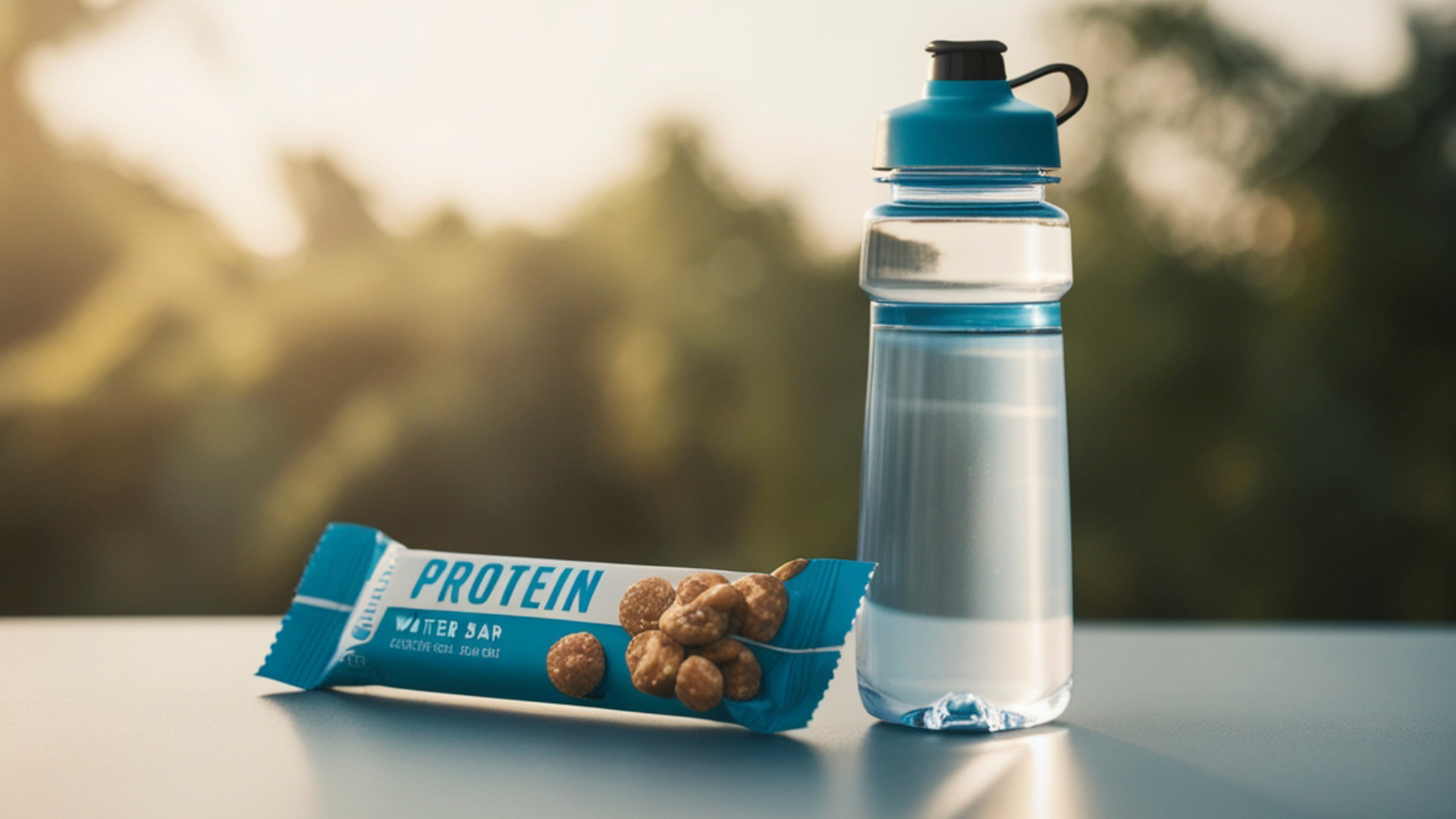
You may have thought the protein trend ends at food, but the market has managed to push it into water as well. A product already rooted in wellness, now has a new label and is selling an active lifestyle brand.
Isopure protein water revolves around the on-the-go consumer who has to hit their protein goals and stay ahead of the game. Water now has more than one ingredient and 60 calories, but no don’t worry about those numbers; it’ll help you reach your daily intake goal with 15 grams of protein!
Javvy Coffee
Caffeine and protein: the ultimate breakfast combination. The protein trend continues in drinks with the brand Javvy Coffee. Javvy Coffee advertises its protein coffee as a product that with only 10 grams of protein will help stop those mid-morning cravings and somehow leave you satisfied. The coffee brand is leans heavily on user-generated content to market their product on TikTok.
Users throw around buzzwords like “healthy girl era” and use this coffee powder to “stay healthy”. But is it really about health, or just a good marketing strategy?
How To Be a Smarter Consumer in the Protein Trend Obsession
The most important part in understanding the nutrition labels in order to not fall for the protein trends, is to focus on serving sizes and calorie content. If you want to stay in your healthy girl era, it’s important to actually get what you are paying for.
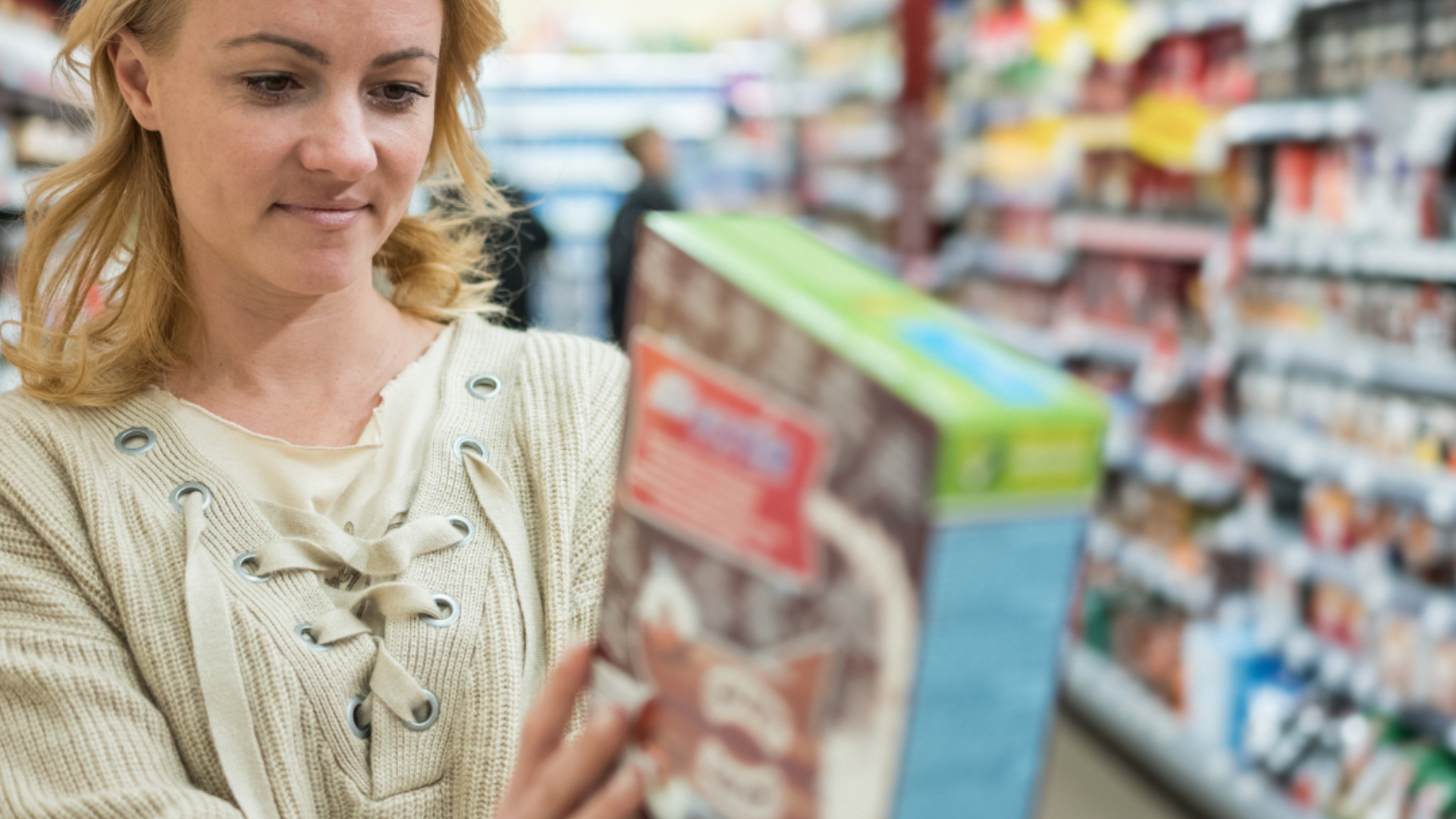
If a product is labeled as having 20 grams of protein per serving, the label informs how much protein is present by weight. What the label fails to tell the consumer is how much protein your body can actually digest, absorb or use.
Compare the serving size to how much you are actually eating. You may be consuming more of a food if you think it is healthy.
Take a closer look at the ingredients list. Ingredients are listed from the most used to the least used in making the product.
Key Takeaways
It's important to know what's just a marketing gimmick and a real good source of protein for the on-the-go busy marketing girlie.
The protein marketing industry has gained billions in revenue, due to the minimalistic aesthetic in protein snack trends. Smacking a big graphic of 20 grams of protein on a bag of chips can create the false sense of health, that so many consumers desire.
🪽 Written by Karim Villavicencio
join 50k marketing girlies
Private Marketing Girly LinkedIn Group
A private community where young women in marketing network, collaborate, and support each other.