
Personal Branding Examples for Students Who Want to Stand Out
May 29, 2026
Sometimes building a personal brand can feel a little like playing UNO during finals week.
Everyone seems confident and prepared on the outside, always one step ahead, while the rest are still trying to figure out which card they should play next. And yet, no one ever suspects the wild card.
Students are told to constantly "stand out" in a competitive job market, juggling LinkedIn profiles, networking, internships, resumes, and even social media. Wow, it can seem pretty overwhelming.
Many students deal with this pressure with constant comparison and feeling like they just have to follow the crowd, dealing with imposter syndrome behind closed doors. Wondering, "Do I deserve this? Am I missing something? Do I not belong?"
But let's be real, no one truly has everything figured out in life. Personal branding isn't about the idea of pretending to be perfect or trying to fit in.
Even the strongest personal branding examples for students and advice come from people who have been in the same spot. They are still growing, learning, and building confidence in real time.
Students are facing the most competitive job market in years. This is why they are building professional identities long before graduation. Working in business, marketing, fashion, media, tech, or entrepreneurship, a strong online presence can create so many opportunities.
By focusing on their unique value proposition, personal branding allows students to stand out and showcase their values, goals, and creativity in a way that makes them unique and authentic.
Why Personal Branding Matters

So what exactly is a personal brand besides just using all of these apps? It isn't some "copy and paste" summary of fancy corporate experience. It isn't just a list of "my greatest hits." It is a reputation.
It is what people say about a person when they aren't in the room. Essentially showing that "Wild Card" contains the unique skills and personality that make you, well, you!
Think about a personal brand as using the "Wild Card" in a match. When everyone else is following the same number or color to continue the game, the wild card is the only thing that changes the rules and makes everyone stop and pay attention.
In the real world, a student isn't just another number or a GPA like everyone else; they have more to offer than just the same classes and grades in that major.
Personal Branding Matters because it helps students take control of who they are and how they are viewed. When a student shows their Wild Card, they stop being just another face in the crowd, another number. They start being the person that everyone wants on their team. It is like having a handshake that introduces them before even walking through the door.
This allows them to define their value and make an impact in their future.
Start Your Journey With Career Mapping
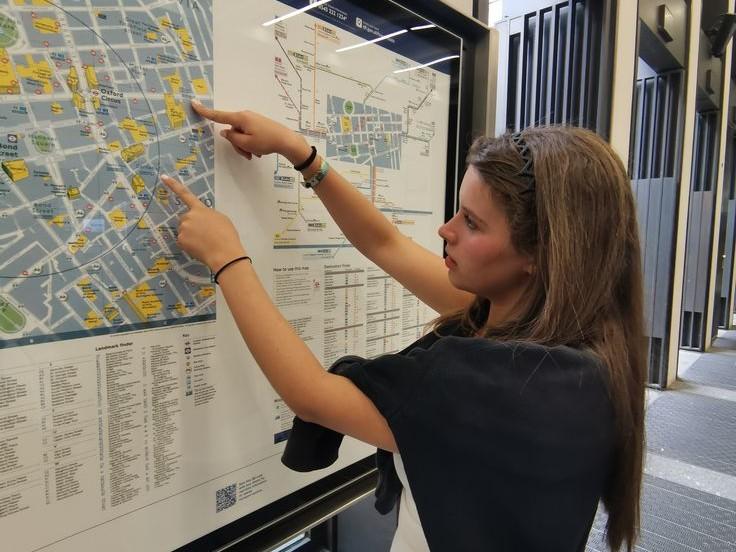
To begin one's journey in personal branding, direction matters. The best way to find that is to use career mapping. This is a strategy often used in marketing materials to help students visualize their future.
Career mapping, in a way, is like painting a roadmap for a professional life. This method helps students decide on the steps to take to achieve their goals or even discover new ones, rather than hopping from one job to another, feeling lost and not knowing where to start.
Career mapping starts by identifying where someone wants to be in the next five years. How can one improve themselves? What skills do they excel in?
What do they value most professionally? Once they start building their identity and their goals, they can branch off into building their brand that matches their path.
If a student's roadmap says that their goal is to become a top fashion marketer, then their Wild Card would be their eye for style and their business touch, looking into the bigger picture, not just a pretty image, noticing how a design tells a story.
These skills create a beginning to an origin story of a personal brand, or as Forbes explains, "It always starts with: Why should we care? Why do you care? What's the benefit? What is differentiated about what you're offering here from everything else?
And so you better know what the competitive landscape is." That is where you find the missing details in career planning to start this journey.
A Personal Branding Exercise to Start Today

Finding traits that make a student stand out can be done through some personal branding activities.
One activity that a student can do is to start creating a list of all the skills they have that are not related to school, and choose the top three in which they excel the most. It can range from creativity to strategy to even the most random skill sets that are outside the box. From storyteller to foodie to strategist.
Then, the next exercise starts by not being afraid of asking for a second opinion. They can ask colleagues, friends, or even family to describe their personality in three words.
Understanding how someone is viewed reaffirms self-awareness, creating meaningful connections with others.
If friends say that the student is creative, collaborative, and ambitious, those personality traits and personal qualities should be consistently used to build an authentic brand. It ensures that the student's online reputation matches their personal life, which not only establishes trust with future teams and clients but also showcases the values that make the student authentic and stand out.
Personal Branding Examples for Students on LinkedIn
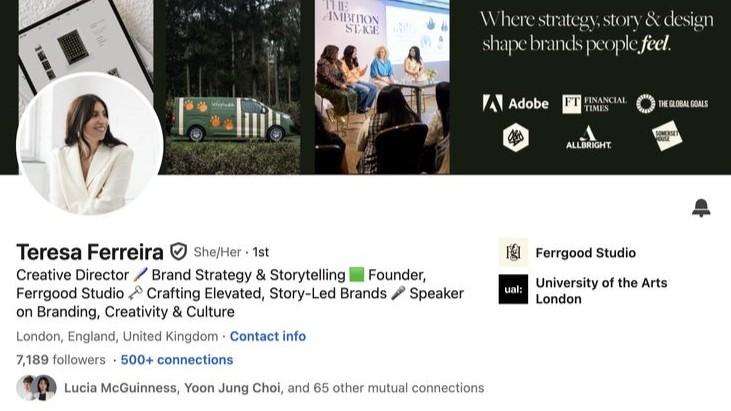
One of the best personal branding examples for students is utilizing LinkedIn as a professional networking tool. Posting class projects, insights, portfolios, and more can bring awareness to what that student can bring to the table.
Being frequently active on LinkedIn brings many opportunities to students, leveraging their skills and current activity, having brands, jobs, and connections come to them instead. This is what makes a student stand out from the crowd.
Another great example to use on LinkedIn is to create a personal branding statement to put in their headline that fits what they want to represent.
Once they recognize what their "Wild Card" is, they can throw it into play by crafting a headline uniquely catered to their values, telling people exactly what they care about and who they are.
Here is a personal brand statement example: "Aspiring CMO with a passion for building meaningful brand experiences and creative storytelling." This example shows the expertise and leadership that they have, highlighting specific problems they can solve for a company. This is what makes them stand out, making their success more likely to reach their target audience.
Personal Branding Tips for Students on Social Media
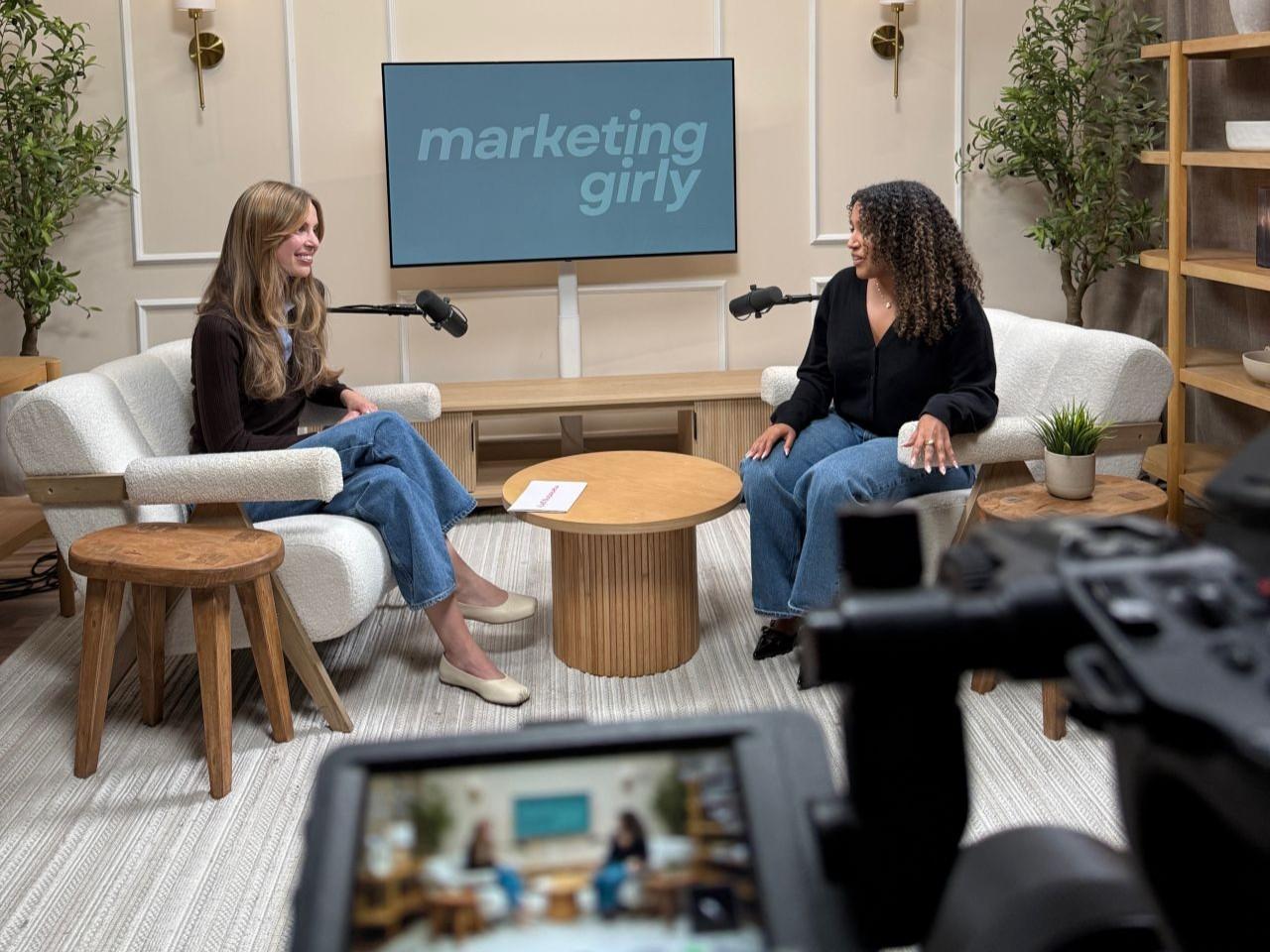
Moving on from the professional "suits" side of personal branding, social media is where creativity is brought out. For students who want to pursue content creation, media, art, graphic design, or even fashion, Instagram and TikTok are ways to build a digital portfolio.
Nowadays, people want authenticity on social media and those whom they can relate to. That is why looking at personal branding examples for students helps them understand that creating content and utilizing it as a creative digital portfolio is important.
Creating videos or blogs like a "Day in the Life of a Marketing Intern" or "Built From Scratch" shows how relatable and hardworking someone is, making them feel like a real person and not just a resume, showcasing a fun personality! This inspiration helps them network with other entrepreneurs and customers in their industry.
Social media brings in more personality to the mix, which is a huge part of modern branding nowadays. Showing both professional and creative sides of a person, reaching thousands of people.
Avoid These Common Branding Mistakes
Even with all this information, many still make common mistakes. The biggest mistake anyone could make is to copy someone else's traits.
This is not their story, and people are quick to catch onto repetition, whether it is trendy or not. In all personal branding examples for students, authenticity is always and will always be the most important part of a personal brand.
In the business world, one of the most common mistakes found is not having updated information. Whether it is on LinkedIn, resumes, or any other type of platform, if the information is not updated, there is no movement.
If LinkedIn is connected to the resume, the information has to be the same. A brand needs to grow as the student grows, focusing on goals and professional growth.
Consistency is what draws attention and helps students stay at the top and up to date.
Play Your Wild Card; Win The Game
At the end of the day, personal branding is a student's unique story that is a long process, showing others who they are. Using career mappings and modern-day platforms to identify what that Wild Card is, students can stop being just another statistic.
They can become leaders of their own identity. So start sharing that Wild Card in the deck. The game of professional life is much easier once you know which card to play.
🪽Written by Lucia Flores
join 50k marketing girlies
Private Marketing Girly LinkedIn Group
A private community where young women in marketing network, collaborate, and support each other.