
Performance or Perception? The Marketing of Energy Drinks
Jul 24, 2026
“But first, coffee.”
It’s a phrase that every Millennial knows and loves. You can find it on mugs, T-shirts, home decorations and all over Instagram. But when did caffeine become more than just a way to wake up and start becoming part of someone's identity?
Whether it is coffee, tea, or an energy drink, caffeine has become part of everyday life. Today, the marketing of energy drinks sells more than a beverage. It sells a lifestyle built around productivity, ambition, fitness, and wellness.
People are using their daily caffeine habits to signal who they are through their morning routines, gym selfies, and Instagram stories. It shouts "I'm productive and on the go!"
For consumers, especially Millennials and Generation Z, certain energy drink brands feel so tied to daily habits. Over the years, the marketing of energy drinks has shifted from adventure and athleticism to productivity and wellness.
Understanding that shift makes it easier to see why these brands are so successful. As health trends and hustle culture continue to grow, energy drinks are no longer marketed as a source of energy. They are marketed as a symbol of a certain lifestyle.
Energy Drinks Sell a Lifestyle Despite Health Risks
Caffeine has always been used to help people stay awake in the morning. Today, however, it is much more than a quick energy boost. It has become a lifestyle and part of people's routines and social media feeds.
The marketing of energy drinks is often subtle. Someone may sip an Alani Nu while answering emails, walk into the gym with a Celsius, or crack open a Red Bull during finals week. These aren't just everyday tasks. They send a message of productivity and ambition.
Consumers often feel like they are buying more than a drink. They are buying into an image of someone always working towards their goals.
Instead of focusing on the actual drink itself, brands are marketing energy drinks to be an identity. That identity could be someone who never skips a workout, a student studying late into the night, or a young professional juggling deadlines.
This strategy helps explain why Millennials are the top energy drink buyers today and why Generation Z shows a growth in demand. The drink becomes an accessory to this lifestyle instead of simply being something to consume.
The emotional connection between brands and consumers makes the marketing of energy drinks especially effective, despite the growing public concern to the health worries of high caffeine and sugar content. Achieving the lifestyle may feel more important than the potential health risks.
The Energy Drink Marketing Shift & Red Bull
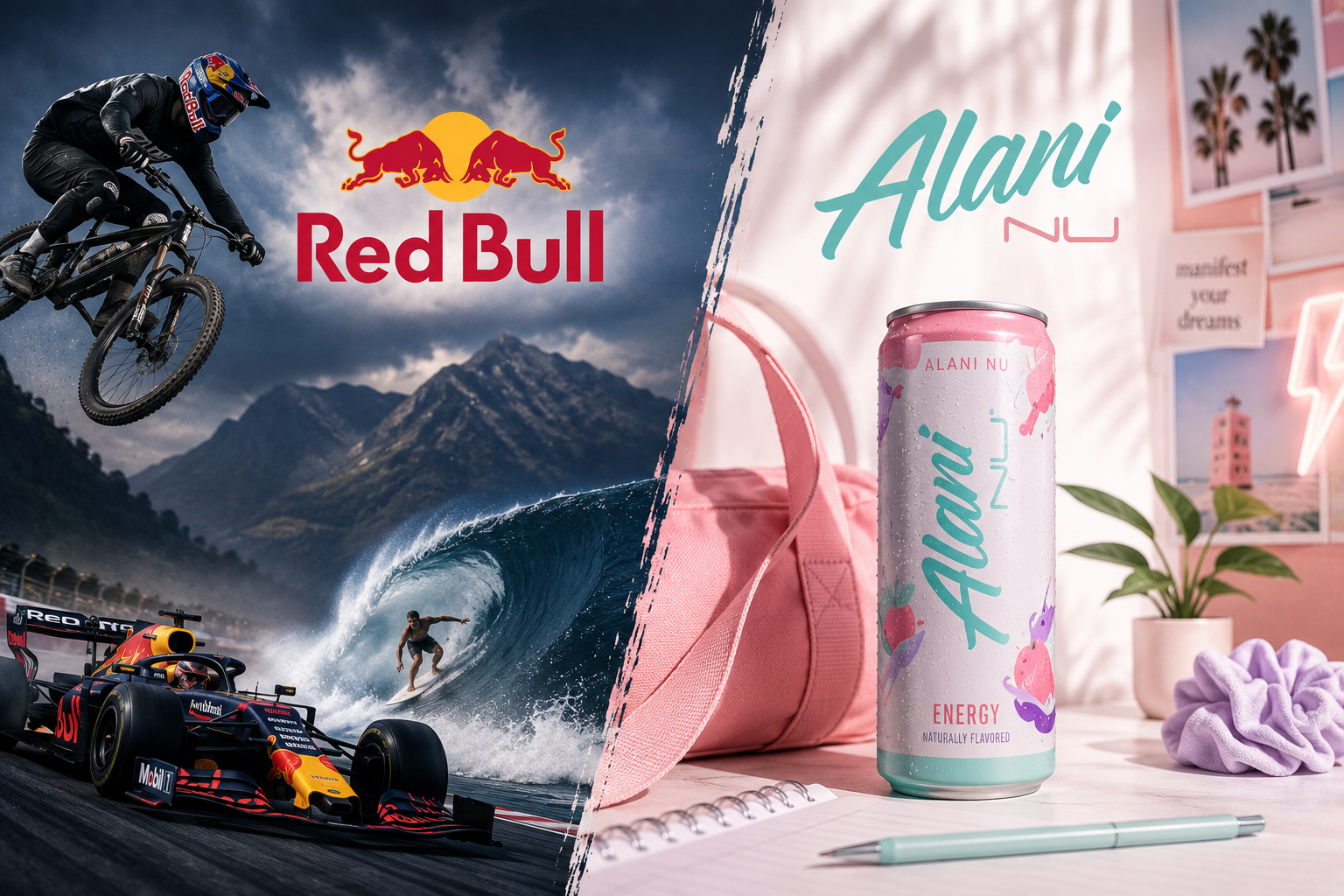
When Red Bull launched in the United States, its energy drink marketing focused on adventure, risk-taking, and high athletic performance. The slogan, "Red Bull Gives You Wiiings," sells the idea that people could push past their limits and accomplish more. Red Bull did not just focus on promoting caffeine or drink flavors.
Red Bull also built its brand by sponsoring extreme sports, Formula 1 racing, and other high-energy events. These partnerships helped connect the brand with feelings of excitement, confidence, and adventure. Red Bull helped establish a new era of energy drink marketing, selling a mindset.
Over time, consumer interests began to change. People became more interested in health, fitness, and wellness. Brands needed to innovate their marketing strategies to match these new interests.
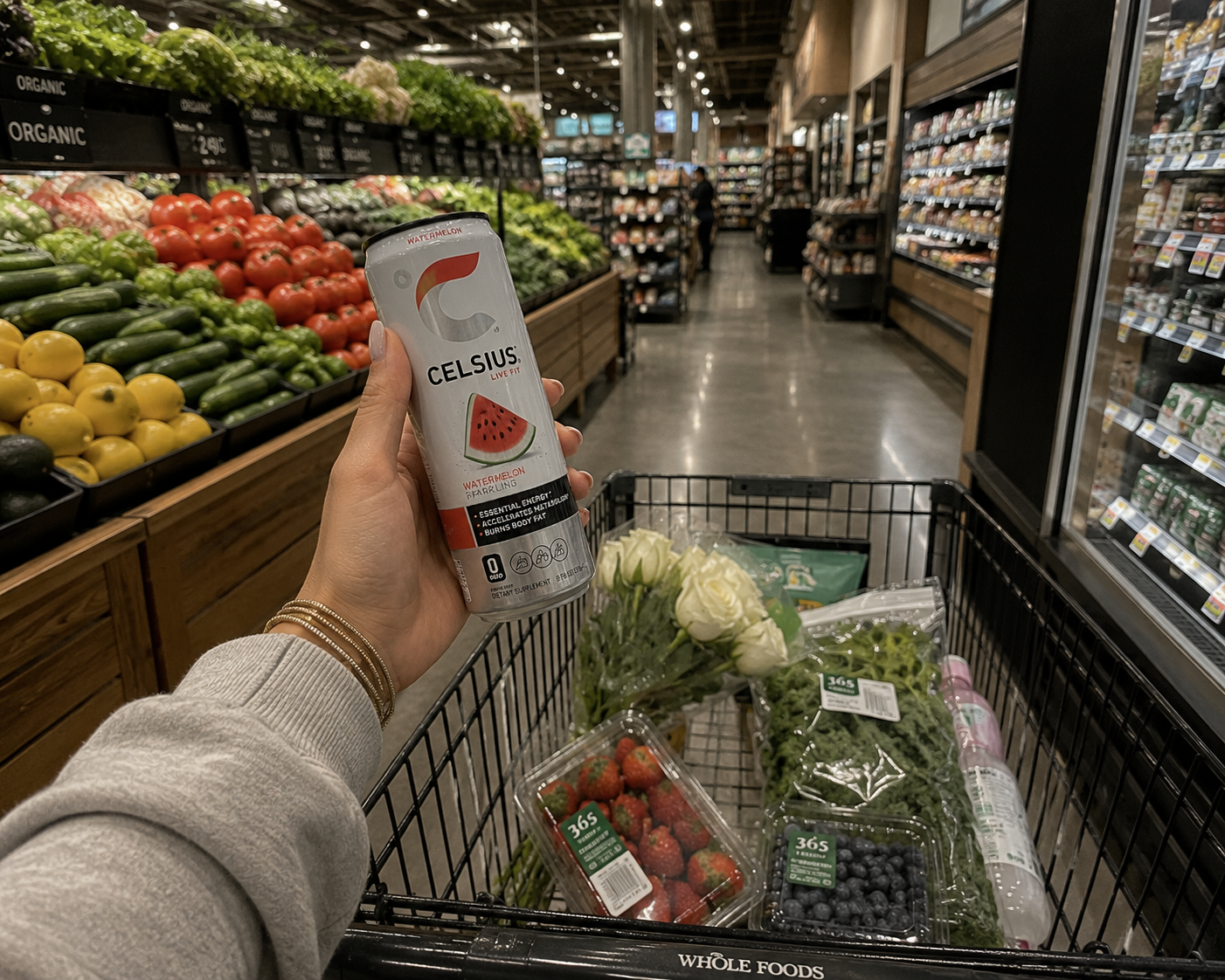
In more recent years, brands like Celsius and Alani Nu focus on fitness, wellness, productivity, and everyday routines. Their promotional strategies often show someone heading to the gym, studying for an exam, starting their work day, or running errands. Instead of adventure, they promote optimizing your everyday life.
Many of these brands are also heavily marketing towards women, a group that was not the traditional focus for energy drinks before. The colorful packaging, fruity flavors, and lifestyle content appeal to those who want a product that fits into a healthy routine.
Celsius and Alani Nu have done something different from the traditional marketing of energy drinks. They market themselves as a supplement that is part of a wellness routine. They do so by highlighting ingredients like vitamins, extracts, and metabolism-supporting blends.
Many energy drink brands also use sugar free positioning to make the product feel more like a healthier choice, especially as about 30% of consumers seek low-sugar options in beverages.
This shift in the marketing of energy drinks is caused by changes in consumer values of wanting to minimize negative health effects. Younger audiences want to consume a healthier product that helps their everyday routine. Today's energy drink marketing focuses on productivity and self-improvement.
Social Media
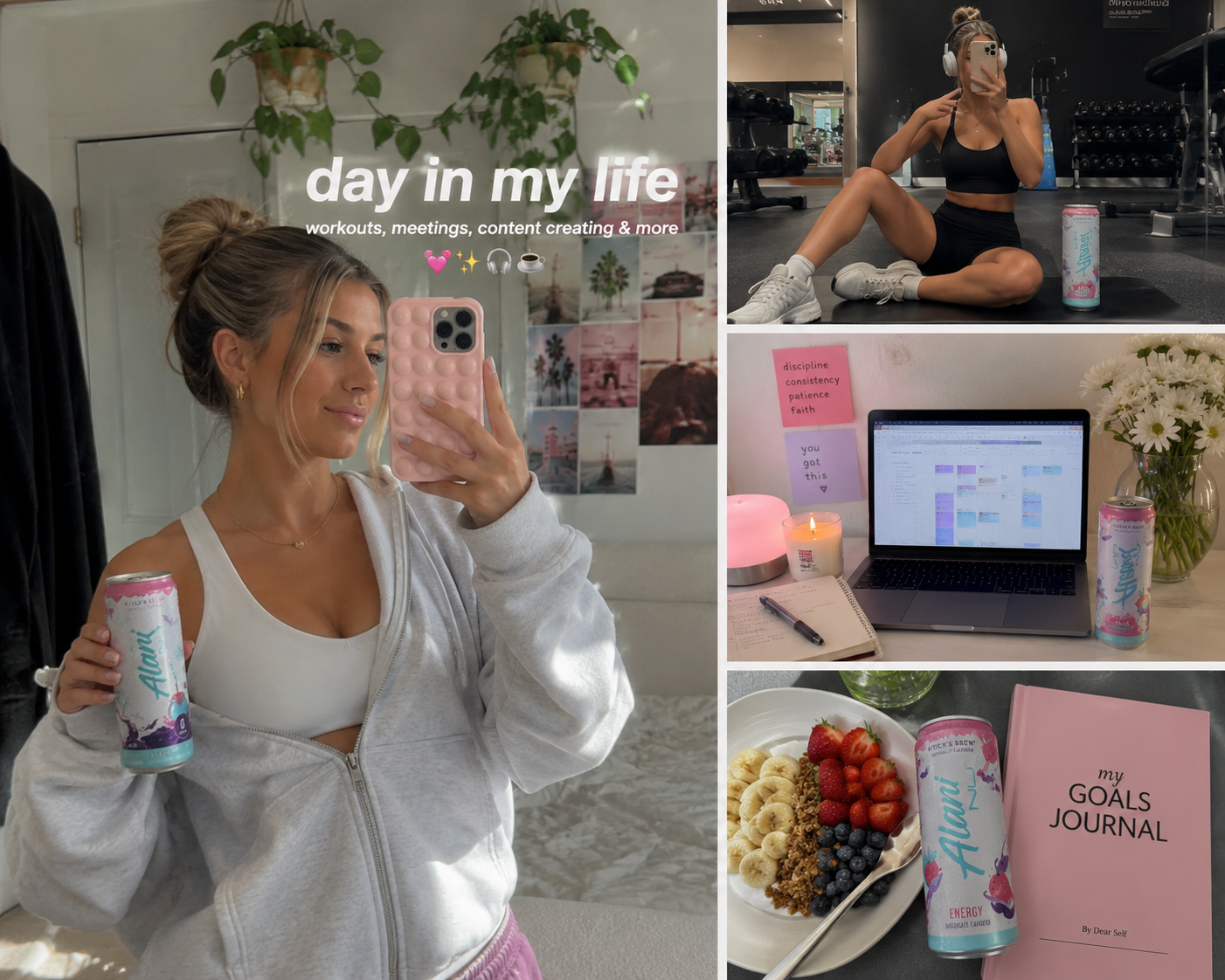
It is no secret how social media is one of the biggest tools for today's marketing. Energy drink marketing has shifted from traditional media to social media. Companies partner with creators who can naturally incorporate their products into their content. Young adults want recommendations from creators they trust instead of paid advertisements.
The marketing of energy drinks has shifted heavily toward influencer marketing, especially with brands such as Alani Nu. Instead of celebrities, energy drink brands partner with fitness influencers, lifestyle and wellness creators, and average college students.
These creators feature their drink in "day in my life" videos, workout routines, grocery hauls, and study sessions. In exchange they may receive free product, sponsorships, or personalized discount codes that may earn them commission if a follower makes a purchase.
This form of energy drink marketing is effective because it feels authentic. Consumers see influencers drink an energy drink before the gym, at work, or running errands, and they begin to associate the product with that same lifestyle. As viewers aspire to be more like the creators they follow, purchasing the same energy drink feels like a small step into achieving success.
Packaging
People judge a product before even trying it. Packaging is one of the first things a consumer notices and shapes their impression of a brand. The color, label, and design can communicate what a product represents.
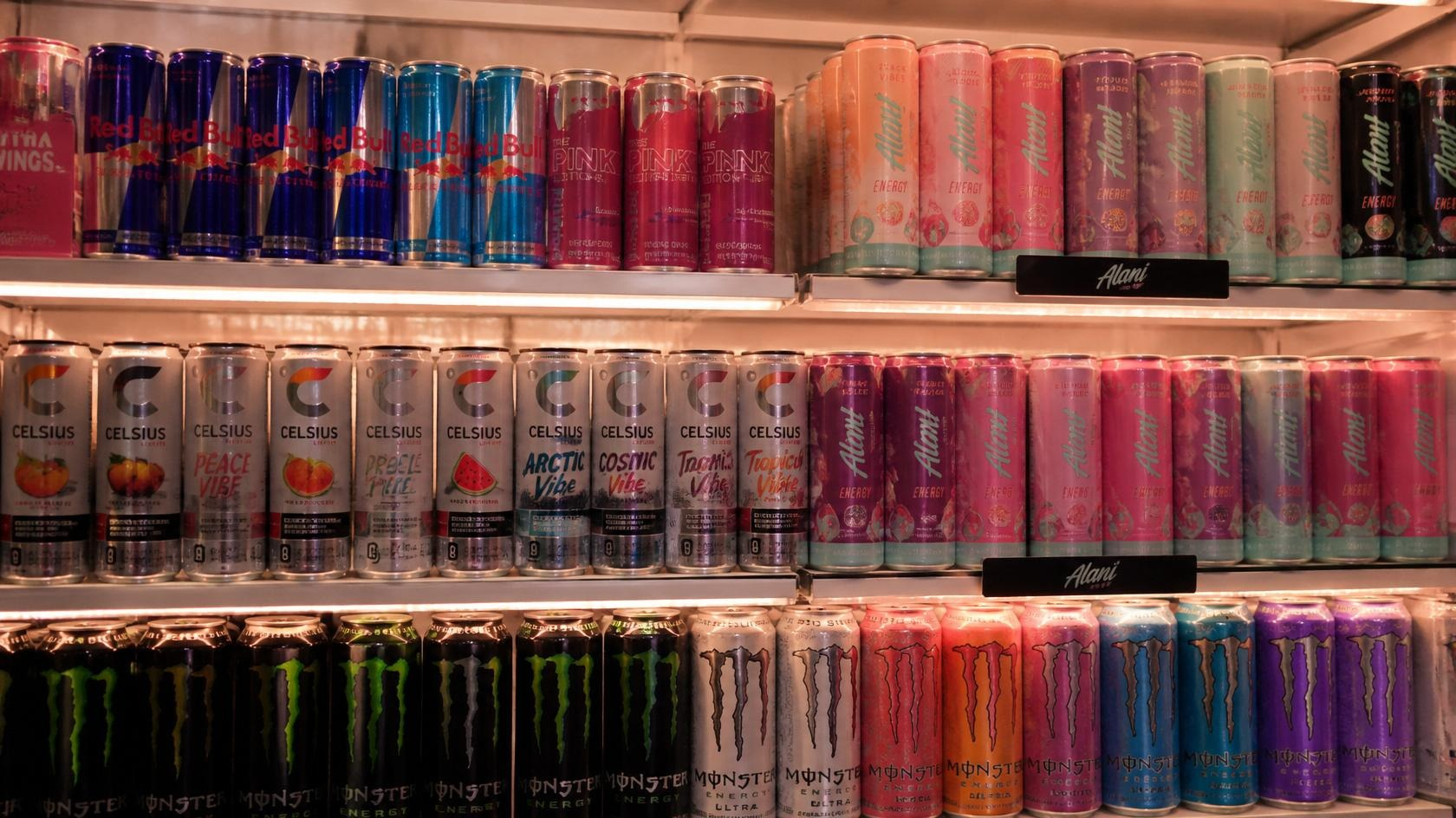
Energy drink manufacturers want their product to stand out along the shelves, in everyday spaces, and on social media. Eyes are naturally drawn to the vibrant cans especially in spaces such as an office space. The fun aesthetic packaging is used as an accessory to a lifestyle and can become part of the content.
For younger audiences such as Gen Z, aesthetics heavily influence their purchasing decision. A bright colored can adds small excitement to everyday routine or time-consuming tasks, making it more likely to be carried around, noticed, and shared online.
The marketing of energy drinks has also adapted to align with being an “it girl” or “it boy." These terms are used to describe a person who is admired for their confidence, productivity, and seemingly effortless success. They have routines that often include early morning gym sessions, grinding all hours of the day to complete tasks, and having a healthy diet.
While just drinking an energy drink may not make someone more efficient, it becomes a visual cue for ambition and discipline, in other words, having your life together.
Communities
Brands with loyal consumers do more than sell a product, they build a community. Consumers want to feel like they belong in a group with shared interests.
Energy drink brands create communities in different ways. Their strategies include sponsoring sporting events, collaborating with athletes, and partnering with influencers. These campaigns help people feel connected to the brand instead of just being a consumer.
Red Bull's sponsorship of Formula 1 racing, snowboarding, and other extreme sports caters to consumers who want to be part of a community built around adventure and vitality.
Whereas brands like Celsius and Alani Nu have grown a community centered around fitness, wellness, and self-improvement as they focus on partnering with lifestyle content creators and authentic product promotion.
The most powerful aspect of maintaining a community is the consumers themselves. They become part of the marketing of energy drinks by posting their favorite drinks, reviewing new releases, and carrying them around while they are on the go. It encourages others to join in and play into the marketing of an energy drink brand.
Key Takeaway
The marketing of energy drinks has changed dramatically over the recent years. From adventure and extreme sports to productivity, wellness, and routines. Brands like Celsius and Alani Nu positioned themselves as an essential aid to an everyday lifestyle.
Social media, influencer partnerships, aesthetic packaging, and strong brand community are all factors of energy drinks becoming a symbol of ambition and self-improvement. A consumer does not only purchase a caffeinated beverage. They also purchase the identity these brands represent.
🪽 Written by Kimberly Concepcion
join 45k marketing girlies
Private Marketing Girly LinkedIn Group
A private community where young women in marketing network, collaborate, and support each other.