
Nostalgia Marketing in Fashion: Old is New Again
Jul 23, 2026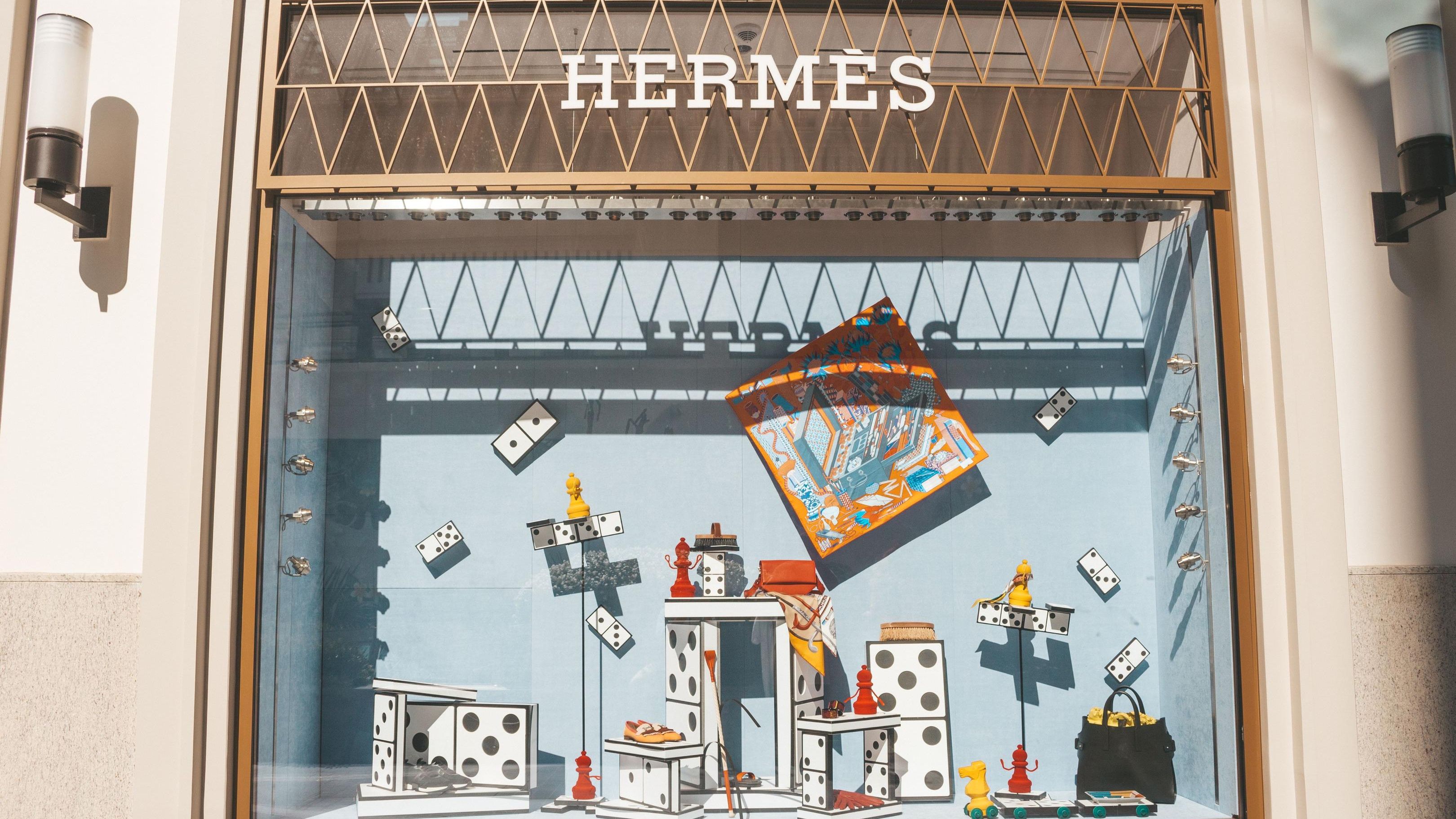
One of the biggest buzzwords in brand storytelling is "nostalgia marketing."
But what is this branch of marketing, why does it work so well, and why are fashion brands leaning into it more than ever?
Take Dior, Hermès, Saint Laurent, Burberry, Alexander McQueen, and Celine, titans of the luxury sector so iconic that fashion aficionados can identify them from their logo alone.
But these brands have something else in common: within the past 30 years, every single one has reworked their logos by pulling design elements from their original, heritage logo. This callback to a brand's roots is nostalgia marketing in action.
What is nostalgia marketing?
Amazon Ad defines nostalgia marketing as “a marketing strategy that leverages feelings of nostalgia to promote products or services. It taps into people’s fond memories and emotional connections to the past in order to create positive associations with a brand or product.”
It can be used in almost every form of marketing but is most prevalent in social media campaigns. One example of this is Gap’s recent Instagram post.
We see a baby-blue CD player open, and a tattooed hand places a CD in the machine. On the CD, the year “1996” is written in Sharpie, as well as “Hailey.” The caption read, “Press play like it’s 1996,” alluding to an upcoming collaboration with Hailey Bieber centered on the aesthetic of 1996.
The nostalgic cue of the cd player and reference to 1996 is a classic example of nostalgia marketing. We are attracted to the appeal of the "90's" aesthetic, and the nostalgic triggers encourage us to buy into their marketing.

The power of memory lane and emotional resonance
Nostalgia marketing is everywhere. It only takes a quick scroll on any social media platform to make that clear. But why is it everywhere? And why are we attracted to the aesthetics of the past?
“Anemoia” is a term coined by neologist John Koenig in 2012. It comes from his book The Dictionary of Obscure Sorrows, which aimed at creating words for feelings we can’t quite define. Anomia means nostalgia for a time or a place one has never known.
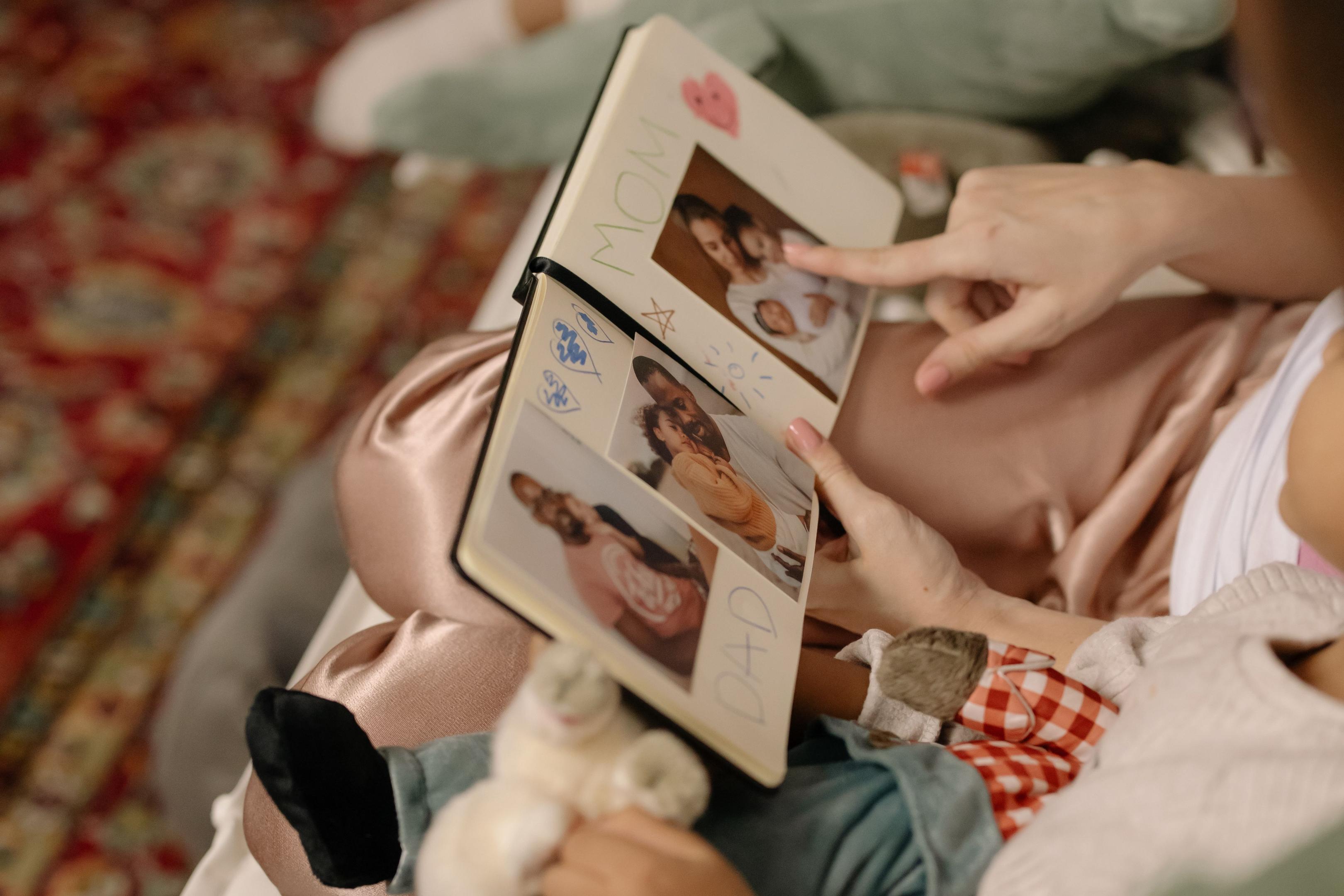
In our hectic world that we live in, constantly full of tension, strife, and discomfort, there comes comfort in the past. Revival revokes emotion from what we romanticize as "simpler times”.
The fascination with the aesthetics of the past creates a sense of community through the search for shared experiences and social bonds.
The past is real, it is factual, and it unites us. While the future feels uncertain and harder to visualize, the past can give us as humans something to root in. That confidence as customers gives us the security that brands can utilize to their advantage to create brand trust.
Is nostalgia marketing a reliable marketing strategy?
So, does evoking emotional connections through nostalgia marketing actually appeal to customers? Yes, it does!
In a study conducted by The History Factory in 2025, they found that 70% of adults aged 18-34 show an interest in heritage. This means that there is a respect for brands, products, and trends that have been around for some time. They have held strong and earned the respect of customers.
Additionally, they found that 74% of Americans would like to see more nostalgic and retro throwbacks from brands.This is a great opportunity for brands! Brands can take consumers on a trip down memory lane to enhance brand loyalty and positive associations by simply connecting the brand to memories from the past.
A study by Kantar found that nostalgic ads increased enjoyability by 15 points, which corresponded with a 14-point overall increase in ad distinctiveness. This shows how nostalgia marketing can ultimately translate into increased trust, loyalty, and purchase intent by creating positive brand associations.
With the numbers so clearly in nostalgia's favor, it's surprising how few brands are actually capitalizing on it. Kantar's Link database, which tracks over 250,000 ads, found that less than 3% of campaigns contain nostalgic elements.
That's a massive space for opportunity! For brands willing to dig into their archives and utilize consumers' collective memory, nostalgia marketing isn't just a nice creative touch; it is a genuine competitive edge in a crowded market. Nostalgia marketing works!
Nostalgia marketing strategy in fashion
Fashion is a cyclical industry at its core. Trends come and go as social media amplifies the newest fad one day, only to discard it the next. But when it comes to luxury, heritage has always been one of its most powerful assets.
It is important for brands to remember where they come from and the people that have shaped it along the way, because their customers do. When we think of luxury houses, we think of the creative directors and designers who have molded it over time.
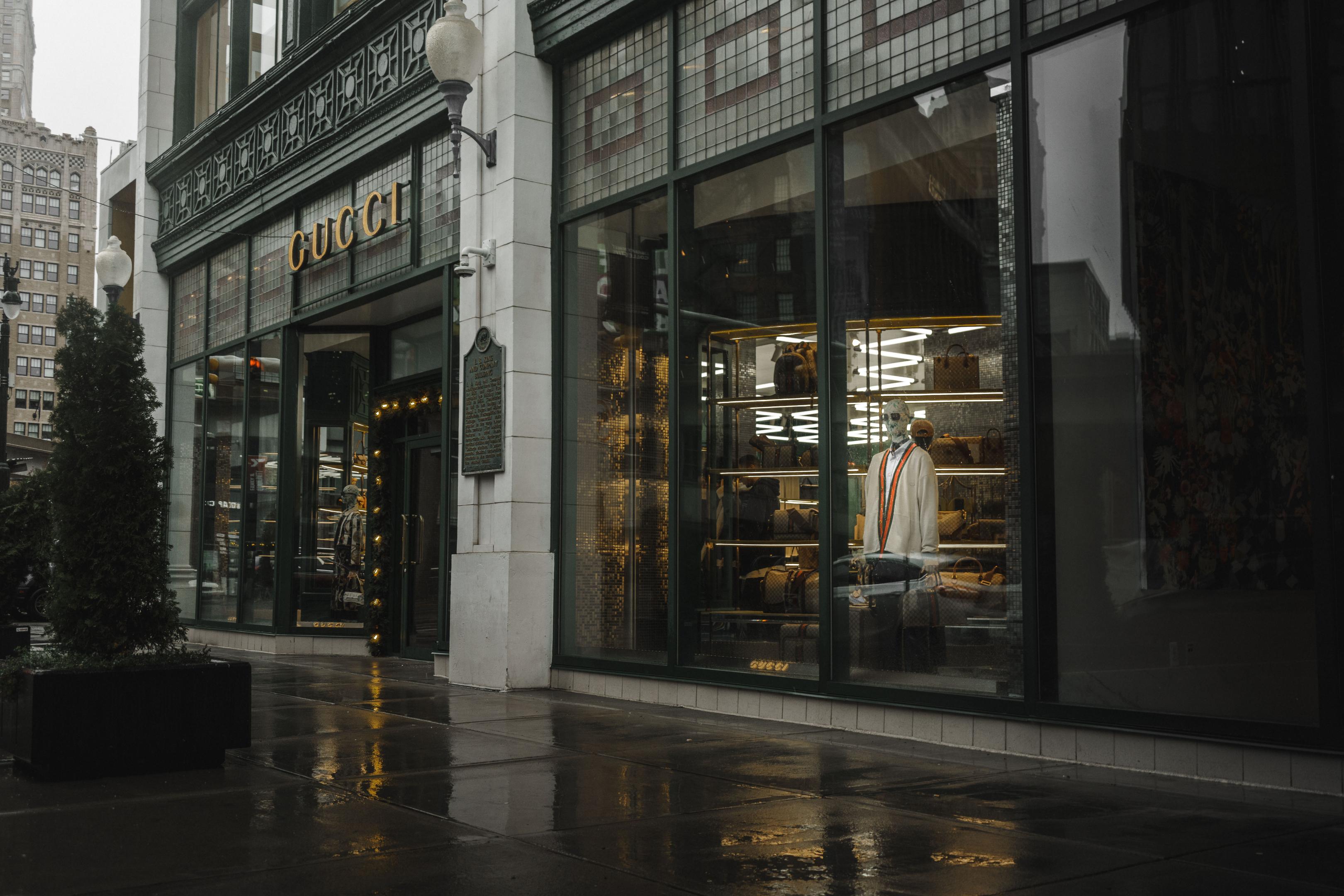
Look at Demna’s most recent collection with Gucci. While the collection had split reactions, those who know the brand’s history recognized references to Tom Ford’s era at Gucci, one of the brand’s most influential eras.
The reference itself carries power. It shifts the conversation away from Demna as creative director and toward Demna as the latest role in shaping Gucci's story. By acknowledging the brand's history while putting his own spin on it, he earns the respect of his new position.
This is why nostalgia marketing matters, whether in luxury or fast fashion: people stay loyal to brands that stay loyal to themselves. The industry is always chasing the next trend, yet it never stops referencing those references of the past.
Fashion's shared history and the shared experiences it has created are what younger generations connect with most deeply. To create is to reference. And brands that treat memory as an asset are the ones that turn nostalgia into lasting loyalty.
How to properly execute a nostalgia marketing strategy
So, what does this mean for you?
Nostalgia marketing campaigns are a great way to build positive brand associations by connecting brands with positive memories.
Nostalgic elements can help increase brand loyalty by connecting brand legacy and shared cultural memories that keep customers coming back. People are connected through shared experiences and shared memories, so why shouldn't brands be too?
One important note when executing a marketing campaign centered around nostalgic references. The connection between brand and aesthetic must feel personal to the brand.
Customers can tell when brands are not consistent. The reference or aesthetic must feel owned and natural, or otherwise customers will not believe it.
The power of nostalgia is a fantastic tool but must be executed properly and with careful consideration to create the emotional bond for old customers and new audiences.
🪽 Written by Sarah-Morgan Smith
join 45k marketing girlies
Private Marketing Girly LinkedIn Group
A private community where young women in marketing network, collaborate, and support each other.