
Mindful Fashion: Conscious Style in a Fast Fashion World
May 29, 2026
Mindful fashion is the practice of approaching clothing with intention, choosing pieces based on quality, longevity, personal values, and emotional connection rather than impulse or fast-moving trends.
It encourages consumers to slow down, buy more thoughtfully, and build wardrobes that reflect both personal style and conscious decision-making.
At its core, mindful fashion is less about restriction and more about awareness: understanding how clothing is made, why we buy it, and how fashion can become a more meaningful form of self-expression.
In an age where trends come and go in a single scroll, slowing down has become a quiet act of rebellion.
Mindful fashion isn't about having less, it's about choosing better. It's the soft sweater you've worn for years, the dress that tells a story, the feeling of confidence that comes from wearing something that aligns with your values.
As consumers shift from quantity to quality, brands are learning that the most powerful statement in fashion today isn't "new", it's "intentional."
The Rise of Mindful and Sustainable Fashion
The fashion industry is evolving, not just in what it sells, but in what it stands for. After years of fast fashion dominating closets and social feeds, people are beginning to ask harder questions about the impact of their purchases. How was this made? Who made it? What story does it tell?
Traditional fashion relies heavily on synthetic, petroleum-based fabrics, and the fast fashion industry produces about 80 billion new garments a year, creating over 92 million tonnes of textile waste, adding to landfill waste, and contributing roughly 10% of global carbon emissions.
In response, slow fashion offers a different business model centered on quality and longevity rather than rapid turnover. The slow fashion movement emerged in the 2000s as a response to rising overproduction, advocating timeless style and a lower environmental impact.
The rise of mindful fashion stems from a collective desire for authenticity. The pandemic was a major turning point, when life slowed down, so did style.
This shift also accelerated the slow fashion movement, as many consumers now prioritize sustainability over fast fashion trends. Comfort, sustainability, and emotional connection replaced excess and speed.
Instead of chasing the next trend, consumers began curating wardrobes that reflect their lifestyle and values. Brands like Everlane and Sézane have built their identities around transparency and craftsmanship.
Reformation reminds shoppers that sustainability can still be stylish, while Patagonia challenges the very notion of consumption with campaigns like "Don't Buy This Jacket." These brands have proven that integrity and profitability can coexist when authenticity drives the message, and that sustainable fashion is strongest when backed by ethical practices.
For consumers, the appeal of mindful fashion goes beyond aesthetics; it's about feeling good and doing good. Studies show that over 75% of younger generations are willing to pay more for sustainable products, reflecting a shift toward more conscious clothing choices. For brands, it's an opportunity to build deeper trust and emotional loyalty through purpose-driven storytelling.
The Emotional Side of Personal Style
Fashion has always been emotional, but mindful fashion makes that emotion intentional. What we wear affects how we feel, and through self-awareness and personal style, that feeling shapes how we show up in the world. There's a quiet confidence in wearing a piece that truly resonates with you, not because it's trending, but because it tells part of your story.
The concept of "dopamine dressing", wearing clothes that boost your mood, has merged with conscious consumption to create a powerful emotional intersection. When style choices align with personal values, satisfaction lasts longer.
There's pride in knowing a piece was ethically made through fair trade and transparent manufacturing processes, in understanding the true cost behind clothing, in knowing it fits beautifully, and in supporting something bigger than fashion itself.
In marketing terms, this is where emotional branding meets self-expression. Brands that tap into identity, confidence, and belonging through authentic narratives cultivate far stronger relationships than those chasing fleeting trends.
Mindful fashion reminds us that true style is not just about how we look; it's about how we use it to express creativity through our outfits, support self-esteem, and feel confident wearing it.

Marketing Mindful Fashion in the Fashion Industry
For fashion marketers, this movement presents both a challenge and an opportunity. Consumers are more informed and skeptical than ever. A single "sustainable" tagline isn't enough; audiences want proof, transparency, and purpose, including ethical commitments, transparent supply chains, and the ability to support brands that show sourcing and production details consumers can verify.
Authenticity is the new currency. To market mindfulness, brands must first live it, from fair trade, safe and humane working conditions, and living wages to visual identity.
This means consistent storytelling across all touchpoints: organic imagery, softer color palettes, and copy that feels human rather than performative.
Consider the tone of Everlane's product pages; they don't just describe a shirt, they explain how and why it was made, with transparency around sourcing and production standards. Or the Reformation's sustainability page, which highlights the whole company's environmental footprint. These choices reinforce credibility and strengthen emotional connection.
From a strategy standpoint, mindfulness marketing isn't about shouting louder; it's about creating space for conversation. It shows behind-the-scenes processes, highlights local manufacturing, celebrates artisans, and gives customers a sense of participation in a brand's values.
The best mindful marketing campaigns make consumers feel seen, not sold to, so they shop with mindful consumption in mind.
Building a Capsule Wardrobe with Intention
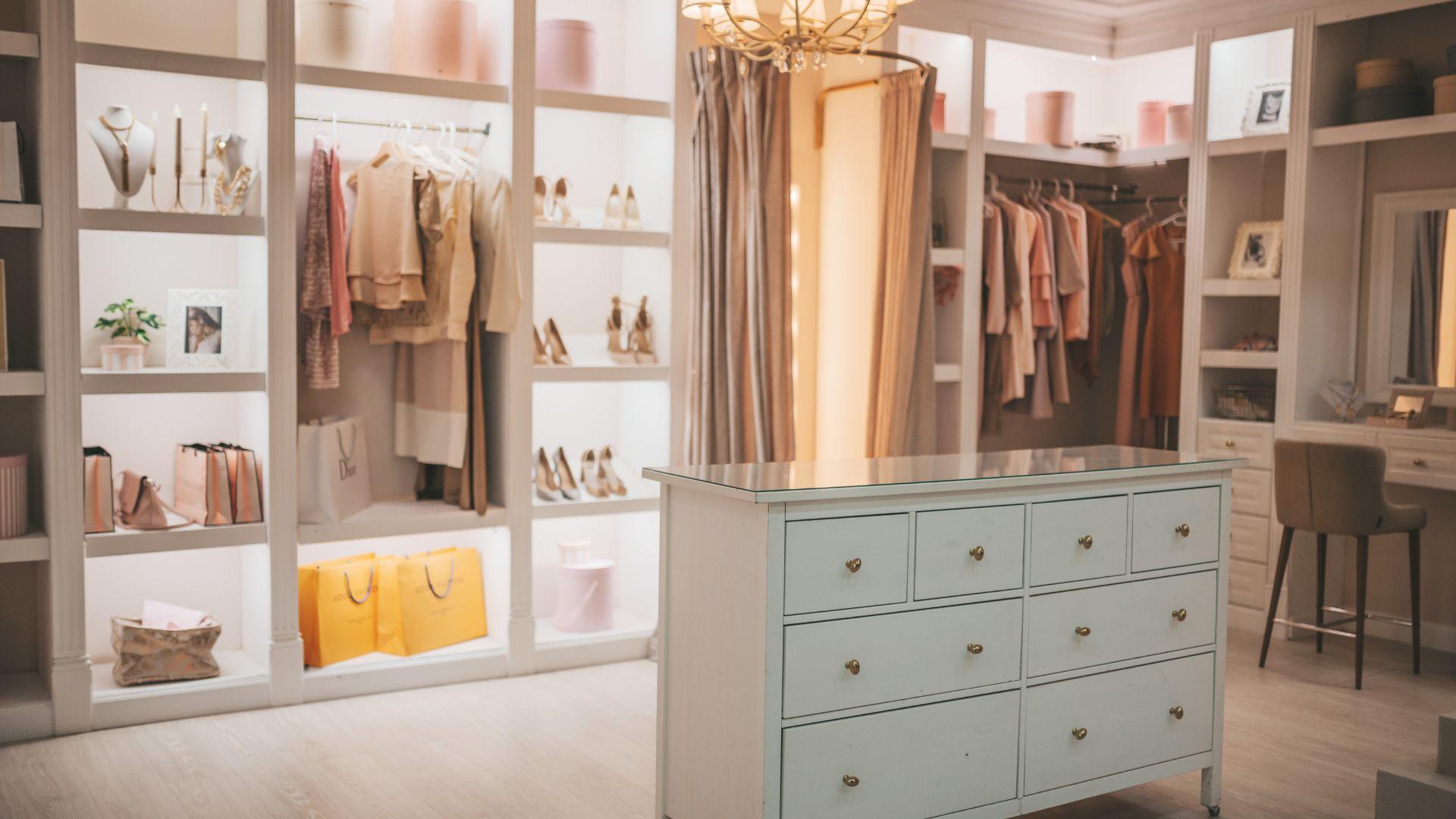
At its core, mindful fashion starts in our closets. The goal isn't perfection, it's awareness. Creating a more intentional wardrobe means building a mindful, sustainable wardrobe through mindful shopping, so your clothing choices reflect who you are and what matters to you.
Here are a few simple steps to get started:
-
Define your aesthetic: Identify a color palette that resonates with your personality and lifestyle. (Think of it as curating your personal brand.)
-
Invest in quality staples: Choose versatile, timeless, high-quality pieces over one-season items, and focus on quality over quantity so your clothes last longer and create less waste.
-
Support sustainable brands: Whether it's a local artisan or a transparent label, support brands that use organic cotton and other lower-impact materials and follow ethical, fair trade standards.
-
Buy less, style more: Try a capsule wardrobe: a capsule wardrobe consists of a small selection of timeless pieces that can be mixed and matched, making everyday dressing simpler.
-
Tell your story: Each piece you wear should say something about you, comfort, confidence, creativity, or care.
Mindful shopping also means assessing what you own, decluttering items that no longer serve you, and making sustainable fashion choices based on your needs, values, and how often you'll actually wear something.
Mindful fashion is about building confidence through clarity. It's choosing garments that make you feel at ease, connected, and confident through more conscious clothing choices and creative ways to style what you already own, not because they're trendy, but because they're yours.
The Beauty of Enough
There's a quiet power in realizing you already have what you need, especially in today's fast-paced world. In fashion, that mindset can transform how we see ourselves and the world around us. The shift toward mindful fashion isn't about sacrifice; it's a journey of rediscovery that can lead to positive change.
When we buy less but choose better, our wardrobes become more meaningful while supporting a circular economy that reduces textile waste. When brands slow down and prioritize transparency, the industry becomes more human.
Unlike chasing the latest trends, traditional fashion encourages impulsive buying driven by fleeting trends and treats clothing as cheap, disposable items.
Mindful fashion invites us to pause, reflect, and reconnect with our clothes, our choices, and our identity. Because the most stylish people aren't chasing trends. They're defining their own rhythm through sustainable fashion choices.
And in that stillness, fashion finally becomes what it was always meant to be: a story worth telling, shaped by self-expression, intention, and a deeper commitment to change.
🪽 Written by Staci Conger
join 50k marketing girlies
Private Marketing Girly LinkedIn Group
A private community where young women in marketing network, collaborate, and support each other.