
Marketing Representation is the New Standard
Jul 24, 2026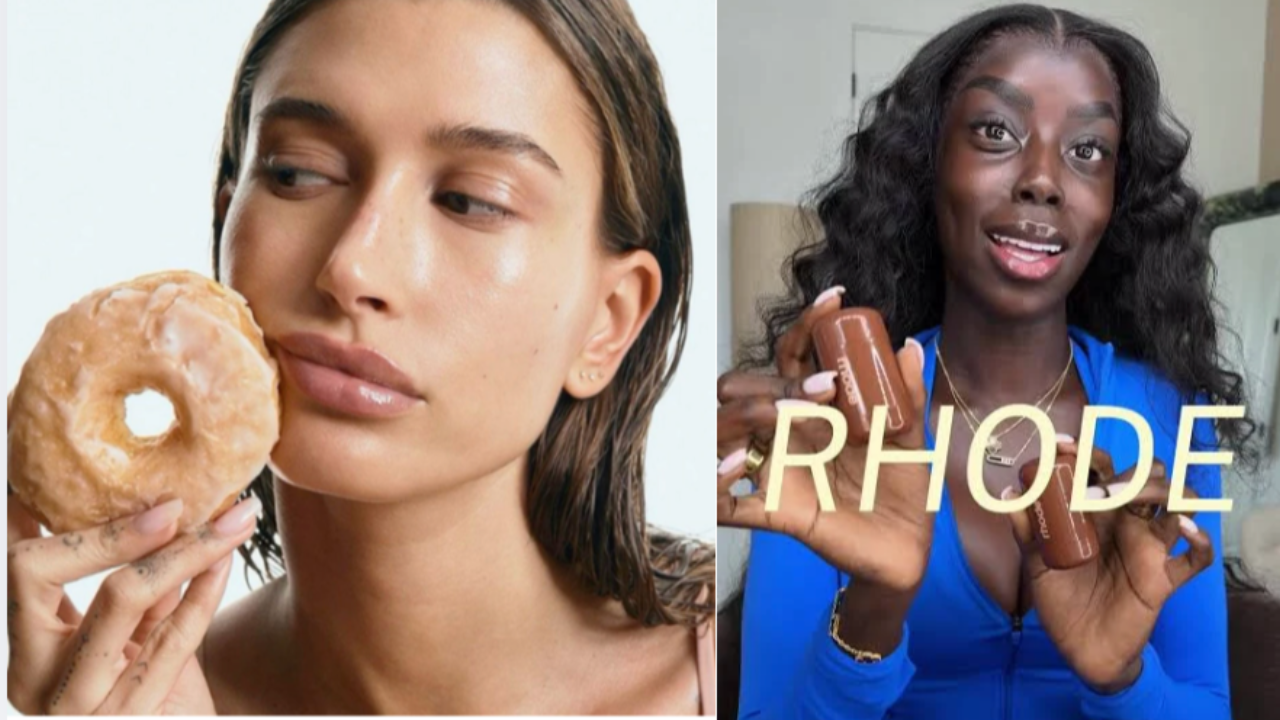
“Aside from the products, inclusion goes far beyond that,” notable influencer Golloria George states in her 2025 interview with The Squeeze as she praises Hailey Bieber for rhode’s integrity and willingness to grow her brand with diversity at the forefront.
The beauty industry has changed dramatically over the past decade, where consumers’ voices are more amplified than ever. Polished advertisements, with a similar influencer demographic, are not sufficient in this industry anymore as they were in the past. Instead, they want authenticity, inclusivity, and brands that genuinely understand the communities they serve.
This shift has made marketing representation one of the most essential conversations in modern marketing. Consumers are actively paying attention to the “who” elements that appear in campaigns, initial product development, and whose voices are included behind the scenes.
Beauty brands now have the social responsibility of including marketing representation; it is a tool that gives a brand a competitive advantage. Brands that embrace diverse perspectives empower their audiences by creating stronger product launches, building deeper customer relationships, and earning long-term trust.
Why Marketing Representation Matters More Than Ever
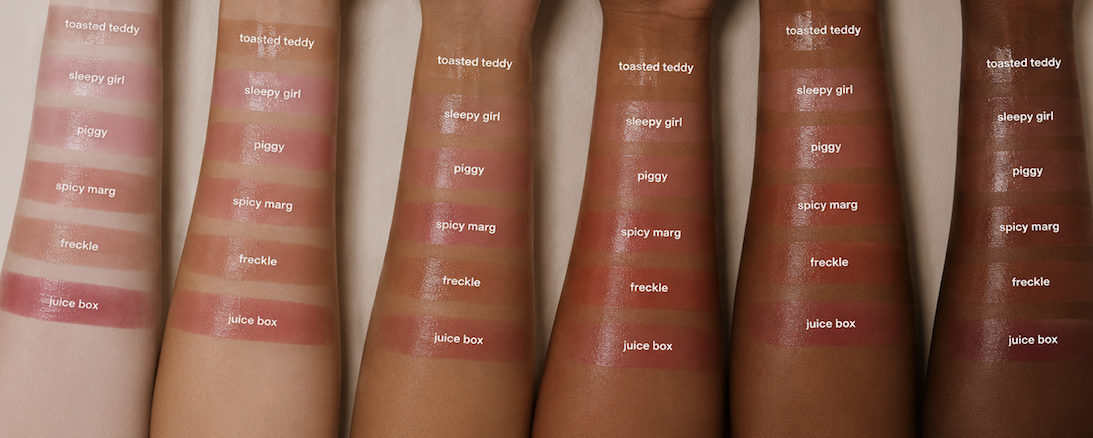
Marketing representation means ensuring that different identities, cultures, backgrounds, and experiences are reflected throughout a brand's marketing efforts. This includes advertising, influencer partnerships, social media campaigns, and even product development.
Looking through the lens of today’s consumers, they need to see themselves represented by the brands that they support. When customers recognize people who share their experiences, they are more likely to feel understood and valued.
Beauty campaigns have lacked representation for people with deeper skin tones for years, along with those who derive from different ethnic backgrounds, disabilities, and body types. Although progress has been made, audiences continue to expect brands to move beyond performative diversity and demonstrate authentic inclusion.
HubSpot Marketing Blog – Inclusive marketing best practices: https://blog.hubspot.com/marketing
Consumers today are asking questions like:
-
Does this brand understand my needs?
-
Were products created with people like me in mind?
-
Are diverse creators involved throughout the process?
When brands answer "yes" to those questions, they strengthen both customer trust and brand loyalty.
Marketing representation isn't simply about visibility. It's about the initial inclusion of consumers.
How Diverse Creators Build Consumer Trust
Influencer marketing has become one of the most powerful forms of digital marketing because audiences trust creators more than traditional advertisements.
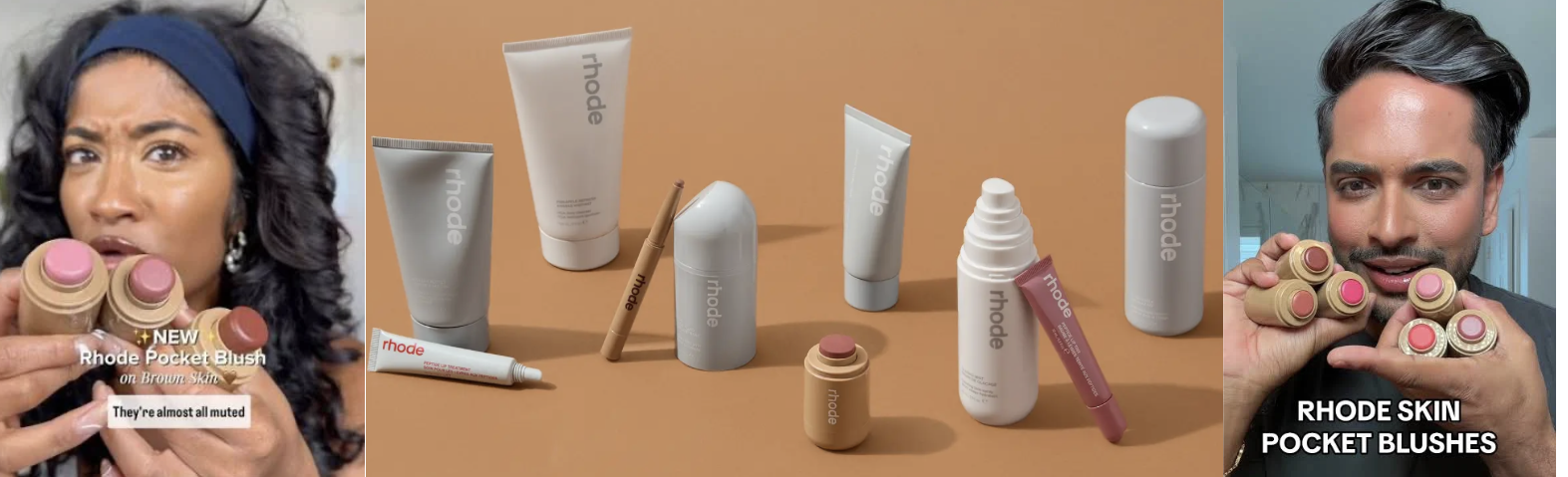
Unlike celebrities, creators often build more authentic communities through honest conversations and shared experiences. Their followers value transparency and recommendations that feel genuine rather than scripted.
When brands partner with diverse creators, they gain access to communities that have often been overlooked by traditional advertising.
Creators from different backgrounds understand the unique needs of their audiences. They recognize product gaps, cultural nuances, and purchasing behaviors that marketers may otherwise miss.
As a result, marketing representation becomes more than checking a diversity box. It becomes an opportunity to improve communication with consumers to resonate with broader audiences. Think with Google – Consumer insights and inclusive marketing: https://www.thinkwithgoogle.com/
Rhode Beauty Is Setting a New Standard for Inclusive Marketing
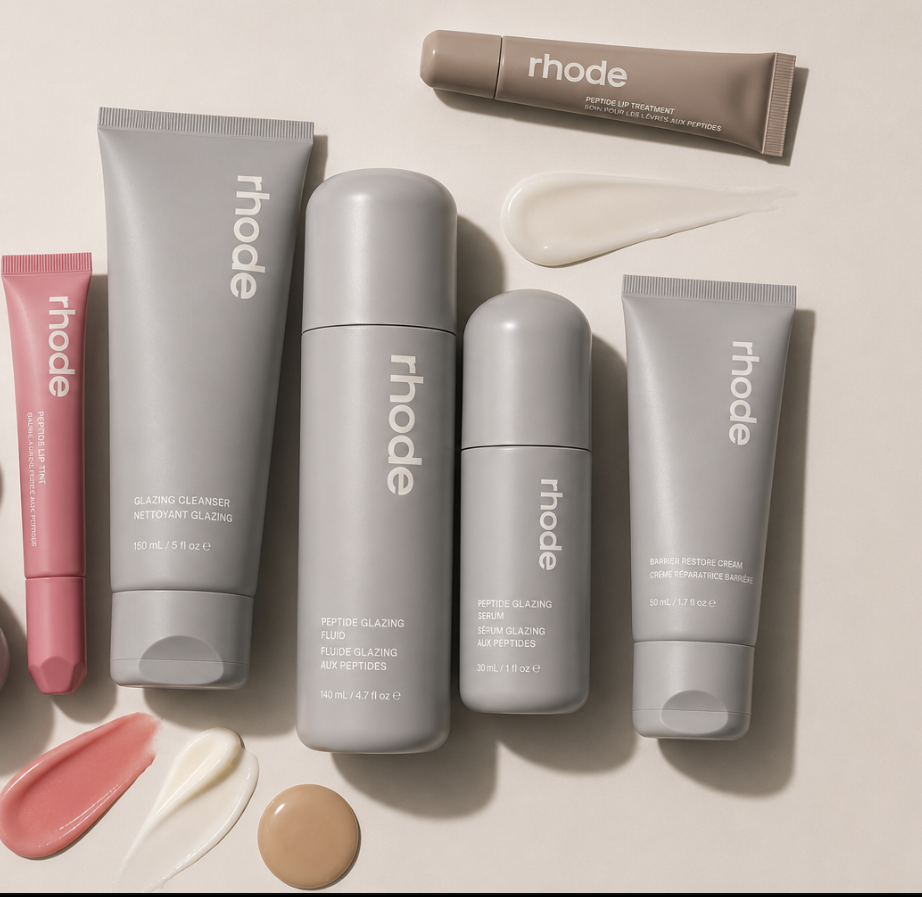
One of the strongest recent examples of authentic marketing representation comes from Rhode Beauty.
Rather than simply partnering with diverse creators for sponsored posts, Rhode invited creators into meaningful conversations about product development.
Beauty creator Golloria George became widely known for reviewing complexion products on deeper skin tones and openly discussing shade inclusivity within the beauty industry. After sharing constructive feedback about Rhode's Pocket Blushes, founder Hailey Bieber listened.
Instead of ignoring the criticism, Rhode worked directly with Golloria during the formulation of Rhode’s newest product launch: the pocket bronzers, to improve the product for consumers with deeper complexions.
This decision demonstrated something important:
Marketing representation works best when diverse voices influence decisions before products reach consumers instead of being an after thought.
Rhode also collaborated with beauty creator Toni Bravo, another respected influencer known for advocating for Black women within the beauty space.
Both creators have built loyal communities by helping women with deeper skin tones feel seen and represented. Rather than treating these creators as promotional tools, Rhode recognized them as experts whose lived experiences strengthened the brand.
That decision created positive conversations across social media while reinforcing Rhode's commitment to inclusivity. Rhode Skin (About the brand and product philosophy): https://www.rhodeskin.com/ 
Better Representation Creates Better Products
One of the biggest misconceptions about diversity in marketing is that it only impacts advertising. In reality, marketing representation begins long before a campaign launches as Golloria continues to emphasize.
McKinsey & Company – Diversity research and business performance: https://www.mckinsey.com/
When brands include diverse perspectives during product development, they gain valuable feedback that improves the final product. One influencer may recognize that foundation shades exclude deeper skin tones whereas another may identify accessibility concerns with packaging.
Others may point out cultural trends or language that feels disconnected from certain communities.
These insights avoid brands to make costly mistakes during the product development phase which ultimately creates products that serve a larger audience.
Rather than there being uncertainty with what customers want, beauty brands can utilize feedback directly from the people they anticipate to reach. This well thought out approach leads to more successful launches, satisfied customers, and authentic storytelling.
The Business Benefits of Marketing Representation
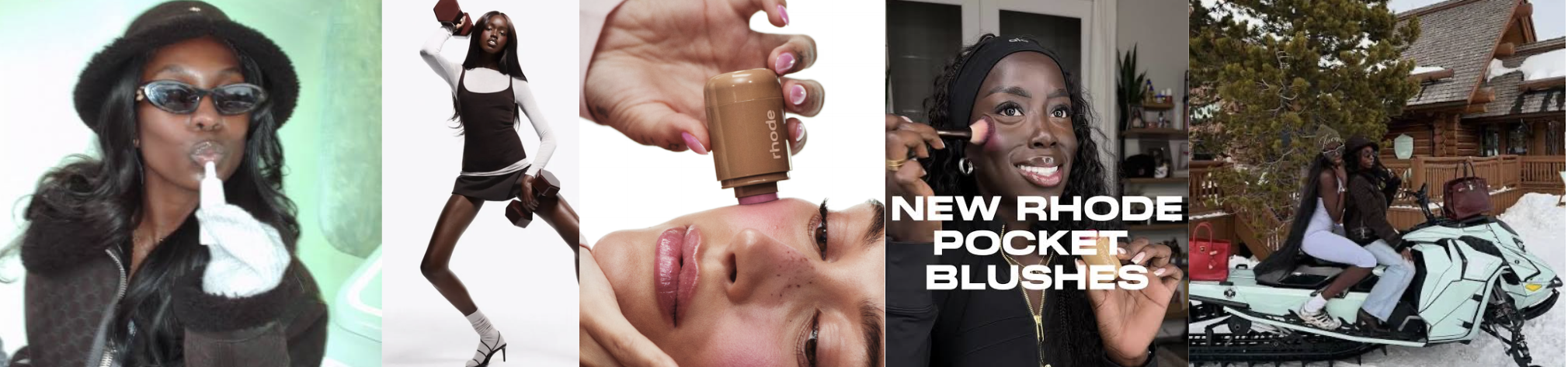
Marketing representation is not just the right thing to do—it's also smart business.
Today's consumers are more intentional about where they spend their money. With this in mind, their focus is supporting brands whose values closely align with their own. When companies demonstrate inclusivity and authentic representation, they create stronger emotional connections with their audiences. The power behind these connections is that there will be increased engagement, customer loyalty, and overall long-term brand advocacy.
Brands that use marketing representation benefit from more organic conversations online. Consumers are more likely to share campaigns that feel authentic and uplift companies that genuinely listen to their communities.
For marketers, this means representation should focus on improving brand image, but also using it as a strategy that strengthens the customer journey from awareness to loyalty.
Diverse Perspectives Drive Creativity and Innovation
Marketing teams are strongest when different perspectives come together.
Every marketer brings unique experiences that influence how they solve problems, tell stories, and connect with audiences. The same principle applies to influencer marketing.
Creators from different cultural backgrounds often recognize trends, conversations, and consumer needs that others may overlook.
When brands include these voices during brainstorming sessions, campaign planning, and product development, they create more thoughtful and innovative marketing strategies.
This leads to stronger campaigns that feel more authentic because they are informed by real experiences. Marketing representation encourages creativity by expanding the range of ideas brought to the table.
Instead of asking, "How can we reach more people?" brands begin asking, "How can we better serve the people we're trying to reach?"
That mindset creates meaningful marketing instead of marketing that simply follows trends. American Marketing Association – Diversity and Inclusive Marketing: https://www.ama.org/
Authenticity Builds Long-Term Relationships
One successful campaign is valuable, but long-term trust is even more valuable.
Consumers can often recognize when diversity is treated as a temporary marketing tactic instead of a long-term commitment. Featuring a diverse group of creators in one campaign means little if those same voices disappear the next month. Authenticity requires consistency.
Brands that consistently invest in marketing representation demonstrate that inclusion is part of their identity rather than something performative.
This consistency strengthens relationships with both creators and consumers. Influencers also appreciate partnerships that go beyond sponsored content.
When creators feel heard, respected, and included throughout the creative process, they become genuine advocates for the brand.
Those authentic relationships are difficult to manufacture, and consumers notice the difference.
What Future Marketers Can Learn from Inclusive Marketing
For aspiring marketers, marketing representation should be viewed as a business strategy rather than a trend.
Future marketing leaders have an opportunity to create campaigns that genuinely reflect the communities they hope to serve.
That begins with asking thoughtful questions throughout every project:
-
Whose voices are included in this campaign?
-
Does this campaign reflect diverse experiences?
-
Have creators been invited to contribute beyond promotional content?
-
Are different perspectives represented throughout the creative process?
The most successful marketers understand that representation isn't achieved by simply hiring a diverse group of influencers.
It happens when brands actively listen, collaborate, and create alongside those communities.
Rhode Beauty's collaboration with Golloria George and Toni Bravo demonstrates exactly what this looks like in practice.
Instead of viewing these creators solely as influencers, the brand recognized them as valuable partners whose perspectives improved both the product and the customer experience.
That approach transformed marketing representation into meaningful collaboration.
Final Thoughts: Representation Creates Better Marketing
Marketing representation has become one of the most important factors shaping the future of influencer marketing. Consumers expect authenticity, and they expect brands to listen. Most importantly, they expect companies to prioritize diverse voices through every phase of the marketing process.
Brands that embrace representation aren't simply creating more inclusive campaigns—they're creating stronger products, deeper customer relationships, and more innovative marketing strategies.
The beauty industry has shown that authentic collaboration leads to better outcomes for everyone involved.
When brands invite creators like Golloria George and Toni Bravo into conversations that shape products and campaigns, they send a powerful message: every perspective has value.
For marketers, that's perhaps the biggest lesson of all.
The future of marketing should be framed to not only speak to communities, but to build with them. Representation is not changing marketing because it's trending, but rather it’s changing marketing because consumers are finally seeing the value of being seen.
Key Takeaways
-
Marketing representation goes beyond featuring diverse faces in advertisements.
-
Inclusive marketing builds consumer trust and long-term brand loyalty.
-
Diverse creators contribute valuable cultural insight that strengthens campaigns and product development.
-
Rhode Beauty demonstrates how collaboration with creators like Golloria George and Toni Bravo can improve both products and brand perception.
-
The strongest marketing strategies are built through authentic partnerships and consistent representation.
Call to Action
As the marketing industry continues to evolve, future professionals have the opportunity to lead with authenticity and inclusivity.
Whether working with influencers, developing products, or creating campaigns, prioritizing marketing representation helps brands build stronger communities and lasting consumer trust.
For aspiring marketers, learning how to champion diverse perspectives today will shape the brands of tomorrow.
🪽 Written by Alissabeth Perez
join 45k marketing girlies
Private Marketing Girly LinkedIn Group
A private community where young women in marketing network, collaborate, and support each other.