
3 Best Korean Beauty Brands And Their Successful Marketing Strategies
May 29, 2026
Korean Beauty, or K-beauty, has seen explosive growth, especially among Gen Z and Millennials, with TikTok playing a key role.
With an estimated K-beauty market size of $118.28 billion USD in 2025, the industry's global momentum is expected to continue in 2026. The big question is what sets Korean branding apart from other brands?
The Impact of K-Beauty Branding
The rise in Korean Culture, or "Hallyu," is one of the biggest contributors to its growing economy in South Korea. The top 50 Korean brands had a combined value of $450 billion USD in 2023.
But what makes Korean branding so successful? Many factors contribute to this. Korean branding stands out due to distinct marketing strategies that drive both consumer engagement and loyalty in a crowded beauty industry.
Fueled by social media, influencer marketing, and high-end quality, as well as innovation, K-beauty has made a big difference for customers and how they think about skincare routines, affordability, and brand connection. These strengths set them apart globally from other companies.
Brands such as Innisfree have sustainably sourced ingredients as well as eco-friendly and modern packaging designs, while still having an affordable price point.
Its key concept, "Healthy and Sustainable Beauty," focuses on clean ingredients and responsible production. This resonates with many consumers all over the globe, from China to the US.
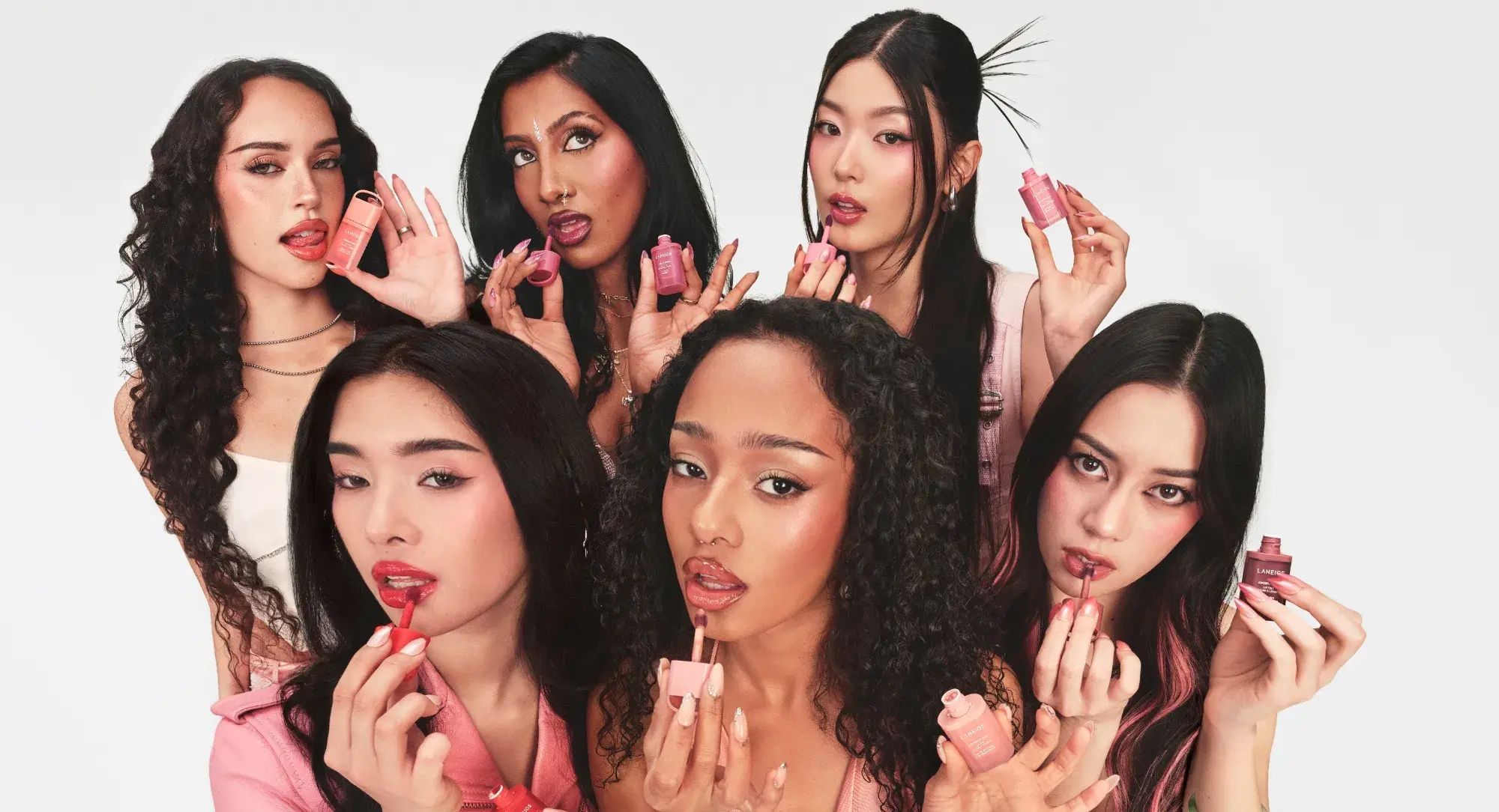
Not only are the products great, but they have amazing collaborations to promote them as well. In 2026, Katseye, the sensational Global girl group, was named Laneige's new Global Partner with the release of the JuicePop Box Lip Tints. Katseye has been known to have affiliations with many huge brands, such as GAP, Pandora, and Fendi, as the group's image inspires younger generations. Partnering with huge groups like this has given the company a huge boost and an emotional connection to customers.
What Makes Korean Skincare Unique
There has been a huge shift in skincare and beauty demands over time. The trend for more natural and skin-friendly products has changed the way companies market themselves; however, South Korea was already a step ahead.
Not only has there been a growing trend in K-beauty, but Korean culture all around has taken the world by storm. People have become immersed in the food, the clothing, and, of course, K-pop.
More than most countries, South Korea has invested most of its money in advanced technology for skincare and formulating the best ingredients to create a healthy and 'glass skin' look. It is estimated to be 10-12 years ahead of other countries, such as Europe and the US.
One of the most well-liked trends that has gained popularity is multi-step skin routines. By using several lightweight products and layering them, they are targeting specific parts of the skin that need certain nutrients.
Rather than focusing on active treatments that other countries use, such as the US, they focus more on protecting skin barrier health and preventing inflammation early on. They achieve this by using innovative and natural ingredients such as Snail Mucin or ginseng. By developing products that hydrate the skin, this brings that perfect glowy look.
K-Beauty's Marketing Strategy
It's hard to know where to start with Korean Skincare since there are so many options to choose from. From COSRX to RoundLab, there are products that will meet any type of skincare need, and each Korean brand has successfully found a way to showcase that in their marketing.
Beauty of Joseon
Best recognized for its trending moisturizer sunscreen and iconic logo, Beauty of Joseon has become a staple in many people's skincare routines.
On TikTok, a large community of influencers posts about the products, which creates a lot of buzz online. Using social media to boost their consumer engagement has proven to be one of their successful strategies in marketing.
In addition, the brand's identity design is connected to the Joseon Dynasty era, where the focus is on creating traditional Korean medicine, also known as Hanbang, and infusing that practice into their skincare ideas.
Their emphasis on using sustainable plant-based ingredients not only leaves the customers feeling clean and glowy, but it also appeals to their authenticity as well as the country's historical connections.

Glow Recipe
Similar to Beauty of Joseon, a lot of Glow Recipe's popularity has been through its use of social media. Most known for the Watermelon Glow Niacinamide Dew Drops, this Korean brand's identity has become well-known for creating a successful ambassador program.
The "Official Glow Gang" program works with people to promote their products in their online content, and in return receives product credit, brand trips, and allows personal connections with partners.
Their website alone shows as a prime example of how well the business connects with consumers. They have categories for skin quizzes as well as guides to understanding your skin and how to incorporate Korean skincare routines.
Including information like this is essential to customers who have never used Korean products before and aren't sure where to start in their skincare journey.
TIRTIR
The well-known beauty brand has followed a different path than most of these trendy K-Beauty brands, which focus on diversity. It is widely known that many Korean brands only have shades for fairer skin tones, as brightening the skin is common in most Asian countries.
TIRTIR, however, rewired their marketing strategy and expanded their line of Mask Fit Red Cushion Foundation shades from 3 to 40.
Not only has the focus on inclusivity shown to be a successful strategy for the brand, but using search engines on Naver as well as KakaoTalk in Korea increased the brand's visibility and created a community by sharing its inclusive beauty products.
U.S. Beauty Brands vs Korean Brand Identity
With Korean beauty in high demand, should Western beauty be worried? Not at all. While Western skincare companies have some catching up to do in terms of formulating a 10-step skincare routine like Korean brands, there's a lot of good to be said as well.
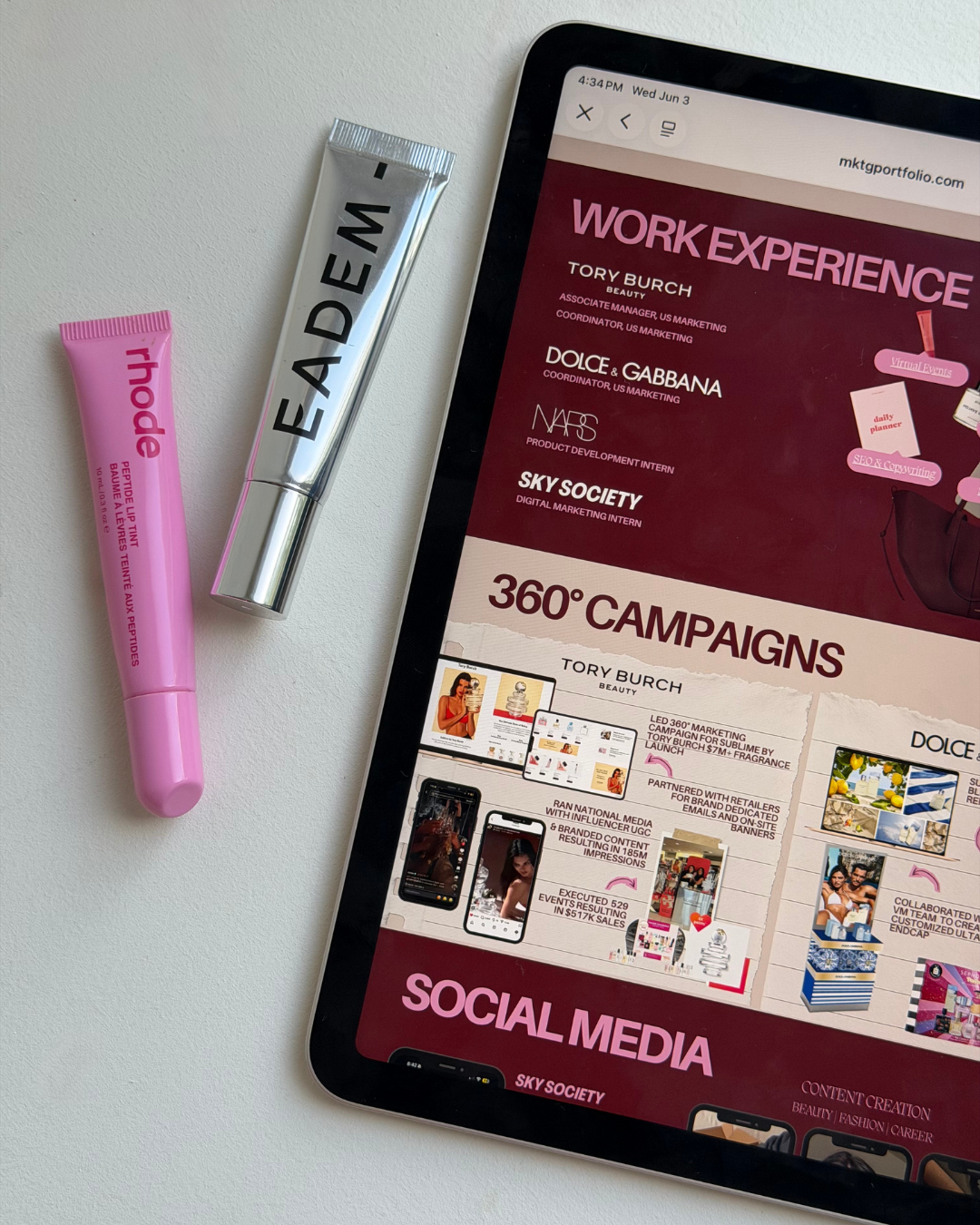
Many American skincare and beauty brands, such as Rhode Beauty, have had a lot of success, as recently seen displayed beautifully at Coachella 2026.
The biggest note that stands out is their approach to price points. American Beauty is notorious for having more high-end beauty choices in their stores than going to your local Sephora or Ulta. K-beauty, on the other hand, lies at a more affordable price and can be found on sites like YesStyle and Olive Young.
In addition, K-beauty tends to advertise the most through social media and by sending free PR gift boxes.
All over social media, you can see people posting their personal skincare stories and engaging with each other to find the best information and combinations of products for their skin. This elevates their emotional connection and strengthens the Korean branding.
While Western beauty is advertising a lot, many brands aren't connecting with potential customers the way Korean brands are.
Key Takeaways
It's no surprise that there is a difference in Korean beauty and Western beauty, and that's just a result of the cultural differences and beauty standards in different parts of the world.
Overall, Korean beauty brands have succeeded because they do more than sell products. They create strong communities, connect products to culture, and make beauty feel accessible, personal, and innovative.
Korean beauty is continuing to grow at an exponential level, and it looks like it's not stopping anytime soon.
🪽 Written by Carissa Dwyer
join 50k marketing girlies
Private Marketing Girly LinkedIn Group
A private community where young women in marketing network, collaborate, and support each other.