
How to Land Your Dream Job Through Storytelling in Marketing
Jul 24, 2026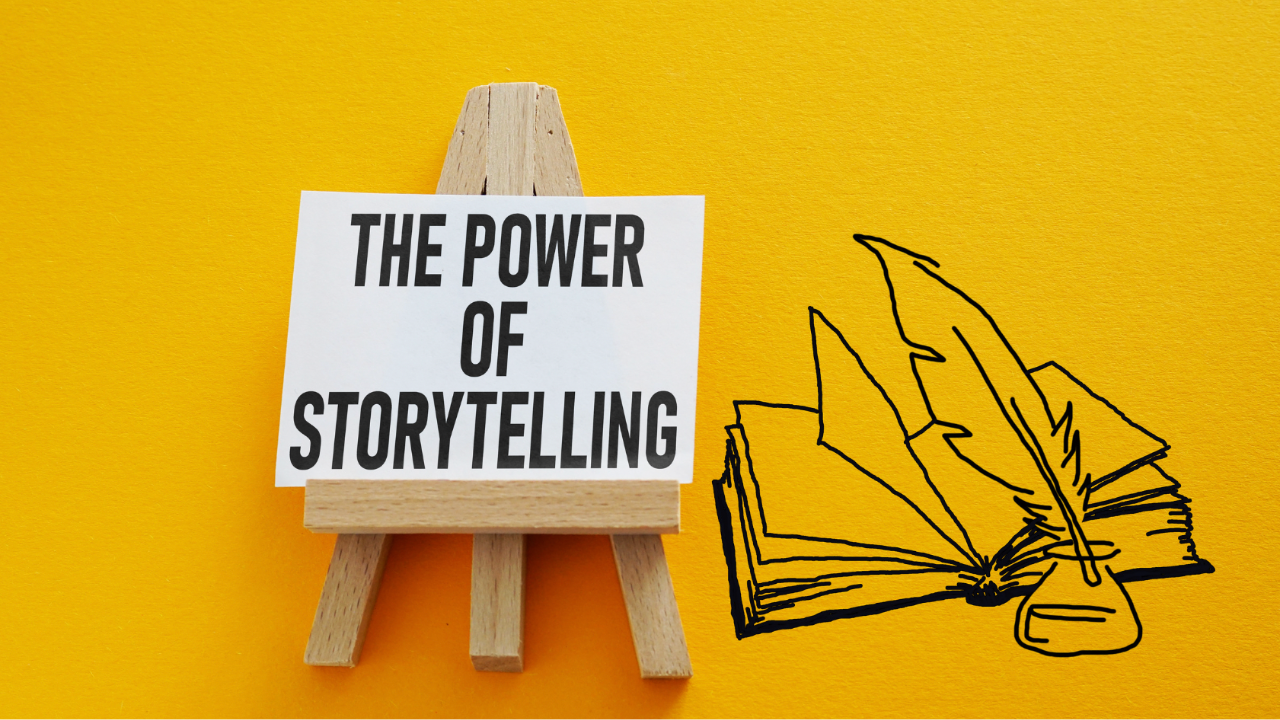
If you’ve ever wondered what employers are really looking for when hiring for marketing roles, you’re not alone.
In today’s job market, there is one key skill that employers value: storytelling (your creative edge in marketing). While everyone brings different strengths to the table, developing storytelling skills can help you stand out, whether you're just starting your marketing career or looking to take it to the next level.
Storytelling has become one of the most in-demand skills in the marketing industry. In just one year, the percentage of LinkedIn job postings mentioning the term “storyteller” doubled, with roughly 50,000 listings referencing the skill. Yet, it remains one of the most misunderstood skills in marketing.
That is why we’re breaking it all down: what storytelling in marketing really is, why it matters, and how you can leverage this skill to become a stronger candidate in your job search and thrive in your career.
What is Brand Storytelling in Marketing?
At its core, storytelling in marketing helps customers see how a product or service fits into their lives and solves a problem.
A common misconception is that storytelling only means creating emotional ads or sharing a founder's story. In reality, consumers are far more likely to connect with stories than traditional advertising, which is why storytelling has become a core part of marketing communications.
It helps brands tell a consistent story across channels, reinforcing their identity, values, and purpose while building stronger connections with their audience.
One key idea to remember is this: customers don't want to follow a brand's journey; they want help with their own. A compelling brand narrative helps customers understand who a brand is, what it stands for, and why it matters.
That understanding shapes what people think about a brand before influencing how they act. Creating an effective brand story all starts with knowing your target audience and delivering a clear brand message that resonates with their needs.
Here's what storytelling does:
-
Creates context: Shows how a product fits into real-life examples instead of just listing its features.
-
Builds emotional connections: Makes brands more memorable and creates stronger brand loyalty (e.g., Coca-Cola's Share a Coke campaign, which replaced its logo with customers' names to create more personal connections).
-
Simplifies decision-making: Helps customers see why a product is the right solution for their needs.
-
Strengthens brand positioning: Highlights what sets a brand apart from its competition while reinforcing its brand values and brand personality.
The same idea applies when marketing yourself to employers. Recruiters aren't just interested in the accomplishments listed on your resume; they want to understand your story and how you’ll contribute to their organization.
Why Employers Value Storytelling and Emotional Connection in Marketing
Now more than ever, employers are looking for candidates who excel at storytelling in marketing.
Much of this comes down to the fact that modern Gen Z consumers prioritize brands that reflect their values and feel authentic rather than transactional. Why? Because authentic stories drive emotional responses, strengthen customer relationships, and spark long-term growth.
This shift has only grown as AI-generated content becomes more common, causing brands to lean into authentic stories and even adopt "no AI" disclaimers to build trust and stand out. As a result, consumers are increasingly drawn to content that feels real rather than AI-generated.
Today, relatability matters more than perfection. For example, Aerie, a brand known for promoting body positivity and inclusion, introduced the statement "No AI-generated bodies or people," highlighting its commitment to featuring real people and authentic stories.
So, what does this mean for you? It means storytelling is part of a broader marketing strategy employers value, and strong storytelling efforts are a practical skill they want to see. It's also how you market yourself. Whether you're interviewing, building a portfolio, or networking, telling your story well can help you stand out.

How to Showcase Your Storytelling Skills to Land a Marketing Job
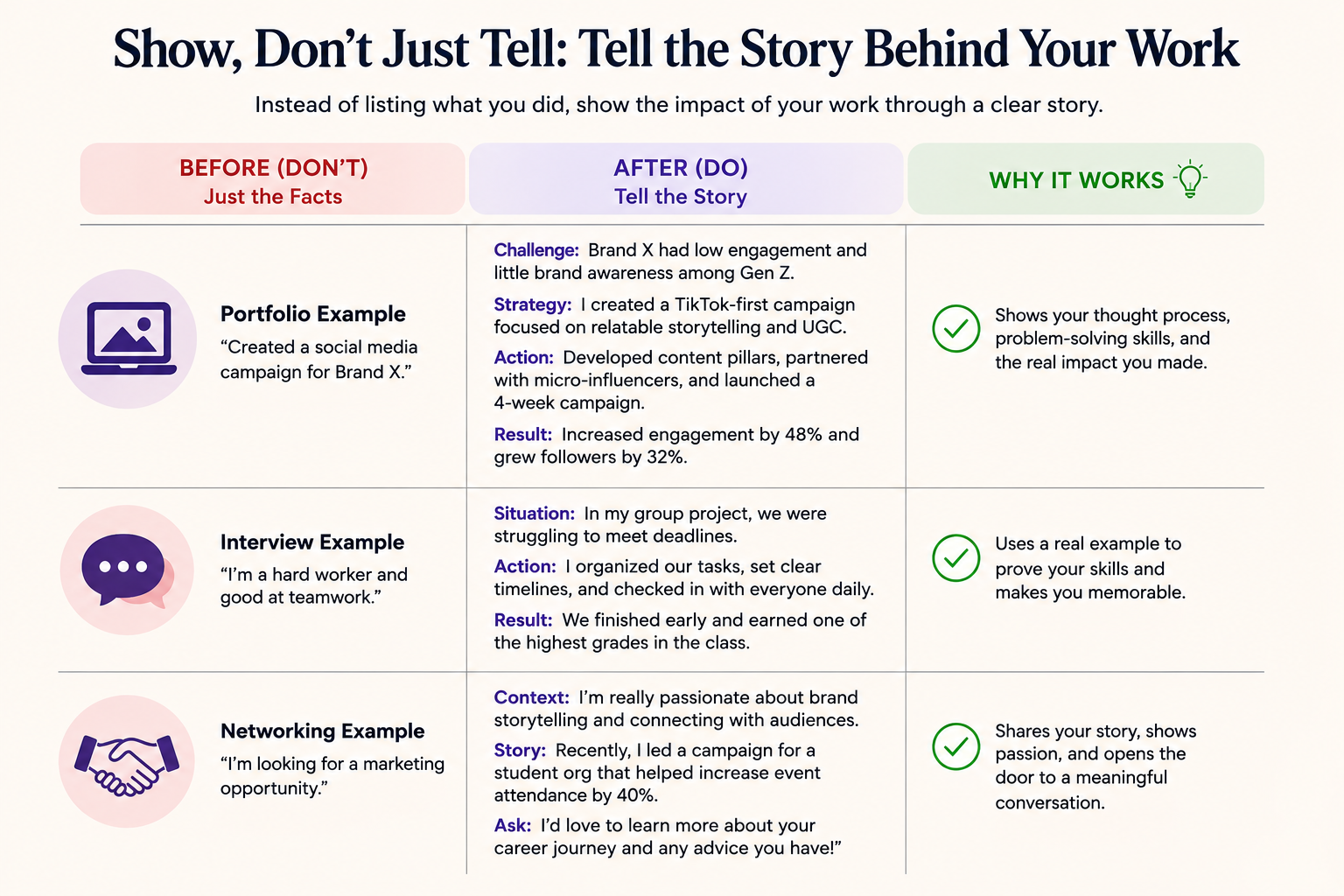
Every interaction with an employer is an opportunity to tell your story, and an impactful story is far more memorable than a list of accomplishments. The key is to present yourself as the solution, just as brands position their products to solve customers' problems.
Developing your storytelling skills starts with your personal brand. Start by showcasing your storytelling skills through topics you're passionate about. Platforms such as LinkedIn and TikTok, as well as portfolio case studies, are great places to show employers how you use storytelling and creative content to build and maintain an engaged audience.
Use these platforms to create compelling stories, and over time, you will develop a stronger storytelling strategy and unique voice that will impress employers. If you're just starting out, consider learning how to build your personal brand on LinkedIn, so your content is an accurate reflection of your interests.
If you're still in college, take advantage of on-campus opportunities to strengthen your storytelling skills, such as writing for the campus newspaper, managing a student club's social media, participating in case competitions, or creating content for your university or local businesses.
These experiences help you better understand your audience, craft stories with stronger marketing messages, and bring ideas to life.
It's also beneficial to analyze storytelling examples and marketing campaigns to understand how brands create compelling narratives that resonate with their target audience.
When you come across something that grabs your attention, stop and ask yourself why. Pay attention to who the audience is and what emotions it evokes, as well as the narrative structure and key elements that make the story memorable. Resources like HubSpot's storytelling guide can help you understand the strategies behind successful brand storytelling in marketing.
The Future of Storytelling: Marketing Examples and Trends
As technology evolves, storytelling in marketing is becoming more interactive and engaging. No matter how the technology changes, the goal stays the same: strengthening customer loyalty. Immersive storytelling helps brands create authentic experiences that leave a lasting impression. Here are a few emerging trends to look out for:
User-Generated Content
Customer reviews, videos, and social posts are forms of user-generated content that help brands build trust and authenticity while allowing customers to share their own stories, often working best when they feature relatable characters or a clear main character customers can follow. Customer success stories are a strong form of customer-led storytelling because they show real outcomes.
Data-Driven Storytelling
Brands can use customer data to create more personalized stories that align with individual interests and behaviors, making their messaging more relevant and impactful.
Sustainability
As consumers increasingly value sustainability and social responsibility, brands that share authentic stories about their values and impact are more likely to earn long-term trust and loyalty, especially when those stories connect clearly to the brand's mission and show how storytelling is creating opportunities for customers to participate in those values.

Final Thoughts: Marketing That Connects, Not Just Sells
Storytelling is more than a marketing buzzword. It's one of the most valuable skills you can develop as an aspiring marketer. By understanding the role storytelling plays in marketing, applying those strategies to your personal brand, and staying informed on emerging trends, you'll be better prepared to stand out in today's competitive job market.
As new technology continues to shape marketing, the ability to communicate through compelling stories will remain essential for marketers. So, don't wait until your first job to start building this skill. Put your storytelling skills into practice today, and you'll be one step closer to landing your dream marketing job and excelling in it.
🪽 Written by Mary-Catherine O'Brien
join 45k marketing girlies
Private Marketing Girly LinkedIn Group
A private community where young women in marketing network, collaborate, and support each other.