
How to Inspire a Cult Following With Brand Storytelling in Marketing
Jul 23, 2026
Some brands don't just get customers. They create a following.
The kind of following that refreshes a website at midnight, joins a waitlist thousands deep, and defends the brand in the comments like it is family. That's not just because they have a good product.
It's brand storytelling. And the most successful brands in 2026 use it as an emotional branding and community-driven marketing strategy. It helps them feel less like companies and more like communities people want to belong to.
So why is brand storytelling in marketing so important? Because it’s a much more powerful tool than traditional advertising. Traditional advertising shouts about features and factory development; storytelling brands invite people in.
But a good brand story makes the customer the main character, not the product. It ties a brand's identity and a brand's purpose to something people already care about. Then it uses compelling narratives to engage customers on an emotional level.
That’s the whole game: authentic stories that create meaningful connections and a deeper connection than any ad ever could.
Because people don't fall in love with what a brand sells. They fall in love with the origin story, what it stands for and how it makes them feel.
And the numbers back it up, too. Research shows that 55% of people who love a brand say its storytelling is a big reason for their loyalty. Because logic works when making a decision, but the emotional connection can overrule that any day.
So how do the best brands actually create successful brand storytelling? Three names show the playbook in crystal clear 4K: Béis, Fenty Beauty, and Tala.
These three real life examples below show how it's done, so anyone building their own brand can steal the playbook.
Personality Is the Whole Point: Béis and the Art of Brand Community Through Customer Stories

Béis is truly the friend who keeps the group chat alive. Shay Mitchell's travel brand leans all the way into a playful, meme-fluent brand personality, and it works because it never takes itself too seriously.
Take the "Airport Dad" Father's Day campaign, for instance. It wasn't dreamed up in a boardroom. It came from a viral TikTok trend, and Béis was smart enough to bring the creator behind it in to help lead the whole thing. They then drafted a cohesive brand narrative rooted in a relatable scenario. Think of those dads that show up four hours early to a flight with a plan in hand. It's user-generated content turned into a full campaign.
It’s a literal masterclass for brand storytelling in marketing. Beis handed its community the mic and let them shape the story. It is a content strategy built on powerful stories from real people. It grabs the audience's attention in a way a standard ad never could.
And they’re giving a crash course in listening to its target audience, too. For years, fans said the beloved Weekender bag ran a little too stiff and bulky, highlighting huge pain points for the community. Instead of ignoring it, the brand chose to gather feedback and act on it.
Now they've built a whole campaign around giving it a refresh, along with some of the other OG products. The product launch is set for July 16th. It turned a product update into a love letter to their customers. That is how a brand turns a pain point into a great story.
Béis has grown into a brand with over $200 million in sales, built on viral moments and customers who feel like they are in on the joke and part of the club.
And even with a few missteps, they've shown that a brand with a real personality doesn't just get watched. It gets joined.
Purpose That Becomes a Movement: Fenty and Emotional Brand Strategy
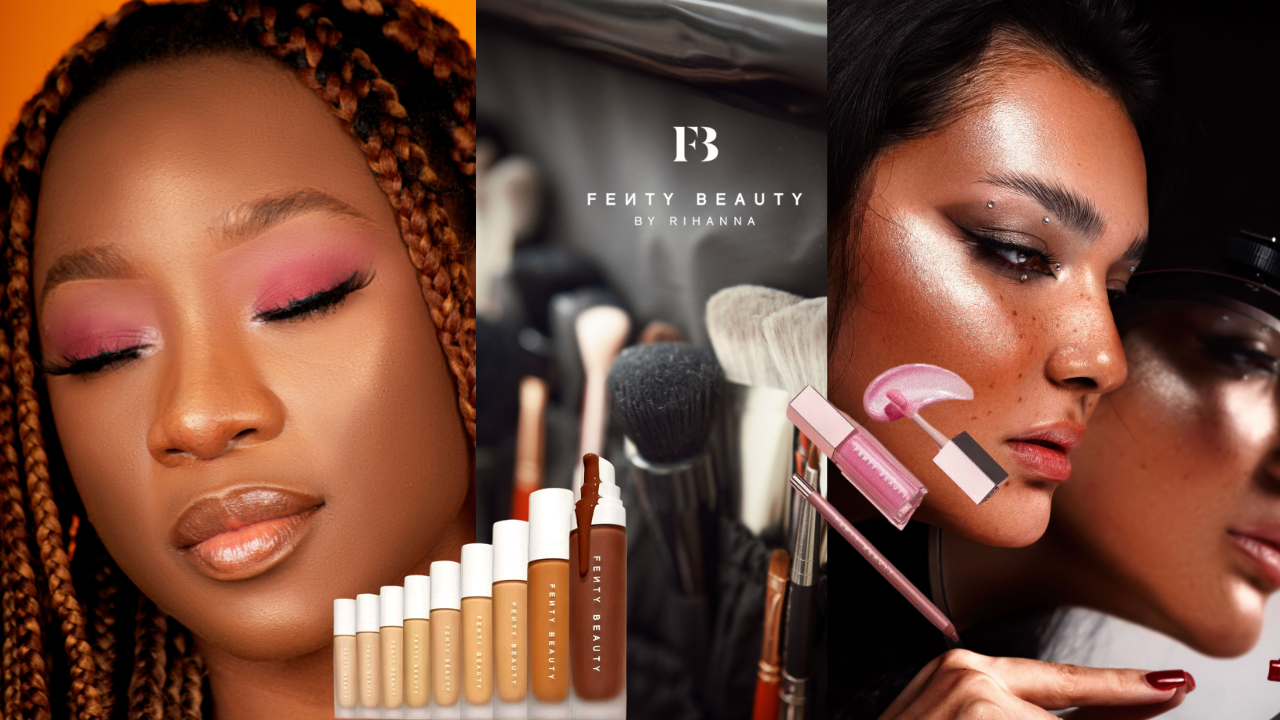
The launch of Fenty Beauty didn't just shake things up. It flipped the whole beauty industry on its head with one major move.
When Rihanna launched the brand in 2017, it arrived with 40 foundation shades at a time when most competitors offered fewer than 20. The message was clear: this makeup was for EVERYONE.
That moment is now a permanent part of the brand's history. And the core values behind it, inclusion and belonging, still drive every campaign today.
That is the heart of Fenty's brand storytelling: belonging. Every campaign, every shade, and every ad said the same thing. Nobody is an afterthought. Every person is the reason the brand exists.
By featuring real women of every skin tone in its campaigns, Fenty made its brand message impossible to miss. It built a deeper connection with the people other brands had ignored.
That kind of compelling brand story holds because people want to see themselves in the brands they love. It triggers an emotional response that a feature list never will. They don't just buy them, they defend them.
They share them with friends and family and become the loudest megaphone for them, a word-of-mouth marketing engine. Loving the brand feels like loving themselves. It's rooted in the emotional connection they feel.
Fenty also proved that a company's values can't just live on a website. During the height of the Black Lives Matter movement, the brand paused sales for a day of action.
That move showed that the brand's mission and the brand's values were more than marketing. That kind of positive impact is exactly what turns customers into believers. Which is exactly what brand storytelling in marketing strategy is all about.
And that customer loyalty isn't just words either. One report notes that brands that build this deep, identity-based loyalty can earn customer lifetime values three to five times higher than brands that rely on hype alone. Fenty Beauty IS Rihanna: the edge, the vibe, the confidence.
As a founder-led brand, she doesn't just talk about it. It's an actual staple for her, and customers noticed. During the 2023 Super Bowl, Rihanna paused mid-performance to blot her face with a Fenty powder. Searches for the product spiked 833% in a matter of seconds.
The takeaway is bigger than makeup. When a brand's values align with its people and the person who created it, it stops being a product and becomes a movement.
Building In Public: Tala's Community-Driven Brand Narrative

When founder Grace Beverley talks about her sustainable activewear brand Tala, she rarely leads with sales figures. She talks about the brand's journey and how the products grew from customer feedback.
That focus on a sustainable future is the brand's commitment. And it resonates with your audience far more than a discount code ever could.
Because Tala also builds in PUBLIC. From the start, Grace invited her brand community to watch the brand grow, sharing fitting sessions, fabric swatches, and design chats out in the open.
That kind of authenticity is what keeps the customer engagement high. Sharing those sustainable practices in real time is also how the brand continues to engage customers who care about where their clothes come from.
By the time a product drops, people feel like they helped make it. And they kind of did.
Tala uses real feedback loops, tracking customer requests from idea to finished product and even inviting plus-sized women into fittings so more bodies shape the designs. That kind of sync is brand storytelling that doesn't talk down to its audience, but lets them drive the conversation instead.
And, talk about listening to your community: Tala was built to make sustainability affordable. It uses recycled materials without the luxury price tag, so being eco-friendly is for everyone.
That shared value is why the community shows up, sells out drops in minutes, and fills feeds with real, unpaid love for the brand. That's brand storytelling in marketing 101.
The Brand Storytelling Playbook
Béis, Fenty Beauty, and Tala all sell very different things. But the brand storytelling strategy underneath them is the same:
-
Lead with real personality or real purpose. Give people something to feel, not just something to buy.
-
Hand the community the mic. Let customers help create your product or service, and build in public so the finished product feels shared.
-
Stand for something and mean it. Values-backed brand storytelling builds a brand loyalty that money simply cannot buy.
-
Tell real customer stories. Share success stories, customer testimonials, and even employee stories, because real customer stories connect on an emotional level that polished ads can't.
-
Use visual storytelling. A strong visual story and consistent visual elements make the brand instantly recognizable across every channel.
-
Make every person feel seen. Belonging is the strongest glue a brand has, and it's the heart of community building and long-term customer retention.
Together, these moves form a brand strategy any founder can borrow. And for a small business owner, a clear core narrative is absolutely essential. It's the thread that holds every social media post, product, and email together.
The goal isn't a single viral moment; it's a story that builds a deeper connection over time. The best brand storytellers don't just create stories. They build worlds their customers want to live in, and they carry that same voice across every marketing channel.
The Bottom Line
A cult following can't be manufactured. It has to be cultivated, on purpose, over time, with heart and consistency. Great storytelling isn't a one-time campaign a marketing team runs and forgets. It's a strong brand story told consistently until it sticks.
These brands didn't get lucky. They told a brand story worth belonging to, and they told it again and again until their customers became their community.
These brand storytelling examples evolved as its community grew, but the core story never changed. That’s what separates a great brand story from a forgettable one.
So the smartest question any founder can ask is a simple one: what story is the brand actually telling, and would anyone want to belong to it?
Because the product gets people in the door, but brand storytelling in marketing is what makes them stay, share, and ride for a brand like family.
🪽 Written by Jessica Hosendove-McElroy
join 45k marketing girlies
Private Marketing Girly LinkedIn Group
A private community where young women in marketing network, collaborate, and support each other.