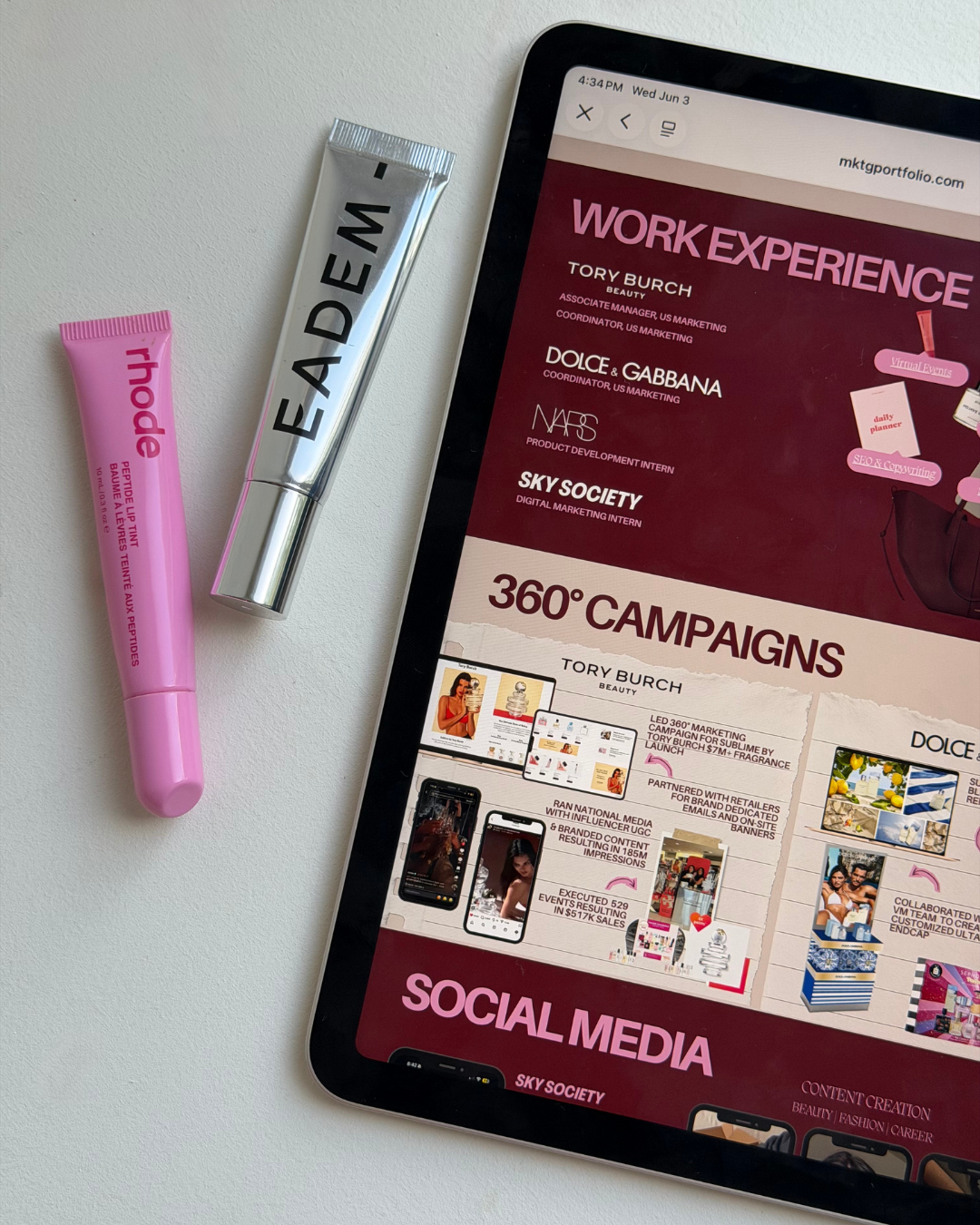

How Marketing for Skincare Has Changed for the Better
May 29, 2026
Over the last few years, skin care has dramatically changed.
Many different factors have caused this new change in marketing for skin care, as it has been constantly evolving. New trends have gained popularity, such as the "clean girl aesthetic," and entered a "self-care" era. This has caused even the most successful brands to have the need to reinvent themselves in a constantly changing and fast marketplace.
Staying on top of the trends and creating a personal connection with the consumers has never been more important and crucial to staying relevant. We have now entered a reality in an already crowded market with new brands popping up every day. Creating a separate brand identity different from others on the market has become more of a challenge.
Skin care has always been a difficult product to sell since everyone's skin is unique, with different concerns. What works for some might not work for others' skin type, even if the product is well-designed. This has caused the need for companies to use the most effective marketing to get new customers while also retaining their current ones.
Many consumers now care more about new skin care products entering stores than traditional beauty brand launches. This has completely changed the way that marketers have to move forward in marketing for skincare.
The Pandemic Changed the Way Skincare Is Seen
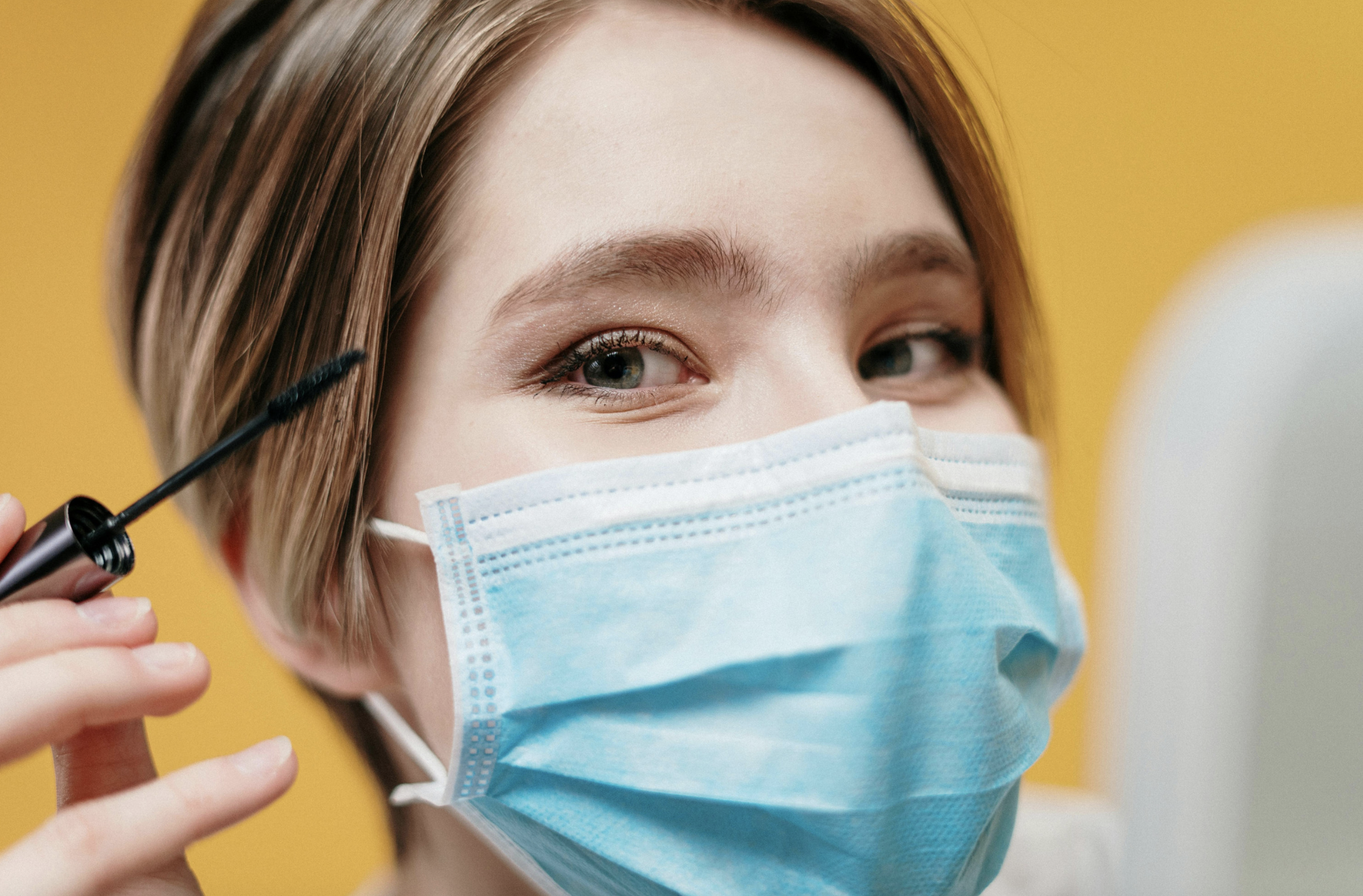
Like all trends and changes entering the market, there is usually an event that starts it all. While skin care has been around for thousands of years, we entered into a whole new world when we were required to cover our faces using a mask.
During the COVID outbreak, consumers were no longer purchasing products like foundation, blush, or lipstick. Those features of the face were hardly ever seen by the public. Instead, the population had new skin concerns with how wearing a mask for long periods of time could cause more breakouts, and overall, drier and more sensitive skin.
This then created a new target market of skincare consumers looking for totally different product benefits. Brands began creating new marketing strategies by launching more hydrating products to repair the skin.
People began researching skincare solutions and were also looking for something that would give them a sense of relaxation and create a DIY spa experience at home while on lockdown. This created the search for beauty treatments that you can do while staying inside. Marketing for skin care really grew from there, creating a new world of beauty treatments and new potential customers.
No Longer Hiding Acne
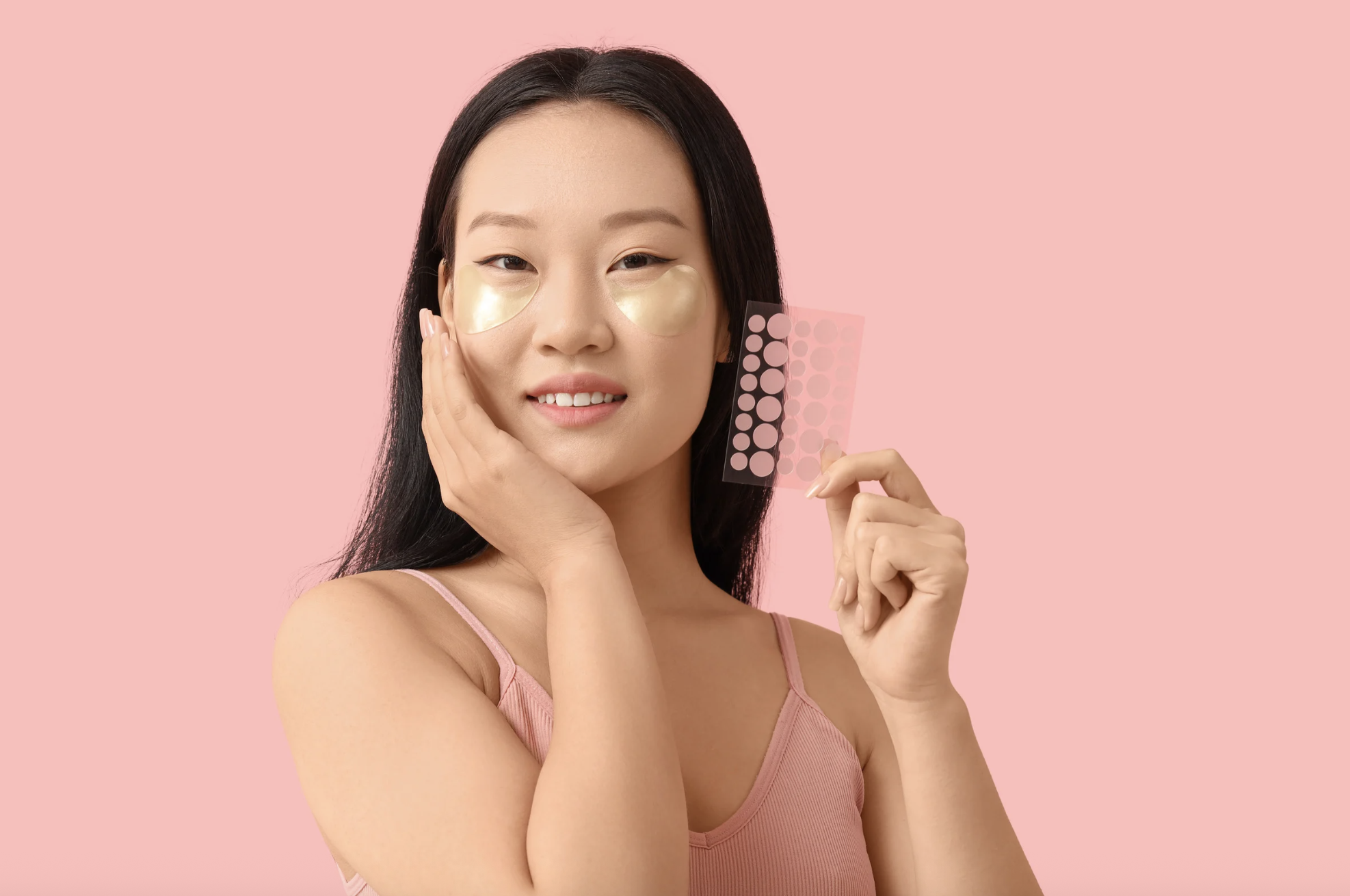
Acne is no longer something to be embarrassed about. Instead, it has become a fashion statement. Rather than hiding spots under thick makeup, many women and men have chosen to use pimple patches to highlight the spots while healing them.
Many brands, such as Hero, Starface, and most recently, Rhode, have launched subtle marketing efforts by creating fun and decorative stickers that consumers can wear all day. At first, these patches were designed to be more of a tool to wear at night.
Soon, they developed into fun and fashion-forward stickers that are now being worn out daily. Justin Bieber has even become the face of the new Rhode spotwear launch to promote products such as these.
Brands are constantly changing their images on these stickers to keep up with the trends, creating genuine interest in loyal customers while also reaching new ones. Influencers across many different platforms have been creating content wearing them in photos and doing their everyday task, creating the image that they can be worn all the time, at any time.
After more and more brands are launching their version of the pimple patch, it is clear that marketing for these skincare products is not going to slow down anytime soon.
SPF Doesn't Have to Be Boring
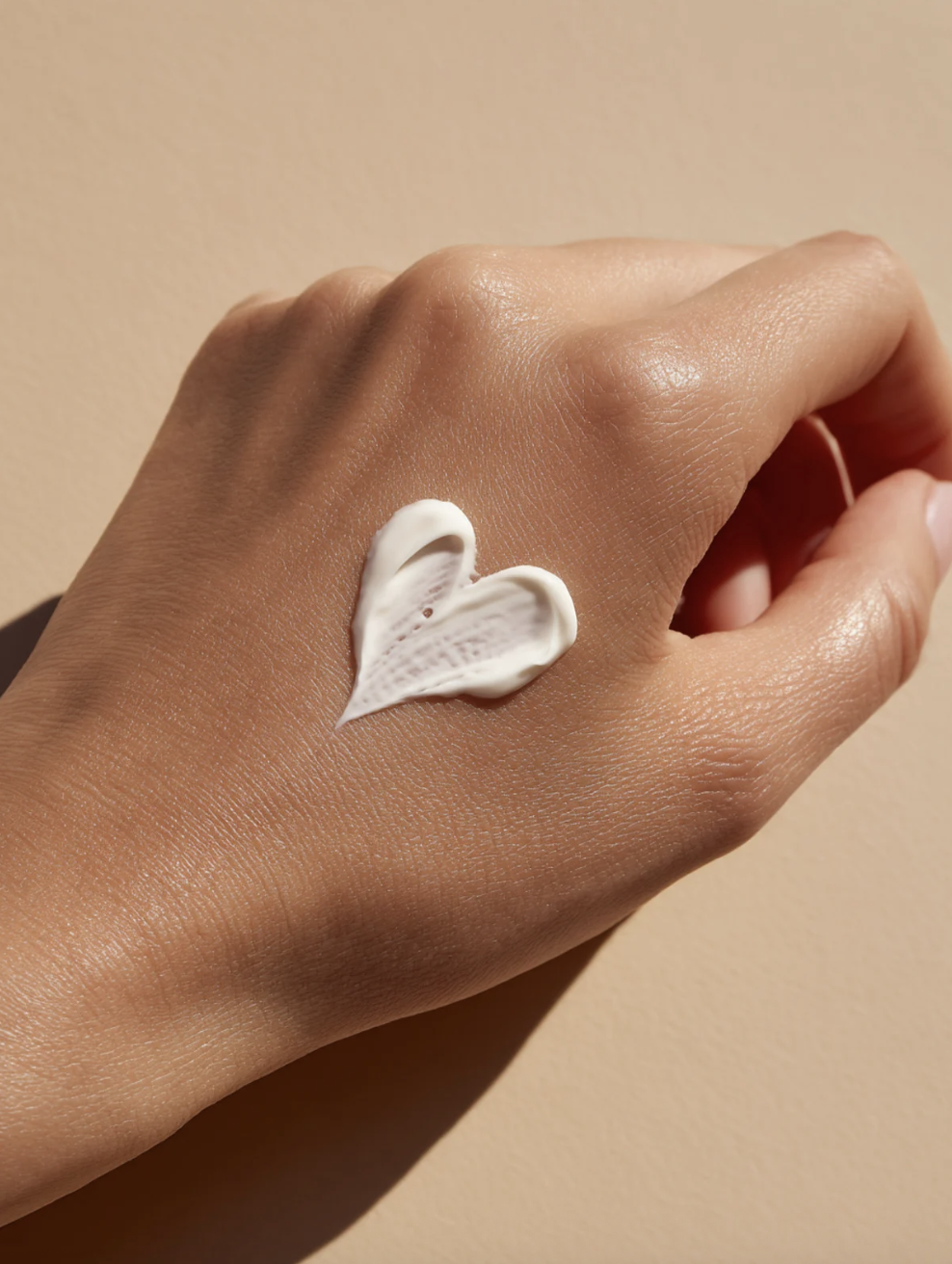
Sunscreen used to be a product that most people hated to put on. People really only saw it as a product used for the beach and not for everyday use.
In the past, it was typically hard to wear SPF products under makeup, which could cause more acne. Marketing for this skin care product has since changed. Many skin care brands like Kopari Beauty are changing the way we look at sunscreen. Instead of just being a health product, this can also be a beauty product.
This brand not only created a new type of skin care line, but they also centered their brand around a care-free lifestyle while also combating dull skin. They have reinvented normal SPF by adding it to everyday-use makeup products such as lip balm and their version of bronzer, Sun Veil. Kopari also added beach fragrances, creating a whole new target audience.
Other skincare brands, such as Summer Fridays, are another example of a company in the beauty industry that has been leading the skincare revolution in SPF. They recently launched a Mineral Milk Sunscreen that is targeting customers who also want skincare protection daily without disrupting their normal makeup routines.
Since sunscreen was seen as a product that used to break you out more, adding dermatologist-tested to the product descriptions created ease for consumers. Overall, the trend for protecting against harmful rays is not slowing down but actually speeding up.
TikTok Trends and Influencer Marketing
With the rise of social media platforms, the way we consume skincare marketing has changed. Today, millions of consumers every day are logging on to see different content marketing in short-form videos and other social media posts. Searches can consist of daily skin care routines with influencers using their favorite products, creating authentic storytelling.
They are explaining how they themselves cleared up their acne, offering new skincare solutions, and building trust for incoming consumers. It can even be a way for new skin care products to be reviewed by everyday customers.
TikTok has not been a way to only advertise to a huge population, but also a way to view educational content, giving valuable insights. Now, most consumers entering the market are able to look for ingredients such as niacinamide or retinolin their products based on the increase in ingredient-focused content available.
Everyone, from influencers to the everyday girl to licensed estheticians, is sharing their opinions and product education, providing different perspectives on new product launches or how something performs on the skin, giving real-life customer testimonials.
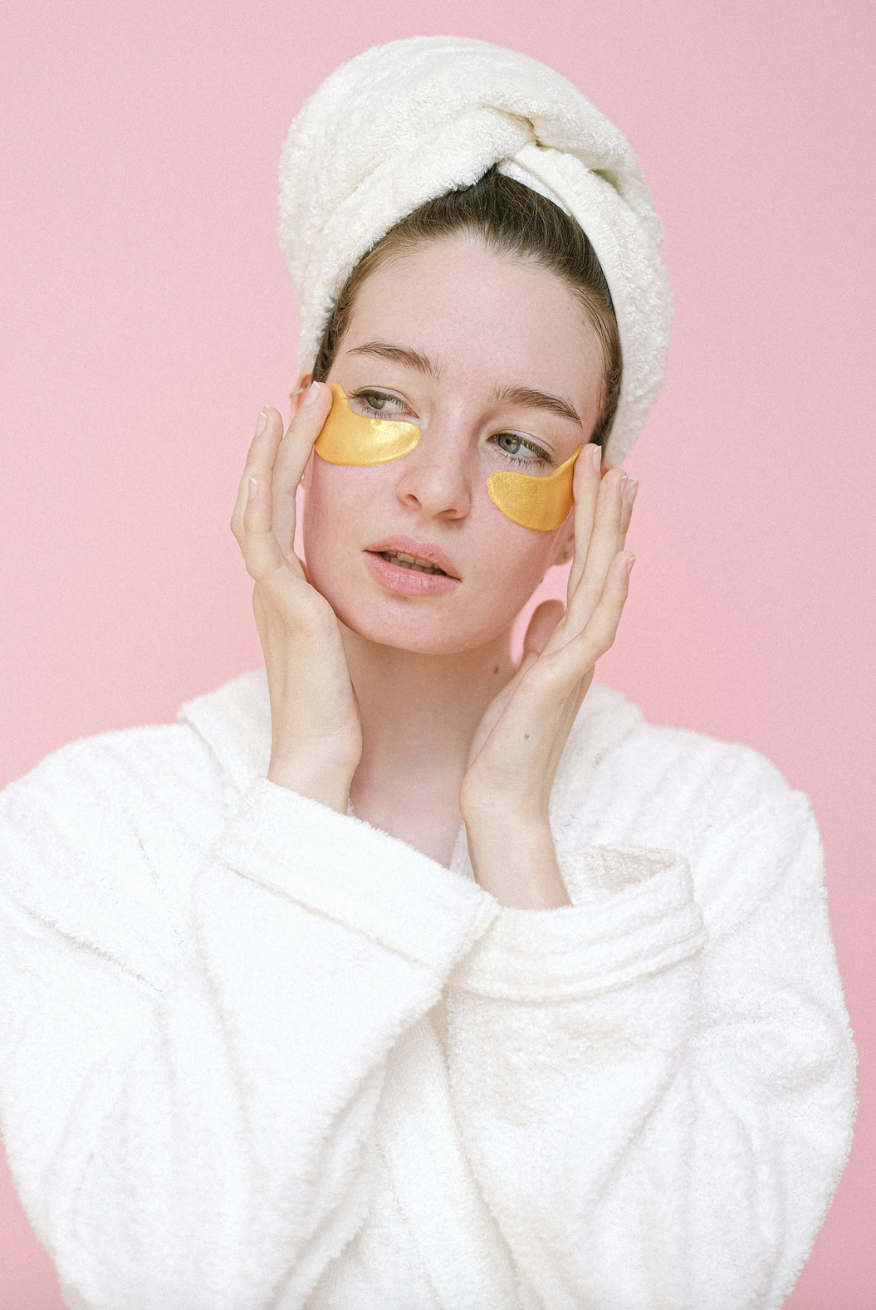
With social media campaigns, we have seen the rise of red light face masks and so-called "performative" under-eye patches. With skincare brands launching new products, there is always a new review being posted. This also includes recommendations on what to try next. This has caused influencer marketing to become essential to the growth of skin care marketing.
TikTok has recently become a platform that is attracting organic traffic, where consumers will use it as a search engine, now even more than Google. High-intent buyers are always looking to find the next best thing to keep on the bathroom shelf.
What's Next for Skincare
With the rise of influencer marketing, skincare is now targeting a whole new generation. As kids and preteens grow interested in keeping up with the trends, they have also become interested in skincare earlier.
This caused brands like Drunk Elephant and Bubble to tailor their packaging and product pages to a niche sector of the market. Their products are designed to grab the attention of the younger audience by having packaging with eye-catching colors.
Children also want to recreate what they see online. As the skin care industry itself grew an online presence, it caused a whole new generation of interest. Shay Mitchell launched her own skincare brand to capitalize on this new trend.
She launched the brand rini, a safer skincare with natural ingredients, as an alternative for kids' use. While some may think the company is controversial, there is no mistake that consumers for skincare have been trending younger.
Companies will continue launching new products, community building, and creating better ingredients. This market is great for customers to experience some of the best changes and best ingredient-focused products.
Now the skincare industry focuses on a deeper connection to its customers by including more cruelty-free products and providing a detailed ingredient list with dermatologist insights. Skin care marketing campaigns and influencer partnerships have never been more important.
🪽 Written by Nicole Goodrich
join 50k marketing girlies
Private Marketing Girly LinkedIn Group
A private community where young women in marketing network, collaborate, and support each other.