
How Lush Cosmetic Social Media Builds Community Instead of Just Selling Products
May 29, 2026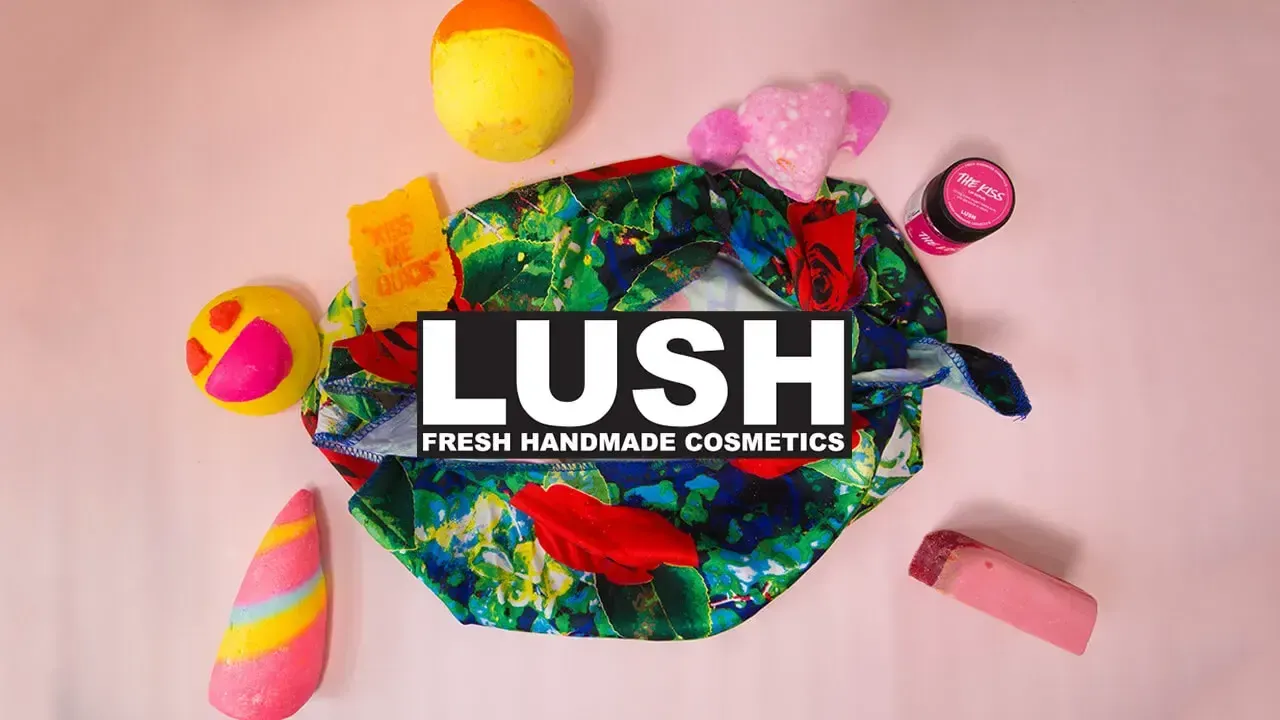
Ever wonder what it feels like when a bath bomb transforms into something truly special?
For many people, self-care means finding little moments of comfort amidst a busy day. Whether it's a relaxing bath, a simple skincare routine, or just a few peaceful minutes, these small rituals help us slow down and recharge our spirits.
Brands like Lush have created a whole community around these special experiences, making everyday self-care something we love to share online.
The beauty industry is buzzing with fierce competition online, especially on platforms like Instagram and TikTok, where skincare and beauty brands are constantly vying for attention. Many of these brands rely heavily on influencer sponsorships, sleek advertisements, and viral trends to showcase their products.
However, Lush stands out with its special approach to social media. Instead of focusing solely on sales, Lush’s online presence is all about building a welcoming community, earning trust, and creating heartfelt connections with its customers.
Lush made the strategic decision to step away from certain Meta platforms, including Facebook and Instagram, due to ethical concerns about user safety and mental health, aiming to protect its customers from potential harms associated with these social platforms.
Lush Cosmetics is celebrated for its vibrant bath bombs, lovingly handcrafted skincare, and ethically sourced beauty products. They’ve fostered a warm, loyal online community affectionately known as “Lushies.” Customers joyfully share videos, reviews, bath routines, and personal product stories, creating a lively space of connection.
Rather than just seeing customers as mere buyers, Lush genuinely makes them feel like an integral part of the brand family.
On November 26, 2021, Lush announced it would stop using major social media platforms like Instagram, Facebook, TikTok, and Snapchat until these platforms could provide a safer environment for users.
This decision was influenced by concerns over the harmful effects of social media algorithms on users, particularly young people. After leaving social media, Lush reported its highest Christmas retail sales figures in two years, showing the impact on sales was not as detrimental as initially feared.
While exploring Lush Cosmetic social media, a fascinating case study from Nosto highlighted how the company embraces community-driven content to build even stronger connections with customers. It’s inspiring to see how Lush emphasizes user-generated content, customer participation, and genuine stories rather than traditional advertising methods.
The chief digital officer, Jack Constantine, and the brand's chief digital officer played a pivotal role in shaping these decisions, steering Lush away from spending money on paid advertising across certain social platforms and toward alternative channels and authentic engagement.
Compared to other brands that continue to spend money on social platforms and other platforms, Lush shifted its focus to alternative channels such as email, websites, and community-driven initiatives, setting itself apart in the industry.
Introduction to Lush Cosmetics and Social Media
Lush Cosmetics has long been recognized as a trailblazer in the beauty industry, not just for its colorful bath bombs and ethical products, but also for its innovative approach to digital marketing and community building.
With a vibrant presence across major social media platforms, Lush has cultivated a devoted customer following that genuinely loves the brand and its values. The company’s digital engagement has always gone beyond simply showcasing products—it’s about fostering a sense of belonging and encouraging open conversations among its community.
However, Lush made headlines when it took the bold step of stepping away from certain social media platforms. This decision was driven by growing concerns about the negative impact of social media on mental health and the proliferation of harmful content online.
Lush’s leadership voiced concerns about the very real harms that unchecked digital environments can cause users, especially young people, and questioned the responsibility of big tech companies to create a safer environment for their communities.
This move sparked widespread discussion within the industry, as many wondered what prompted such a drastic shift from a brand so deeply rooted in digital engagement. By prioritizing the well-being of its customers and taking a stand against harmful content, Lush has challenged the norms of digital marketing and set a new standard for how brands can use their platforms to build genuine community.
In this article, we’ll explore the motivations behind Lush’s decision, the impact on its brand strategy, and what this means for the future of social media in the beauty world.
How Lush Cosmetics Social Media Focuses on Community
One of the things that makes Lush Cosmetic social media special is its strong focus on community building. Unlike many beauty brands that primarily use social media to promote their products, Lush happily sparks conversations with customers and invites everyone to share their stories and experiences.
Lush also uses various channels and direct communication, such as email, their website, and in-store interactions, to foster community and engagement beyond traditional social media platforms.
Customers love sharing their bath art, skincare routines, product reviews, and soothing self-care videos featuring Lush products. The company happily reposts this content on its social media, making customers feel valued and appreciated.
Lush encourages the use of community hashtags like #LushCommunity to boost user-generated content, awareness, and organic visibility. Instead of perfect advertisements, followers get to see authentic moments of real people enjoying the products in their everyday lives.
Based on the Nosto case study, Lush believes that customers create the content they’d like to see online. This approach makes the brand seem more genuine and easy to connect with. It also helps build a deeper sense of trust between the company and its audience.
Lush Cosmetic social media creates a warm and inviting space where customers love to connect. They happily share their favorite bath products, skincare tips, and self-care routines in comments and videos.
The community feels genuine and friendly, making it feel less like a corporate environment. Lush’s approach raises awareness and encourages participation among its audience, which is especially meaningful because many young consumers really appreciate genuine connections and authenticity when interacting with brands online.
Why User-Generated Content Matters in Lush Cosmetic Social Media Platforms
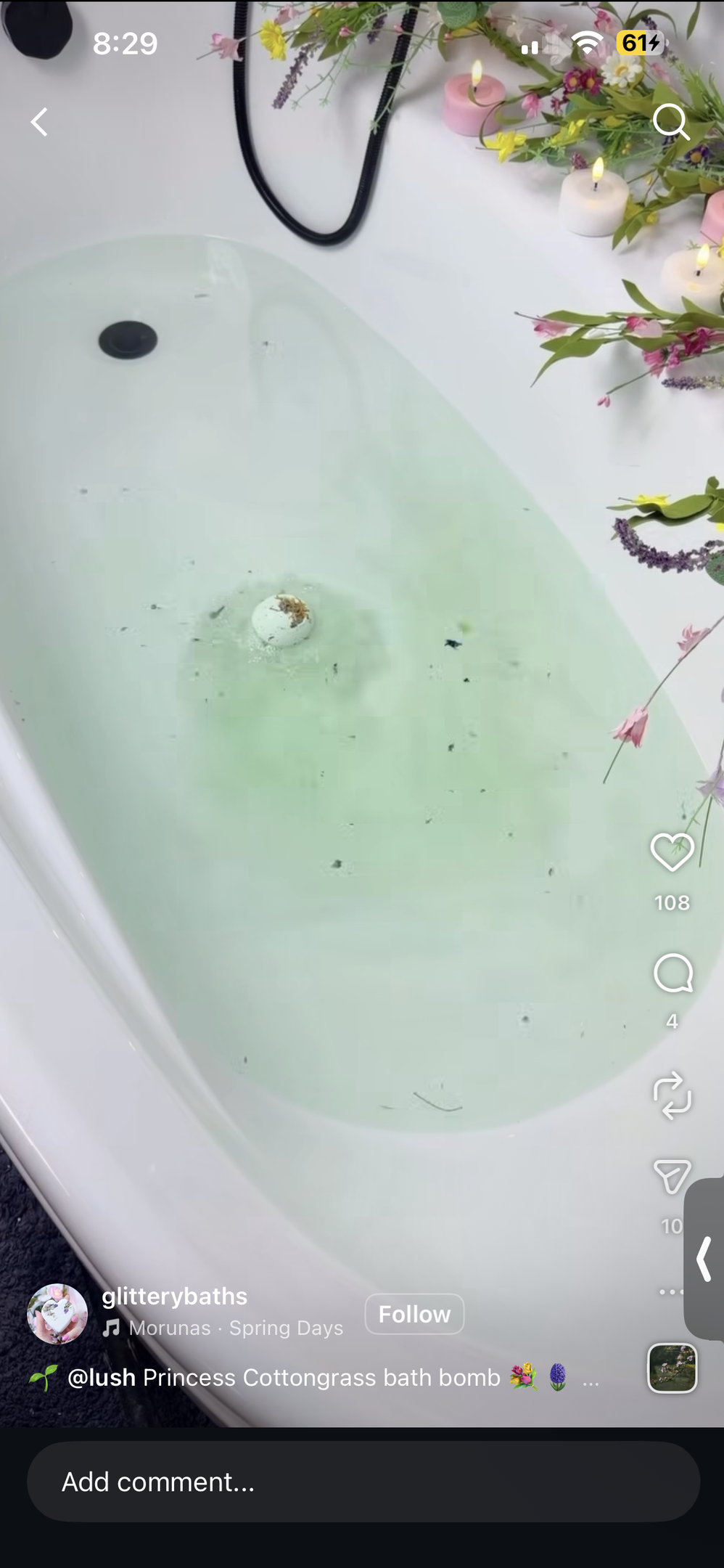
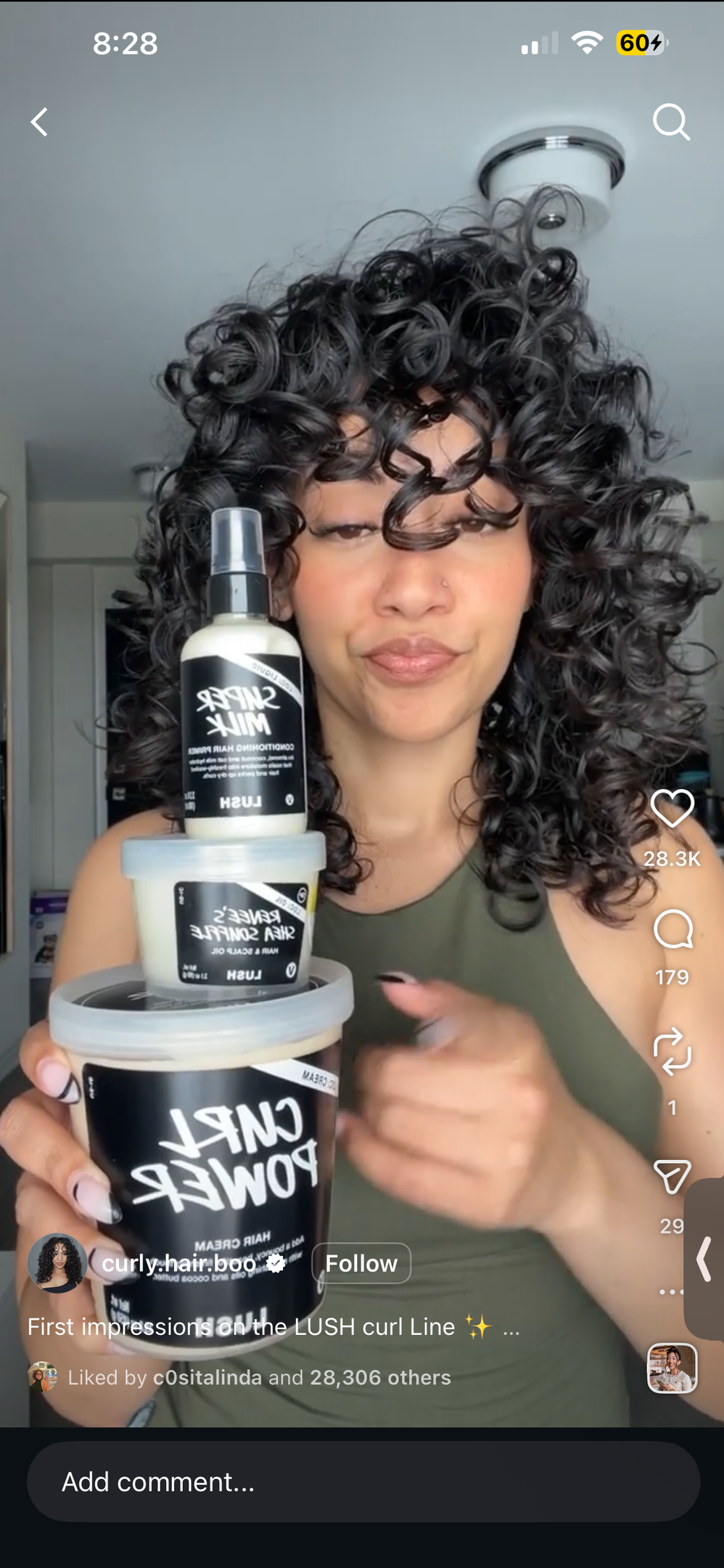
User-generated content, or UGC, is a major reason why Lush Cosmetics shines on social media. UGC is all about the wonderful content created by customers themselves, rather than the company. This includes lovely photos, reviews, TikTok videos, tutorials, and product demos that customers share, making the online experience more vibrant and engaging.
Today’s consumers tend to trust real people more than traditional ads. When someone shares their experience of using a face mask or bath bomb, it feels more genuine and trustworthy. UGC helps build emotional trust because it feels like hearing from a friend rather than a company trying to make a sale.
The Nosto case study highlights how Lush truly values UGC because it helps create a more personal connection with customers and invites them to be part of the brand’s story. Lush also thoughtfully uses UGC to address frequently asked customer questions.
For instance, shoppers can get a glimpse of how the products look in real life, learn the right amount to use, and see how they work before making a purchase. Lush shares content across channels with transparent moderation policies and less predatory algorithms, such as YouTube, Pinterest, and LinkedIn, to ensure a safer and more positive environment for their community.
Lush Cosmetics makes great use of user-generated content (UGC) because it really resonates better with audiences than traditional branded posts. The case study highlights that UGC images tend to reach more people, attract more clicks, and spark more engagement than their in-house marketing photos.

These findings beautifully demonstrate how much consumers genuinely appreciate authenticity and realness online. Lush also focuses its digital investments into ecosystems it fully controls, such as the Lush App, rather than depending on third-party platforms.
Personalization is also a key factor. Lush shares content from customers with diverse skin types, routines, and lifestyles, helping followers see themselves in the brand. Rather than aiming for a single perfect image, Lush fosters a community-driven online experience where everyone can feel included and represented.
Lush uses its YouTube channel like a digital television network, featuring product demonstrations and behind-the-scenes content to further engage its audience.
The Lush App allows users to build profiles, link to local stores, and access product information while promoting sustainability by reducing plastic packaging. Lush's decentralized ambassador program, Friends of Lush, prioritizes organic community advocacy and strengthens its community-driven experiences.
How Ethical Branding Strengthens Lush Cosmetic Social Media
An important aspect of Lush’s social media presence is its commitment to ethical branding. They go beyond showcasing beauty products; they also celebrate values such as sustainability, cruelty-free practices, environmental justice, and human rights.
Lush is equally committed to avoiding harmful ingredients in its products, paralleling its proactive stance on protecting consumers from the harmful effects of social media. This dedicated approach helps create a welcoming community that shares these important ideals.
Lush’s “What We Believe” page highlights the company’s commitment to using fresh ingredients, creating handmade products, and sourcing ethically.
They also passionately stand against animal testing and are dedicated to activism and social campaigns, showing how much they care about making a positive impact.
Lush has a history of advocating for digital ethics, having created a set of Digital Ethics Policies in 2016 to guide its marketing practices and encourage other companies to adopt similar standards.
The company calls itself “a campaigning company” on its website, embracing both business and activism as part of its brand identity. Lush beautifully blends these elements, creating a heartfelt connection with customers that goes beyond just skincare products.
There is overwhelming evidence that social media poses risks to users' mental health and wellbeing, which motivates Lush’s advocacy for safer online environments and responsible digital practices.
An example of this is the Charity Pot campaign. Charity Pot is a lovely hand and body lotion that supports grassroots organizations working on important issues such as environmental justice, animal protection, and human rights.
Lush donates 100% of the purchase price of Charity Pot lotion to grassroots organizations, totaling over $87 million globally since its inception in 2007. It’s wonderful to share that, according to research, the campaign generated approximately £5.7 million in sales during FY2024.
Lush’s social media beautifully showcases these campaigns, making the community feel connected and inspired. It’s wonderful to see customers not just purchasing products, but also supporting causes close to their hearts, fostering a shared sense of purpose and care.
This approach works particularly well with younger audiences. Many Gen Z shoppers prefer brands that reflect their personal values, and by focusing on ethical branding, Lush can foster deeper emotional connections and loyalty among online customers.
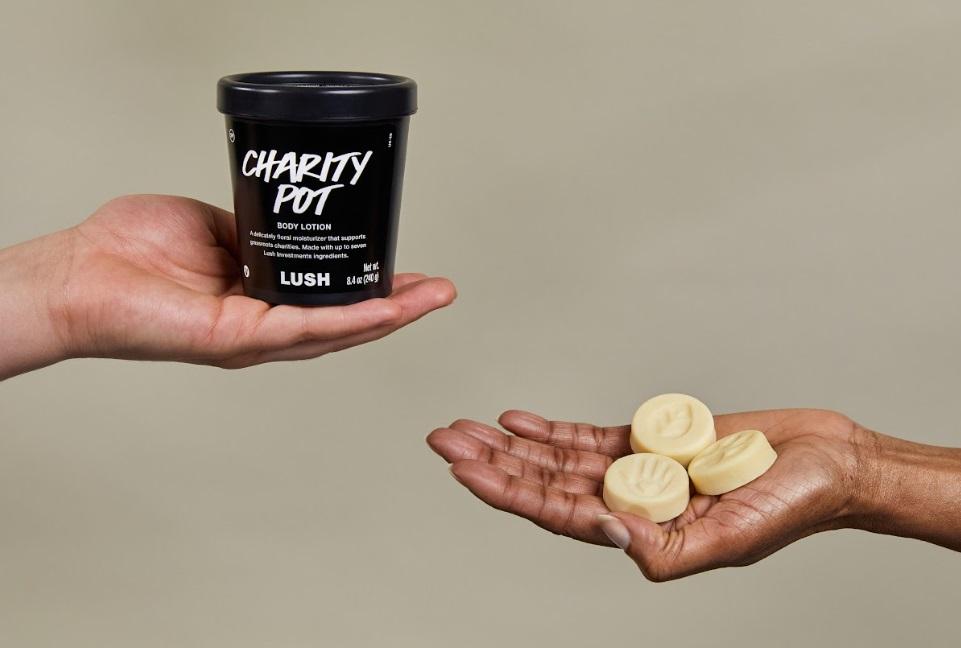
Photo credit: Global Cosmetics News
Why Micro-Influencers Help Lush Cosmetic Social Media Feel Authentic
Many beauty companies invest a lot in celebrity influencers and sponsored content. However, Lush chooses a different path. Instead of focusing mainly on paid sponsorships, Lush collaborates with smaller creators and loyal customers who truly love their products.
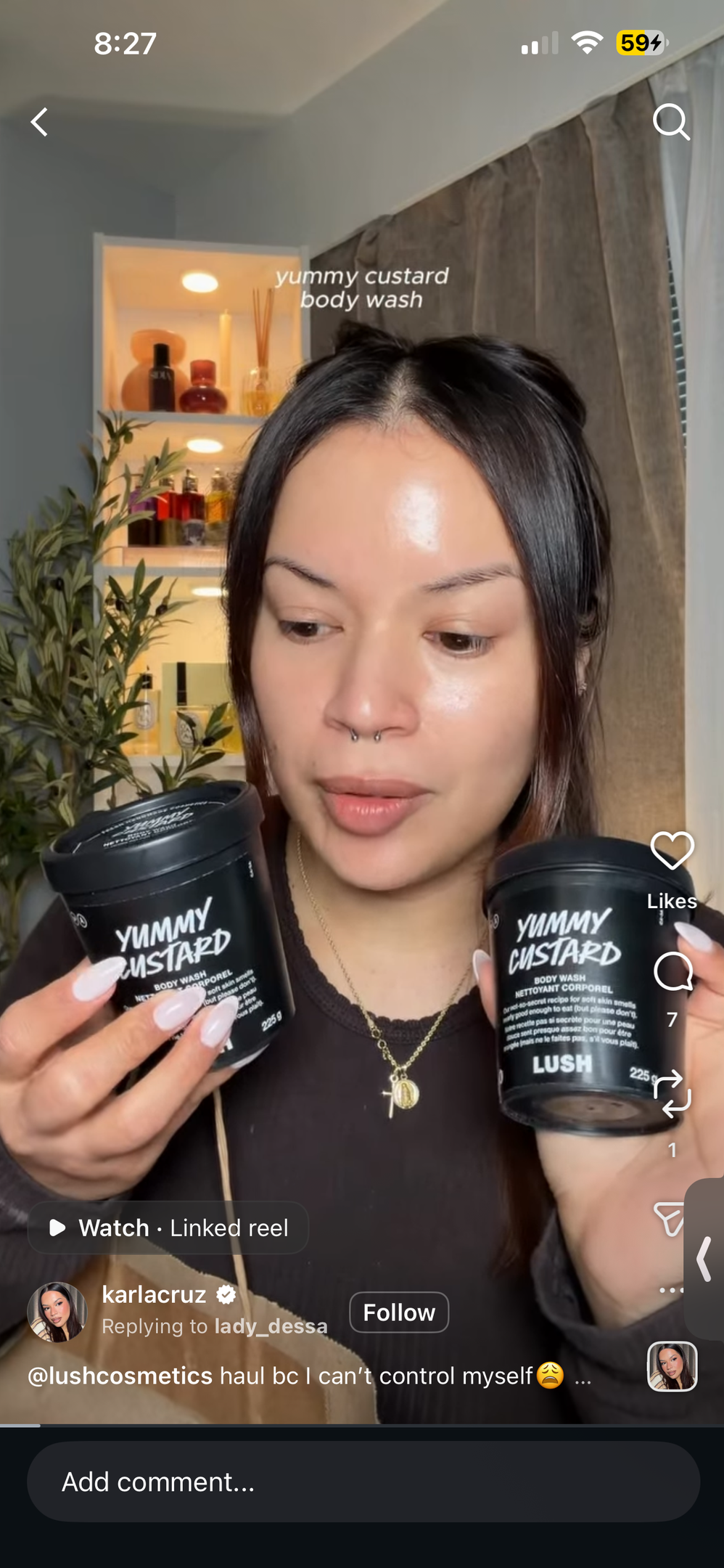
The company highlights what they call “micro-micro influencers,” ordinary people who genuinely love Lush products and enjoy sharing their experiences online.
This approach builds stronger trust because audiences can often sense when content feels authentic versus when it seems scripted or overly sponsored.
Lush has also developed wonderful programs, such as Friends of Lush , to foster closer connections with creators and supporters. These partnerships feel more genuine and community-oriented compared to typical influencer marketing efforts.
Authenticity truly shines through in Lush's social media presence. Customers love seeing real creators who genuinely use the products in their daily routines, rather than just influencers posting ads for money. This approach helps the brand come across as more sincere and relatable online.
This strategy fosters a lovely cycle of connection. Customers love the products so much that they happily share their content.
Lush then shares these creations, making customers feel appreciated and special. This heartfelt acknowledgment encourages everyone to stay engaged and keep sharing more wonderful content, nurturing a warm and vibrant community.
What Brands Can Learn From Lush Cosmetic Digital Marketing on Social Media
Lush Cosmetic Social Media presence reminds us that successful marketing today is all about building real connections. Modern consumers really value authenticity and a sense of community.
As Lush has demonstrated, other brands may follow suit in reevaluating their social media strategies to better align with evolving consumer expectations and ethical considerations. They naturally prefer supporting brands that make them feel genuinely included and understood.
A valuable lesson that brands can take from Lush is the importance of genuinely listening to their customers. Rather than tightly controlling every aspect of their brand image, Lush embraces customer voices and encourages participation in shaping the online conversation. This approach fosters greater engagement and builds a more meaningful emotional connection.
Lush has also collaborated with strategic foresight consultancies like The Future Laboratory to explore ethical and sustainable ways for brands to evolve, ensuring their strategies remain relevant in a rapidly changing technological landscape.
One important lesson is that being authentic matters more than being perfect. While many brands put a lot of effort into creating highly polished content, consumers tend to connect more with genuine experiences shared by everyday people.
Lush shows us that sometimes, user-generated content can surpass even the most costly marketing campaigns in impact. There comes a point where technology and internet use require brands to prioritize positive social change, ensuring that digital engagement supports customer wellbeing and ethical standards.
Ethical branding truly contributes to Lush’s success. These days, customers genuinely care about sustainability, social impact, and transparency. By openly championing causes and activism, Lush fosters a deeper trust and connection with its audience. Lush has issued the Lush Anti-Social Media Policy after whistleblower revelations from the Facebook Files exposed the negative mental health effects of algorithmic feeds on young users.
The U.S. Surgeon General recently issued a warning that social media poses a risk of harm to adolescents, echoing Lush’s concerns about mental health issues linked to these platforms.
Feedback from participants in Lush's Digital Detox Day campaign revealed that many teens struggled to stay offline due to anxiety, FOMO, and phantom alerts, highlighting the pervasive impact of social media on mental health.
Finally, Lush’s vibrant social media presence highlights how community-driven marketing fosters lasting loyalty.
When customers are treated as valued participants rather than mere consumers, they develop a genuine emotional bond with the brand. After leaving social media, Lush has focused on connecting with customers through physical stores and experiential marketing, creating memorable in-store experiences that foster direct engagement.
Lush has also increased its marketing spending significantly to boost customer connection through experiential offerings and partnerships, which require a larger budget than traditional social media marketing. Lush created unique campaigns and products, such as collaborations with Stranger Things and hosting the Lush House event at SXSW, to generate buzz and engage communities both online and offline.
In addition to its marketing innovations, Lush is committed to digital rights and internet access, collaborating with organizations like Access Now and supporting campaigns such as #KeepItOn to oppose internet shutdowns and promote a free, open, and safe internet for digital activists.
This advocacy underscores Lush’s dedication to ethical technology use and the broader impact of the internet on society.
In a digital world filled with constant advertising, Lush Cosmetic Social Media gently reminds brands that the most powerful marketing often comes from creating welcoming spaces where people feel truly connected, valued, and understood.
🪽 Written by Deja Broughton
join 50k marketing girlies
Private Marketing Girly LinkedIn Group
A private community where young women in marketing network, collaborate, and support each other.