
How Immersive Brand Experiences Are Unique: Creating Loyal Communities
May 29, 2026
Immersive brand experiences are everywhere today.
You spot them at pop-ups, creator events, and large brand activations designed for social media. But what makes these experiences memorable is not the event itself; it is the identity behind it.
Typography, colors, messaging, and visuals help create a brand’s lasting impression. Before people attend a pop-up, visit a store, or engage online, they are already deciding whether a brand feels interesting, relevant, or aligned with them.
Brands like Sephora and Ulta Beauty are easy to recognize because of their strong visual identity. They expand these identities. They do this through in-person and online experiences. These are experiences that consumers want to join.
Immersive experiences go beyond engagement or community. They begin with branding and design choices. These choices shape how people feel about a brand before they experience it in person.
From Transactions to Emotional Connection
Traditional marketing like ads, celebrity endorsements, and promotions is still important today. However, people now expect more than just seeing a product.
They want brands that feel clear, consistent, and meaningful. More than that, they want to feel connected to the story behind a brand.
People don't just buy a product. They buy a lifestyle or identity that reflects who they are or who they want to be. This is where immersive brand experiences become powerful. Instead of replacing traditional marketing, they build on it. They turn campaigns into interactive spaces people can be part of.
Marketing isn't about showing a product anymore. It's about building a world that people want to join. This changes how people engage with brands. They are no longer just watching; they are part of the experience.
When Immersive Events Become Cultural Moments
Beauty events are evolving beyond simple brand activations. They are now cultural moments. Ulta Beauty World highlights this in a clear way. In 2026, they drove demand beyond what anyone expected.
Tickets sold out in less than an hour. Millions of people joined the virtual queue for a few spots. People were very excited about the event. It mixed social media trends, interactive shopping, live activities, and special brand areas to get people involved.
Visitors checked out brand booths, joined creator-led sessions, found new products, watched live tutorials, and engaged with immersive installations. Over 200 beauty brands participated alongside influencers and real-time content creation moments.
What makes Ulta Beauty World stand out is how it transforms the brand’s identity into a physical experience. Content, design, and customer interaction all feel connected. It becomes more than a product-focused event. It feels like stepping into beauty culture as it unfolds in real time.
Influencer Communities and Brand Loyalty
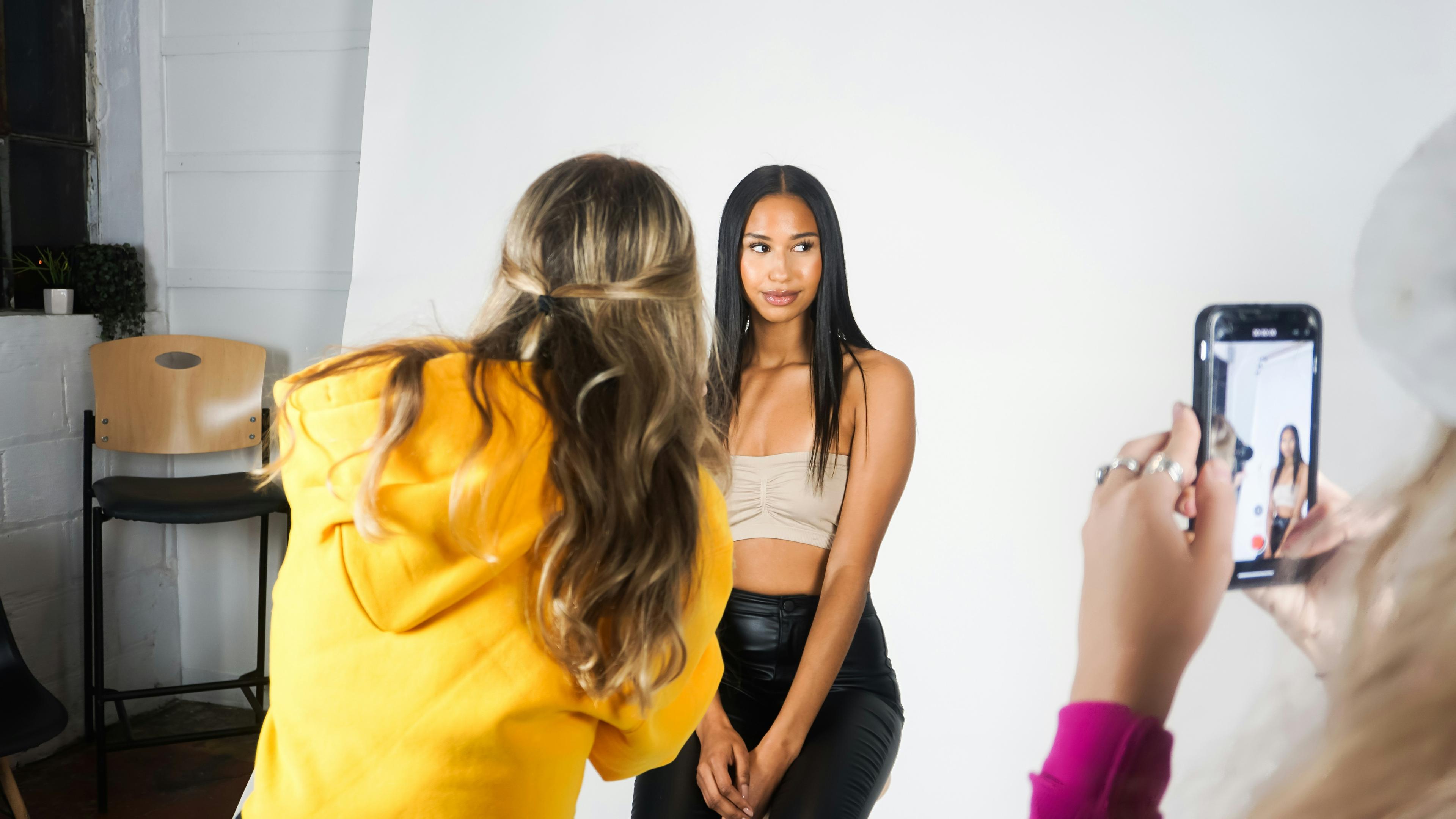
Influencers have changed how immersive marketing works. They are no longer just promoting products; they are helping shape communities built around shared styles, interests, and lifestyles. Brands now inspire experiences that are engaging and connected. This is because audiences often trust creators more than traditional advertising.
This includes creator-led launches, influencer events, interactive tutorials, community meetups, and live brand experiences. These activities encourage you to take part. They’re not just about watching.
These experiences strengthen the bond between the brand and its audience. They also create a sense of community among consumers. Over time, participation builds stronger brand loyalty than ads. People connect emotionally to the experience, not just the product.
In beauty especially, people are drawn to brands that reflect how they want to be seen. Immersive brand experiences deepen that alignment by turning inspiration into interaction, allowing people to engage with the brand in a more active and personal way.
Immersive Experience: Sensory Marketing and Memory
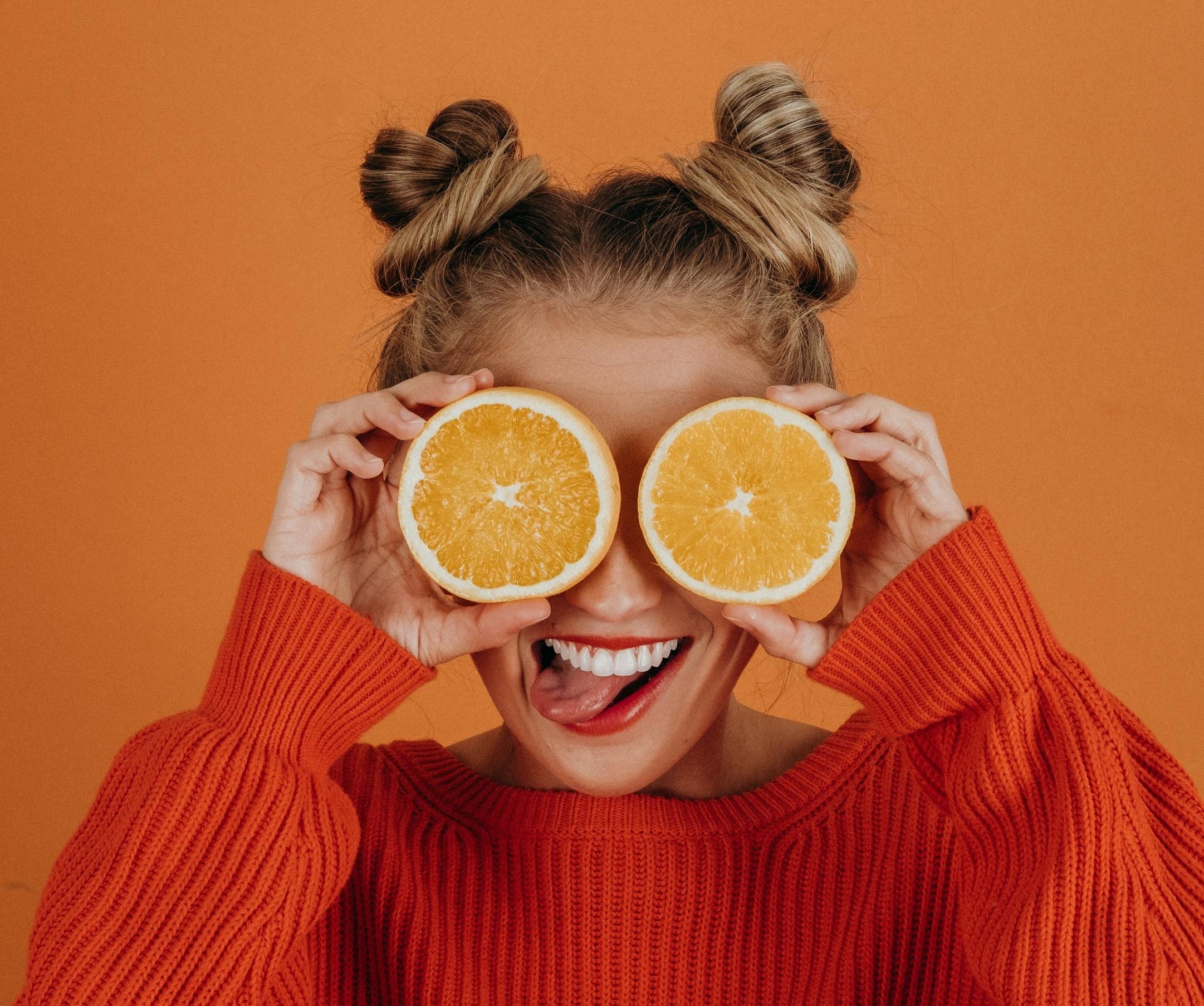
Immersive brand experiences stand out because they engage many senses at once. Instead of only showing people a product, brands create moments that people can see, hear, smell, touch, and remember.
Picture changing lights, oversized displays, and photo ops that create excitement and encourage interaction. These spaces are designed to feel engaging and hands-on.
This is what makes immersive brand experiences unique. Many people share them on TikTok and Instagram. Brand activations are large, highly visual experiences, similar to events like Coachella. People are drawn to moments that feel exciting, interactive, and easy to share, which helps the experience reach far beyond the physical space itself.
Beyond Beauty: Immersive Brand Marketing Across Industries
Adobe MAX brings together designers, marketers, photographers, illustrators, and other creatives in one place. The experience highlights inspiration. It also focuses on learning and teamwork. Everything feels connected from start to finish.
OLIPOP takes a different approach. It builds a strong emotional connection through branding, consistent visuals, and lifestyle storytelling. A simple beverage fits into a familiar look and everyday routine that people can easily relate to.
Here are examples of immersive brand experiences. They show its use in different industries. Sometimes it is a large creative gathering. Other times it is a product that fits into daily life. In both cases, the goal is the same: to create experiences that feel meaningful and easy to connect with.
The Identity Behind the Interactive Experience
Think about the last brand experience you remember. It was probably not just the product; it was the feeling, the people, the space, and the energy. Branding, visuals, and online content create curiosity long before the moment happens. By the time people arrive, the experience already feels familiar.
Brands are changing how they reach audiences. They are using events and creator experiences. These moments are not just about what people see or buy; they are about what they remember afterward.
People take photos and videos at these events, but they also leave with a feeling connected to the brand. That feeling is what lasts. It is what gets shared, remembered, and brought up long after the experience ends.
In today’s digital world, people look for authenticity, real connections, and memorable interactions with the brands they love. These experiences also create a sense of community, where people feel part of something bigger than just the product.
🪽 Written by Mel Lashae Johnson
join 50k marketing girlies
Private Marketing Girly LinkedIn Group
A private community where young women in marketing network, collaborate, and support each other.