
Graduated… Now What? 5 Creative Strategy Tips for What's Next
Jul 24, 2026
While graduation is so exciting, it can also feel overwhelming and scary.
If you have found yourself in a state of “what am I doing with my life???”, don’t worry, you are not the only one feeling that way. It can feel like you need to know your five-year plan when you don't even know what tomorrow looks like.
It is easy to feel lost and overwhelmed, that’s why today we are going to try on a new job title. We are retiring the title of “unemployed, lost, post-grad girlie” and taking creative agency over our lives.
Stepping into the role of creative strategy director and the marketing team of our lives. Applying your personal creative strategy to identify what your focus needs to be to achieve your overall objectives in life.
1. Build Your Brand Identity
Creative strategy starts by looking at the big picture, ask yourself, “What kind of life do I want?”. Reflecting on the following questions will help you create clear objectives and a better idea of the future you want to build for yourself:
-
What do I care about?
-
What are my priorities?
-
What are my values?
-
What does success look like to me?
-
What kind of people do I want to be around?
-
What industry energizes and excites me?
-
What brings me joy?
-
What creative assets do I possess?
Answering these questions helps you better define the direction you want to go. Allowing you to be more intentional when pursuing future opportunities and developing a clear understanding of where you want to go in life.
If you want to dive deeper into building your personal vision for your life, you can check out this workbook called Designing Your Life. It will help you put your creative efforts in a unified direction that is working towards discovering your primary objectives in life.

2. Your Personal Brand Strategy Where You Are The Creative Director
A key part of creative strategy is brand positioning, and today we are looking at your personal brand. This is where you try to come up with your primary message or big idea about yourself. We are asking ourselves, “What makes me unique?”
Ask yourself the following questions to get a better idea of the strengths you bring to the table:
-
What value do I bring?
-
What differentiates me from others?
-
What problem do I solve?
-
What quality of mine stands out to others?
-
What great ideas do I have?
When you are aware of your value, you are able to live in a way that promotes it and create your own brand strategy. Allowing your personal brand to become known for the value you add and attracting opportunities aligned with your skills. Think of it as creating marketing campaigns for yourself that help you reach your own target audience.
To learn more about the importance of your personal brand, check out the following article “Personal Branding: What It Is & Why It Matters”. Through this process you learn how to create a campaign and advertising for your personal brand.
3. Creative Strategists Don't Always Meet Business Goals
Brands can do all the research, hire the best people, use the perfect creative strategy, and still, things don’t always turn out as they expected. Even when they don’t, they provide valuable insights and learning opportunities for the future.
It is important to continuously refine and reflect to produce high-quality content and creative projects. Identify success metrics and pain points in your life to help guide you in what is working effectively.
Don’t be afraid to not follow the “plan” you had or the expectations others may put on you. This season looks different for everyone. Take advantage of any opportunities that come your way.
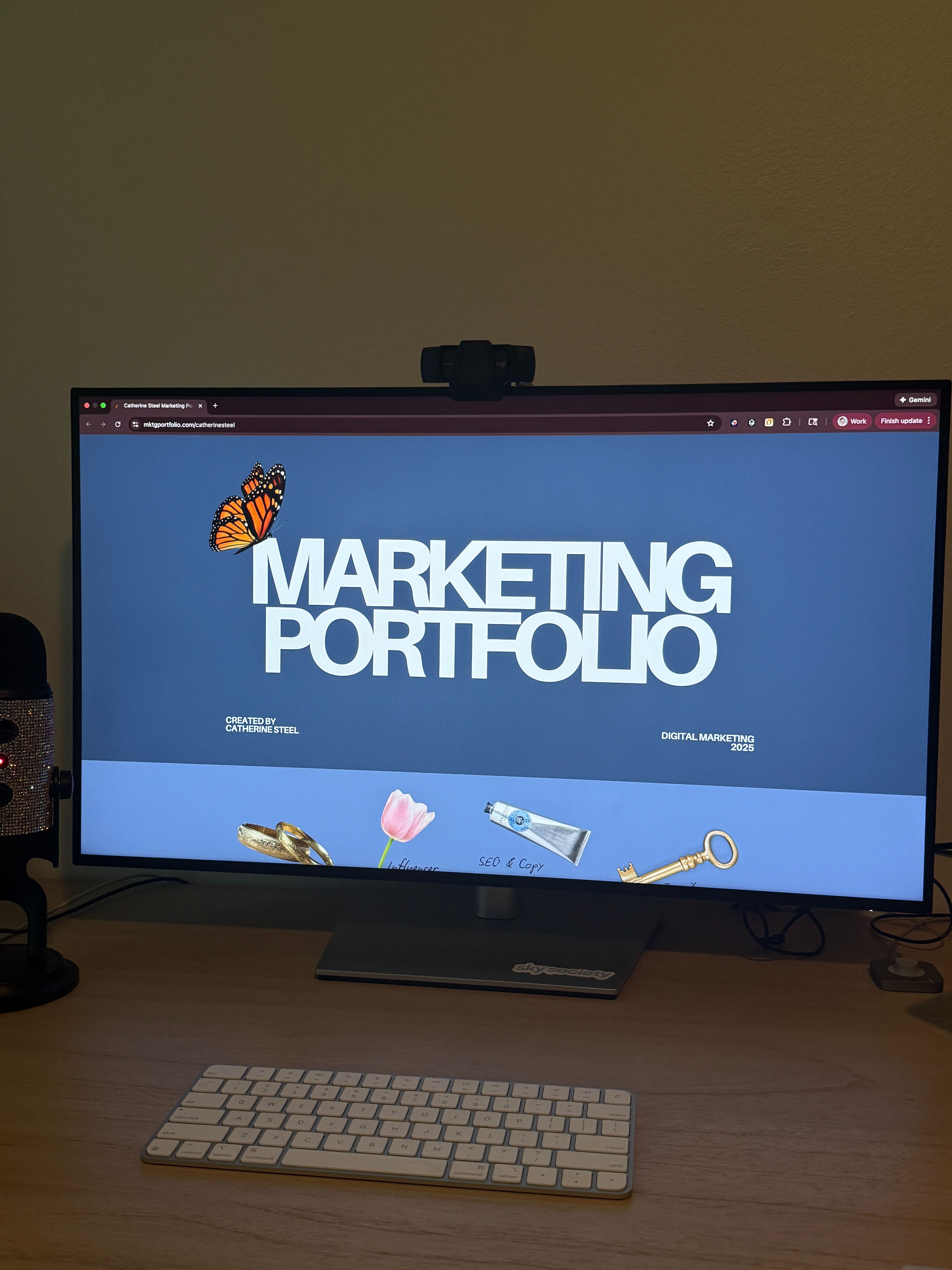
This may be internships, volunteer opportunities, certifications, independent projects, freelance work, or even the Sky Society Marketing Accelerator. Dive into creative concepts and create campaigns to help reach your business objectives.
Using a creative strategy ensures you have to test, change, pivot, and analyze. Your 20’s should be the same way, filled with creative elements. Collect the data, test, change, pivot, and analyze.
4. Using Creative Marketing Strategy to Market Yourself
A huge part of a solid creative strategy is using it to engage others with your brand. During this time, take advantage of platforms you can use to connect with your audience and show others evidence of your learning and growth.
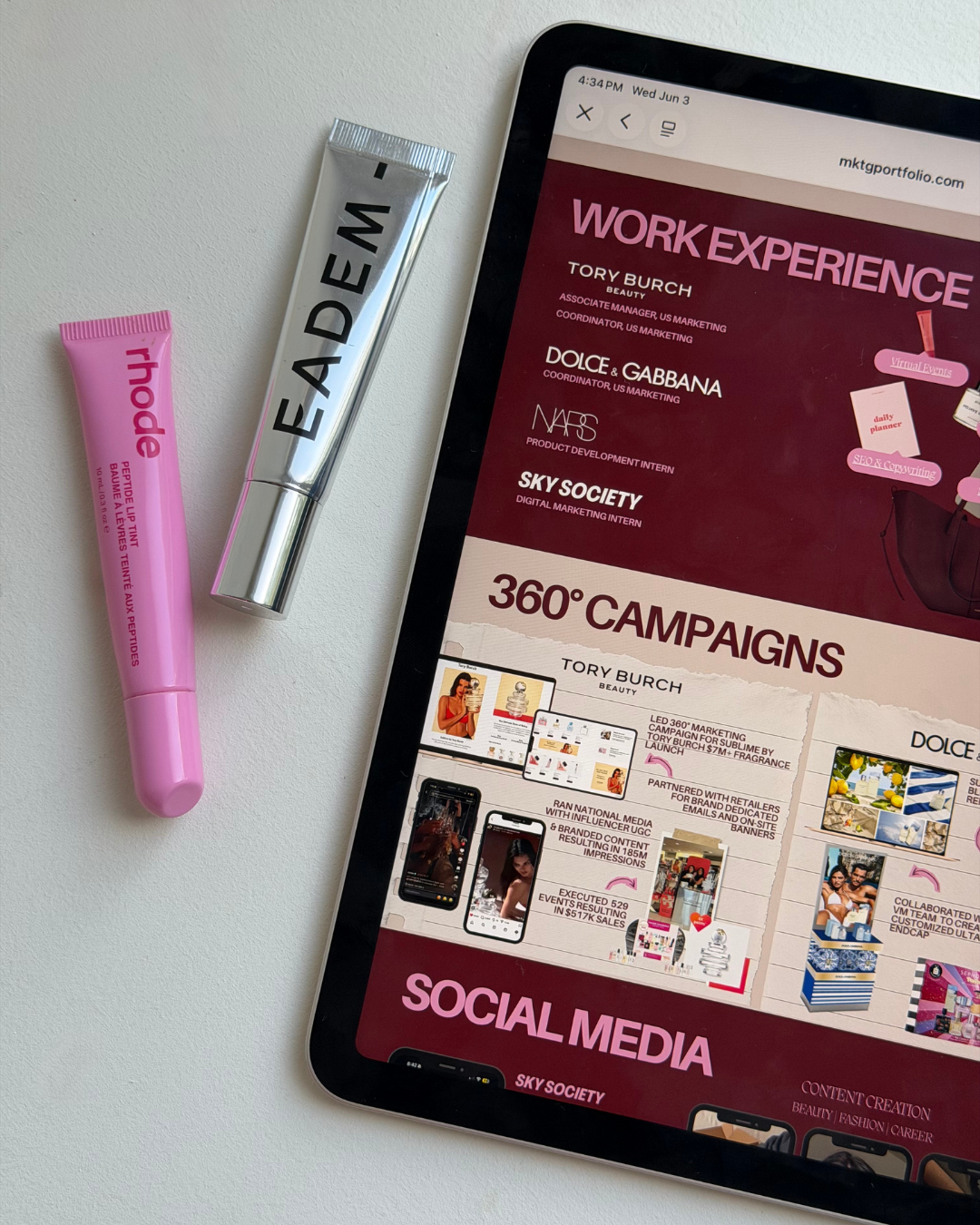
This could include creating content on TikTok, making LinkedIn posts, sharing your portfolio, making a blog, or a newsletter. It is important to create a content strategy and creative strategy statement for your own creative work.
When creating this content, make sure to carry through your personal vision and personal brand throughout. Allowing others to see your value, goals, and potential through your online presence. Deliver creative output and a marketing message by creating a landing page for everything about yourself.
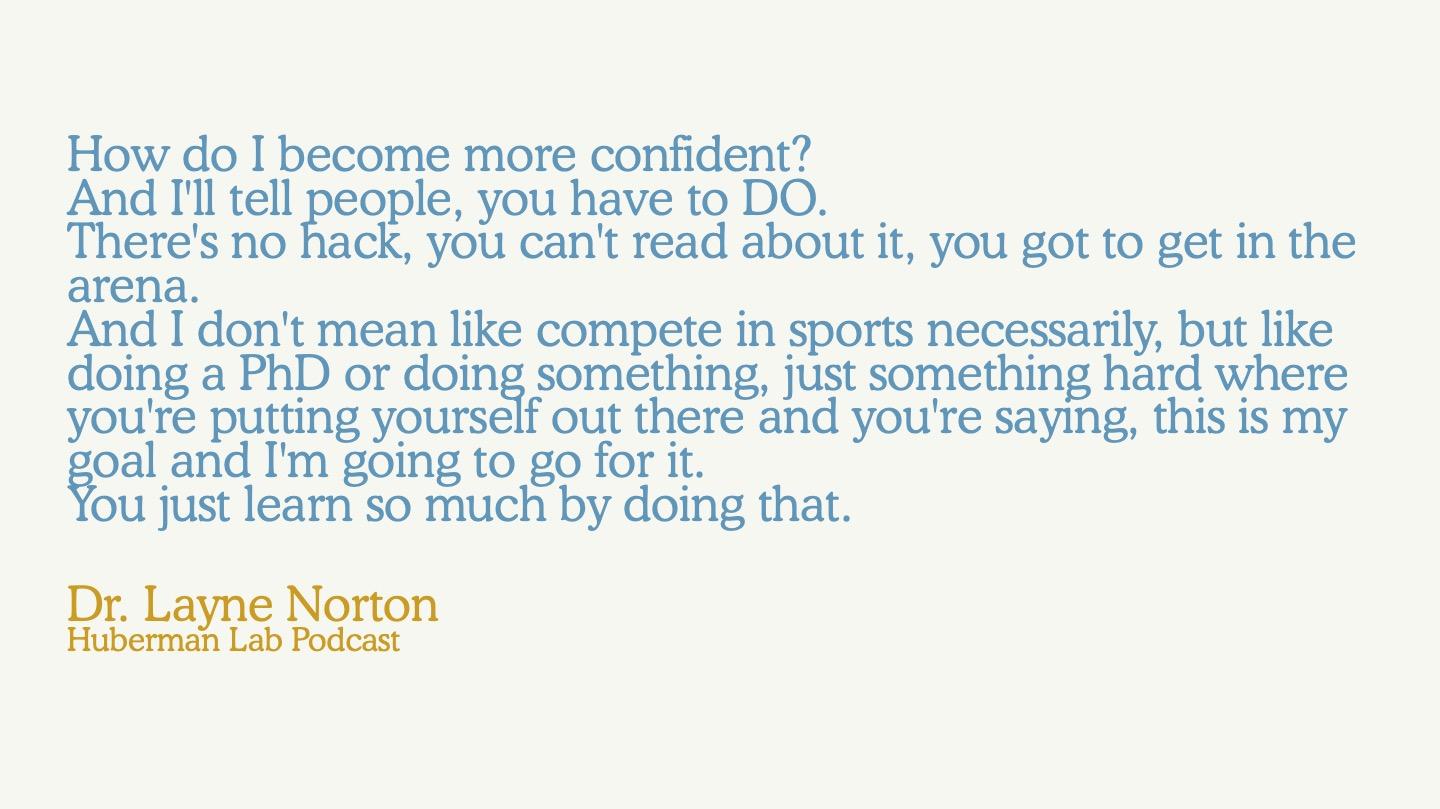
Something that I heard recently on an Andrew Huberman Podcast Episode was someone getting asked how to become more confident, and he responded that the only way is to “do”. You have to have action and be doing something to gain confidence. Take advantage of this time and “do” something!
It is easy to consume so much content every day about career advice. Remind yourself of the importance of “doing” and creating something every day as well. This can be things as simple as one Canva graphic, one portfolio project, one LinkedIn connection, a message, or a post. This work will all come together to help tell a story of who you are and your experience.
5. Do Market Research For Your Career
Every day is an opportunity to build a network in your life. Use genuine curiosity to build meaningful relationships with people before you may even “need” something. Take advantage of opportunities to learn about business goals, career paths, and winning strategies.
Ask questions such as "What has been the most rewarding part of your career?" or "What skills have helped you succeed in your role?" to help gain knowledge and build a relationship. You can also prepare for networking events by pulling questions from the following document, “32 (actually) interesting networking questions you could ask instead”.
Networking also doesn’t have to always involve professionals at an event or LinkedIn connections, but can also include:
-
Friends
-
Professors
-
Peers
-
Internship supervisors
-
Coworkers
-
Alumni
-
Creators in your industry
-
People you meet at conferences
-
Professionals you admire online
These should be people who challenge you to grow, inspire you, and help you level up. Creative Strategy is collaborative and is most successful when it is a group effort. Don’t shy away from learning from others and creating a team to support you.
You never know where one conversation may take you, today, or many years down the road. It is important to build these relationships early on, investing in a network that can support you long-after your post-grad years. An effective creative strategy isn’t about building ideas, but it is about building relationships.

The Big Idea
Post-grad isn’t about having everything figured out; it's about having a strategy that is able to grow with you. A strong creative strategy connects with others, evolves, and has a clear goal and vision. It starts with building your brand identity, creating your brand strategy, reflecting, marketing yourself, and connecting with others.
I challenge you to use a creative strategy to create a clear understanding of your overall objectives in life and actively work towards them. When you are feeling lost, come back to the role of creative strategy director of your life, and make intentional choices that bring you closer to the life you want.
🪽 Written by Jules Winzeler
join 45k marketing girlies
Private Marketing Girly LinkedIn Group
A private community where young women in marketing network, collaborate, and support each other.