
Goodbye Clean Girl, Hello to the Y2k Nostalgia Obsession
May 29, 2026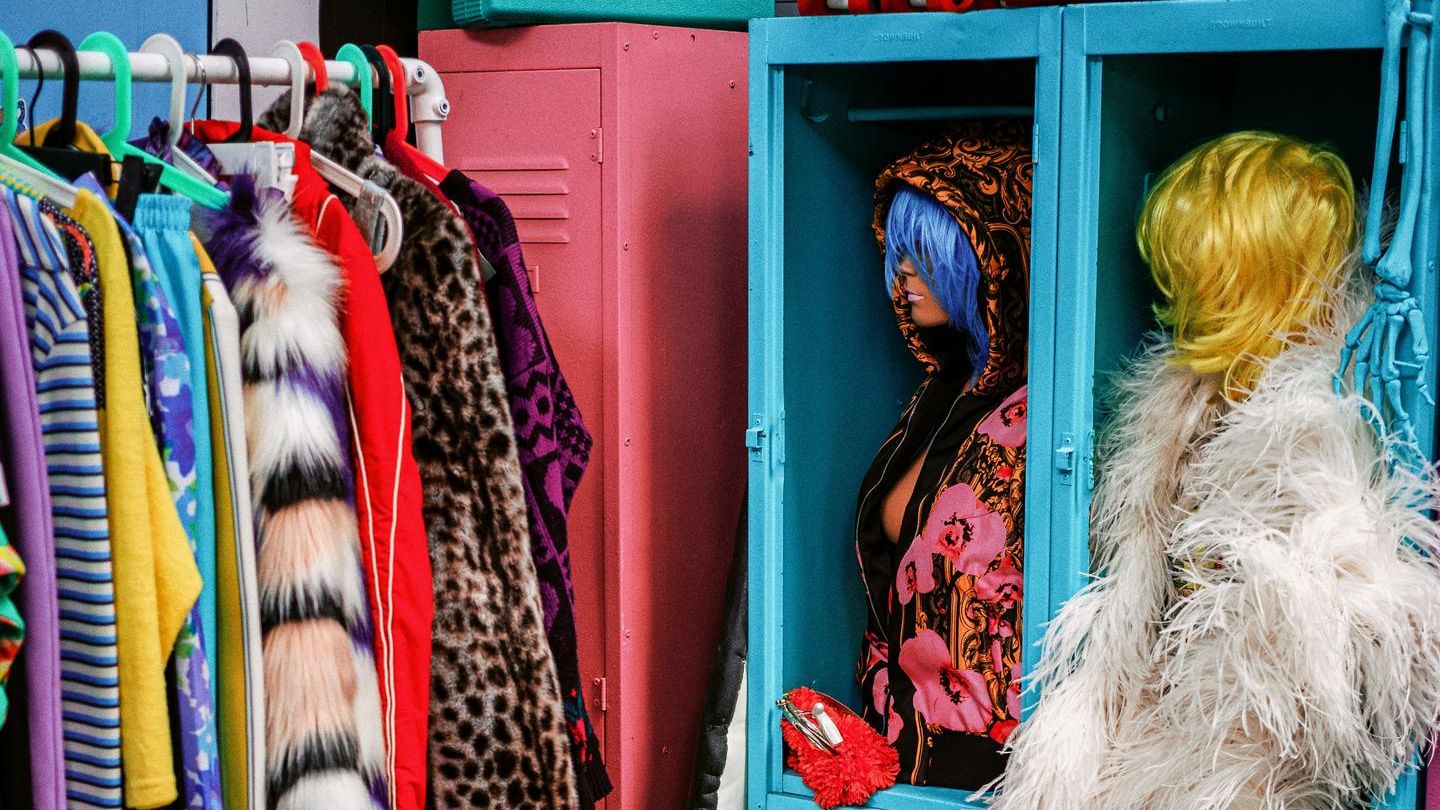
It's undeniable that Y2K nostalgia has been continuously peaking since the pandemic; it's the aesthetic people are hunting for on Depop, saving on Pinterest, the topic of countless beauty articles, and the inspiration for TikTok creators in beauty, fashion, media, and more.
Zara Larsson's over-the-top makeup and Carrie Bradshaw's stand-out mules are at the top of every search engine, and thrifting for vintage Y2k clothes is what every cool girl is doing.
Gen Z has made it the most popular era of the mid-2020s despite being the generation with the smallest connection to the time. Perhaps the decade with the clearest, definitive style, Y2k relied on hyper-expressive aesthetics and fashion inspired by the optimism of the time.
From butterfly clips to low-rise jeans to baby tees, the fashion industry and personal style have come full circle back to the optimistic and carefree 2000s. Along with this loop has come the resurgence of personal branding and individuality.
The Death of the Clean Girl Aesthetic
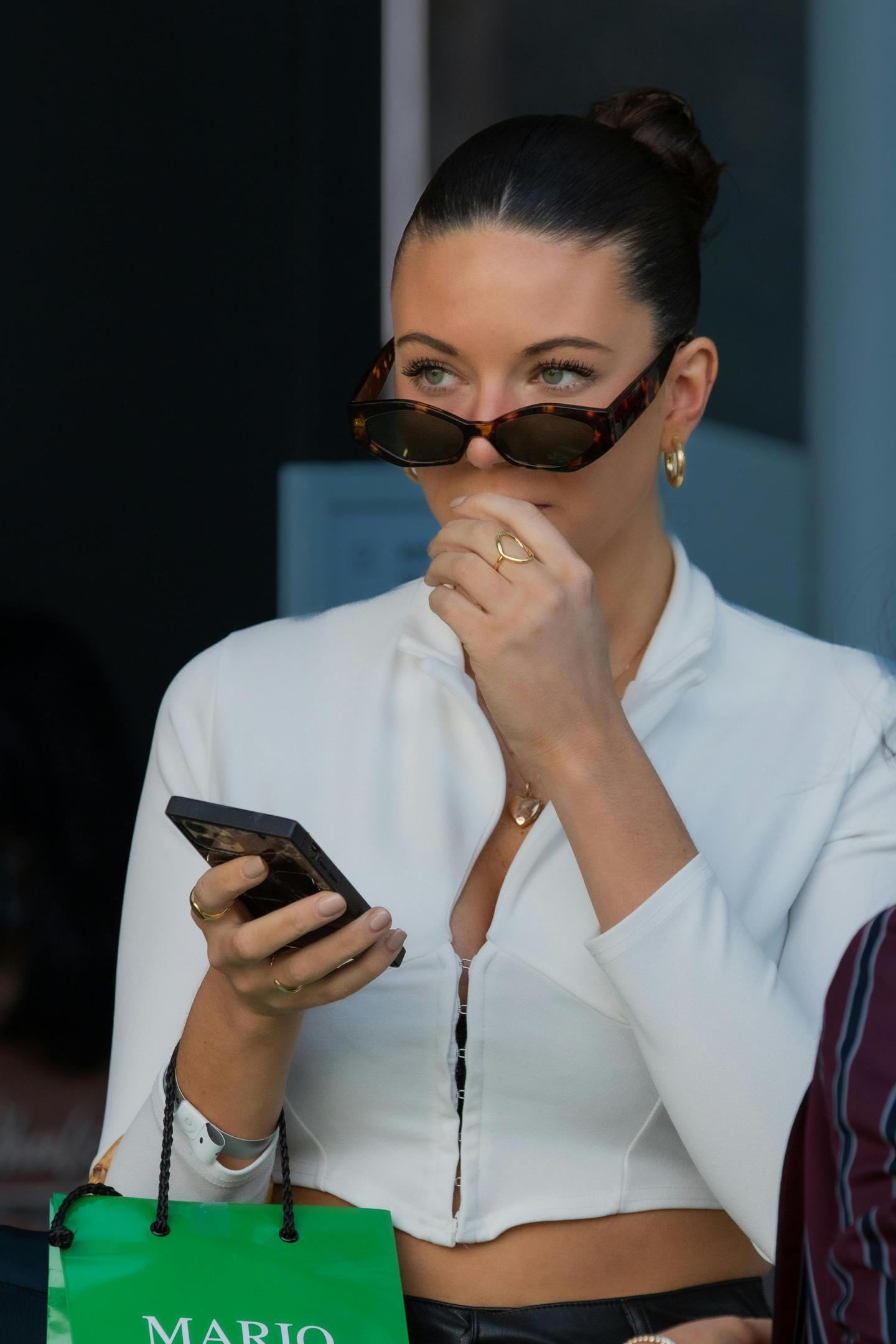
In the post pandemic world, the Y2k aesthetic was bubbling under the surface while the Clean Girl Aesthetic took the main stage. Characterized by slicked back buns, minimalist style, and fresh-faced makeup, the Clean Girl took over in 2021 and 2022, led by the one and only Hailey Bieber, of course.
Minimalism was in after everyone had spent the better part of a year trapped in their homes, faced with the hoards of things collected in the late 2010s. The Clean Girl aesthetic appealed to those with a desire to create a look that reflected their desire to simplify their lives, while still looking good.
Society was tired of the colorful, over-the-top cut creases and the over-accessorized looks popularized by celebs at huge events like Coachella. As time passed, moving into the mid 2020s, there began to be pushback against the Clean Girl.
Some focused on the lack of inclusivity of the mostly White trend, while others simply wanted to bring more joy and color into their lives as society was getting more and more...complicated.
By late 2025, the Clean Girl while still present, was slowly being pushed out for Y2k nostalgia as celebrities like Bella Hadid began appearing in low rise jeans, full denim fits (Ala Britney Spears), and playful, bright colors.
The Desire for Fun and Freedom
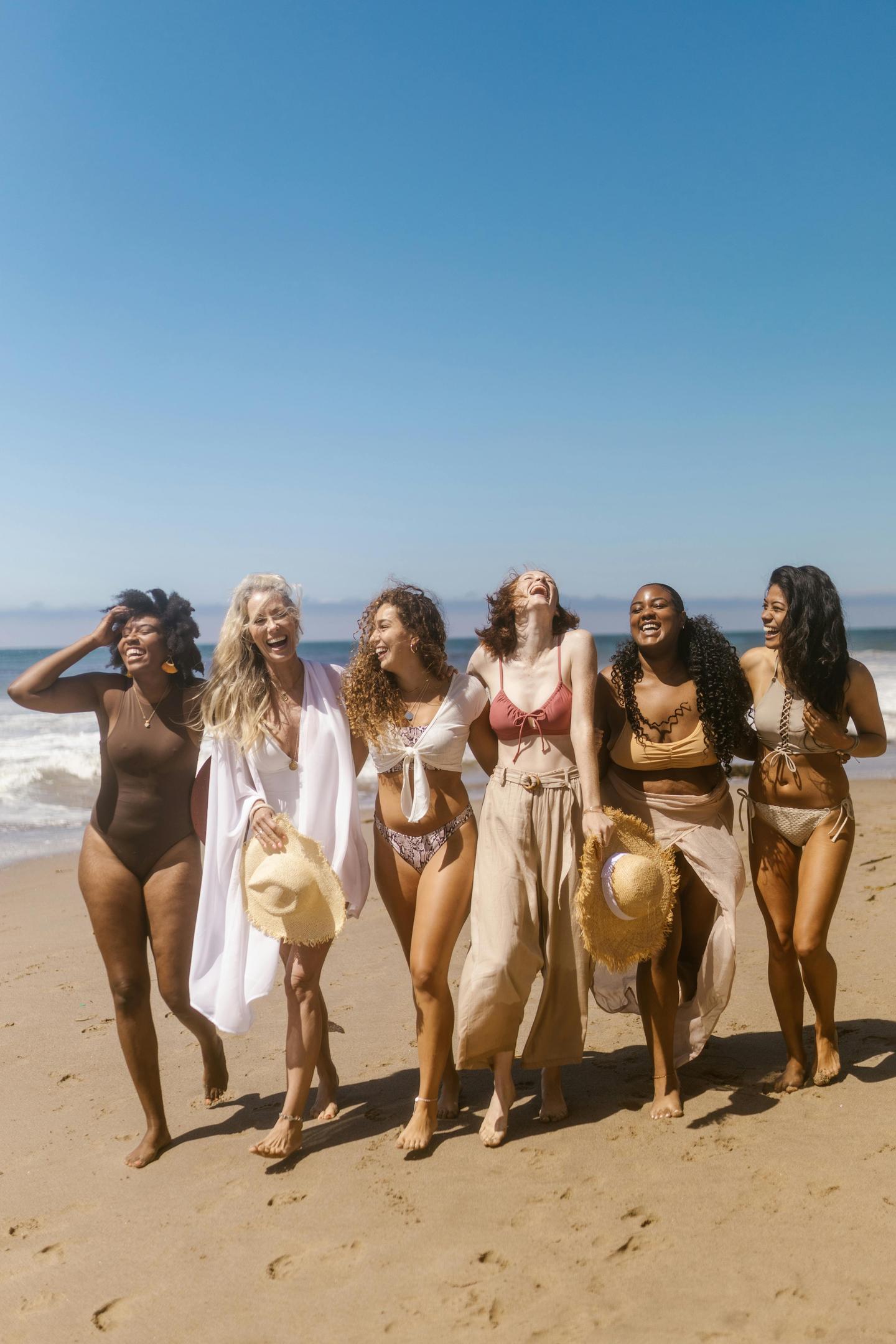
Today's teens and young adults are under constant pressure and information overload. There's a cultural Y2K nostalgia because it felt more freeing, less strict, and those whose styles are being emulated today were often teenagers who didn't have to deal with the same challenges of the world that today's teens can't escape from, thanks, in part, to social media.
The pop music of the time was as individual as the style, with new genres constantly becoming popular thanks to channels like MTV, and technology was becoming more and more individualized with the explosion of cell phones and tech that wasn't as boring as the desktop computers of the past.
Psychologists have even studied the Y2K nostalgia that's exploding among Gen Z and Gen Alpha. Most of it is linked to the desire to feel safer and more carefree. Expectations have been placed on these generations for everything from how they handle current events to what they wear.
Looking back on a time where it felt like there were no rules, where everything was about having fun and living life to the fullest, it makes sense that there would be such a desire to return to that. A desire to be allowed to do whatever they want and maybe, more importantly, look however they want.
Return of the Y2k It Girl: Carrie Bradshaw
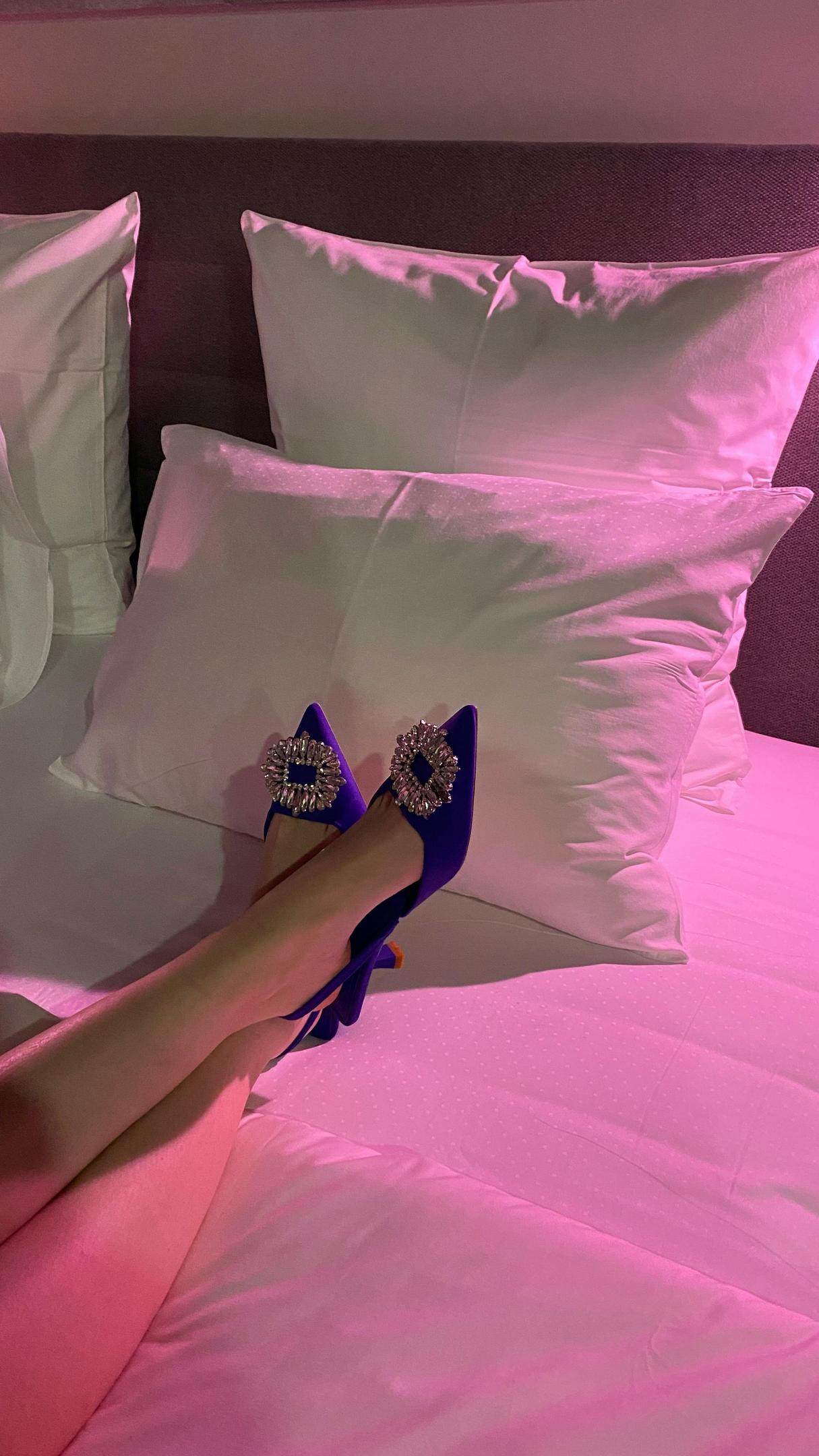
Search the name of one of the most iconic fictional women on TikTok, and there will be thousands of results for videos on how to dress like Carrie Bradshaw. Sex and the City defined the turn of the millennium, and Carrie Bradshaw, with her designer heels and high fashion outfits, is one of the biggest pop culture icons for Gen Z even if they weren't around to experience her live.
What sets Carrie apart from those who have come and gone from the mainstream spotlight is her never-ending stream of bold outfits that show off her individual style and personal branding. She dressed how she wanted to, not based on influencer trends and strict aesthetics. Twenty years later, lists of her most iconic outfits are still being published, a testament to how long-lasting individual style can be.
Carrie also showed that having fun and dressing based on personal style wasn't something reserved for those in high school and college, that personal branding could last into the real world, where Gen Z has now been taught to focus on always maintaining professional standards.
Leader of the Y2K Renaissance: Zara Larsson
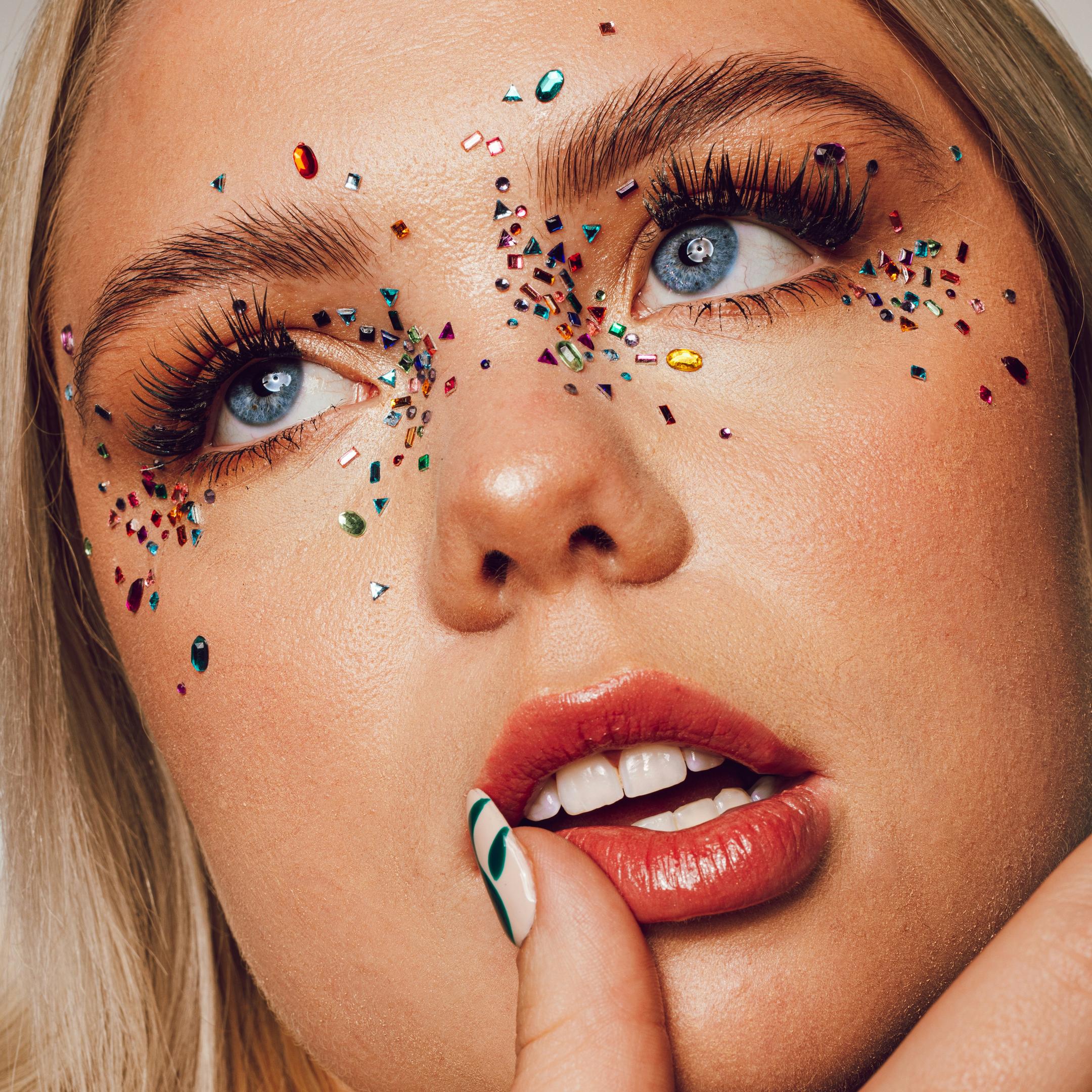
Euphoria may have brought bedazzled makeup back into the mainstream, but Zara Larsson and her makeup artist, Sophia Sinot, made an entire new generation run to Amazon to order rhinestones to stick to their face. The Midnight Sunsuperstar has made an entire brand of Lisa Frank Y2K nostalgia.
Covered in colorful outfits, shiny makeup, and Paris Hilton-like blonde hair, it's impossible to think of cartoon dolphins, bright yellow, pink, and blue, or every Y2K fashion trend without thinking of her. She's a history lesson on everything the girls were doing in the early 2000s for those who missed out on the novelty of embracing creative outfits and fun energy used to show off their identity.
The Rebirth of Personal Branding
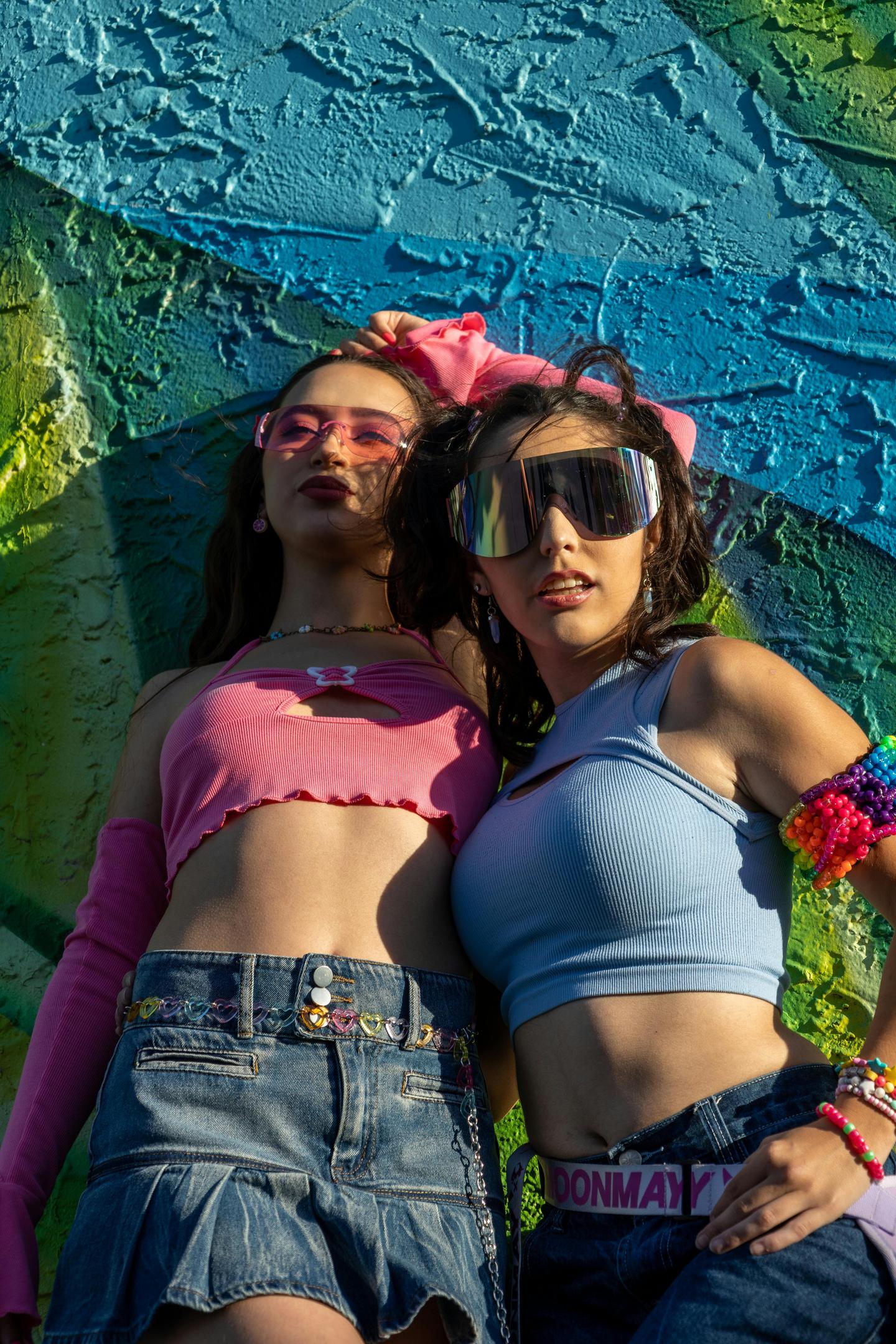
Where does all of this Y2K nostalgia come from and lead to? The fashion of the early 2000s was bold, lawless, and all about a person's own personal branding.
Of course, there's always been influencers and celebrities leading trends, but there was a huge focus on accessories and making individual looks that matched personality during this era. Somewhere along the way, this desire for personal style was lost as every year there were new aesthetics given to young generations to copy.
While Y2k is its own aesthetic, it's an aesthetic built off of being individual, of having a personal brand that is showcased through the outfits, makeup, hair, and the accessories someone decides to put on every morning. Social media has become so individual that everyone is allowed to have their own personal brand and style again.
In a time where everything is feeling out of control, the ability to have control over personal brand is something that may seem small, but is being shown over and over again as incredibly important. So whether the style element is rhinestones like Zara, heels like Carrie, headbands like Blair, or heart glasses like Lena, everyone can create their own Y2k Nostalgia moment and personal brand.
🪽 Written by Lena Miller
join 50k marketing girlies
Private Marketing Girly LinkedIn Group
A private community where young women in marketing network, collaborate, and support each other.