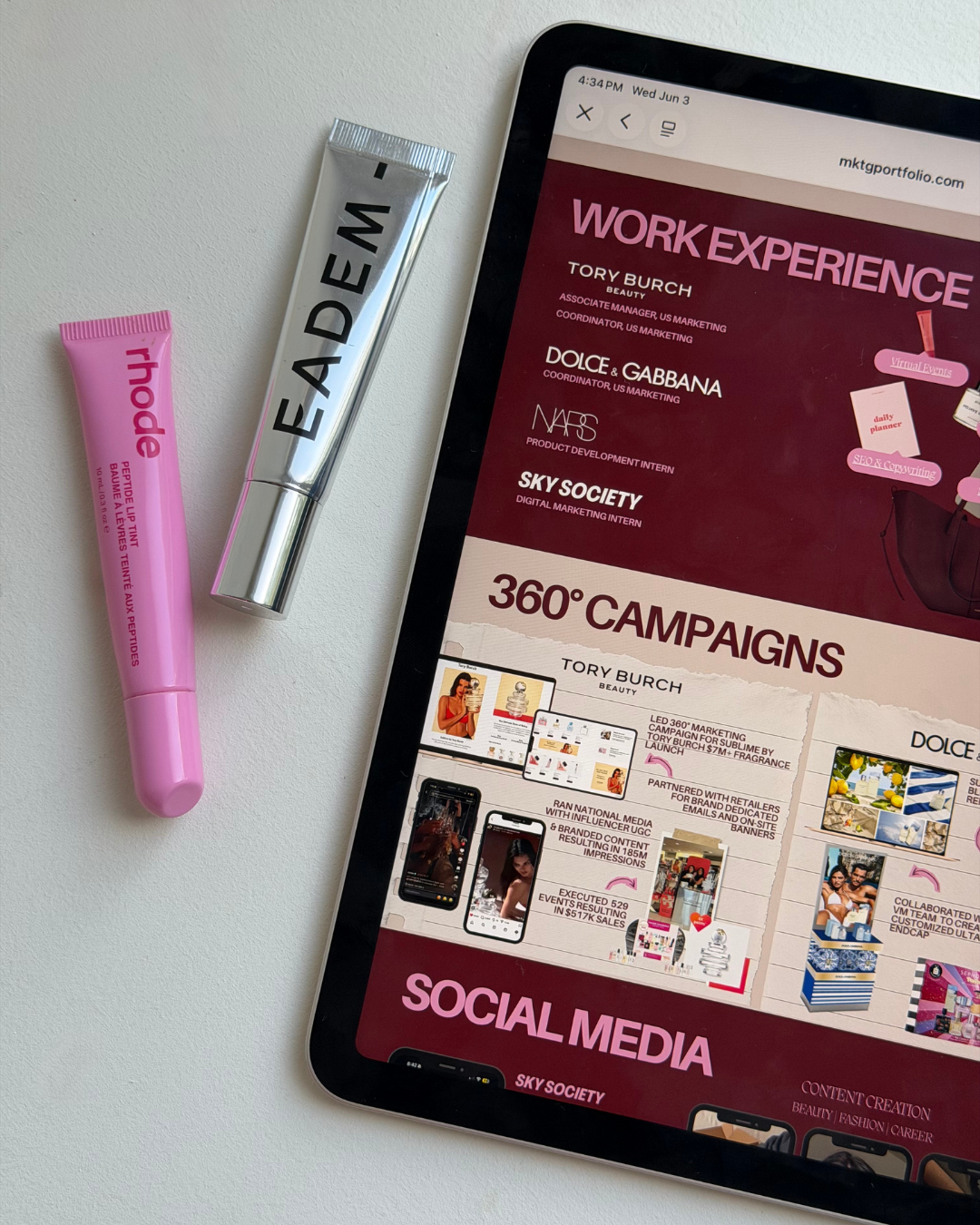

The New Era of Generation Z Beauty and Brand Marketing
May 29, 2026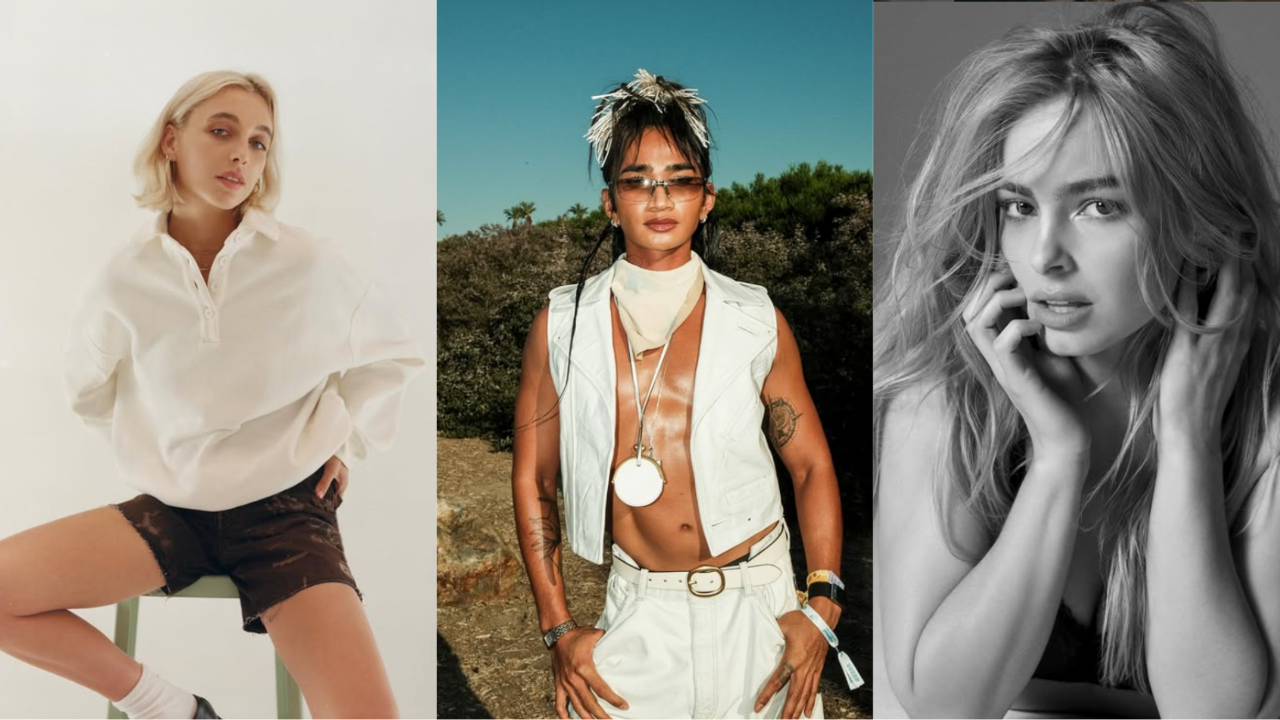
Born between 1997-2012, Generation Z is the first generation to grow up alongside social media.
Having spent most of their time online, Generation Z has become more aware of digital ads and more selective about the content and brands they choose to support
Generation Z beauty consumers are not only shaping trends, but also changing the way beauty products are discovered and purchased.
Through different social media platforms, Generation Z has pushed away traditional marketing by focusing more on authenticity, influencers, and online communities. In this article, we will explore how Generation Z beauty is changing the way brands market their products
Why Social Media Matters in Generation Z Beauty

Before social media, beauty brands relied heavily on traditional marketing channels to promote products and build brand awareness, such as TV commercials, magazine advertisements, celebrity endorsements.
They also used large-scale physical campaigns in malls and major cities to increase brand visibility and attract consumers
Today, beauty brands have started leaning toward influencers and social media platforms, bringing many more opportunities and challenges with them.
Platforms like Instagram and TikTok allow beauty products to reach millions of users within a short amount of time through influencers, tutorials, and UGC (user-generated content). Beauty brands have learned to adapt to social media by creating more interactive and community-driven experiences for consumers
Generation Z Beauty consumers are now easily search products they are interested in and watch reviews, skincare routines, makeup tutorials, and everyday product usage tips before making purchasing decisions.
As Generation Z continues consuming more social media, brands have started shifting their marketing strategies toward social-first platforms and digital content to remain relevant in today’s market
The Rise of Short-Form Content in Generation Z Beauty
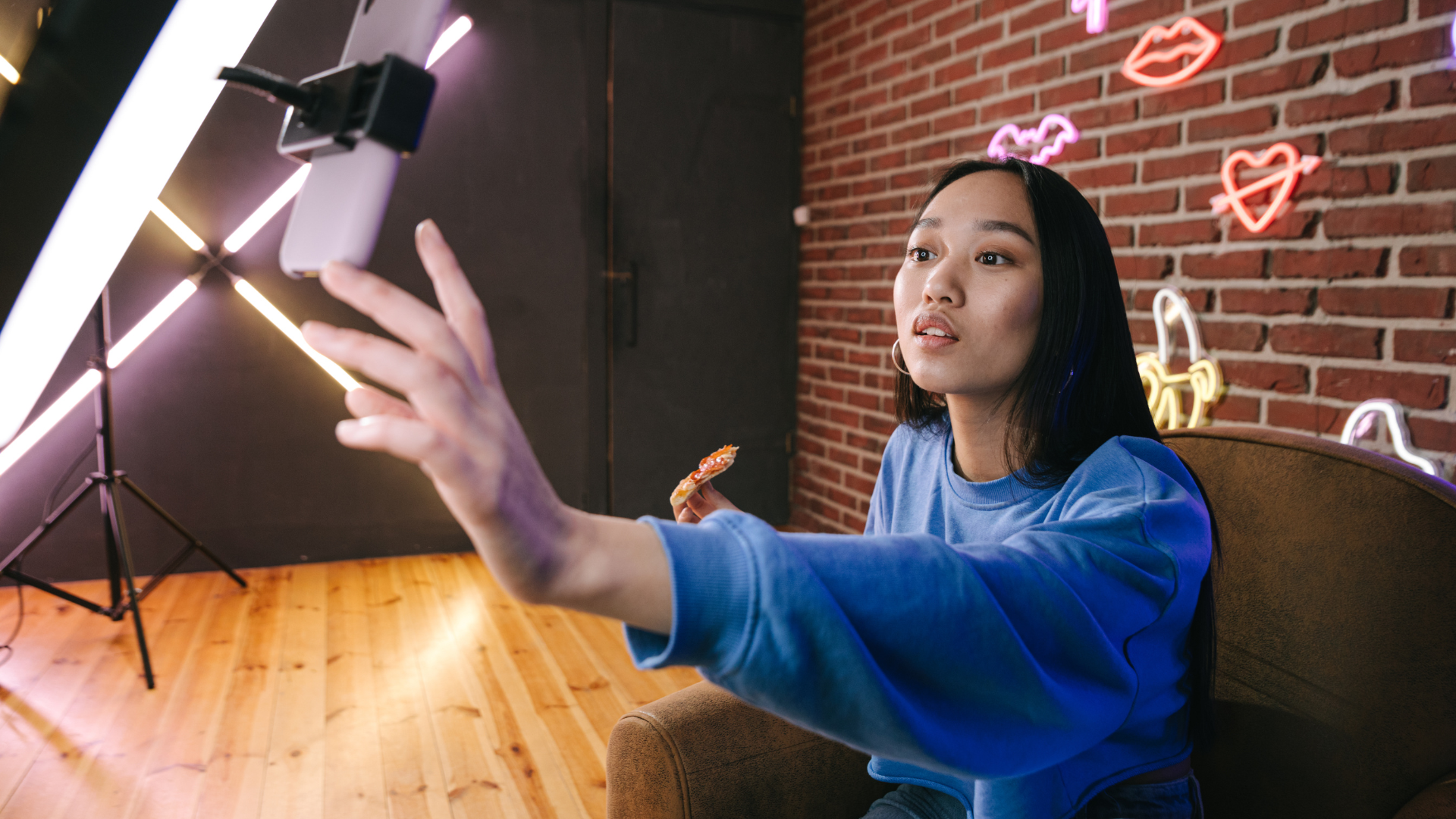
Short-form videos now play a major role in Generation Z beauty marketing. Consumers nowadays do not always have time to watch long-form content to decide which foundation or mascara works best.
Instead, short-form content delivers messages faster through vertical videos that are easier to consume and follow, changing the way beauty consumers discover and engage with products online
Every creator has their own way of delivering content, making it more attention-grabbing and authentic to Generation Z beauty consumers.
This style of short-form content also allows beauty trends to spread rapidly across social media platforms, where a single viral video can quickly increase product awareness and create high consumer demand within days.
With this insight, beauty brands have started investing and tactile more on creators to stay relevant and competitive online.
HubSpot’s 2026 State of Marketing survey revealed that short-form video content creates one of the highest ROIs, outperforming many other content formats.
Authenticity Plays a Huge Role in Gen Z Beauty Purchases
Generation Z Beauty values authentic marketing over traditional advertising.
Growing up constantly exposed to ads has made Generation Z consumers more aware of overly polished campaigns, causing many to prefer relatable content and transparency instead.
Influencer marketing continues to play a major role within the beauty industry because creators have learned how to build strong emotional connections with their audiences.
Many influencers openly share their real skin texture, acne journeys, and personal experiences online, helping their content feel more trustworthy and relatable to Generation Z beauty consumers.

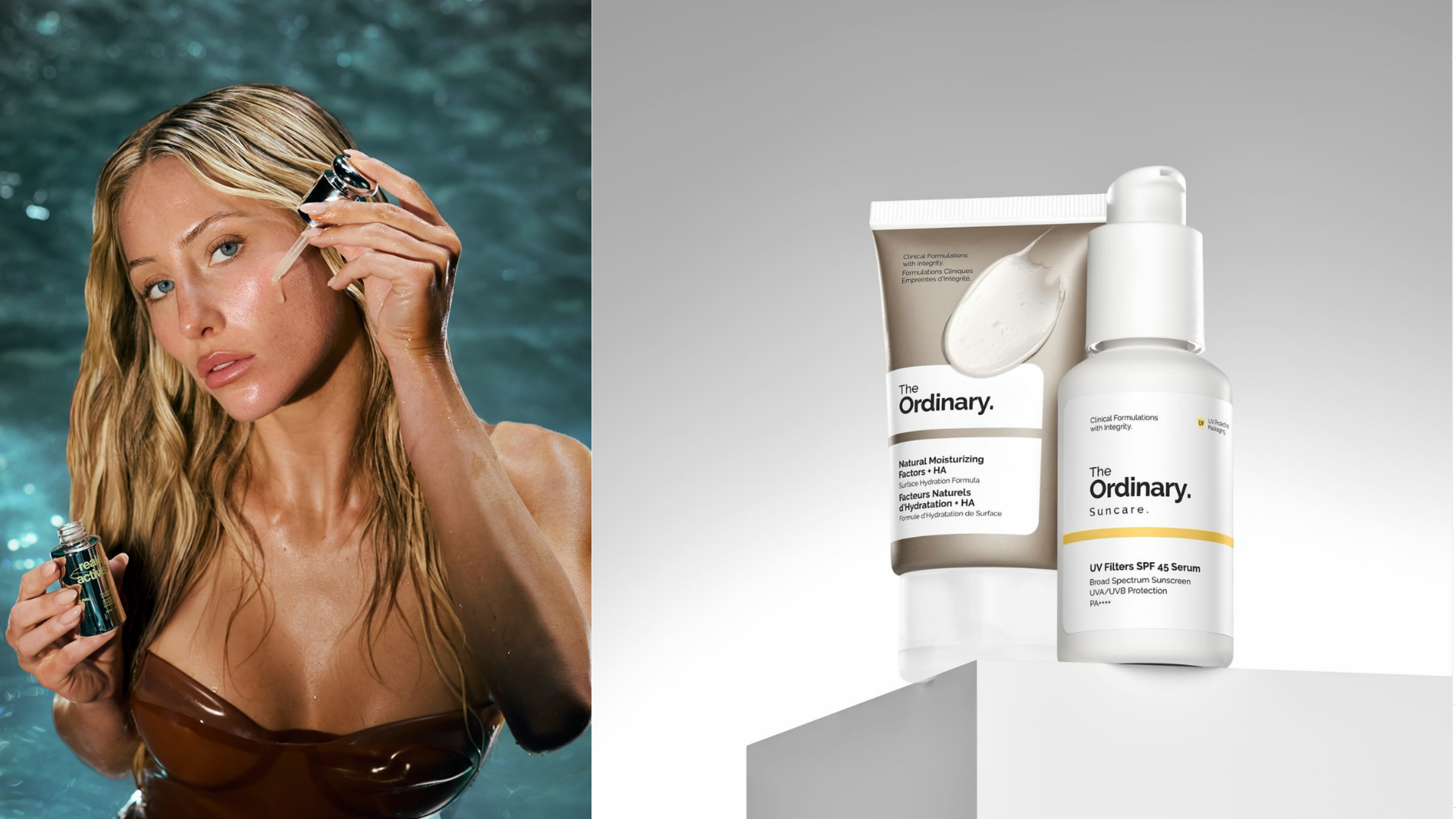
For example, Real Active by Alix Earle gained major attention because she openly shared her struggles with her face acne and vulnerability online. Her innovation products officially sold out within 10 hours of launch, with many consumers joining the waitlist.
Generation Z consumers who had followed her journey for years already understood what she had been through, and her transparency helped build trust with her audience. This shows how authenticity can strongly influence Generation Z beauty purchasing decisions.
Another example is The Ordinary, a skin care brand that highlights the ingredients of each product directly on the front of its packages. The brand's philosophy is centered around transparency and clean beauty, allowing consumers to clearly understand what ingredients are being used in each product category through detailed ingredients labels.
Because of this, Generation Z beauty consumers are naturally drawn into skin care products that clearly display ingredient labels while shopping
Aesthetic Branding and Lifestyle Marketing Matters

Aesthetic branding and lifestyle marketing go beyond simply selling products. Instead, beauty brands have started selling feelings, identity, and lifestyles that consumers want to be a part of. For Generation Z beauty consumers, makeup and personal care have become forms of self-expression and individuality.
Unlike previous generations, Generation Z beauty consumers are more drawn toward authenticity and embracing their true selves. As a result, beauty brands have shifted their marketing strategies to focus more on identity, lifestyle, and emotional connection rather than only product performance.
Brands like Rhode, Summer Fridays, and Glossier have built strong brand identities through clean aesthetics, minimal packaging, and lifestyle-focused branding that resonates with Generation Z beauty consumers.
Their social media presence feels curated yet relatable, allowing consumers to connect with the brand beyond just the products themselves. This create loyalty when come to repurchasing products and new launches
The Influence of Community and User-Generated Content
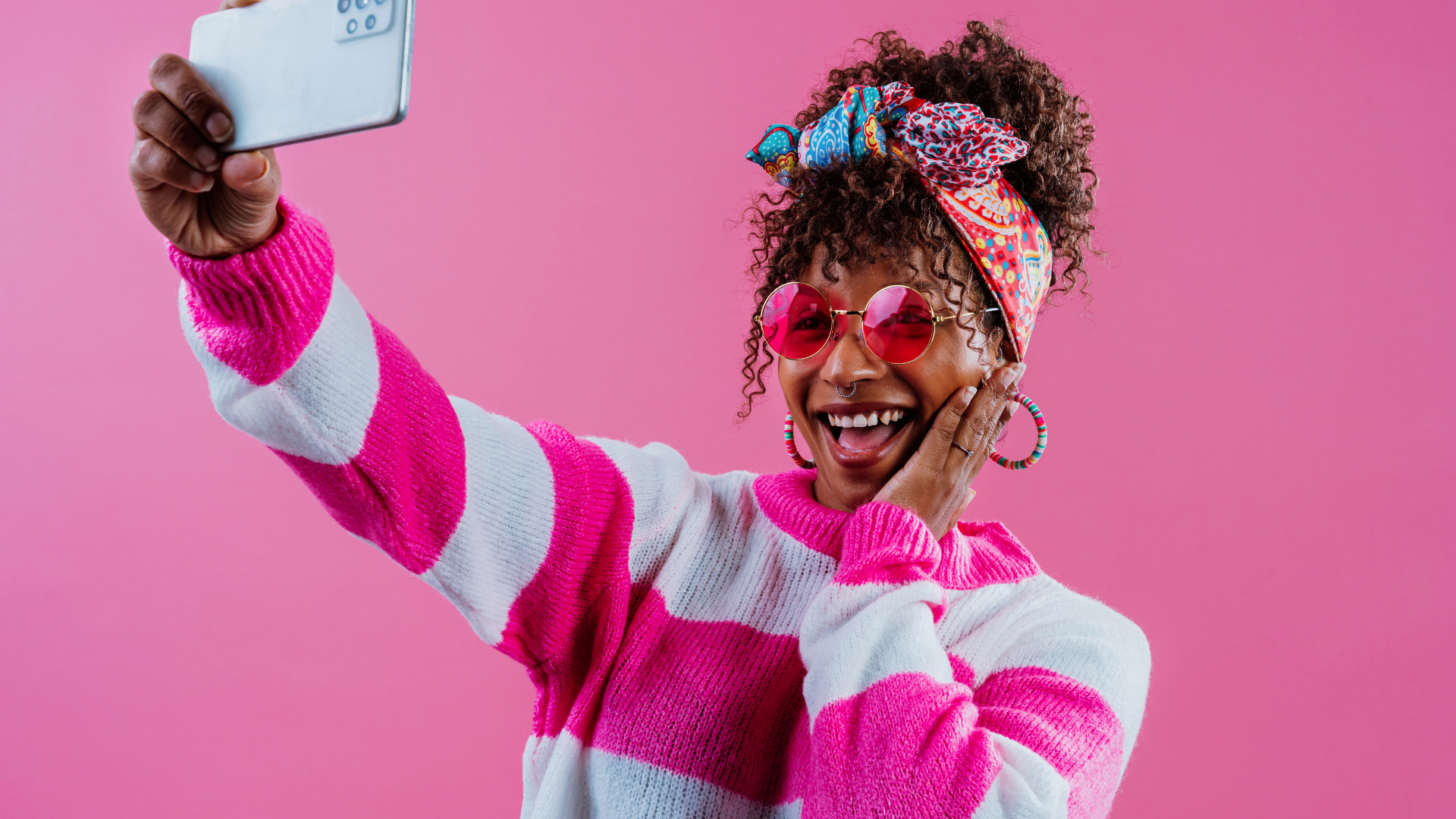
We live in a digital age where spending hours consuming content through social media platforms has become normal. As a result, online communities and UGC (user-generated content) have become powerful influences on Generation Z beauty purchasing decisions.
Instead of relying only on traditional marketing, Generation Z consumers now turn to social media platforms to discover new products, product reviews, and makeup tutorials shared by other users online.
UGC allows viewers to participate in beauty conversations by sharing reviews, recommendations, and experiences with products. As a result, beauty trends are no longer shaped only by brands and influencers, but also by online communities and everyday consumers.
Platforms like TikTok are heavily community-driven and have accelerated beauty trends through viral videos, comment sections, and “TikTok made me buy it” culture, where products quickly gain popularity through online discussions and community engagement.
Beauty brands have adapted to online culture by commenting, reposting, and collaborating with creators, encouraging consumers to engage more with their products online.
Key Takeaways
-
Generation Z beauty consumers have transformed beauty marketing through social media, influencers, and online communities.
-
Beauty brands now focus more on authenticity, relatable content, and short-form videos rather than traditional advertising.
-
Platforms like TikTok and Instagram have accelerated beauty trends and purchasing decisions among Generation Z beauty consumers.
-
Aesthetic branding and lifestyle marketing help brands create stronger emotional connections with younger audiences.
-
User-generated content and online communities continue shaping beauty trends and brand visibility online.
🪽 Written by Krissy Nguyen
join 50k marketing girlies
Private Marketing Girly LinkedIn Group
A private community where young women in marketing network, collaborate, and support each other.