
FIFA World Cup Advertising: How Thrill is Great for Marketing
Jul 23, 2026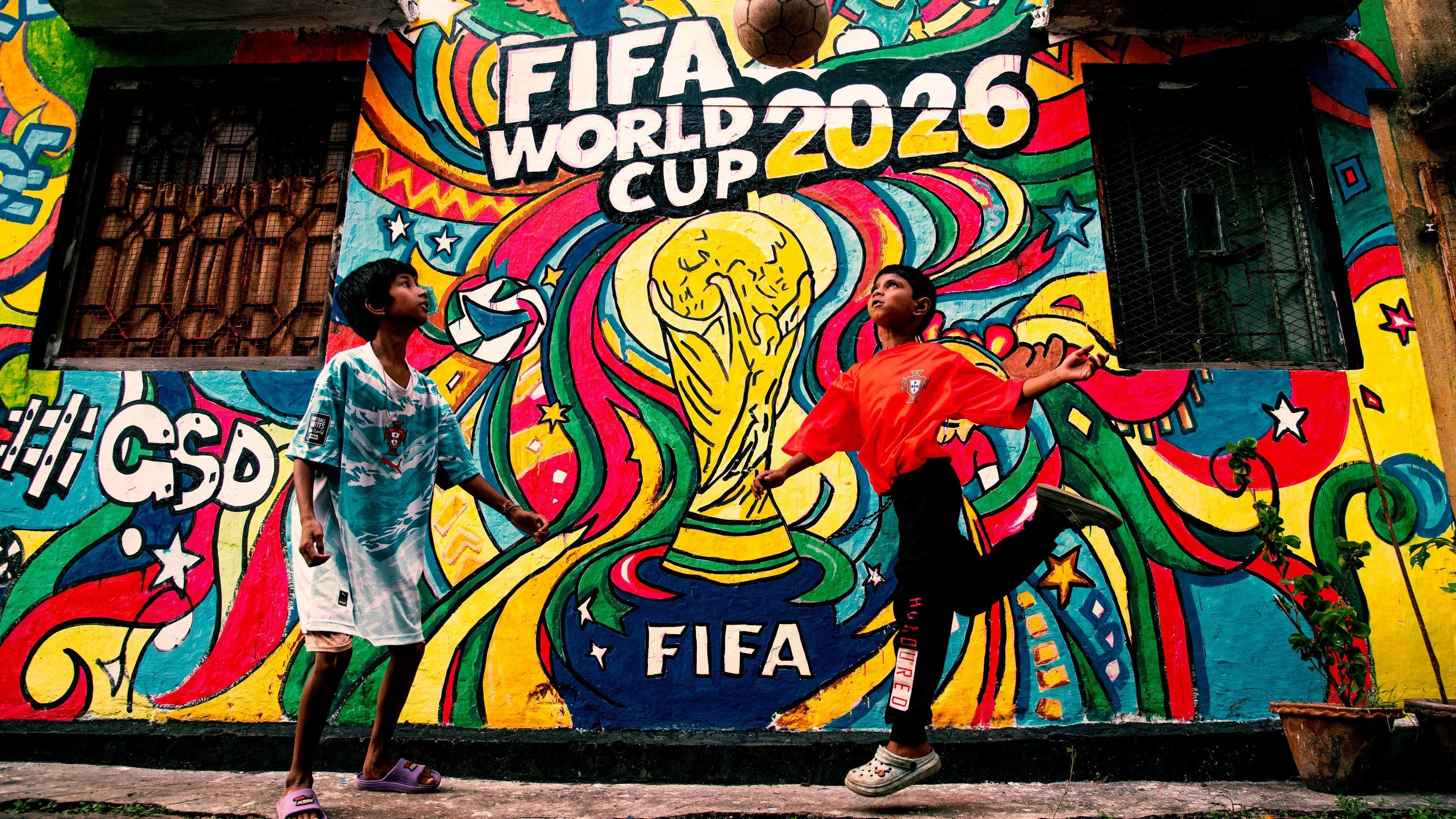
The 2026 FIFA World Cup has seen historic numbers of viewers tuning in from all over the world, creating a massive, once-every-four-years opportunity for brands to boost their visibility.
Although the actual tournament only runs from June 11th to July 19th of this year, there are a solid couple of months of build-up and aftermath on both sides of it, making the sales season almost half a year.
This World Cup has seen many new approaches to campaigns and advertising, and it's become obvious that engagement with fans, the embracing of emotions, cultural relevancy, and in-person events are the driving forces behind the success of World Cup advertisers.
The World Cup Ads in Marketing Terms
The World Cup is the biggest sporting event of the year. According to Sherry Smith, the president of retail media for French advertising company Criteo, “the World Cup is the kind of global event that shows how far retail media has evolved. It is no longer just a lower-funnel performance channel.
It is increasingly a full-funnel commerce media environment that helps brands drive awareness, discovery and conversion in a measurable way,”. Everything from sodas to makeup to batteries to fashion has all seen increases in sales because the World Cup presents a once-every-four-years chance to market to the whole watching world.
Because of the time span of the tournament, from the lead-up to the wind-down, brands have the opportunity to carry customers through the initial awareness stage of a product, all the way through to purchasing the item in their cart.
It’s always fun to see how big brands and companies decide to promote themselves during the World Cup. Unlike the Super Bowl or the NBA Finals, hundreds of millions of people across the globe watch the World Cup, presenting a rare and coveted opportunity for brands to wiggle their logos in where you’d least expect it.
One fan favorite from this year is the deodorant brand Rexona, which placed its logo under the arms of the fourth official’s uniform, so it’s only visible when they raise their arms to hold the substitution board.
Although we know that a lot of World Cup advertising depends on tapping into the emotions of watchers, following microtrends, and creating real-life moments, there’s also a good amount of revenue made simply because people are enjoying what they’re watching and want to keep the moment going.
People are 76% more likely to order food through a mobile app and 145% more likely to make an online purchase of World Cup clothing, such as the jersey of their favorite player, while they’re watching the game as opposed to outside of matchtime.
Much of this is due to real-time engagement from companies such as DoorDash, but some of it comes down to human patterns of being in a state of heightened emotion, wanting something, and having the resources to order it immediately.
In 2026, Engagement Sells Where Pre-Paid Ads Don’t
2026 is proving to be a year of flipping the script in sports marketing. Where companies used to pay big money to insert ads into half-time space, or to plaster their logos inside stadiums, we’re now seeing that nuance seems to sell a lot more successfully.
It's become obvious that brands that put their all into focusing on fans rather than just the products they're selling have a higher appeal rate. Even though they certainly have the capacity for high-budget, run-of-the-mill television ads, big brands like Taco Bell, Nike, and Levi’s are opting to engage with the emotions of fans in more personal ways, by jumping on the buzz of games in real time.
For example, Nike's World Cup ad garnered upwards of 70 million watches on YouTube, without it ever being shown during the World Cup. Taco Bell launched their Emotional Support Taco campaign in June, which capitalizes directly on the emotions of fans. Rewards members can select a free taco in Celebration Mode or Support Mode, based on the outcome of their team.
Because of the domination of social media over much of today’s sports-watchers, World Cup advertising is looking a lot different than it did a decade, or even four years, ago. Although FIFA has its own selection of official sponsors (Coca-Cola, Powerade, and Adidas being a few), social media and in-person events seem to have a massive upper hand in turning the excitement of the World Cup into sales.
The popularity of reaction videos and “come-with-me” videos on TikTok and Instagram has pushed so much visibility to a multitude of brands who have no physical presence within World Cup stadiums.
Additionally, studies show that people are 42% more likely to tune into the World Cup after watching game clips and interviews on TikTok, proving that social media is a massive force behind World Cup advertising.
Brands are realizing that the attention of a World Cup fan isn’t fixed. This year’s World Cup advertising is tuned into the ebb and flow of the emotions of viewers, carrying them through a goal, outraged with them after a penalty or a red card, and supporting them through the loss of a game.
Excitement as a Driving Force
According to the analyses of trend trackers, excitement is the single strongest emotional driver during the World Cup. While viewers are obviously locked in on the game while it happens, emotions are still high during hydration breaks and half-time. This creates the perfect opportunity for brands to tune into those exact emotions by staying on top of each individual game and marketing themselves towards fans based on a collective emotion.
Misha Williams, the Chief Operating Officer at GWI, stated that “the 2026 FIFA World Cup isn’t just a sporting event; it’s a global stage for culture, creativity, and commerce. For brands, that means unprecedented opportunities to connect with audiences in real time”.
Perhaps one of the most utilized pieces of World Cup advertising in history is the use of the “GOOOOAL” exclamation. The elation held within this singular piece of imagery continues to be harnessed by brands to tap into the emotions of watchers.
A majority of the most successful pieces of World Cup advertising are the ones that make people feel something, and using sports commentators’ infamous shouts once a team scores a goal is a guaranteed way to tap into a fan’s emotions, making them significantly more likely to buy the product.
Some brands that have made “GOOOOAL” the main driver of their World Cup 2026 campaigns are Coca-Cola, Nutella, and Coors. Embracing the positive emotions that come from World Cup events has proven to significantly improve brand equity for advertisers.
Hydration Breaks Offer More Advertising Opportunities Than Ever
This year’s World Cup is the first that includes three-minute hydration breaks for players in the middle of each half, mainly because most of the host cities are reaching high temperatures this summer. The breaks also provide another three minutes of potential ad time on match days. Because World Cup advertising ranks among the most expensive in sports marketing, the hydration breaks mean that this is one of the most invested-in tournaments in World Cup history.
Since the tournament began, over ten billion dollars have been put into World Cup advertising, through official sponsorship and outside companies. Official sponsors average anywhere between 60 and 100 million dollars per deal.
Although there has been a lot of outrage over the addition of hydration breaks for this World Cup (Powerade has received a lot of flak because they officially sponsor the breaks), it goes to show how much of a difference an extra three minutes of ad time can make.
In-Person World Cup Events Are More Popular Than Ever
In addition to on-screen ads, another big World Cup advertising scheme we’ve seen a lot of this year is the fan zone. Large, open areas where fans of a specific team can gather and watch the game together on a large screen, fan zones are proving to be excellent opportunities for brands to get themselves seen.
As much of the country is experiencing record-breaking heat during the tournament, beverage companies such as Olipop are offering themselves to fans outside of stadiums and within fan zones. Olipop markets itself to fans as a way to beat the heat while being a healthier, feel-good alternative to alcoholic beverages or sugary sodas.
Being the first World Cup since all the restrictions from the pandemic were lifted, it’s been clearer than ever that community is a driving force in World Cup fandom. Through fan zones, watch parties, screenings, and events held outside of game time, fans are coming together in ways the world hasn’t seen in almost a decade. In the time leading up to kick-off, bars become flooded with fans.
After a favored team wins, there are parties in the streets around the world. Watch zone attendance for the 2026 World Cup at the end of the Round of 16 currently sits at 5.5 million people, massively outranking the 1.8 million people across all matches in 2022.
Shopping centers across the US are turning parts of their malls into watch zones, with the products of official FIFA sponsors within walking distance of every watcher. One example is Walmart, which partnered with Coca-Cola for this World Cup to host parking lot watch parties throughout the tournament.
With Coca-Cola sponsoring activities such as giveaways, photo ops, and product samplings throughout the events, as well as bringing in well-known social media creators to document them, both Coca-Cola and Walmart have seen a rise in sales specifically because they’re curating and marketing the lived experience of the World Cup.
Cultural Relevancy and Guerrilla Marketing are Key
Some of the most powerful ads are the ones that are geared towards specific host cities. Street ads, billboards, and partnerships with local influencers are all examples of localized campaigns. Instead of showing the same ads to every city, studies found that the localization of global campaigns gives fans a much higher sense of relatability and authenticity.
In this way, localized campaigns and guerrilla marketing go hand in hand, as guerrilla marketing often involves campaigns in public spaces. Guerrilla marketing is successful because it spikes the emotions of viewers, which is perfect for football culture, where emotions are usually running high to begin with.
One example of great guerrilla marketing comes from Total Wireless, which hid tear-off tab flyers around host cities, and if people found them and brought the tabs to participating stores, they could redeem them for free World Cup tickets.
Cultural relevance can refer to specific trends and fads going on at any given time, but it can also heavily lean into the specific cultures of wherever the products are being sold. The 2026 World Cup is the first in history to include the national teams of 48 different countries, up from 32 in previous years.
Because of this, it's been more important than ever for companies to tap into the cultures of each individual country in every host city. Embracing cultural relevancy has definitely generated significantly more engagement than just relying on official sponsorships.
Key Takeaways
In the United States alone, the FIFA World Cup 2026 is projected to make over $1 billion in revenue by the time it finishes. This number comes partially from ticket sales, but largely from the sales made by companies and brands across the US.
It’s also more than double the revenue that came from the 2022 World Cup, which we can trace to the massive turnout at in-person events, the embracing of emotion as a sales tactic, and the work of social media creators to push products and events in real time.
Everyone is talking about the record-breaking number of goals, or the record-breaking distances run, but from the first game until the final, this World Cup has broken records outside of the stadium too: in national turnout, in marketing tactics, in documentation, and in emotions felt.
🪽 Written by Maia Demar
join 45k marketing girlies
Private Marketing Girly LinkedIn Group
A private community where young women in marketing network, collaborate, and support each other.