
Digital Marketing in Music and Its Impact on the Industry
Jul 17, 2026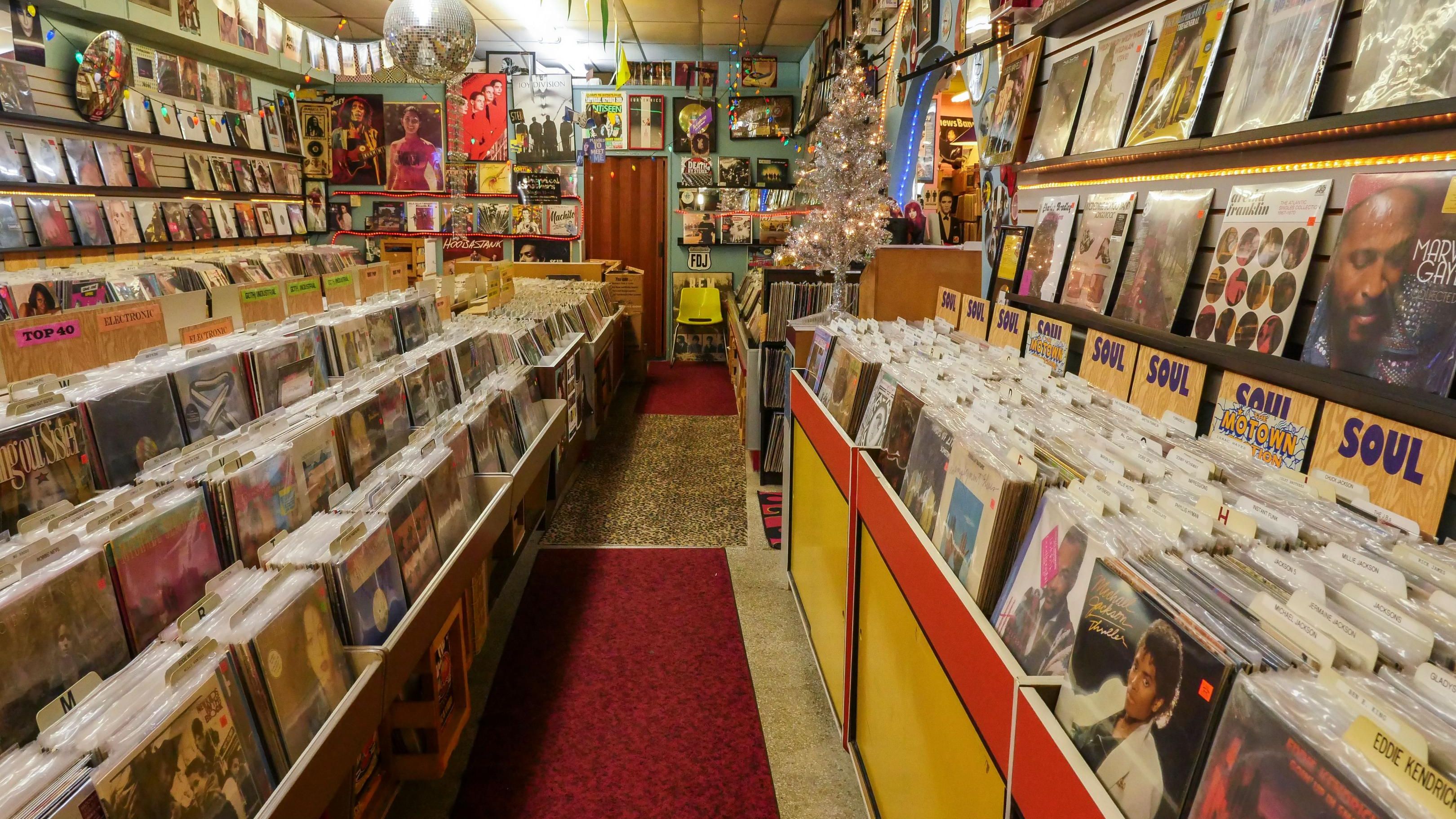
Over the past 20 to 30 years, technology has changed the music industry in a big way.
Today, digital marketing plays a major role in helping artists share their music with the world. Digital marketing in music involves using social media, streaming platforms, and data analytics to promote artists and their songs. In many cases, good marketing is just as important as musical talent.
From the 1980s through the early 2000s, artists became popular by selling records, getting radio play, appearing on music television like MTV, and signing with record labels.
Record labels controlled who got noticed. When smartphones and social media became popular in the 2010s, the music industry changed dramatically.
Today, musicians, marketers, and music industry professionals need to understand how digital marketing works. In a crowded industry, getting noticed, connecting with fans, and making money all depend on using digital tools effectively. This article explains how social media, streaming services, branding, and data-driven marketing have changed the music business.
The New Stage: Social Media
Social media has changed the way artists build their careers. In the past, musicians had to book live shows, record demos, compete for studio time, and hope to get signed by a record label. Today, artists can build their own fanbase online without waiting for a label to discover them.
Platforms like Instagram, YouTube, Facebook, and TikTok allow current and emerging artists to share their music and connect directly with fans. They can post videos, behind-the-scenes content, and personal updates that help people get to know them. Being creative and authentic often matters more than having a large budget or a well-known label representing you.
Building a loyal community is important because it helps artists stay connected with fans even when social media algorithms change. One viral video or trending song can introduce an artist to millions of people and even catch the attention of record labels or industry professionals.
Short-form videos have become one of the most popular ways for people to discover new music, making content on platforms like TikTok and Instagram Reels more important than ever.
Many successful artists first gained attention through social media. Doja Cat, Justin Bieber, The Weeknd, and Halsey all used online platforms to showcase their talent and grow their fan bases. More recently, artists like Lil Nas X, Olivia Rodrigo, and Doechii became widely known after their music went viral on TikTok. Their success shows how powerful social media has become in today's music industry.

Streaming Platforms
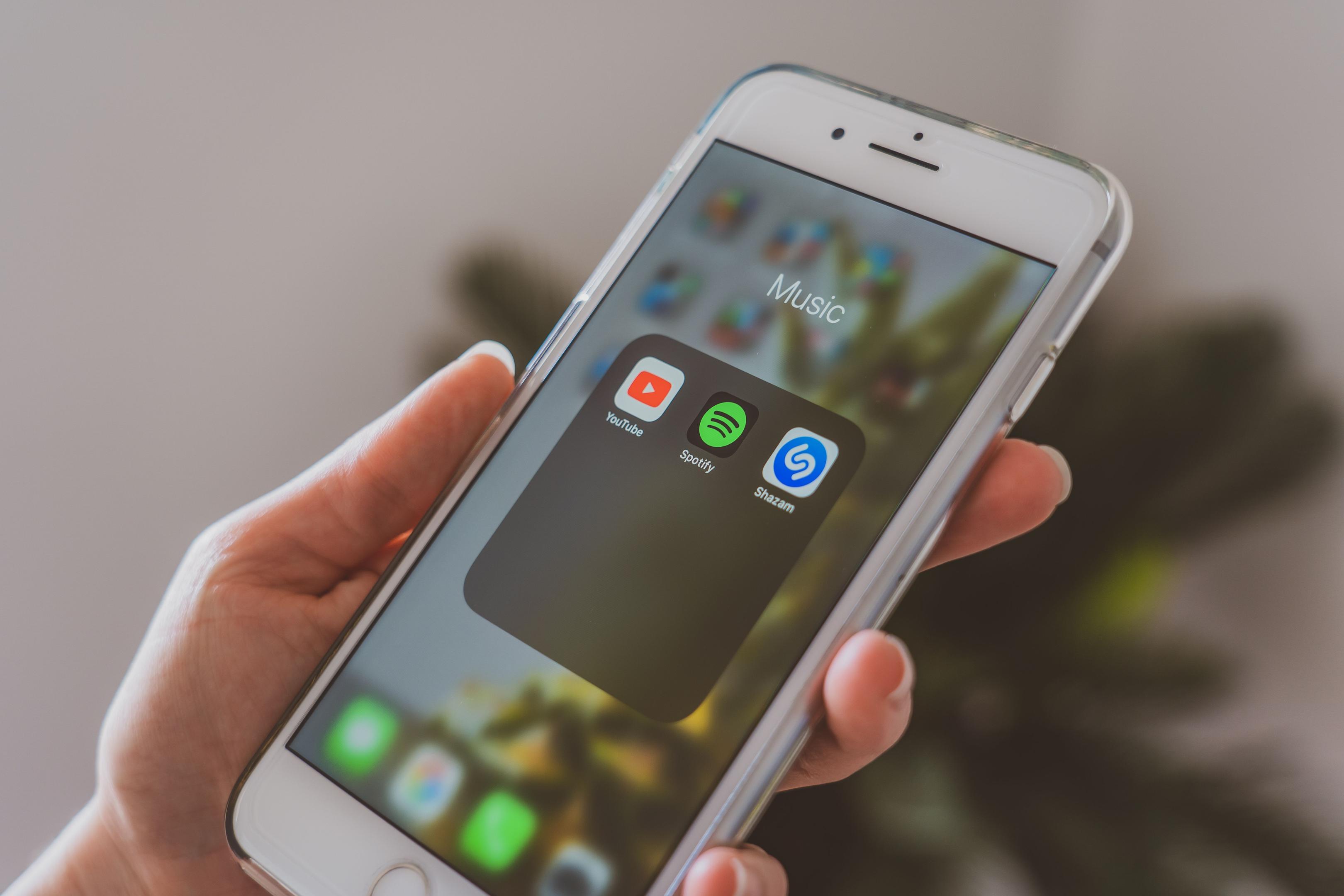
Streaming has changed digital marketing in music. It has changed the way people listen to music and the way artists need to market it. Instead of listening to the radio or buying albums, people can instantly stream millions of songs whenever they want. Key platforms like Spotify, Apple Music, and YouTube Music now dominate the industry, accounting for roughly 85 percent of music industry revenue.
Because of this change, music marketers focus less on record sales and more on streaming numbers and listener data. They work to get songs featured on playlists, create online advertising campaigns, and use analytics to understand what listeners enjoy. This information helps artists reach the right audience and encourage people to keep listening.
Streaming has also made it easier for independent artists to release music without signing with a record label. Features like Spotify's Discover Weekly and Daily Mix introduce listeners to new artists based on their listening habits.
Music marketers also reach out to playlist curators to help artists get featured on popular playlists. Songs are usually submitted several weeks before release to improve their chances of being added to editorial playlists. Artists can also use services like SubmitHub to connect with independent playlist curators.
How It Affects Artists
Digital marketing in music has changed what it means to be a musician. Today, artists are expected to do more than just make music. They also create social media content, build their personal brand, and stay active online. While this gives artists more opportunities to connect with fans around the world, it also creates pressure to post regularly and compete in a crowded market.
One advantage of digital marketing is access to detailed audience data. Artists can see where their fans live, what songs they enjoy most, and how people discover their music. This information helps them plan concert tours, promote new releases, and create merchandise their fans will want to buy.
However, standing out has become more difficult. More than 100,000 new songs are uploaded to streaming platforms every day. That adds up to millions of new songs every month, making competition stronger than ever.
Building Artist Revenue Through Digital Marketing
Building a fan base is only one part of becoming a successful artist. Musicians also need to earn enough money to support their careers. Many artists use their own websites to share new music, collect email subscribers, sell merchandise, and offer exclusive content.
Email lists allow artists to communicate directly with fans without depending on social media algorithms. Some artists also earn money through fan subscription platforms like Patreon.
Even with these opportunities, most musicians still earn most of their income from live performances and touring. Social media can sometimes create the impression that an artist is very successful, even if they are not making much money. Streaming services pay only a small amount per stream.
Because of this, an artist usually needs hundreds of thousands of streams to earn around $1,000 before expenses. Thus, digital marketers must not only increase an artist's visibility but also help them secure bookings for live performances.
Why Digital Marketing is Essential to Success in the Music Industry
Digital marketing in music has become one of the most important parts of the industry. It helps artists reach new audiences, grow their fan bases, and build long-term careers. With so much music available online, having a strong digital marketing strategy can make the difference between being discovered and being overlooked.
Here are seven reasons digital marketing in music is important in today's industry:
-
Increases visibility in a crowded market by helping artists reach more listeners.
-
Builds a strong personal brand that helps artists stand out from the competition.
-
Creates direct connections with fans through social media, websites, and email marketing.
-
Opens more ways to earn money through merchandise, ticket sales, subscriptions, and digital products.
-
Uses data to make smarter decisions about marketing, tours, and music releases.
-
Keeps artists up to date with industry trends and changing audience behavior.
-
Creates networking and collaboration opportunities with other artists, brands, and music professionals.
The Future of the Music Industry
Technology has completely changed how music is created, shared, and promoted. While talent is still essential, digital marketing has become one of the biggest factors in an artist's success. Social media, streaming platforms, and online marketing allow musicians to reach audiences around the world without relying only on record labels.
At the same time, the growing amount of music distributed online means artists must work harder than ever to stand out. It is very important for both musicians and marketing professionals in the music industry to understand and navigate the ever-changing landscape of digital marketing in music.
By using digital marketing effectively, artists can build stronger relationships with fans, create more opportunities, and grow lasting careers in today's music industry.
🪽 Written by Bridgette Burdine
join 50k marketing girlies
Private Marketing Girly LinkedIn Group
A private community where young women in marketing network, collaborate, and support each other.