
Branding Athletes: 5 Powerful Ways Athletes Change Sports Marketing
Jul 22, 2026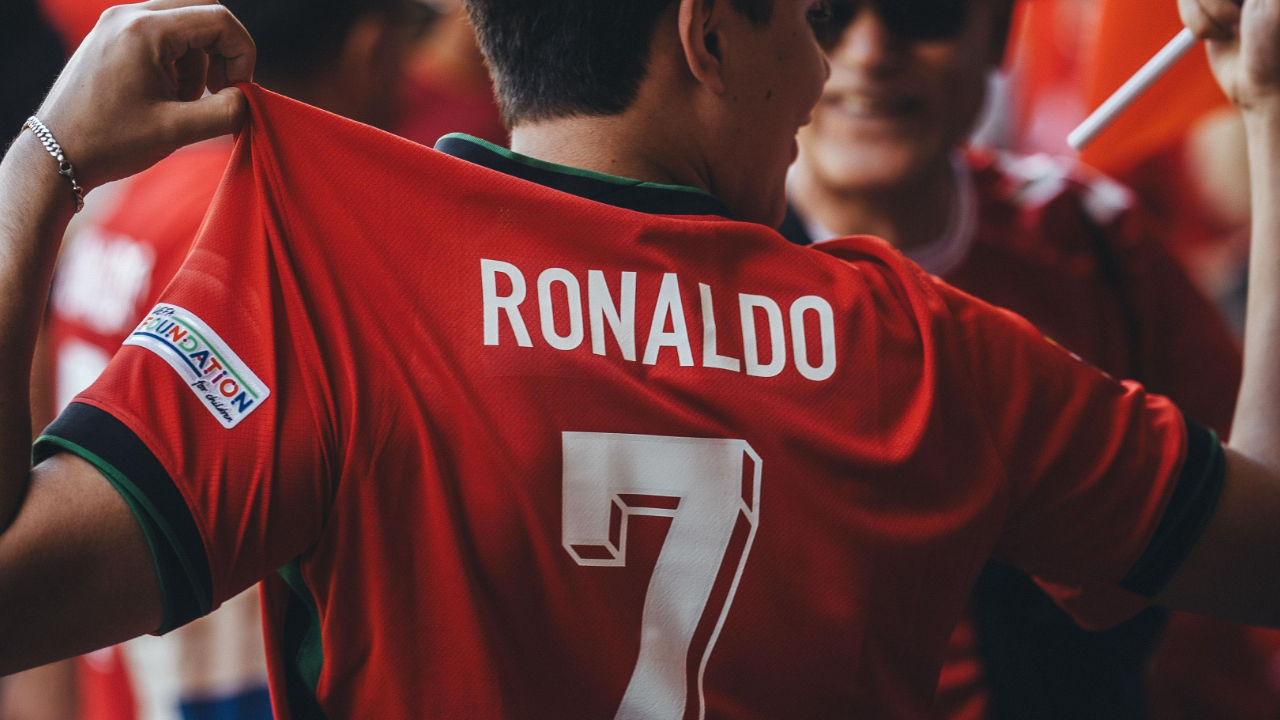
The biggest names in sports are no longer just athletes; they're brands.
Fans today don't just watch teams compete; they also engage with them. They follow athletes across different teams and sports, keeping up with their lives on social media, listening to their podcasts, buying the products they recommend, and supporting the causes they care about.
Sports careers are no longer measured only by what happens on the field or court. Today's athletes are building personal brands that shape public perception, influence how fans connect with them, and how companies choose sponsorship opportunities.
Branding athletes has transformed the sports industry beyond endorsements and commercials. Now, athletes have developed their own personal brands. Through social media, podcasts, sponsorships, and fan engagement, athletes have ushered in a new era of sports marketing.
What Does Branding Athletes Really Mean?
Years ago, marketing in the sports industry focused on the team. The team logo, game days, game promotions, and television commercials from time to time. The days of athletes focusing solely on their performance are over.
Today, athletes must think beyond their performance. A strong personal brand shapes how they communicate with fans, attract sponsorships, and build trust both on and off the field, but what does this brand strategy look like?
A strong personal brand includes more than just a unique identity. It includes the athletes' core values, reputation, digital presence, and their authenticity. Creating a marketable lifestyle that people want to step into.
Many sports fans form connections with teams, but they build stronger relationships with individual athletes.
With the rise in social media platforms, access to athletes is unparalleled compared to what was available a decade ago. It has given fans an inside look into their favorite athletes' everyday lives, personalities, and personal opinions.
Professional athletes now have the responsibility of building a positive public image that reflects them, both on and off the field. Fans often look to their favorite athletes as role models.
That is why athletes' personal branding strategies have become an essential part of successful marketing in the sports industry.
1. Fans Follow Athletes, Not Just Teams
With the rise in social media, sports fans have become even more dedicated than ever. The environment in professional sports has changed. It is no longer enough to attend a game or catch it on television.
Fans will watch the game and want to relive it too. Some even wait for the social media posts to drop to rewatch a great play they just saw. People subscribe to podcasts, YouTube channels, or buy products because of their favorite athlete.
While teams remain central to sports, the power that comes with branding athletes is far more impactful.
For example, after the recent World Cup, Cristiano Ronaldo's Instagram following has surpassed 674 million followers. Meanwhile, his teams, Al Nassr and Portugal, only have a combined following of 55 million.
In addition, when Ronaldo transferred from Real Madrid to Juventus in 2018, the media attention he generated as a personal brand resulted in Real Madrid losing over 1 million followers.
Social media and other platforms have enabled athletes to share sides of themselves that never used to exist.
Their audience craves behind-the-scenes content from their pregame routines, family life, or even workout videos. These creative ways of sharing their personal life allows fans to feel like they know them on a personal level, something traditional media was not able to create.
2. Sponsorship Deals Rely On Authenticity, Not Just Status
Sponsorship deals have turned into a partnership. It is not just about partnering with the most famous athlete with the most popular brand. Now, the brand image needs to reflect both sides equally, and the partnership depends on shared values and building long-term relationships.
Today's audience has become very aware of promotional marketing and no longer wants to feel like they are being sold to. Aligning a strong athlete's brand with a company that holds similar values, it creates an authentic story that connects with target audiences at a much higher rate.
The rise in this kind of partnership has been seen across all different sports figures. Benefitting not just companies, but also athletes as they look for potential sponsors.
For example, back in 2021, it was a shock when Simone Biles, U.S Olympic Gold Medalist, left her long-term partner Nike.
This move was intentional on Simone's part, as she left to join Athleta due to their shared values in women's empowerment. Every choice an athlete makes now has to be the right strategy in order to make themselves a successful brand.

3. Media Companies Are Out, Personal Brands Are In
Some of the most elite athletes no longer have to rely on big media companies to tell their story or promote their favorite brands. The rise of athletes embracing digital marketing strategies has changed the landscape forever.
Many of the top athletes have invested in storytelling by leveraging platforms such as YouTube to build Podcasts.
By using these platforms, athletes take control of their own narrative and passions. Giving a closer look at who they are as a person.
Jason and Travis Kelce have been able to build their own brand off the field by creating their podcast, New Heights.
They have labeled themselves as the goofy brothers who talk about real-life situations and behind-the-scenes content in the NFL, building up over 3.18 million subscribers. In the past, these types of stories would have been lucky to be told in an interview; now, fans feel as though they are in the locker room with them.
LeBron James has been able to find lasting success building his brand outside the game, too. With already a large following, his fans can learn from him the basics of basketball with his Podcast, Mind the Game.
While he is widely known for his athletic accomplishments, he is also building an audience off the court by embracing his brand persona, and it's working, with over 904,000 subscribers.

4. Brand Building Beyond the Game
Many athletes can be seen on the screen for 5 to 10 years, but their success does not have to stop there. The rise in branding athletes has allowed professionals to continue their legacy long after the game is over.
By leveraging their social media presence and brand story, many athletes have been able to turn their careers towards other scenes. Broadcasting, investments, business ownership, and philanthropy are just a few.
Even while they are active, many professional athletes build foundations. These leverage their brand recognition to support those in need.
Shaquille O'Neal is a great example of an athlete who has continued to maintain a positive reputation and create a lasting impact. He has invested in or owned more than 150+ businesses across multiple industries.
He's built a successful broadcasting career and started a foundation that supports communities and highlights the importance of giving back.
Shaquille is an athlete brand image that continues to live on beyond the game. He has been able to build himself an even larger audience than other athletes from when he was active.
The most successful athletes today are those who embrace this new era of sports marketing. By maximizing their positive image, they step into their brand image and can attract a global audience.

5. The Human Side of Sports Marketing
Branding athletes has driven the future of sports marketing in a way that traditional marketing could not. Before, it was all about selling tickets, merchandise, success, and teams as a whole.
With this new era focused on brand building, marketing has shifted to be about storytelling and emotions.
Elite athletes make mistakes just like everyone else, but now they can address them head-on. They have platforms to speak on active situations surrounding them in their careers.
Jaylen Brown is a recent elite athlete who has taken advantage of this opportunity. He took to Twitch to discuss his recent trade from the Boston Celtics to the Philadelphia 76ers.
Rather than waiting for traditional media to tell his story, Brown spoke directly to fans. Sharing his emotions about the trade and strengthening his connection with his audience, including those still in Boston.
This unique opportunity allows his fans to mourn with him and feel the emotions surrounding the trade. This not only allows the fans to build a sense of connection but also allows athletes to feel heard as well. These opportunities don't end there either.
Personal brand building can be attributed to trends such as Day in the Life, Mic'd up, and Pregame tunnel walks. They all assist elite athletes in building a solid personal brand around true authenticity and human emotion.

The New Era of Branding Athletes
Personal branding for athletes has changed the landscape in which sports marketing functions. It has impacted how fans interact within the environment.
Even with the large following that sports have always maintained, there used to be layers. The distance between a team and its target audience. Now those layers have been stripped away, and sports fans are engaging with teams for a whole new reason.
While their love for the team remains. People are buying tickets to get a closer look at the relationship they have been building with these athletes. Turnout at games has become more about culture.
The chance to see their friends deliver an athletic performance. Then celebrate them on social media. The future of sports marketing is dependent on the ability to create genuine relationships between a pro athlete and a fan.
As technology and social media continue to grow, they will continue to be more influential in the sports environment. Individuals and organizations that embrace this change will continue to be a powerful force.
While strong brands may begin on a court or field, the strongest continue long after a whistle blows. Creating space for sports fans to feel a part of something bigger. Creating opportunities for pro athletes long after the uniform comes off.
It has become clear that branding athletes is no longer a trend. Instead, it's a solid principle of how modern sports teams and elite athletes build relationships with their fans forever.
As sports marketing continues to evolve, organizations, brands, and athletes must recognize that authentic connections matter more than ever.
The next time a campaign is being planned, consider how an athlete's personal brand can strengthen that message and create lasting relationships with fans. While strong brands may begin on the court or field, the strongest continue long after the game has ended.
🪽 Written by Harleigh Roach
join 50k marketing girlies
Private Marketing Girly LinkedIn Group
A private community where young women in marketing network, collaborate, and support each other.