
Brand Rituals: Why the Best Brands Turn Habits Into Traditions
Jul 23, 2026
What makes someone choose the same coffee shop over and over, even when a dozen others are just as close?
It's usually not the coupon or rewards app, it's a habit that feels personal.
In this heavily digital age, attention is scarce. People scroll past more content, ads, and products than they could ever remember, so standing out isn't enough on its own. The real challenge in marketing today isn't grabbing attention, it's keeping it.
Loyalty programs alone can't do that anymore. This post explores how brand ritual marketing helps companies earn the kind of superfan loyalty that habits alone can't buy.
What Makes a Ritual Different From a Habit?
There’s a big distinction between a habit and a ritual. Customer habits are automatic, but brand rituals have to be meaningful and intentional. Over 4,000 consumers were surveyed on rituals and their link to core human motivations. They have the power to shape mood, identity, and choices, including what people buy.
Rituals help people present who they are. The best brand strategies support these rituals instead of getting in the way of them. Most importantly, consumers create their own rituals and decide whether a brand fits into that, not the other way around.
Iconic Brand Rituals We All Know
Brand ritual marketing builds familiarity, connection, and customer loyalty. Below are some amazing examples of well-known brands that are doing this successfully:
-
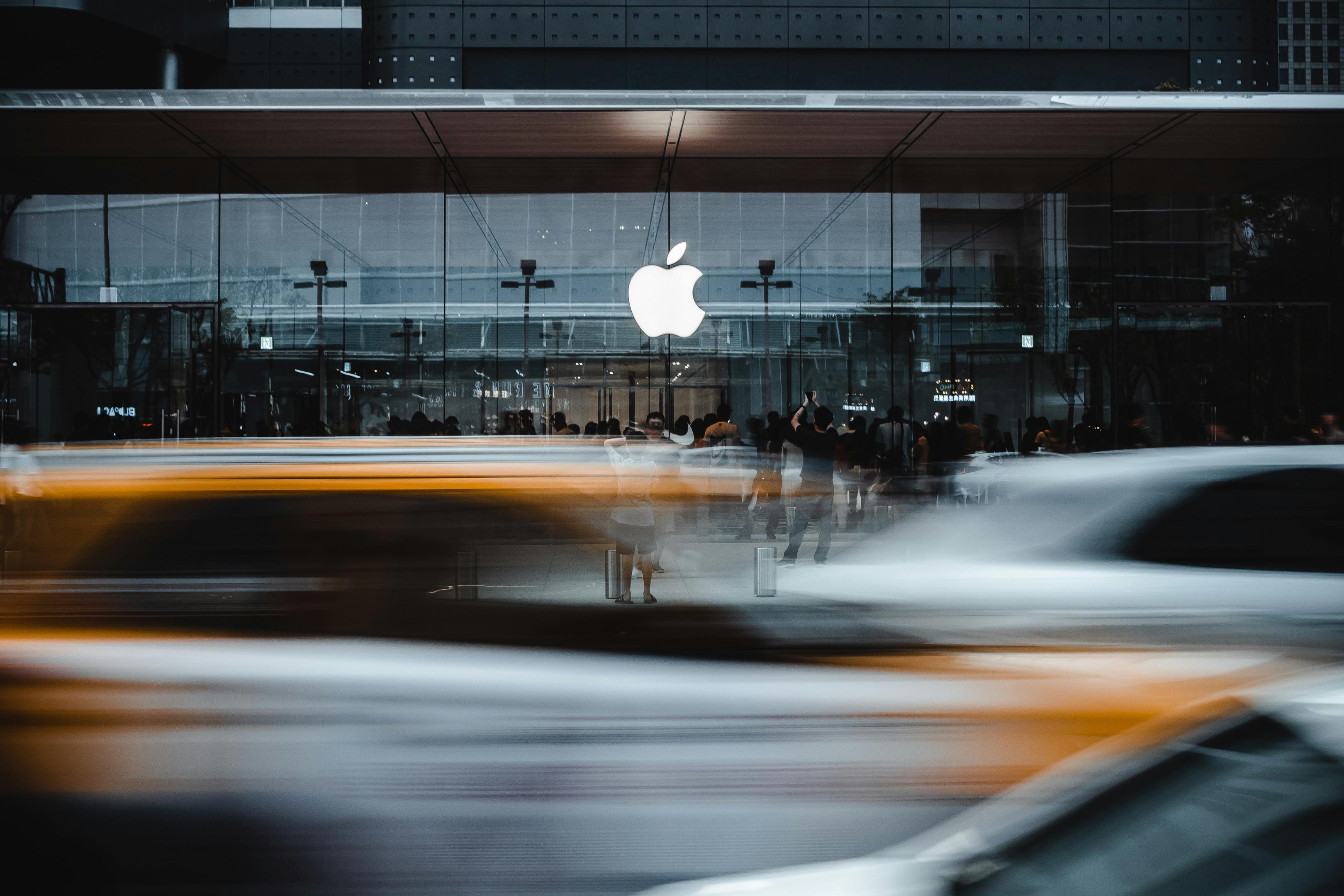
Apple: Fans look forward to Apple’s Special Event each year, where they unveil their upcoming tech. Apple has learned how to turn a product announcement into an annual cultural event. They know how to establish a sense of trust and consistency that customers value.
-
Spotify: Every December, listeners wait for their personalized recap called Spotify Wrapped and share it on social media. It turns a private habit, streaming music, into a public brand ritual.
-
Tiffany & Co.: The white ribbon and robin's egg-blue lid turn unboxing into part of the proposal. That shade of blue is so recognizable and a part of Tiffany & Co's brand identity, so people feel the excitement before the box even opens.
-
Crocs: Clipping charms into the holes transformed a divisive shoe into personalized, collectible footwear. Customers keep coming back for more, since every new charm drop gives fans a reason to hunt down the next piece for their collection.
-
KitKat: Breaking the chocolate wafer in half became the product experience or brand ritual. The "have a break" tagline is also unforgettable. That pause gives customers a small, shared moment they now associate only with KitKat.
-
Corona: Corona built a strong brand ritual by pairing its beer with a lime and beachy, feel-good imagery. Now customers expect the lime, and squeezing it into the bottle has become a small habit they look forward to every time they crack one open.
Rituals Create Brand Loyalty That Feels Personal
Brand rituals can slow consumption and raise perceived value. For example, a coffee shop stamp card is a tactic or loyalty program, but a “9 A.M. coffee ritual” is a brand behavior. Brand rituals aren’t a discount/promotion, it’s an identity moment.
Rituals associated with a brand also hold a strong emotional bond for its customers. Coca-Cola’s Christmas truck tour is a great example of what has become a beloved global brand experience.
It signals the holidays are here and stirs up joyful, nostalgic feelings. That bond is part of why people feel so connected to Coca-Cola.
Vaseline’s “Love Hurts” campaign also shows a small, everyday moment that feels universal. In the ad, a parent applies petroleum jelly to their child who doesn’t want it. Instead of picture-perfect images, the brand uses a ritual almost everyone recognizes. That familiar moment helps Vaseline feel personal and relevant, even to a global audience.
Shared experiences or fandoms are built the same way. The Fast Company reports that the deepest form of loyalty is created through brand ritual marketing, participation, and storytelling, not one-off activations. For example, Peloton does this by turning community milestones into moments of shared progress.
Starbucks has established the brand ritual of writing customers’ names on their cups. This simple act adds a personal touch and creates a sense of community among customers worldwide.
Brand Ritual Marketing in the Beauty Industry
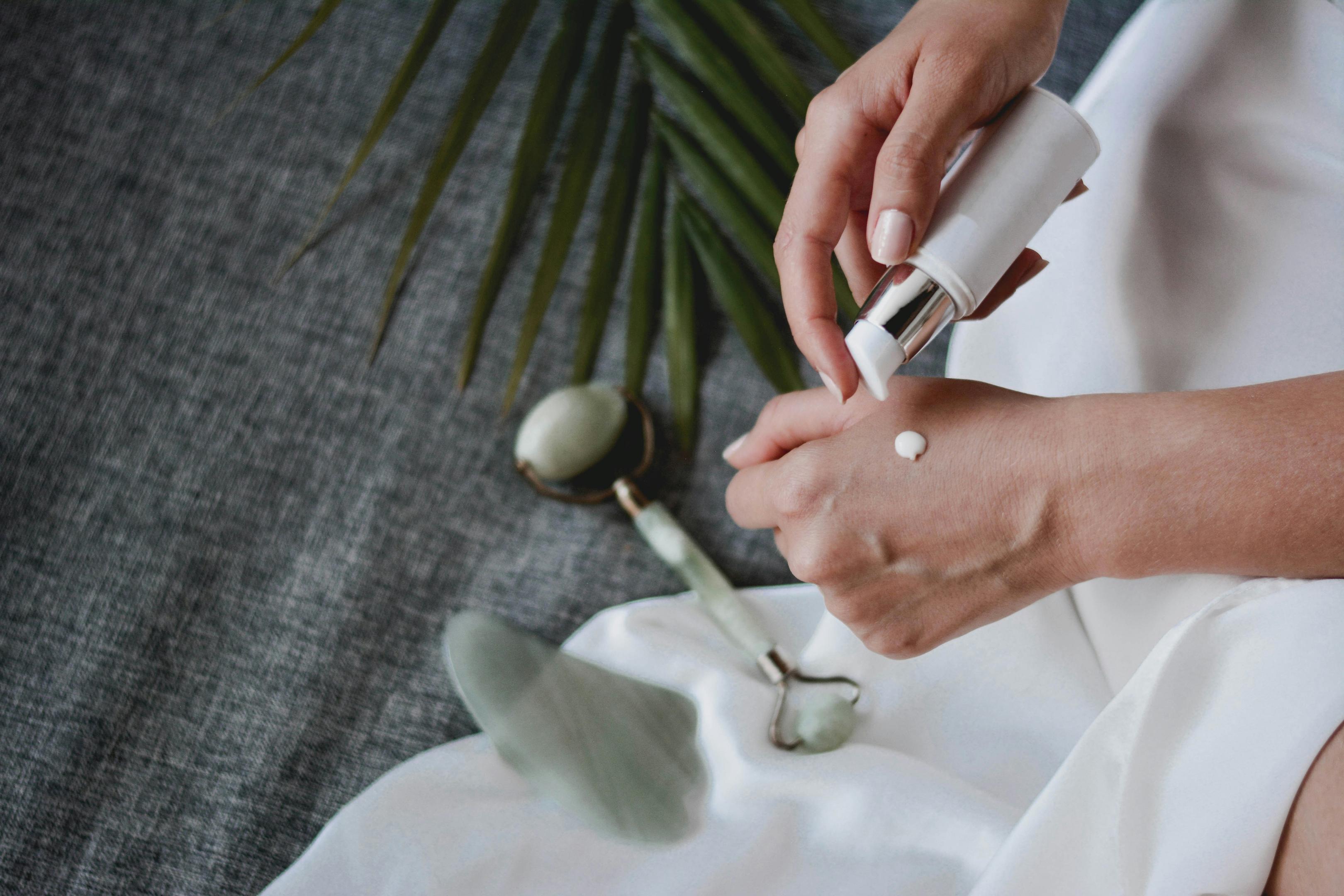
Beauty is one of the strongest industries for brand rituals because skincare and makeup are already daily, repeated routines. Brands don't have to invent new behavior, they just have to add meaning to a step people already do in their daily life.
Gen Z and Gen Alpha customers in particular are calling for “slow beauty,” according to BeautyMatter. These digitally exhausted younger shoppers want phone-free events, seasonal drops, and narrative launches instead of viral speed. Brand rituals become the retention anchor for a generation resistant to algorithm chasing.
Rare Beauty x TYB put this phone-free concept into action. The makeup brand hosted a seasonal community dinner in New York City for 30 top community members.
Guests left their phones behind and connected through card games and drawing with branded crayons instead. They also took home exclusive, unreleased Rare Beauty products, which made them feel like true insiders.
Vogue Business explains that clean beauty brand Merit Beauty skips chasing trends. Instead, it builds an emotional connection that customers can count on at every touchpoint. That consistency reinforces routines and expectations, which are key ingredients of brand rituals.
How to Build a Brand Ritual
What are the key steps to building a brand ritual and making it stick? According to Atla* Branding Agency, these are the marketing essentials.
Step 1: Identify a high-frequency touchpoint. Where does your audience interact with you most often? Don’t invent new behaviors, build on existing ones.
Step 2: Add meaning, not just value. Turn routine into emotion. Like Spotify Wrapped, it's not just data, it's a personalized moment fans wait for all year and want to share.
Step 3: Give it a name and create a vocabulary that your audience can adopt. Language makes rituals stick and creates culture; don’t just “post weekly,” call it your “Monday Drop.”
Step 4: Repeat it with care! Meaningful rituals aren’t automated. They need consistency, but they also need intention. It’s a craft, not a content calendar.
Key Takeaways
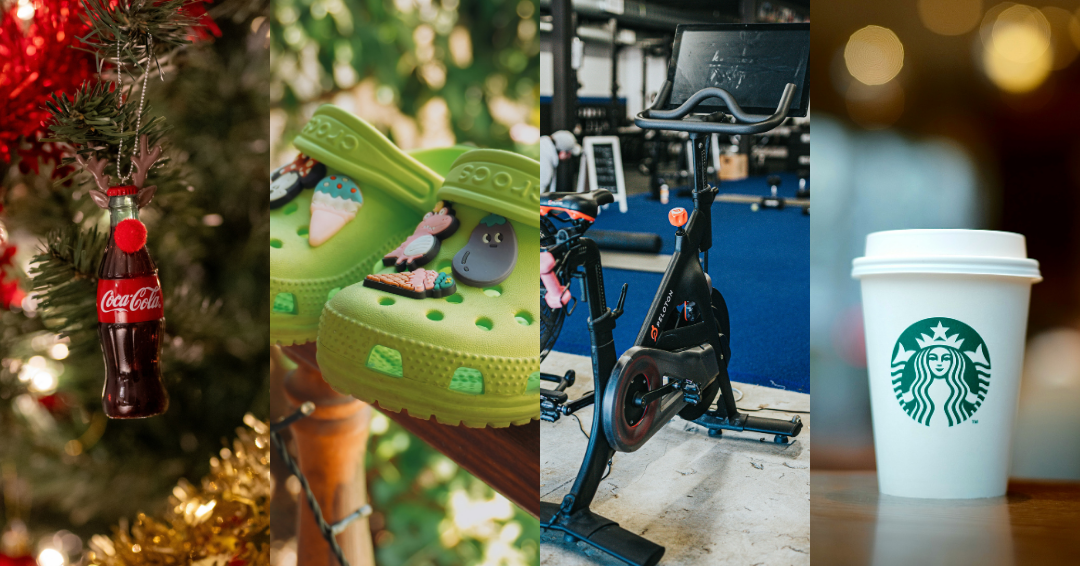
A ritual isn't just a habit, it's a habit with meaning attached. The best brands don't invent new behavior, they notice what people are already doing and build on it with intention, whether that's Apple's Special Event or Crocs’ collectible shoes.
This is why brand ritual marketing creates a kind of loyalty that feels personal instead of transactional. Coca-Cola's nostalgia, Starbucks' name on the cup, and Peloton's shared milestones all work because they connect with identity, not convenience.
Merit Beauty’s consistent marketing strategy and Rare Beauty's phone-free dinners also prove that slower, more meaningful moments build stronger loyalty than chasing trends. Whether it's a lime in a Corona or breaking a KitKat, these brand rituals build unique loyalty for customers that have a lasting impact.
🪽 Written by Claire Montgomerie
join 45k marketing girlies
Private Marketing Girly LinkedIn Group
A private community where young women in marketing network, collaborate, and support each other.